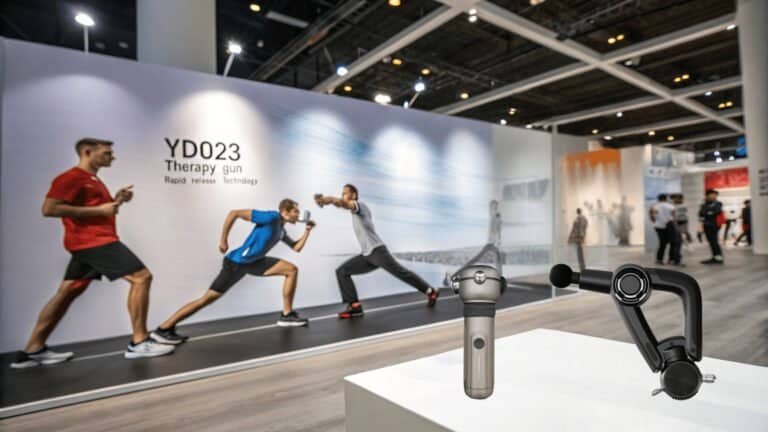
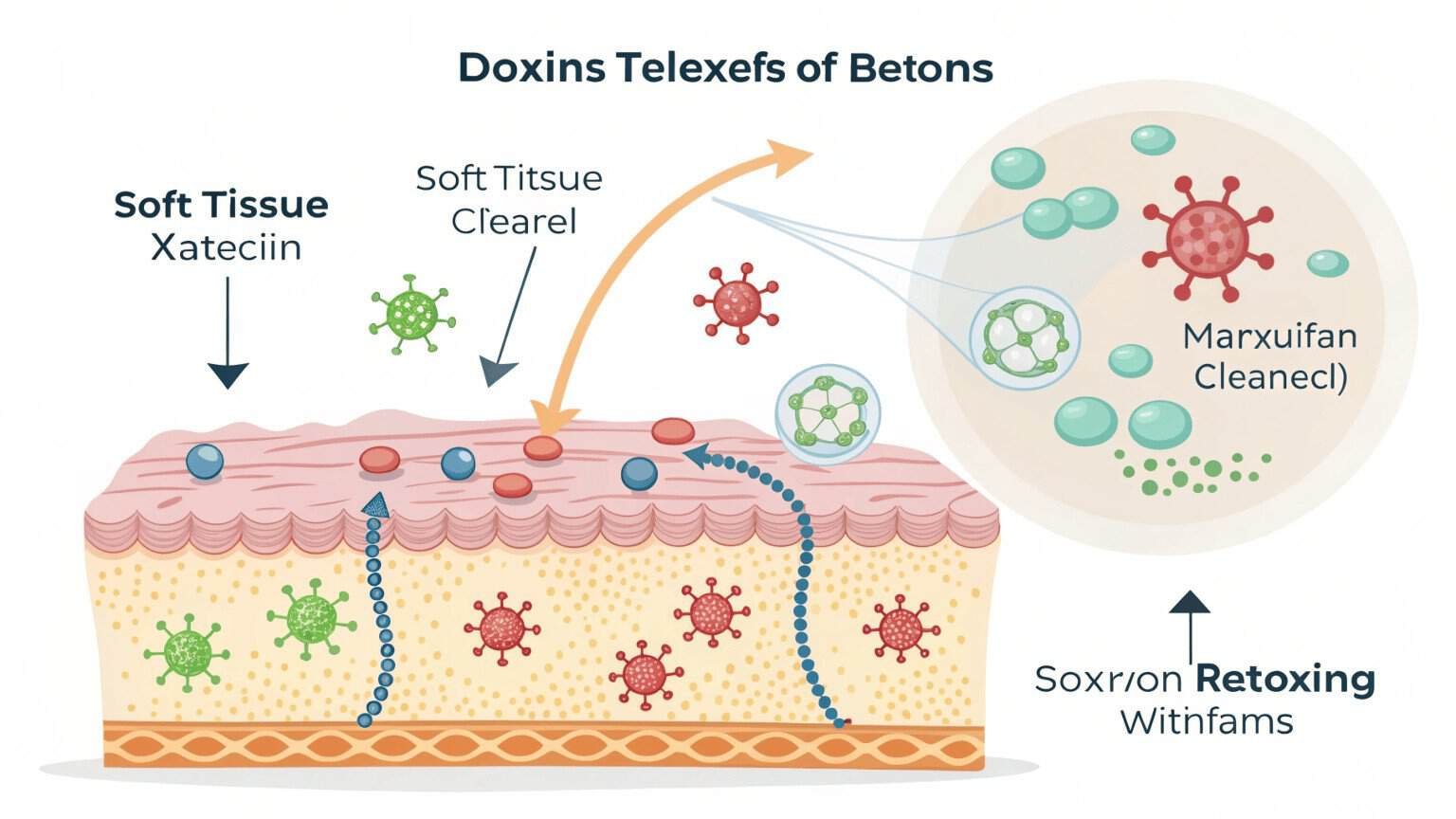
Muscle pain and stiffness can slow you down. Physical therapy offers solutions, but traditional methods often fall short. Modern vibration therapy redefines recovery with science-backed efficiency.
High-frequency vibration therapy1 (4500-7000 RPM with 3D motion) activates deep muscles without effort, removes lactic acid 180% faster than manual methods, and turns passive treatment into active healing for time-conscious users.
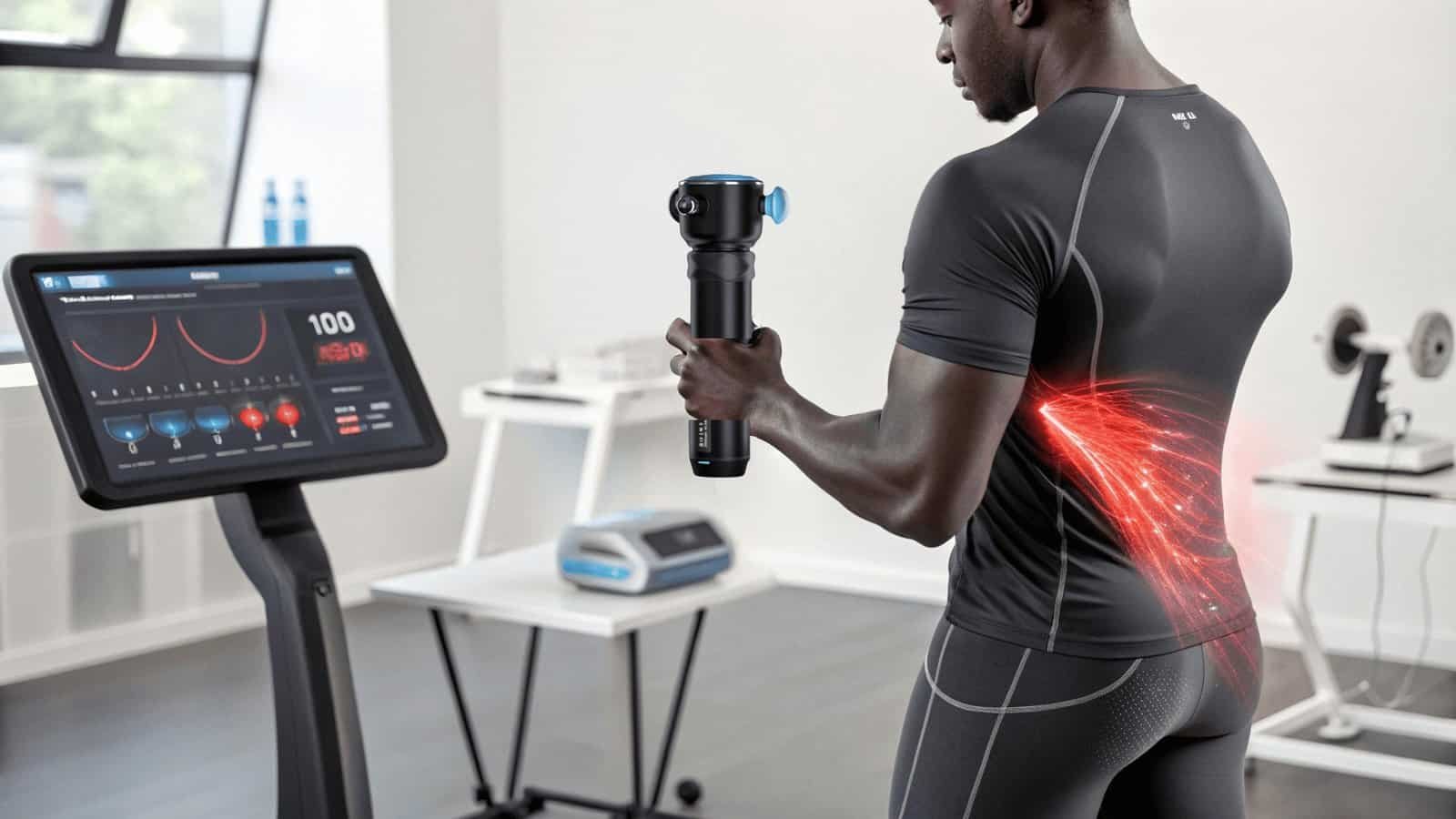
Traditional rehab takes too long and depends on patient effort. I’ve seen clients struggle through painful sessions with limited results. Now, targeted vibration technology solves these problems through neurological responses that work even when you can’t.
What is the most common need for physical therapy?
Muscle recovery challenges frustrate athletes and office workers alike. Wasted time on ineffective methods costs both performance and money.
The universal need is faster muscle repair – our 3D vibration technology2 triggers involuntary muscle contractions through reflexive responses, delivering 180% better lactic acid clearance than massage while requiring zero patient effort.

The breakthrough lies in how vibration therapy bypasses traditional limitations:
-
The Science Behind It
- Strong vibration reflex (TVR)3 activates muscle fibers automatically
- 4500-7000 RPM creates metabolic acceleration
- 3D movement covers more tissue area than manual techniques
-
Why It Works Better Traditional Methods Vibration Therapy Requires patient effort Works passively 60-min sessions 15-min effective treatments Surface-level relief Deep tissue activation -
Real-World Impact
- Office workers recover from stiffness during lunch breaks
- Athletes reduce downtime between training sessions
- Seniors regain mobility without exhausting workouts
What is a red flag in physical therapy?
Pain shouldn’t be the price of progress. Many quit therapy when discomfort outweighs benefits – a red flag signaling outdated techniques.
Pain during treatment4 indicates improper force application – our 2-3.5mm amplitude vibrations bypass pain receptors while reaching deep tissues, enabling continuous therapy without discomfort through nerve signal interference.
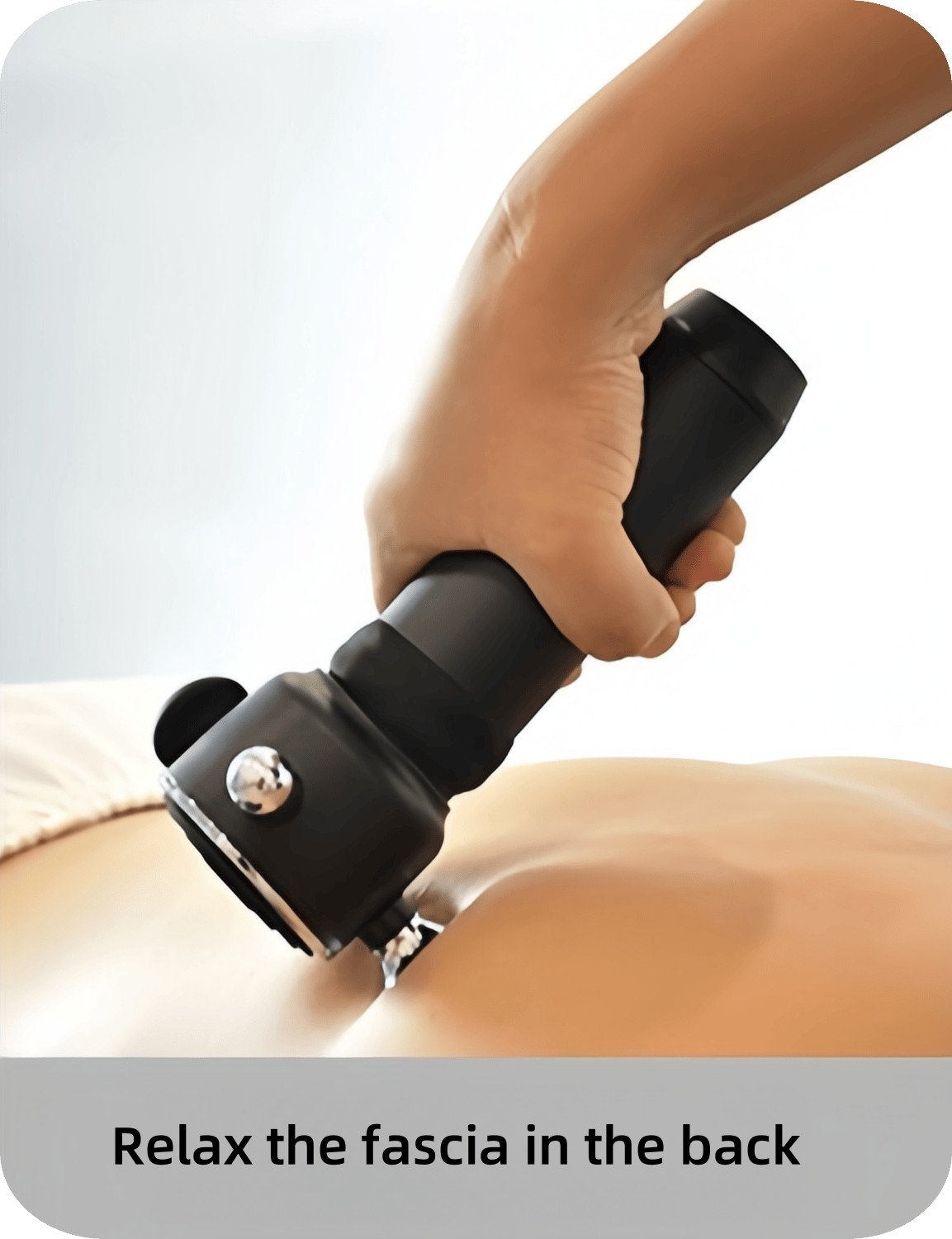
The solution combines precision engineering with neurology:
-
The Pain Problem
- High-amplitude pressure triggers protective pain responses
- Traditional deep tissue work becomes counterproductive
- Patients abandon therapy prematurely
-
Vibration Advantage
- Narrow 2-3.5mm movements avoid sensitive areas
- Frequency overcomes pressure limitations
- Gate Control Theory5 blocks pain signals naturally
-
Treatment Expansion
- Chronic pain patients finally tolerate therapy
- Post-surgical rehab becomes manageable
- Daily maintenance prevents future injuries
What disease needs therapy?
Fascia disorders6 cause invisible suffering. Most musculoskeletal issues originate in this connective network, not muscles – a fact traditional therapy often misses.
Fascial adhesions require targeted treatment – our 3D vibration breaks bonds 160% more effectively than manual therapy while re-educating movement patterns through proprioceptive stimulation.
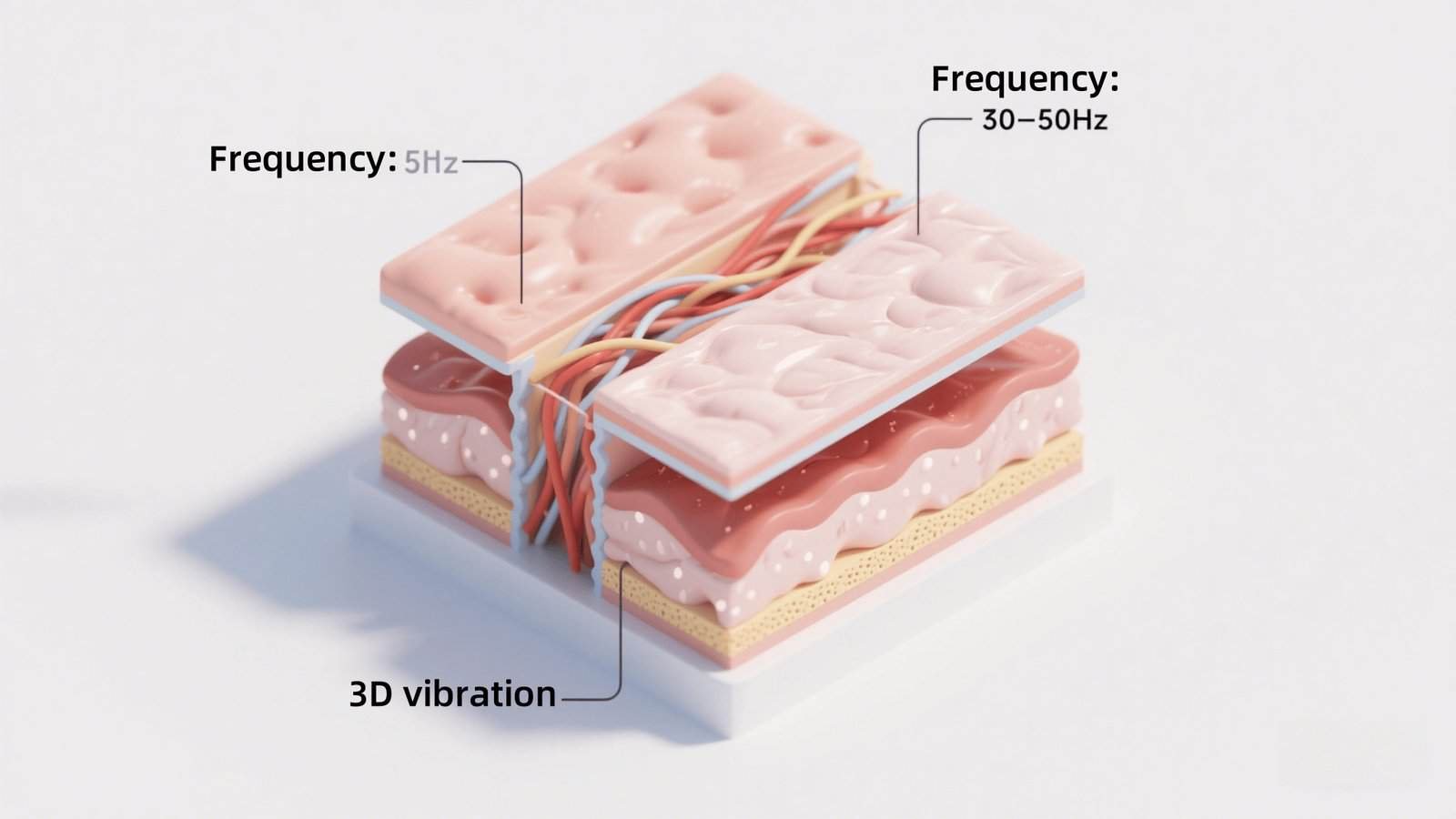
The fascia revolution changes everything:
-
Hidden Cause
- Fascia connects all muscle groups
- Adhesions create compensatory movements
- Leads to chronic pain without injury
-
Technology Solution
- Multi-directional vibrations dissolve cross-links
- Reaches 6-8mm depth for full coverage
- Restores natural sliding movement
-
Life Impact
- Eliminates "mystery" aches
- Corrects posture problems at source
- Prevents repetitive stress injuries
Conclusion
Modern vibration therapy solves eight key conditions – from muscle recovery to fascial adhesions – through science-driven, pain-free technology that
-
Explore the advantages of high-frequency vibration therapy for muscle recovery and pain relief. ↩
-
Discover the innovative 3D vibration technology and its benefits for muscle recovery. ↩
-
Discover how the strong vibration reflex (TVR) enhances muscle activation and recovery. ↩
-
Understand the implications of pain during therapy and how to address it for better outcomes. ↩
-
Learn about the Gate Control Theory and its role in managing pain during therapy. ↩
-
Gain insights into fascia disorders and their impact on overall physical health and therapy. ↩