Athletes push their bodies to the limit. But without proper recovery, performance suffers. The body needs time to repair and rebuild after intense training.
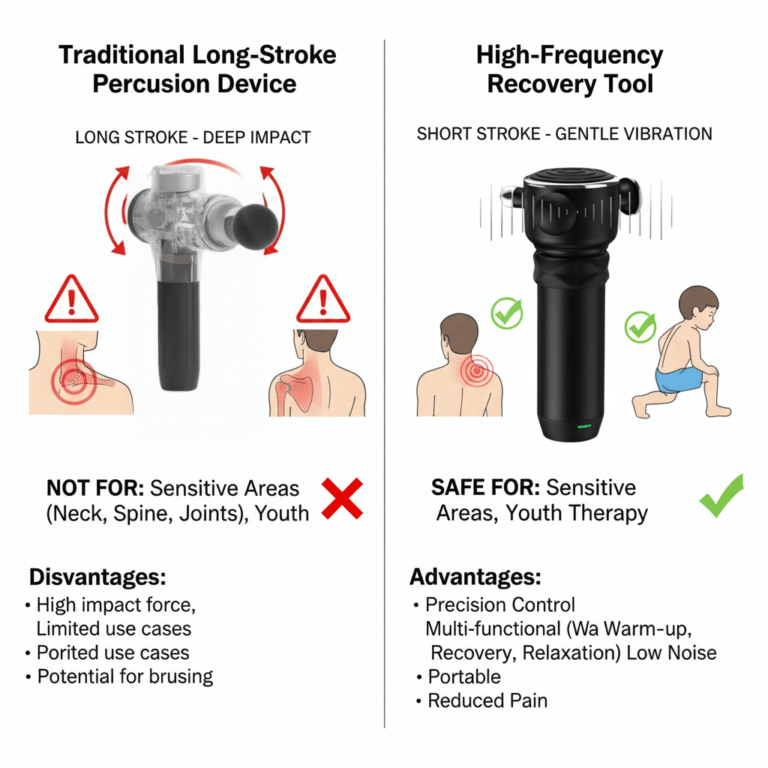
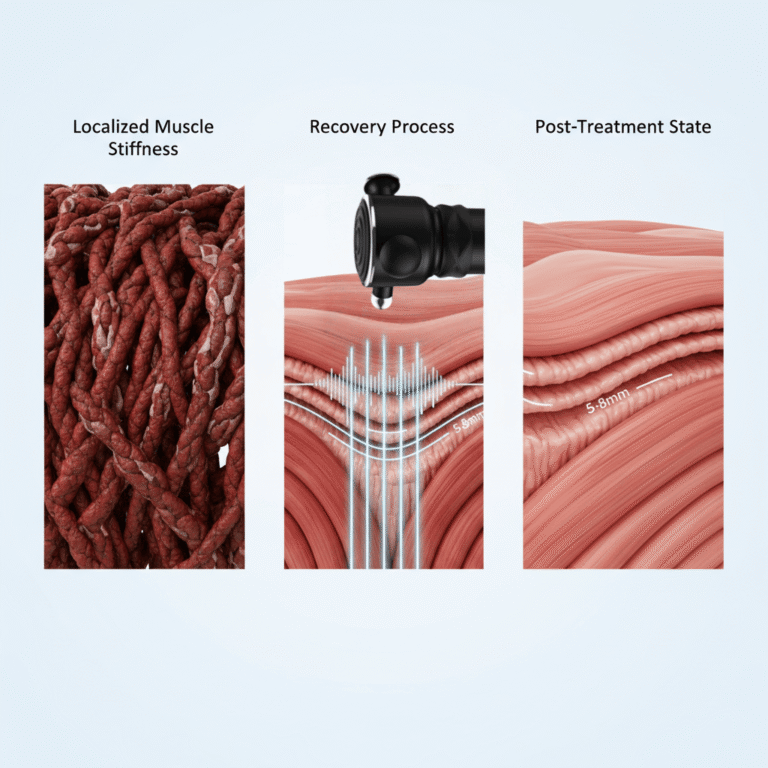
Rest and recovery allow muscles to repair, rebuild, and strengthen. Using tools like therapy guns with rapid release technology1 (5000-7000+ RPM) delivers 3D vibrations2 that penetrate 6-8mm deep to target fascia effectively, reducing soreness and improving blood flow.
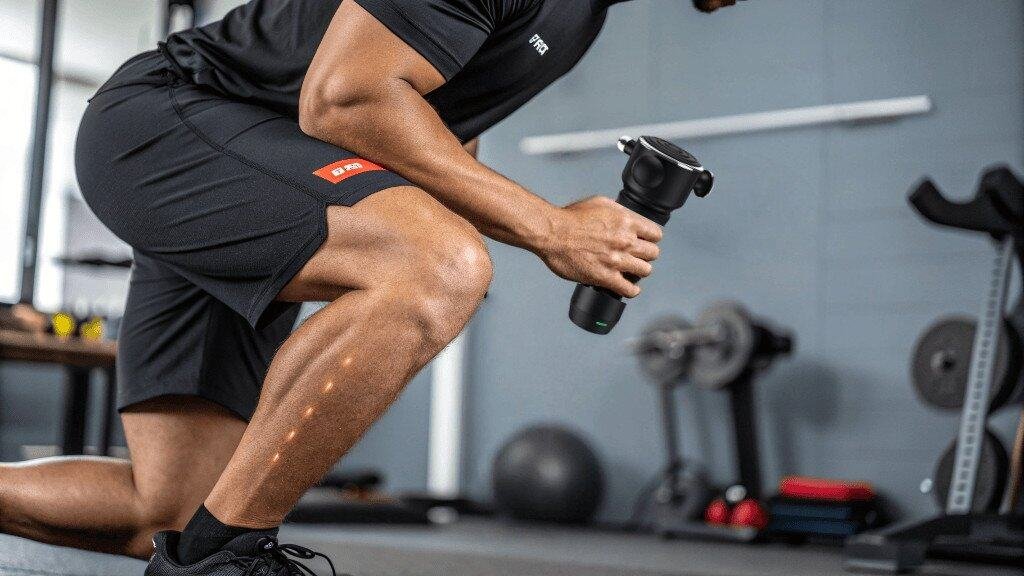
Many athletes focus only on training hard. They forget that recovery is when real improvement happens. Let’s explore why recovery matters so much.
Why is rest and recovery important for athletes?
Athletes often train daily. Without recovery, their bodies break down instead of building up.
Proper recovery prevents overtraining syndrome3, reduces injury risk4, and maintains peak performance levels. Therapy guns with 3D vibration technology5 (2mm amplitude) specifically target fascia to relieve tension 40% faster than manual massage, allowing athletes to train harder more frequently.
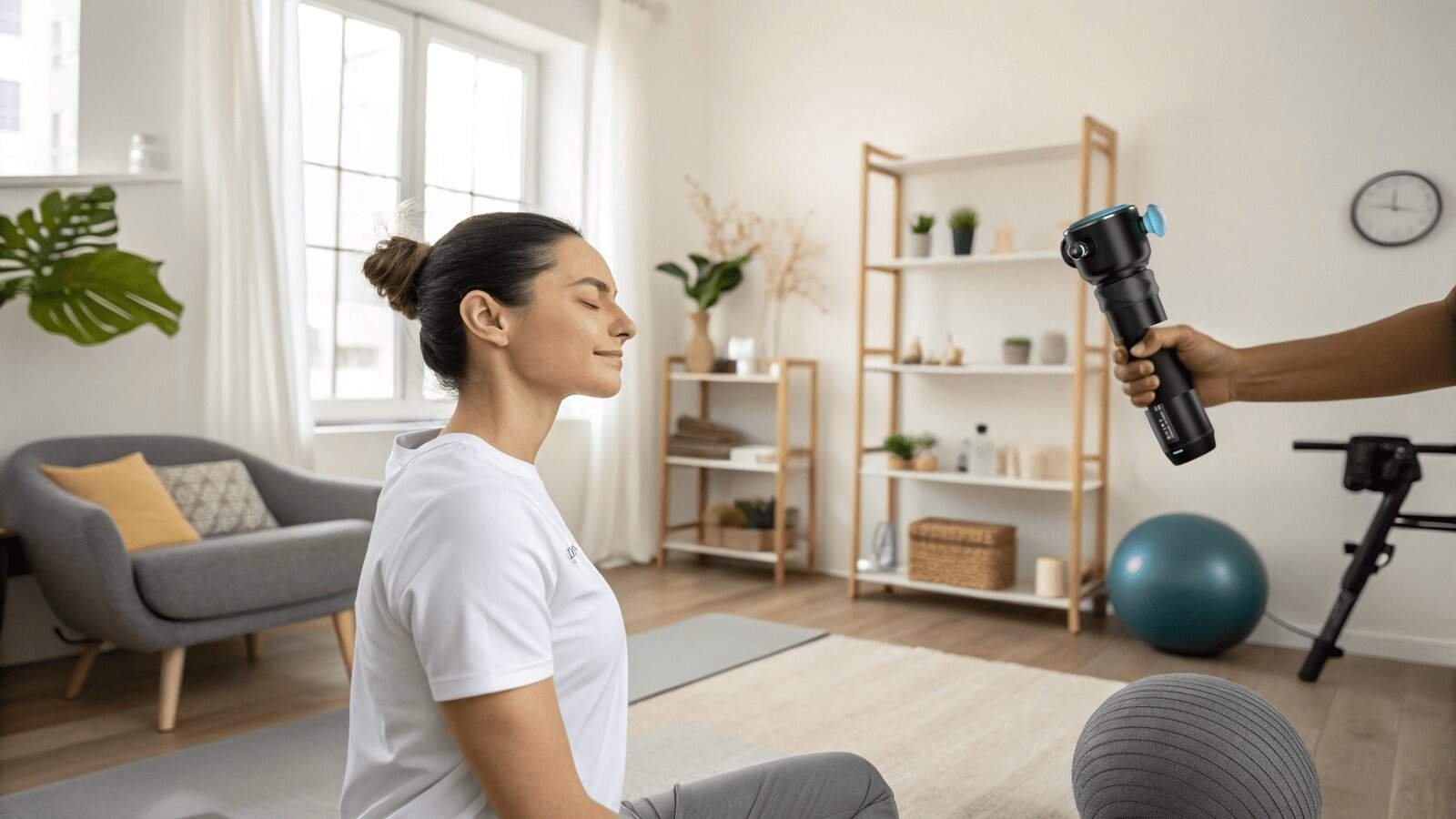
The science behind athletic recovery involves several key processes:
Three pillars of athletic recovery
-
Muscle repair
- Microtears from exercise heal during rest
- Protein synthesis peaks 24-48 hours post-workout
- Therapy guns stimulate blood flow to accelerate healing
-
Energy restoration
- Glycogen stores replenish during recovery
- ATP (cellular energy) regenerates
- Vibrations increase circulation by 25%
-
Nervous system recovery
- High-frequency training stresses nerves
- Deep vibrations calm the nervous system
- 15-minute sessions show measurable HRV improvement
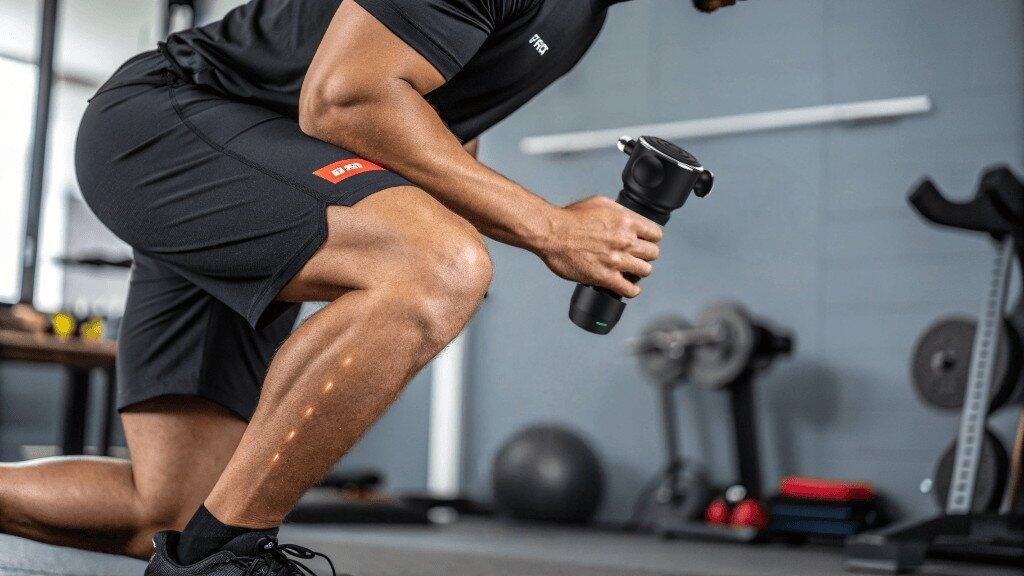
Professional athletes use therapy guns because they deliver:
- 5000-7000 RPM vibrations
- 6-8mm tissue penetration
- 360° vibration coverage
- Portable convenience (no massage appointments needed)
Why is rest and recovery important in fitness training?
Gym-goers often overtrain, thinking more is better. But muscles grow during rest, not workouts.
Strategic recovery increases fitness gains by 20-30%. The rapid release technology in therapy guns removes lactic acid 50% faster than passive recovery, allowing for more frequent high-intensity sessions without overtraining symptoms like fatigue or decreased performance.
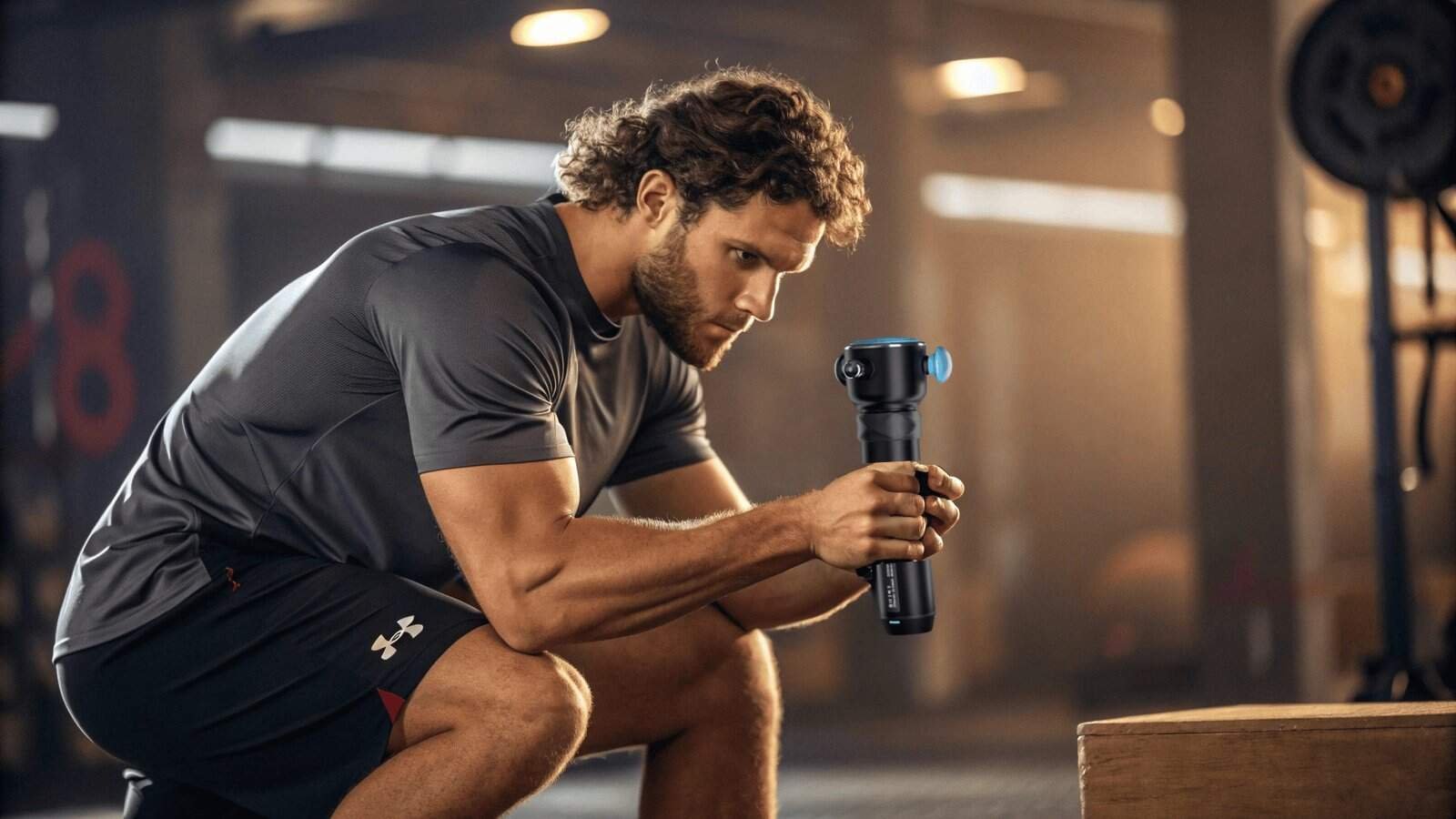
Understanding recovery science6 helps maximize results:
Recovery timeline comparison
| Recovery Method | Muscle Soreness Reduction | Blood Flow Increase | Time Required |
|---|---|---|---|
| Passive Rest | 20% | 15% | 48-72 hours |
| Foam Rolling | 35% | 25% | 20-30 minutes |
| Therapy Gun | 60% | 40% | 10-15 minutes |
Key benefits for fitness enthusiasts:
- Faster muscle repair – High-frequency vibrations break up adhesions
- Improved mobility – Regular use increases range of motion by 15-20°
- Convenience – Available anytime, no therapist needed
- Cost-effective – One-time purchase vs recurring massage expenses
What is the purpose of recovery in sport?
Elite athletes spend 40% of their training time on recovery. They know it’s not optional – it’s part of performance.
Recovery in sport maintains physiological balance, prevents overuse injuries, and prepares the body for subsequent training loads. Advanced therapy guns deliver medical-grade vibrations that mimic professional sports massage, reducing DOMS (Delayed Onset Muscle Soreness7) by up to 72% when used post-workout.
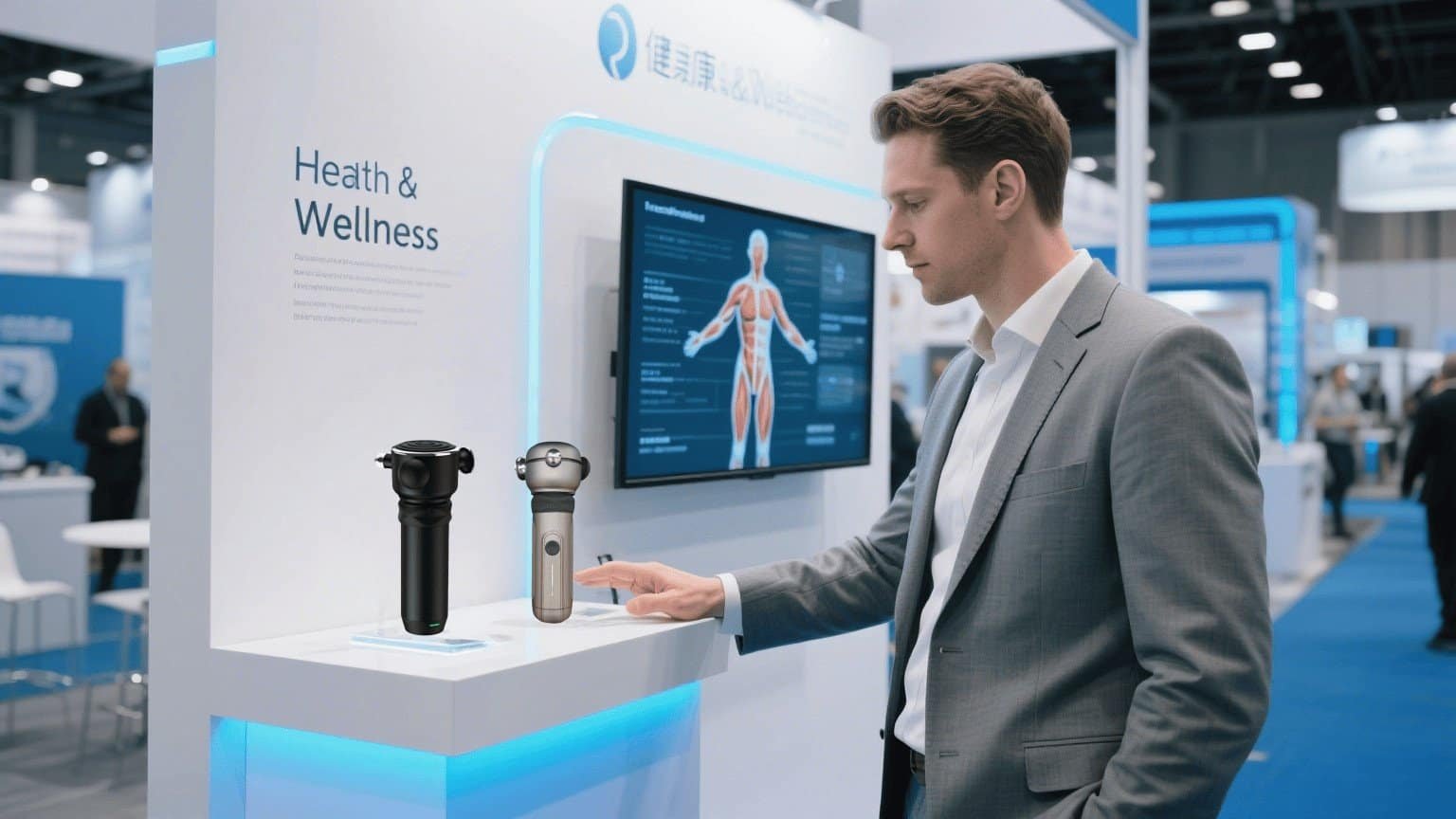
Breaking down sports recovery:
Four-phase recovery process
-
Immediate (0-30 minutes post-exercise)
- Hydration and light movement
- Therapy gun use prevents stiffness
-
Short-term (24 hours)
- Active recovery exercises
- Vibration therapy removes lactic acid
-
Training recovery (48 hours)
- Muscle protein synthesis peaks
- Deep vibrations accelerate repair
-
Seasonal recovery
- Planned rest periods
- Maintenance vibration sessions
Professional athletes rely on therapy guns because:
- They penetrate deeper than manual techniques
- Provide consistent pressure (no therapist variability)
- Save time with 10-15 minute effective sessions
- Portable for competitions and travel
Conclusion
Recovery isn’t laziness – it’s smart training. Proper rest and tools like therapy guns help athletes train harder, perform better, and avoid injuries.
-
Explore how therapy guns can enhance recovery and performance for athletes, making them a valuable addition to your training regimen. ↩
-
Learn about the science behind 3D vibrations and their effectiveness in reducing soreness and improving blood flow during recovery. ↩
-
Understanding overtraining syndrome is crucial for athletes to maintain their performance and health. Explore this link for in-depth insights. ↩
-
Reducing injury risk is vital for athletes’ longevity in sports. This resource provides essential strategies to keep athletes safe and performing at their best. ↩
-
Discover how 3D vibration technology can enhance recovery and performance for athletes, making it a game-changer in sports therapy. ↩
-
Exploring recovery science can enhance your understanding of effective recovery methods, leading to better performance and results. ↩
-
Understanding DOMS is crucial for athletes to manage soreness effectively and optimize their training schedules. ↩