Fascia release1 is changing the game in sports recovery, but traditional tools fall short. Professionals need better solutions to meet modern demands.
Shear-based vibration2 is the next big thing in self myofascial release3 (SMR), offering consistency, safety, and scalability for professional settings. Unlike older tools, it combines compression and shear forces4 to mimic manual therapy.
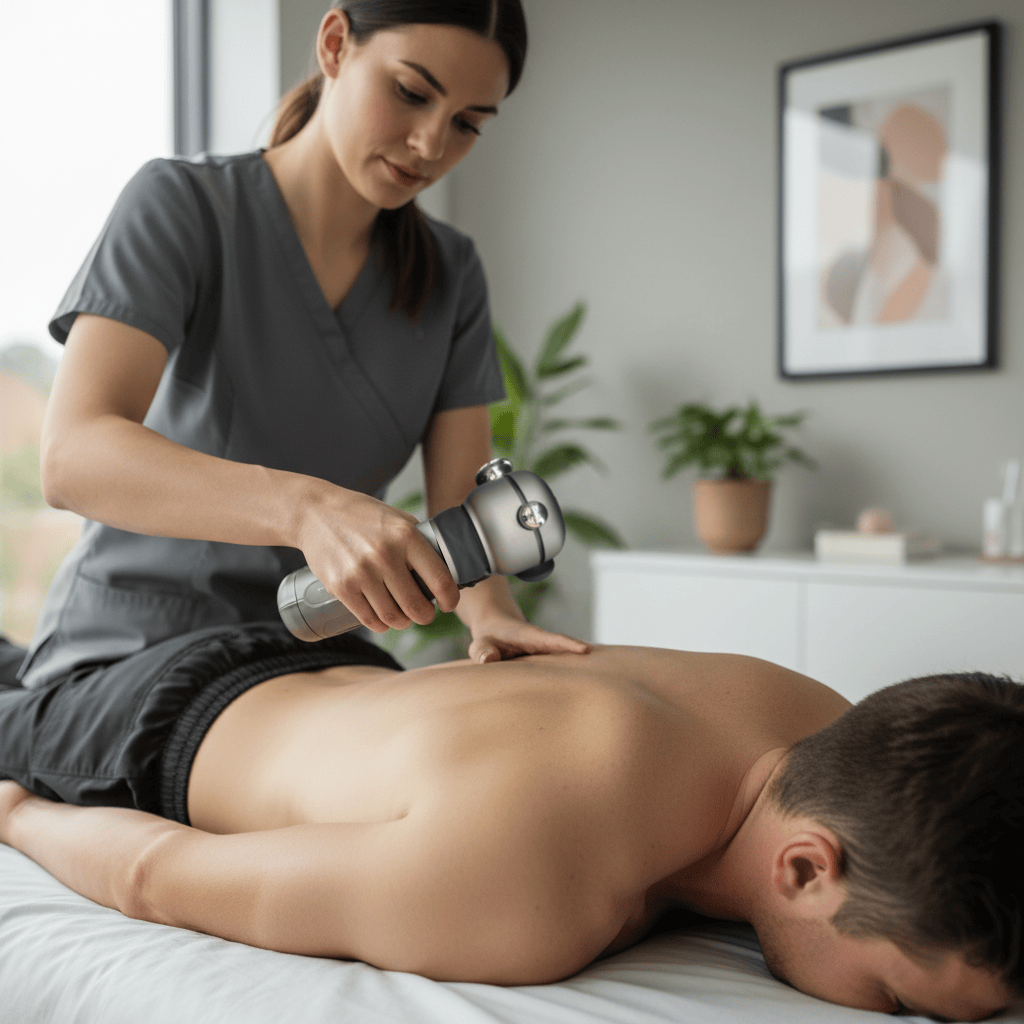
The world of sports recovery is evolving, and fascia release is at the forefront. Let’s explore why shear-based vibration is the future.
What Is Fascia Release and Self Myofascial Release?
Fascia release1 is more than just a buzzword—it’s a science-backed technique for improving mobility and reducing pain. But what exactly does it involve?
Fascia release1 targets the connective tissue5 network surrounding muscles and organs, while SMR allows individuals to apply controlled stimulation without a therapist. For professionals, it must be consistent, safe, and easy to integrate.
The Science Behind Fascia Release
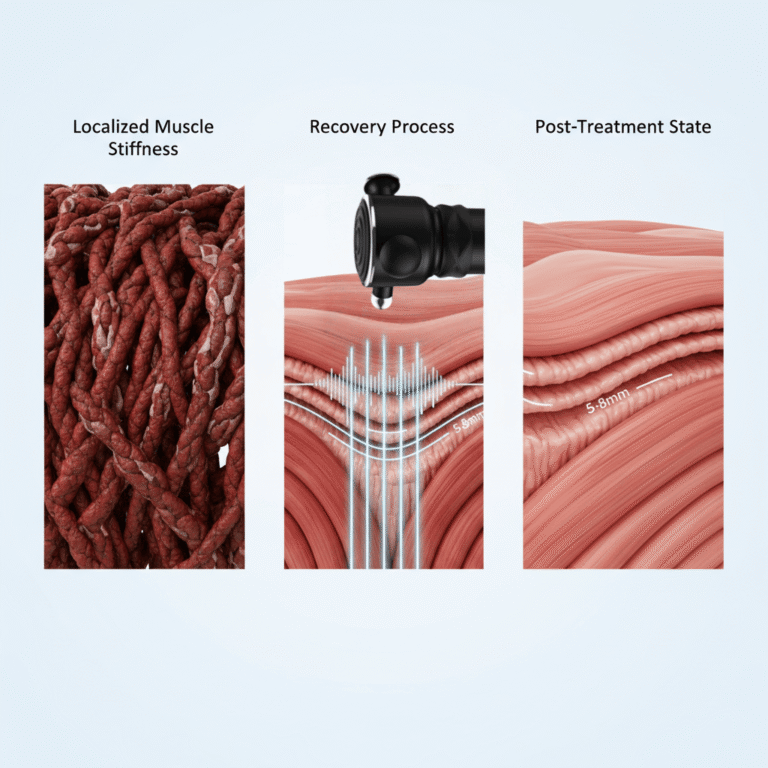
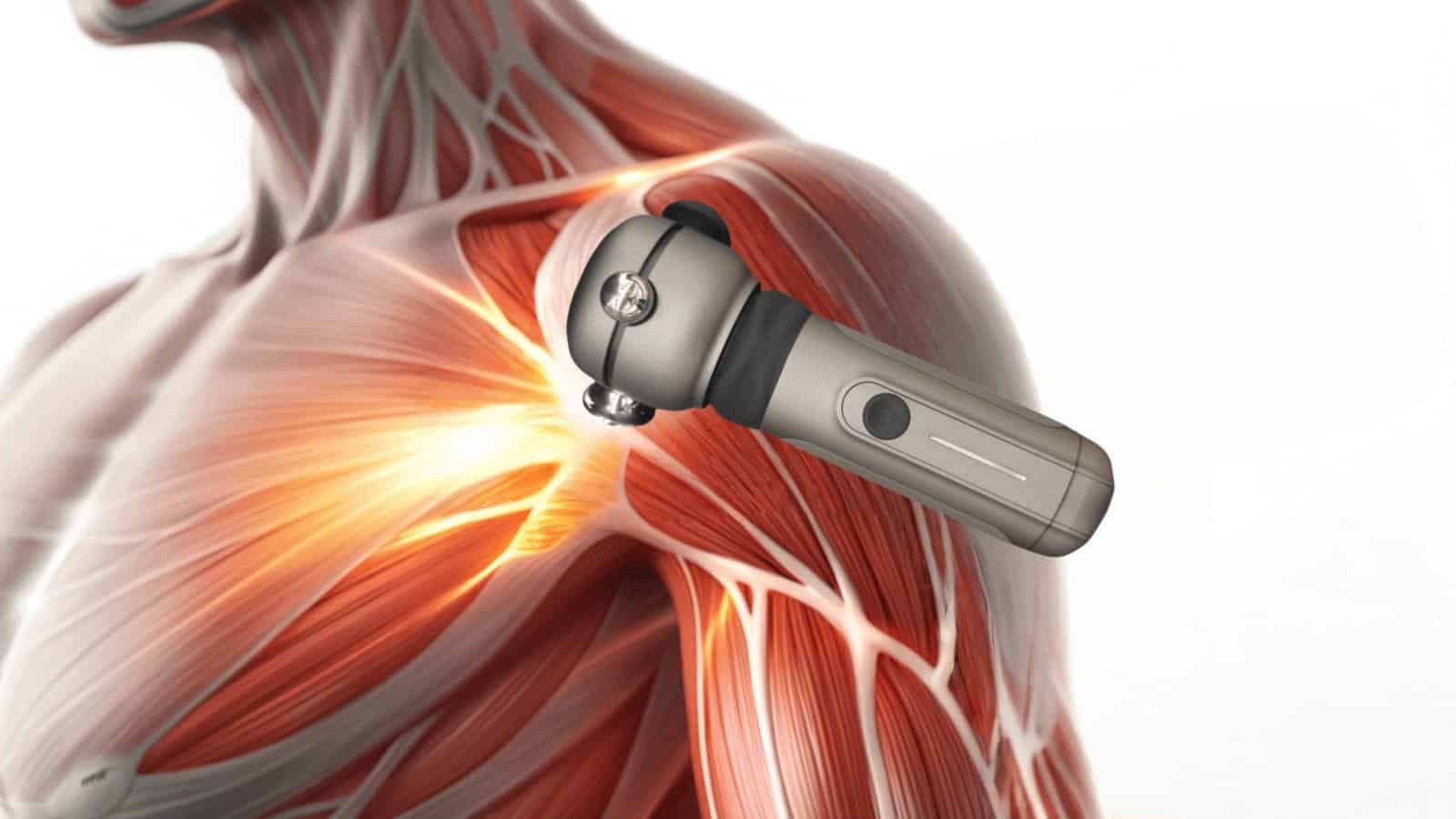
Fascia is a continuous web of connective tissue5 that plays a crucial role in movement and recovery. When it becomes restricted, it can lead to pain and reduced mobility. Here’s how SMR helps:
- Reduces restrictions: Breaks up adhesions in the fascia.
- Improves glide: Enhances the sliding motion between tissue layers.
- Promotes hydration: Encourages fluid movement within the fascial system.
Why Professionals Need Better Tools
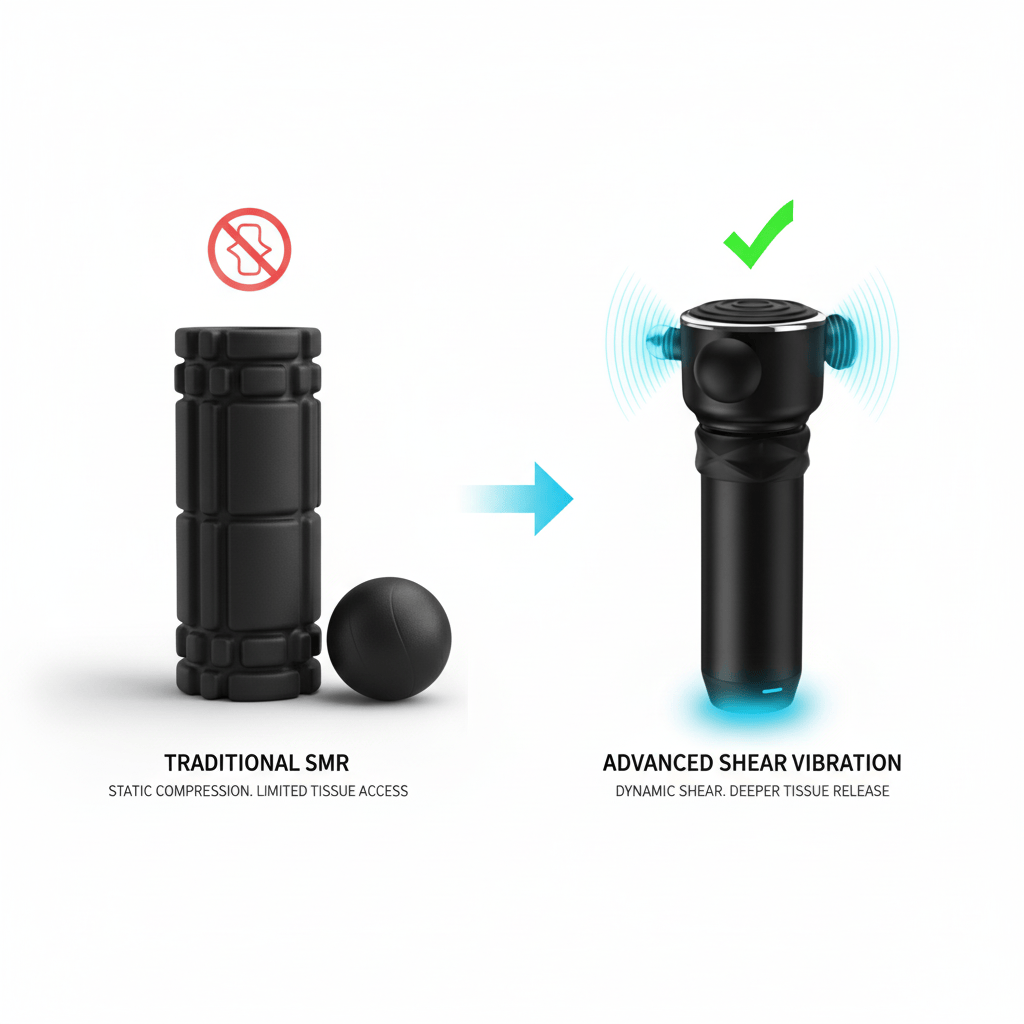
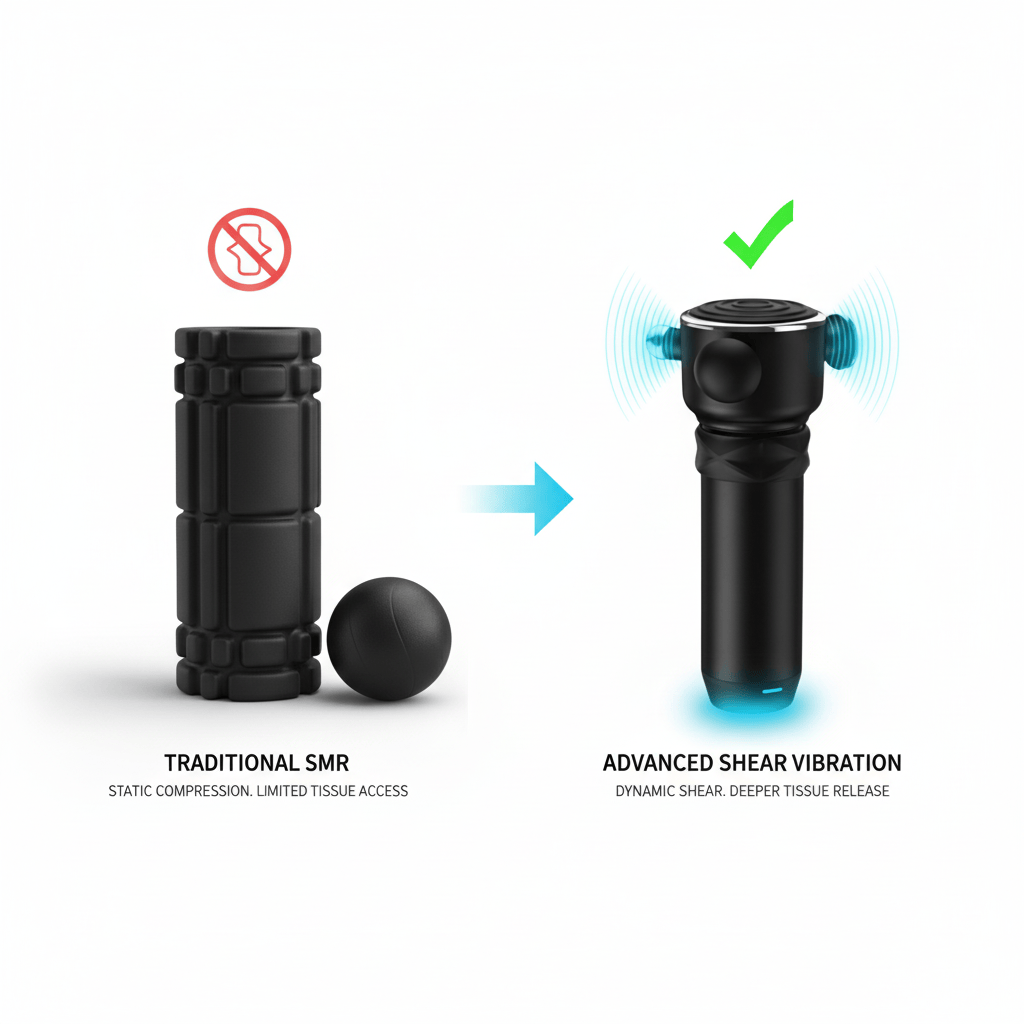
Traditional SMR tools like foam rollers and massage balls have limitations:
- Inconsistent pressure: Hard to standardize across users.
- Technique-dependent: Effectiveness varies with user skill.
- Limited depth: Struggles to address deeper fascial layers.
Why Traditional SMR Tools Are Reaching Their Limits?
Old-school tools are falling behind as professionals demand more precision and efficiency. What’s holding them back?
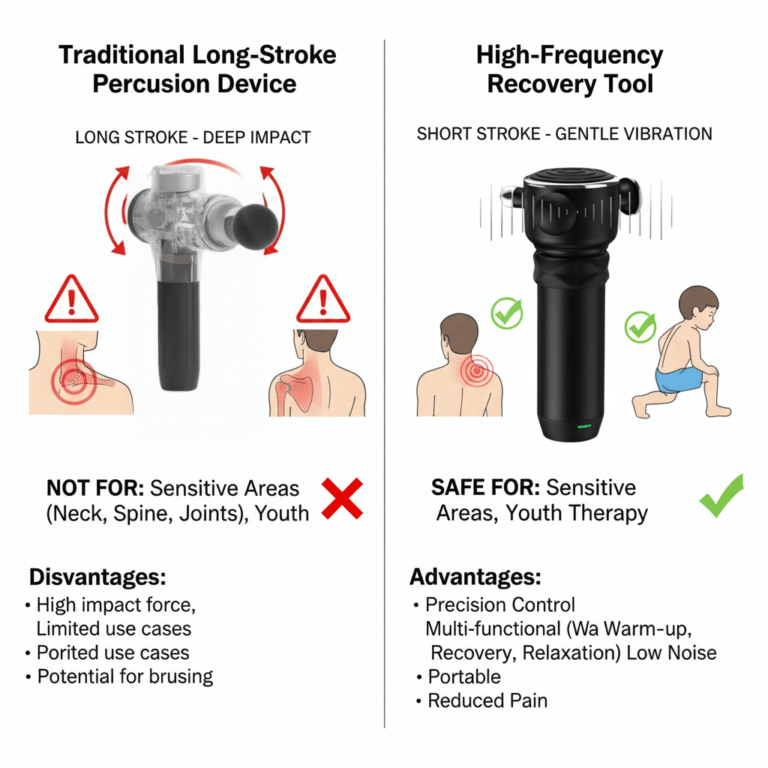
Traditional SMR tools lack the ability to deliver consistent, multidirectional force6, which is critical for effective fascia release. Percussion devices, for example, focus too much on vertical impact.
The Problem with Foam Rollers and Massage Balls
- Pressure control: Difficult to maintain consistent force.
- User dependency: Results vary based on technique.
- Shallow impact: Limited to superficial layers.
The Shortcomings of Percussion Devices
- Vertical focus: Ignores the multidirectional nature of fascia.
- Muscle-centric: Designed for muscle tissue, not fascia.
- Lack of shear force: Misses the horizontal component needed for fascial release.
Understanding Fascia Mechanics: Compression vs Shear Force?
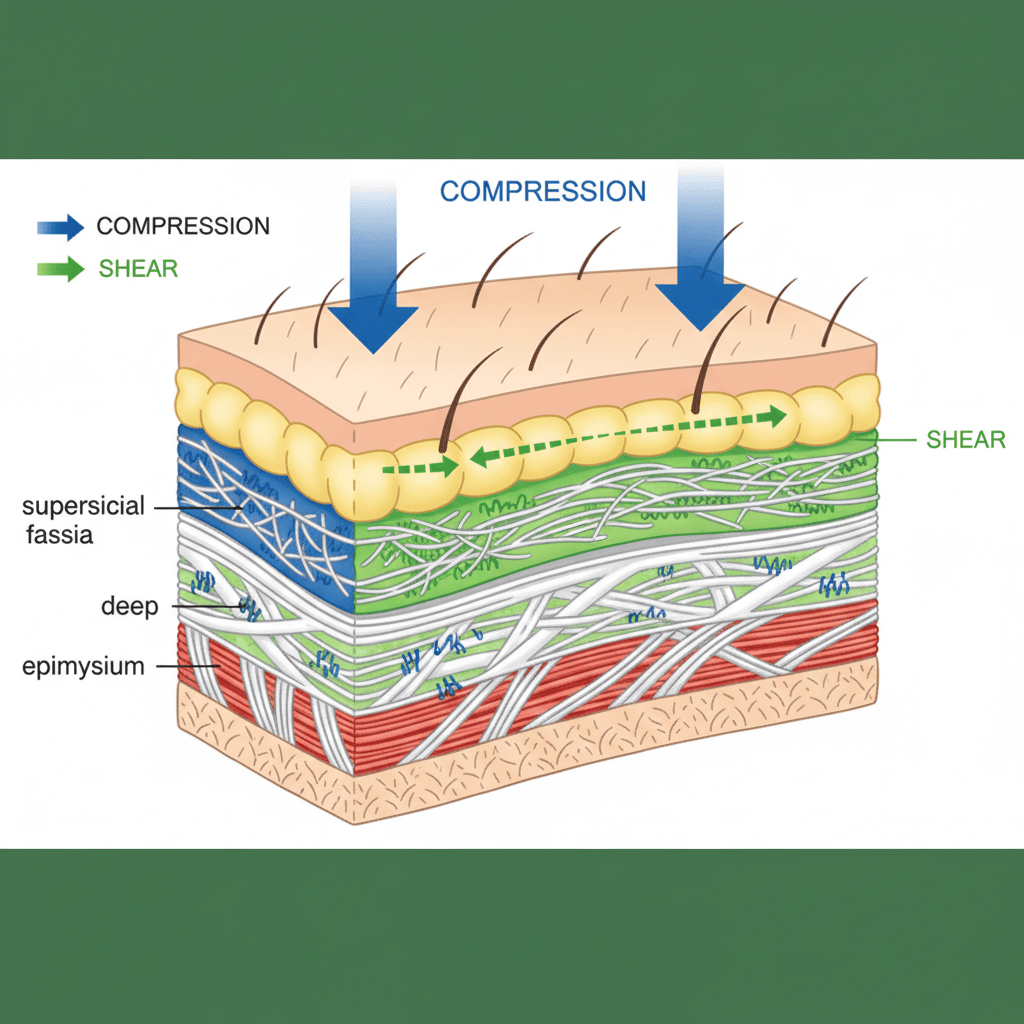
Fascia responds differently to force than muscles do. To unlock its full potential, we need to understand the role of compression and shear.
Compression stimulates deeper tissues, while shear force promotes sliding between fascial layers. Manual therapists combine both, but tools have struggled to replicate this.
The Role of Compression
- Deep stimulation: Targets underlying tissues.
- Neurological response: Triggers relaxation and pain relief.
- Vertical force: Works well for muscles but isn’t enough for fascia.
The Power of Shear Force
- Horizontal motion: Enhances fascial glide7.
- Hydration boost: Helps fluids move between layers.
- Combined approach: Works best when paired with compression.
The Gap in Tool Design
- Manual replication: Therapists naturally blend both forces.
- Tool limitations: Most devices focus on one type of force.
- Shear-based vibration2: Bridges this gap by combining forces effectively.
Conclusion
Shear-based vibration2 is revolutionizing fascia release, offering professionals a scalable, consistent, and effective alternative to outdated tools. The future of SMR is here.
-
Explore the science behind fascia release and its impact on mobility and pain reduction. ↩ ↩ ↩
-
Discover how shear-based vibration is transforming self myofascial release for better recovery outcomes. ↩ ↩ ↩
-
Learn about the advantages of self myofascial release and how it can enhance your recovery process. ↩
-
Delve into the mechanics of fascia and how different forces interact for effective treatment. ↩
-
Understand the importance of connective tissue and its influence on overall health and movement. ↩ ↩
-
Learn why multidirectional force is crucial for effective fascia release and recovery. ↩
-
Discover the significance of fascial glide in enhancing movement and reducing pain. ↩