When you see someone aggressively pounding their muscles with a massage gun, you might wonder if it’s actually safe. The rapid-fire percussion looks intense, and you’re right to be cautious.
Massage guns1 are generally safe when used correctly, but improper use can cause injury. Key safety rules2 include avoiding bony areas, joints, and injuries, keeping sessions under 15 minutes per muscle group, and using appropriate pressure and speed settings.
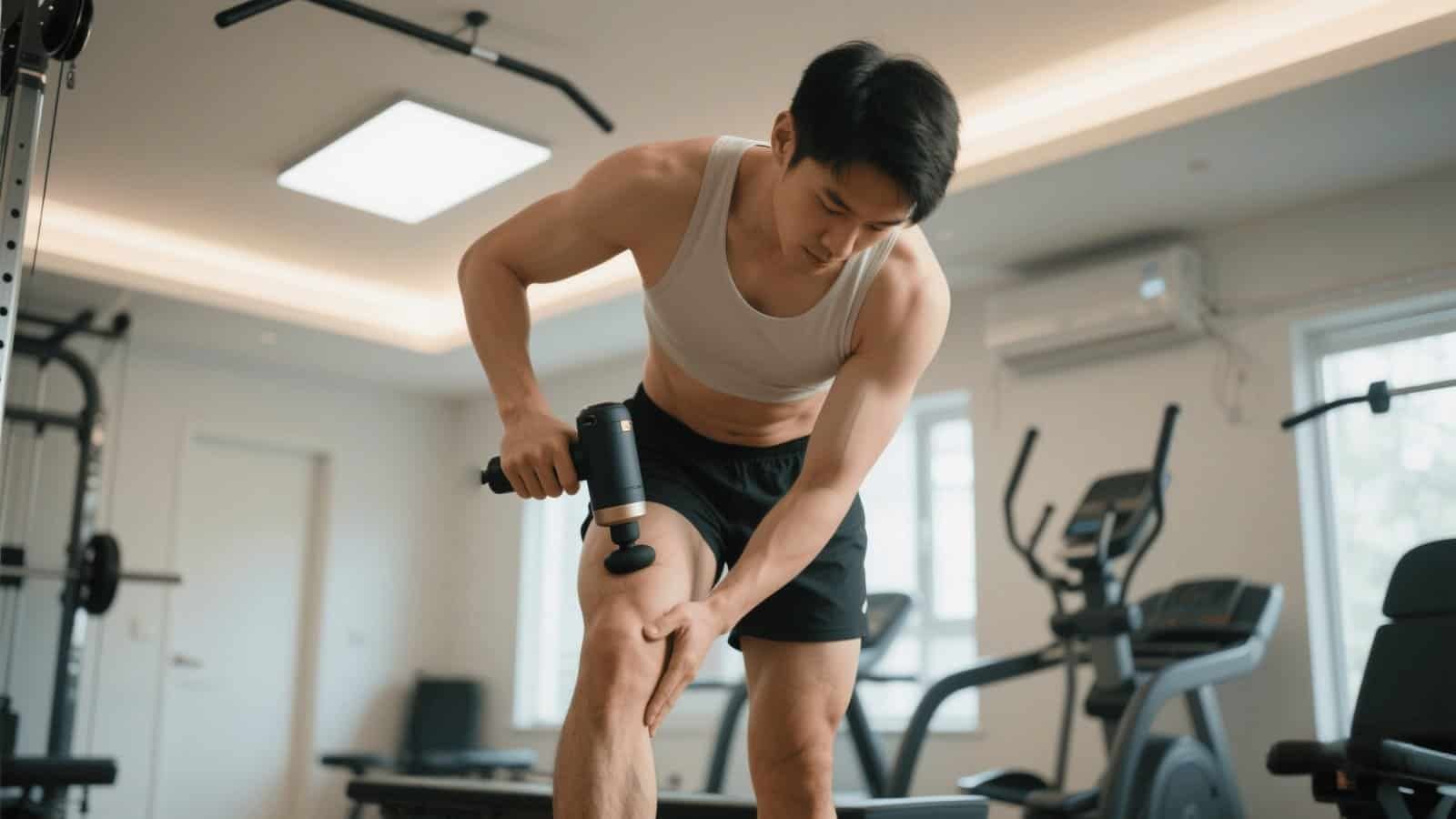
I’ve trained hundreds of clients on proper massage gun use, and I’ve seen both the benefits of correct usage and the problems that can arise from misuse. Let me share what you need to know to stay safe.
Where NOT to Use a Massage Gun (Risky Areas Explained)?
Through my experience, I’ve seen people make dangerous mistakes by using massage guns on sensitive areas3. Understanding which areas to avoid is crucial for safety.
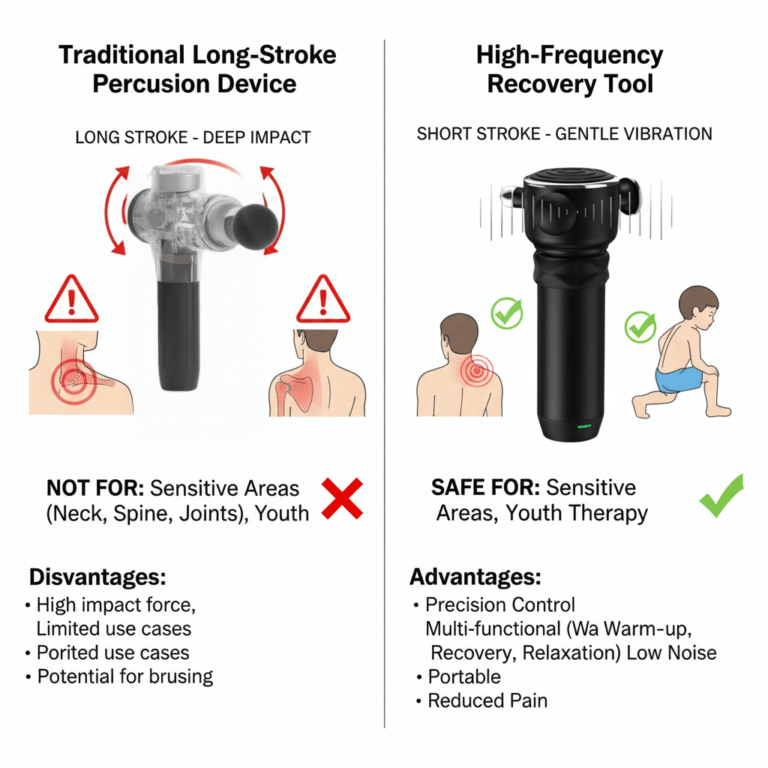
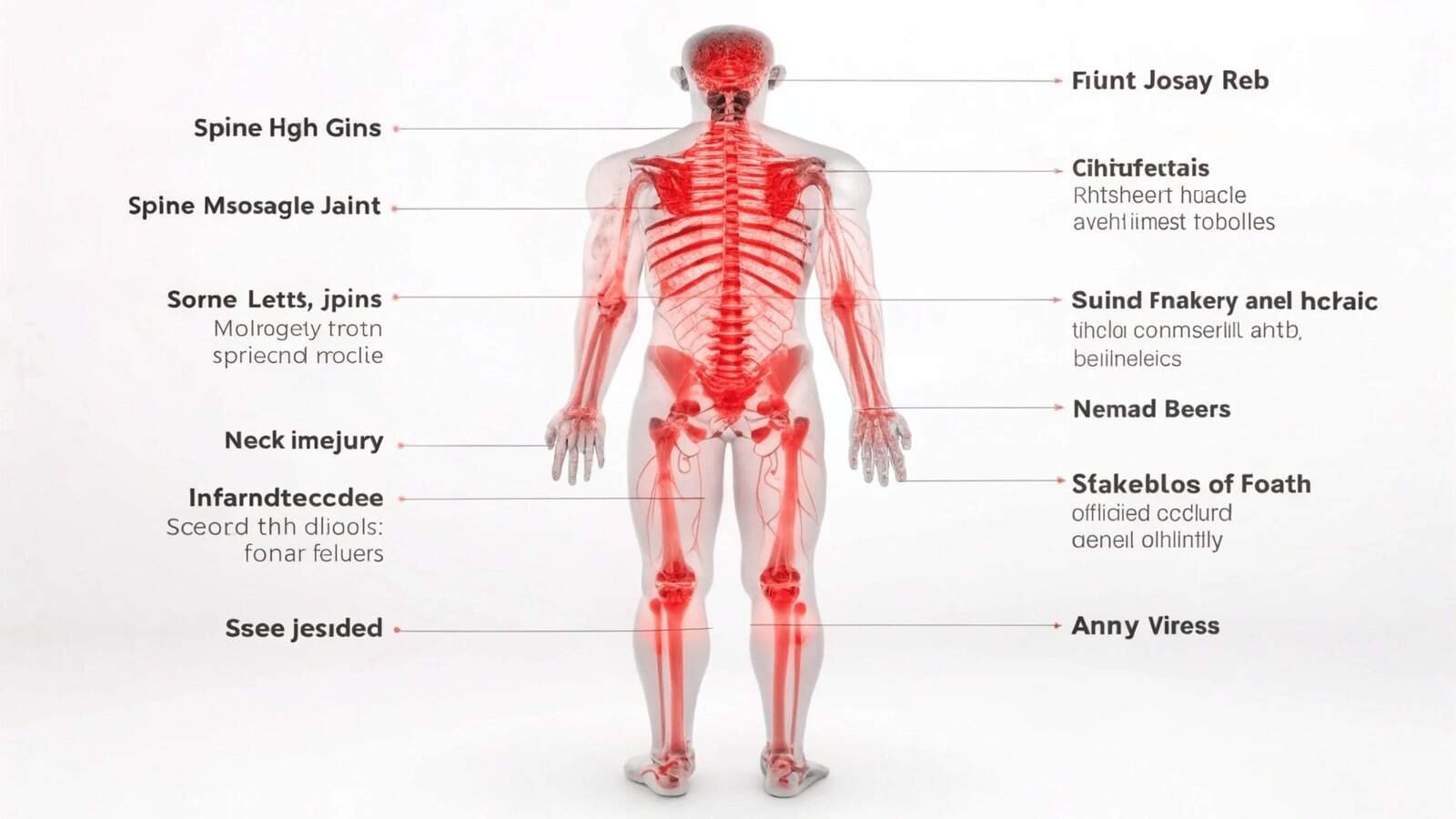
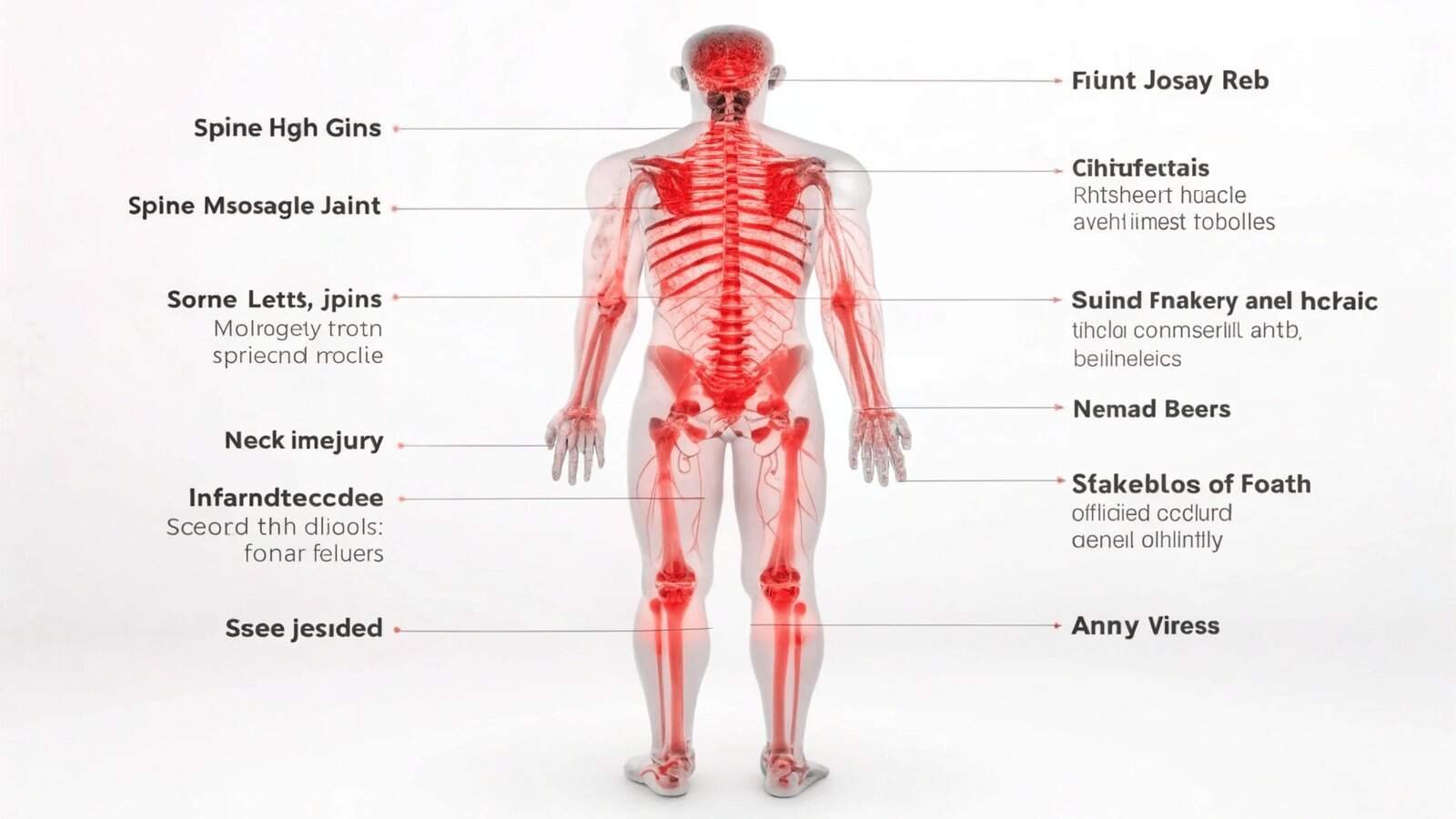
Never use a massage gun on bones, joints, nerves, or injured areas. These sensitive spots can be damaged by the intense percussion, leading to serious complications.
High-Risk Areas to Avoid
| Body Part | Risk Level | Why It’s Dangerous | Alternative Treatment |
|---|---|---|---|
| Spine/Bones4 | Very High | Can cause bone bruising | Manual massage |
| Joints | High | Risk of ligament damage | Gentle stretching |
| Throat/Neck | Extreme | Proximity to vital organs | Professional care only |
| Recent Injuries | High | Can worsen condition | RICE method |
| Varicose Veins | High | Risk of blood clots | Compression therapy5 |
Understanding these danger zones is essential for safe massage gun use. Even experienced users should exercise caution around these areas. I’ve developed a simple rule: if you can feel bone directly under the skin, that area is off-limits for massage gun use.
The Safest Massage Gun Settings (Beginners vs. Athletes)?
My experience with different client groups has shown that proper speed and pressure settings vary significantly based on experience level and fitness condition.
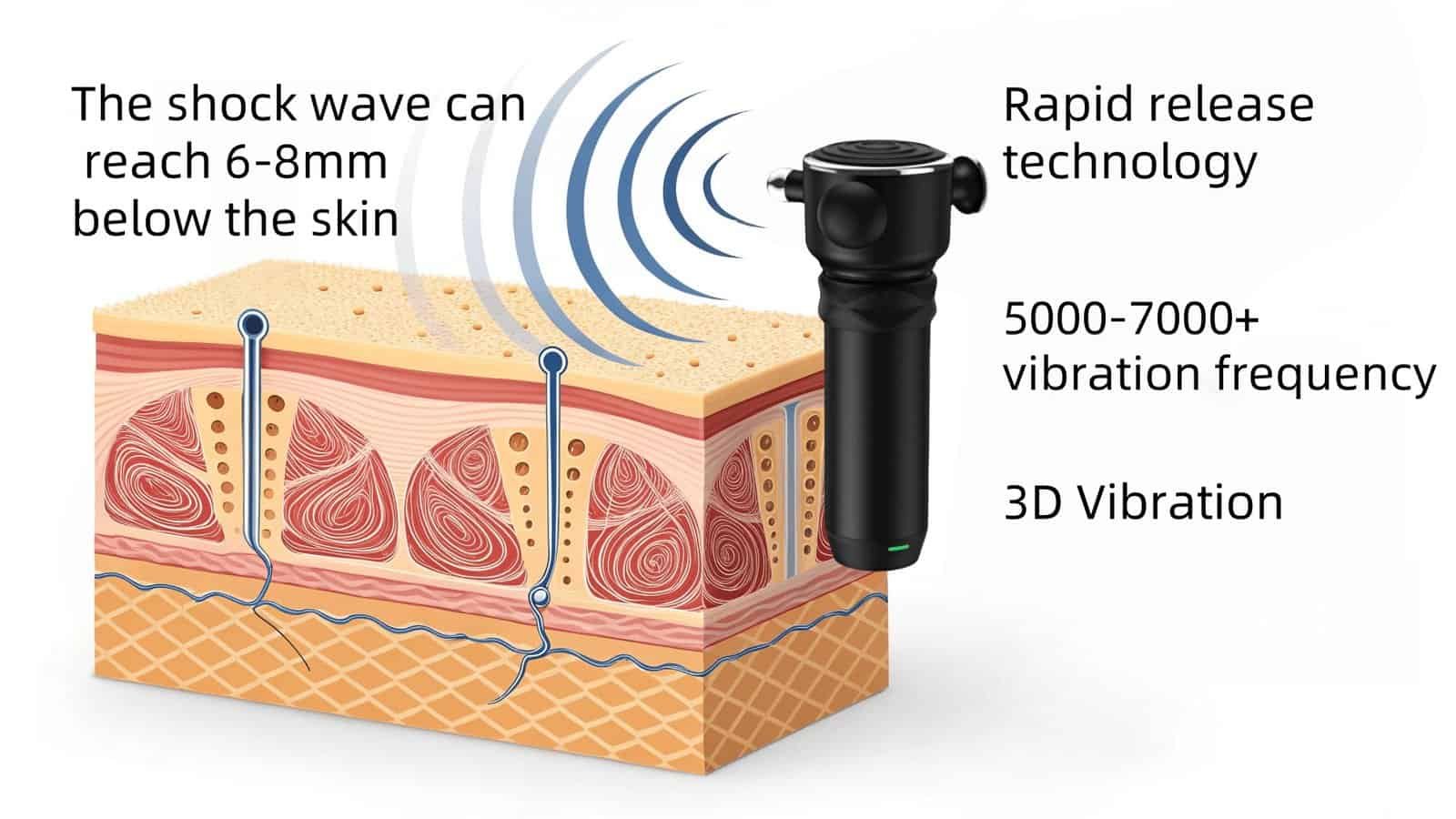
Beginners should start with lower speeds (1500-2000 RPM) and light pressure, while experienced athletes can handle higher settings (up to 3000 RPM) on major muscle groups.
Safe Settings Guide
| User Level | Speed Range | Duration | Pressure Level | Recommended Areas |
|---|---|---|---|---|
| Beginners | 1500-2000 RPM | 5-8 min | Light | Large muscle groups |
| Intermediate | 2000-2500 RPM | 8-10 min | Medium | Most muscle groups |
| Athletes | 2500-3000 RPM | 10-15 min | Medium-High | Target areas |
| Recovery | 1800-2200 RPM | 5-10 min | Light-Medium | Sore muscles |
The key to safe usage is progression. Start with lower settings and gradually increase as your body adapts. I always tell my clients that more isn’t necessarily better – effectiveness comes from proper technique6 rather than maximum power.
How to Use a Massage Gun Safely (Avoid These Mistakes)?
After years of observing common massage gun mistakes7, I’ve identified key errors that can lead to injury or reduced effectiveness.
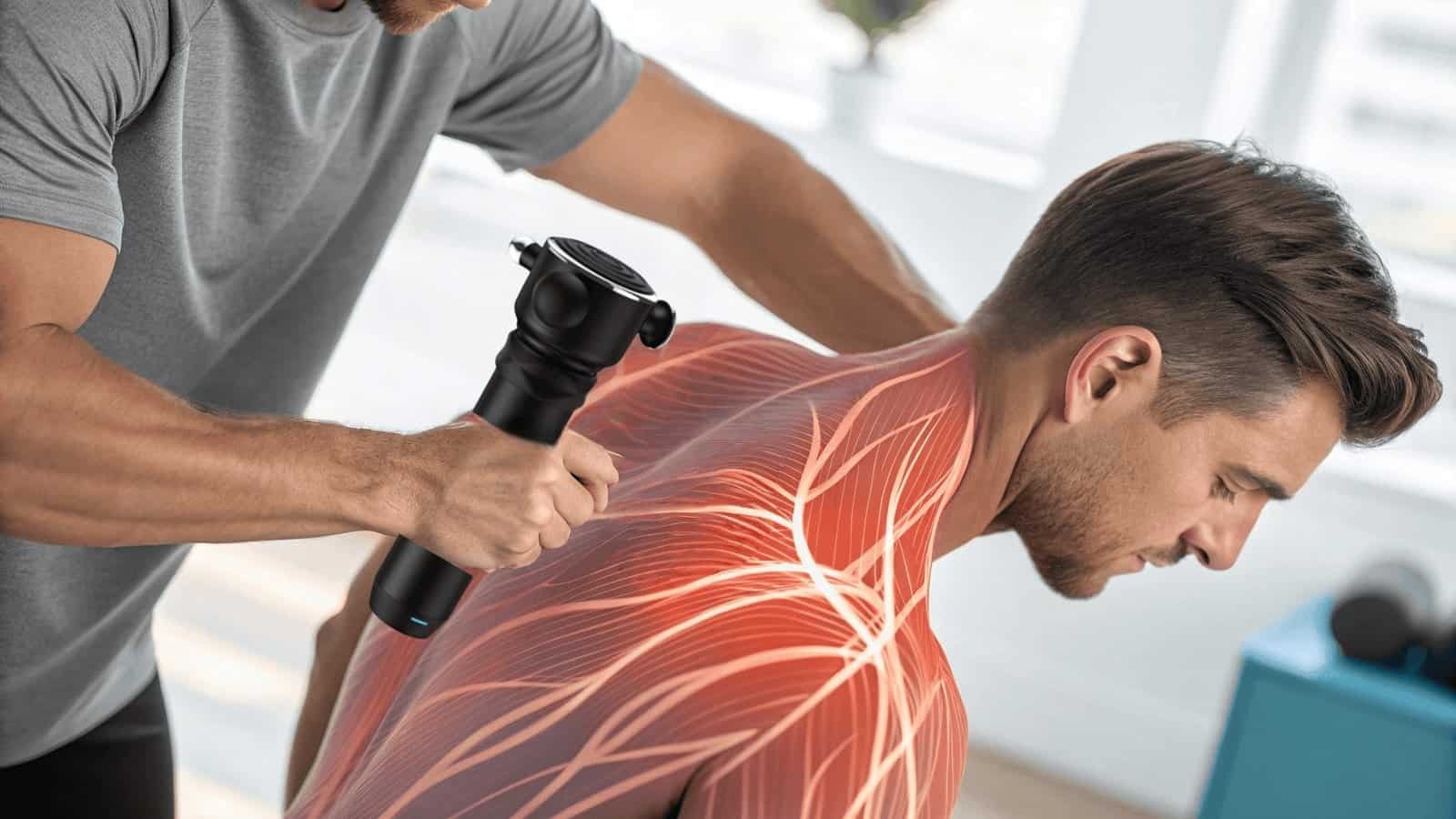
Proper technique involves floating the device over muscles, avoiding prolonged contact in one spot, and maintaining appropriate pressure and speed for your fitness level.
Common Mistakes and Solutions
| Mistake | Risk Level | Potential Consequences | Correct Approach |
|---|---|---|---|
| Staying too long on one spot | High | Tissue damage, bruising | Move every 30 seconds |
| Too much pressure | High | Muscle trauma, pain | Let the gun float |
| Using on bones/joints | Extreme | Serious injury | Stick to muscle belly |
| Wrong speed setting | Medium | Ineffective treatment | Match to your experience |
| Ignoring pain | High | Injury aggravation | Stop if it hurts |
Safety isn’t just about avoiding dangerous areas; it’s also about proper technique. I’ve developed a comprehensive approach to safe massage gun use that includes:
Safe Usage Protocol
| Phase | Duration | Focus | Safety Checks |
|---|---|---|---|
| Warm-up | 1-2 min | Light pressure | Check device settings |
| Main treatment | 5-10 min | Target areas | Monitor body response |
| Cool-down | 1-2 min | Gentle strokes | Assess results |
| Assessment | Post-use | Evaluate feeling | Note any concerns |
Remember that safety comes first. If you experience any unusual pain or discomfort, stop immediately and consult a healthcare professional. I’ve learned that listening to your body’s signals is crucial for preventing injuries.
Conclusion
Massage guns are safe when used properly, but require knowledge of correct techniques and settings. Always prioritize safety over intensity, and when in doubt, consult a professional.
-
Explore this link to understand the safety and effectiveness of massage guns for muscle recovery. ↩
-
Learn about essential safety rules to prevent injury while using massage guns effectively. ↩
-
Learn about sensitive areas to avoid for safe massage gun use and prevent potential injuries. ↩
-
Explore this link to understand the potential dangers and safe practices for using massage guns on sensitive areas like the spine. ↩
-
Learn about the benefits of compression therapy for varicose veins and how it can improve circulation and reduce discomfort. ↩
-
Learning the proper technique ensures you maximize benefits while minimizing the risk of injury during your massage sessions. ↩
-
Understanding common mistakes can help you use your massage gun effectively and safely, enhancing your recovery. ↩