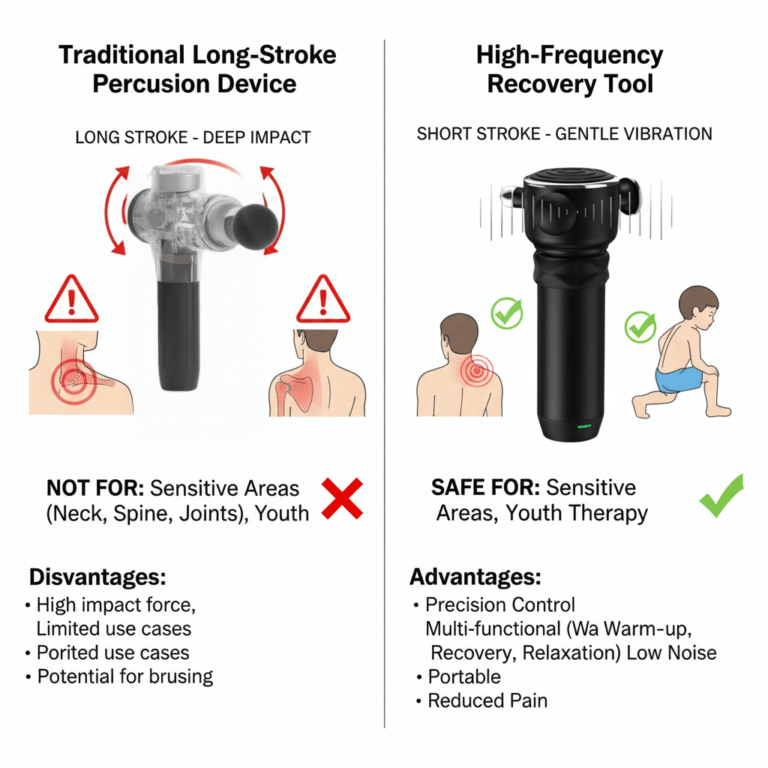
In many performance and training environments, recovery tools are often evaluated through a clinical lens.
They are judged by standards designed for treatment, diagnosis, or therapeutic intervention.
This creates confusion — not because the tools fail, but because their role is misunderstood.
Between sessions is not treatment.
It is a distinct layer within a performance system, with its own purpose, expectations, and evaluation logic.
When this layer is misdefined, even well-designed recovery tools are often dismissed as ineffective, unnecessary, or disappointing.
The Missing Layer in Most Performance Systems
Most performance systems are structured around two clearly defined ends:
- High-load phases such as training, competition, or testing
- Clinical care, including diagnosis, rehabilitation, and manual therapy
What often goes unnamed — yet occupies most daily reality — is what happens between sessions.
Between sessions exists outside of clinical treatment,
yet it strongly influences readiness, consistency, and perceived recovery quality.
This middle layer is where athletes, teams, and active individuals self-regulate — without a therapist present, without diagnosis, and without clinical intent.
Why Daily Recovery Tools Are Often Misjudged
Daily recovery tools are frequently misunderstood for three main reasons:
-
They are expected to behave like therapists
Tools are asked to replace hands-on expertise rather than support daily regulation. -
They are evaluated using treatment standards
Immediate pain relief or corrective outcomes are expected where none are designed. -
They are judged by single-use intensity instead of cumulative effect
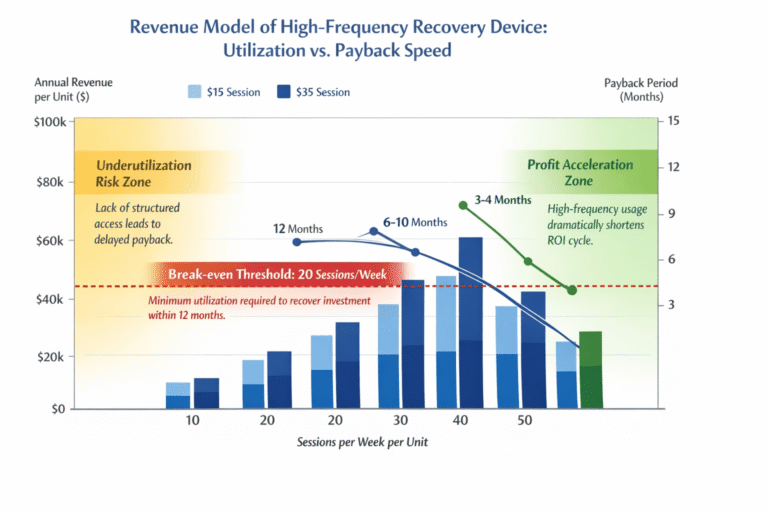
Regulation tools are built for frequency and consistency, not one-off intervention.
When the evaluation logic is wrong, even a well-designed tool will appear ineffective.
What Daily Recovery Tools Are Actually Designed For
Daily recovery tools are not miniature clinical devices.
They are designed to serve a different purpose entirely.
Their primary role is to:
- Lower the threshold for recovery behaviors
- Enable frequent, low-load self-regulation
- Support consistency between training, travel, and daily routines
They are not designed for:
- Diagnosis
- Treatment
- Replacing manual therapy
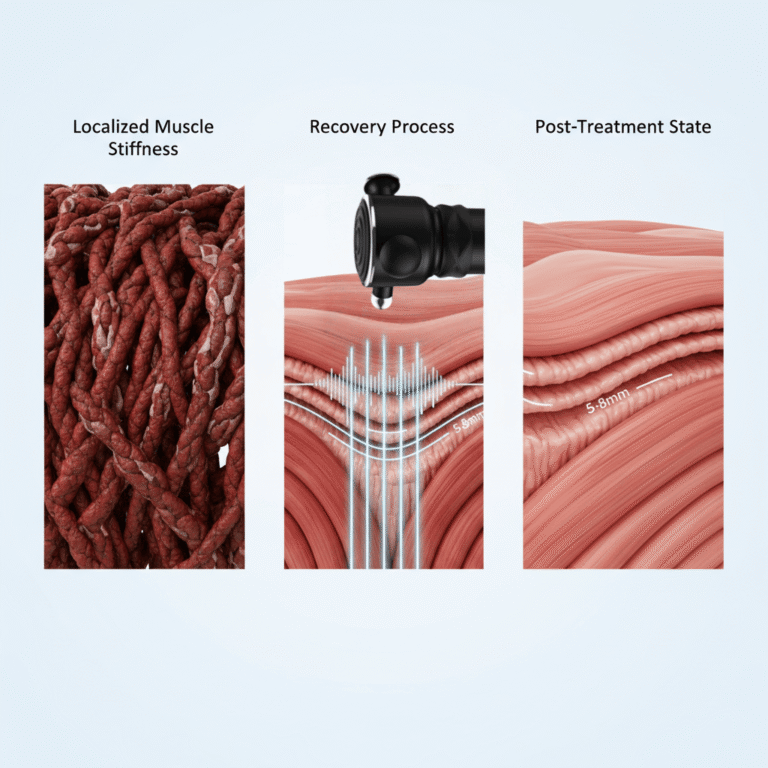
They are designed to support readiness, comfort, and tissue regulation where clinical care is not present.
This distinction aligns with broader frameworks around
non-clinical self-management and daily regulation,
where tools are intended to support consistency and autonomy rather than intervention or diagnosis.
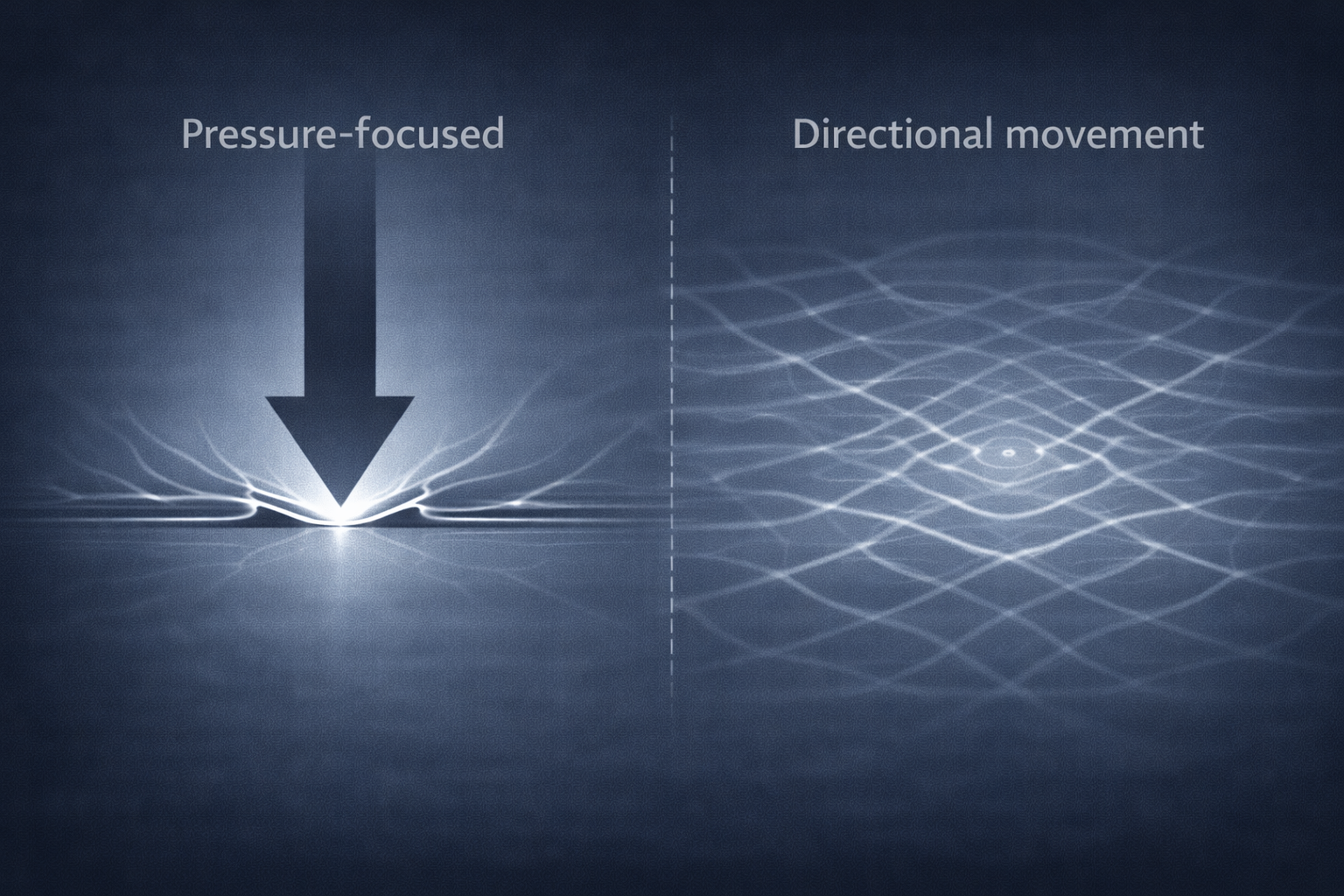
Directional Movement Matters More Than Pressure
Fascial tissue does not respond the same way muscle does.
Direction, frequency, and consistency often matter more than force alone.
This is why directional vibration patterns — rather than aggressive pressure — are increasingly recognized as more suitable for daily, repeatable use.
Research increasingly shows that
fascial tissue behaves as a tension-based network
rather than as isolated contractile units, which helps explain why force alone is not an effective indicator of daily recovery quality.
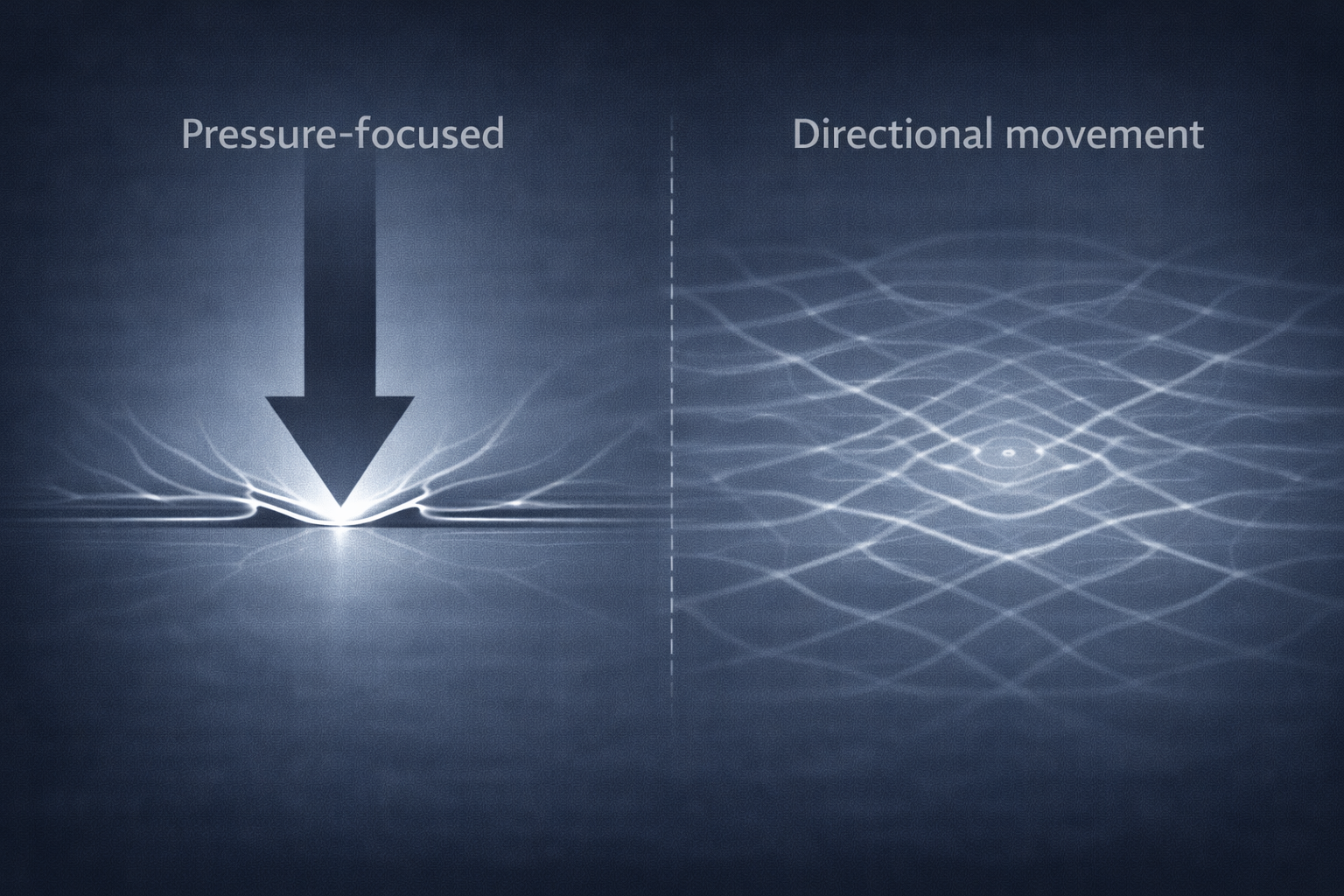
Excessive pressure may feel effective in the moment, but it often increases guarding and reduces repeatability — especially outside clinical environments.
Appropriate Use Cases (and Clear Boundaries)
Clear boundaries are essential for proper adoption.
Suitable contexts
- Between training sessions
- During travel or competition cycles
- In non-clinical environments
- As part of daily recovery routines
Not suitable contexts
- Acute injury treatment
- Clinical diagnosis
- Replacement for manual or therapeutic care
Stating what a tool is not meant for is just as important as defining what it supports.
How This Changes Evaluation and Purchasing Decisions
When daily recovery tools are understood as part of a system layer, the evaluation criteria shift.
The key questions become:
- Does this tool support consistent use?
- Does it fit existing routines and environments?
- Can it integrate without replacing clinical care?
- Are expectations aligned with its intended role?
The question is not whether a tool replaces treatment,
but whether it supports the system where treatment is not present.
Conclusion
Between sessions is not treatment.
When daily recovery tools are evaluated within their proper role,
they stop being disappointing — and start being useful.
Clarity of context, boundaries, and purpose is what allows recovery systems to function as intended.