Physical therapy helps recovery, but too much can cause harm. Just like overtraining leads to injuries, overdoing therapy creates new problems.
Excessive physical therapy1 can damage tissues, delay healing, and increase pain. The key is finding the right balance between treatment and rest for optimal recovery2.
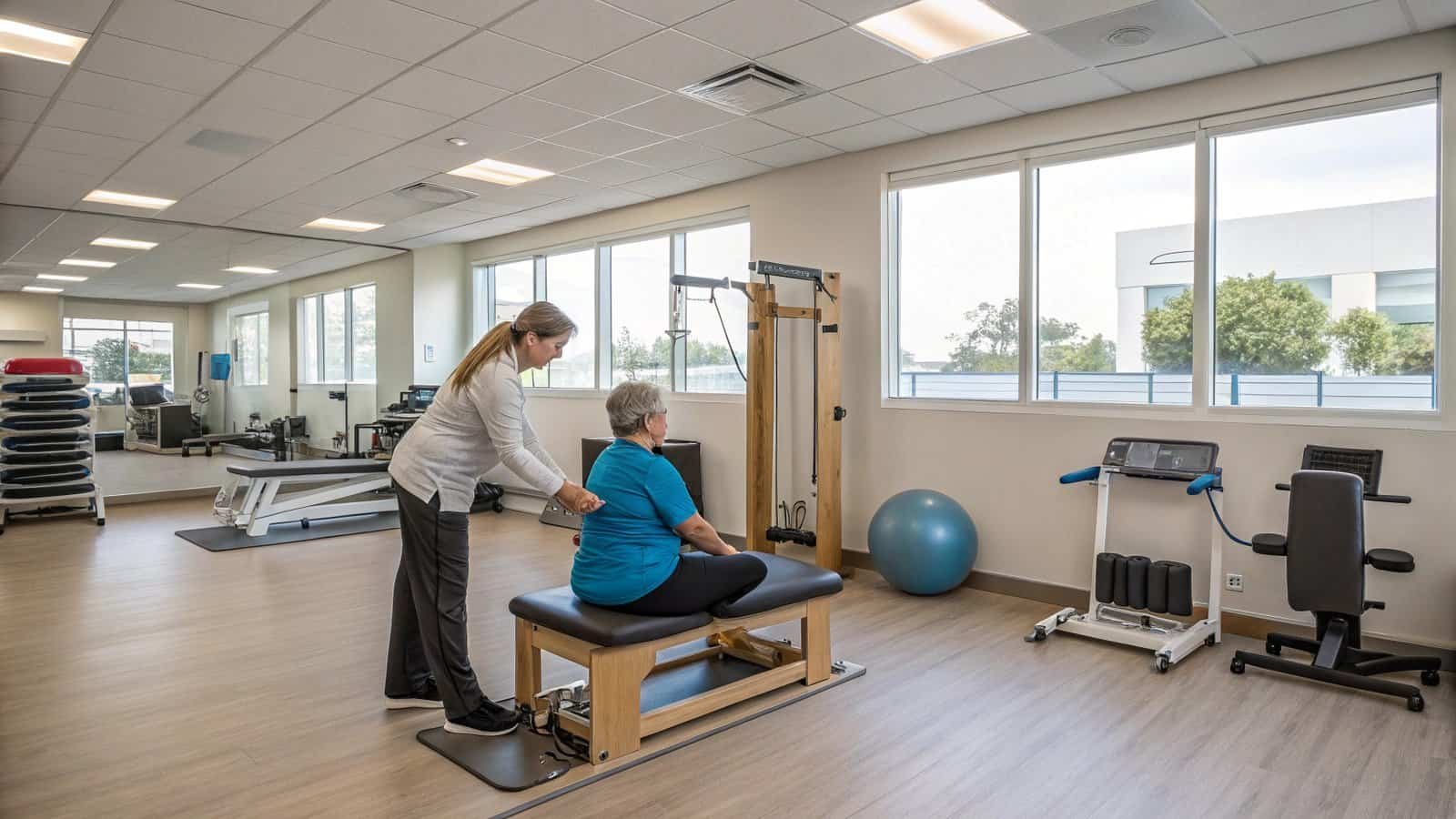
Many athletes and patients don’t realize they’re overdoing therapy until new injuries appear. Understanding the risks helps prevent setbacks. Let’s explore how much therapy is too much.
Is too much physical therapy bad for you?
Pushing through pain in therapy seems productive, but it often backfires. More isn’t always better when healing muscles and joints.
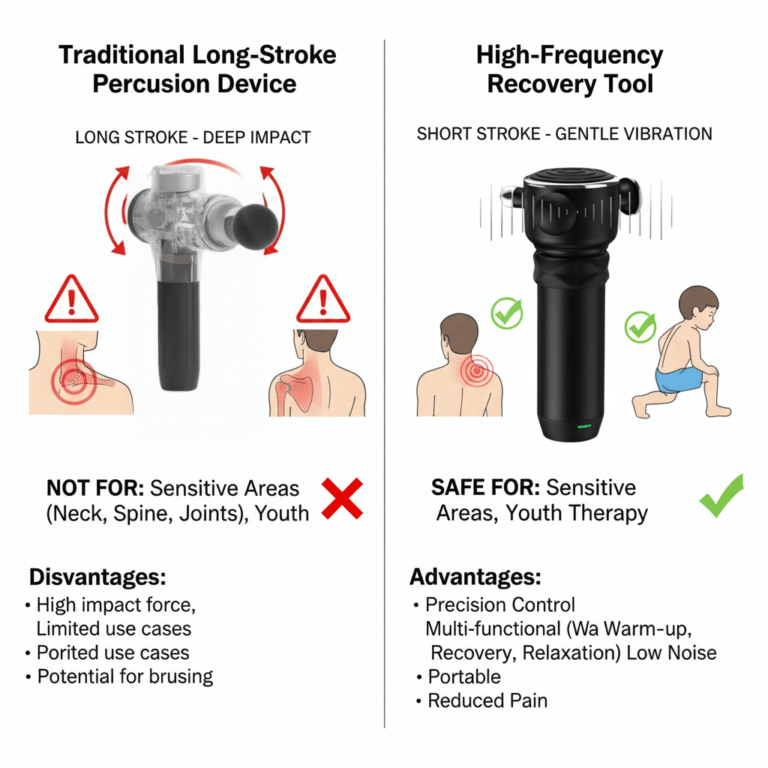
Overusing therapy tools like massage guns3 can irritate tissues, cause bruising, and worsen inflammation. Proper technique and timing4 matter more than frequency.
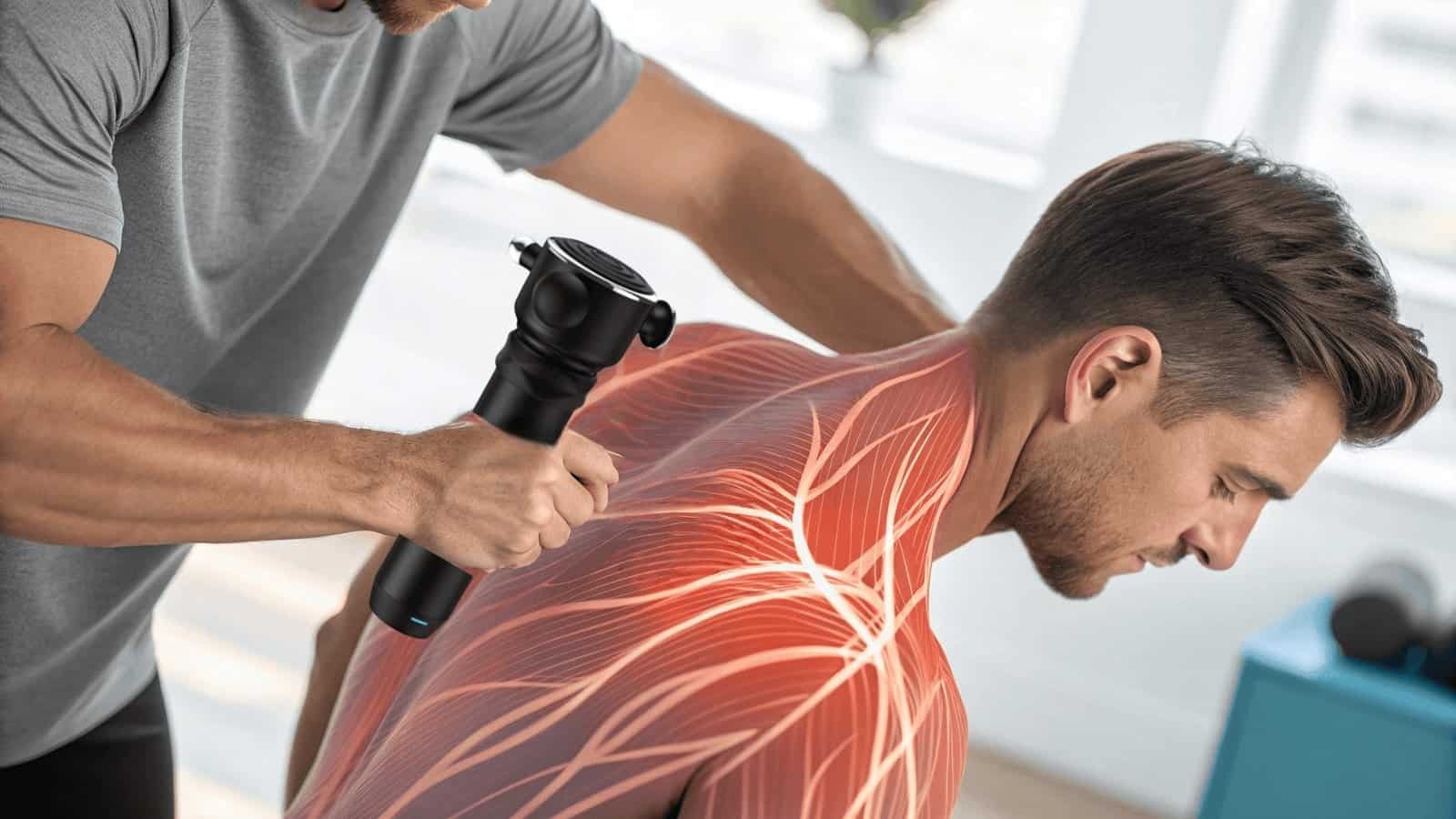
Signs you’re overdoing physical therapy
Watch for these red flags:
| Symptom | Cause | Solution |
|---|---|---|
| Increased soreness5 | Tissue irritation from excessive vibration/friction | Reduce sessions by 50% |
| Bruising/swelling | Blood vessel damage from intense pressure | Use lower intensity settings |
| No progress in 2 weeks6 | Overtraining prevents natural healing | Take 3-5 days off therapy |
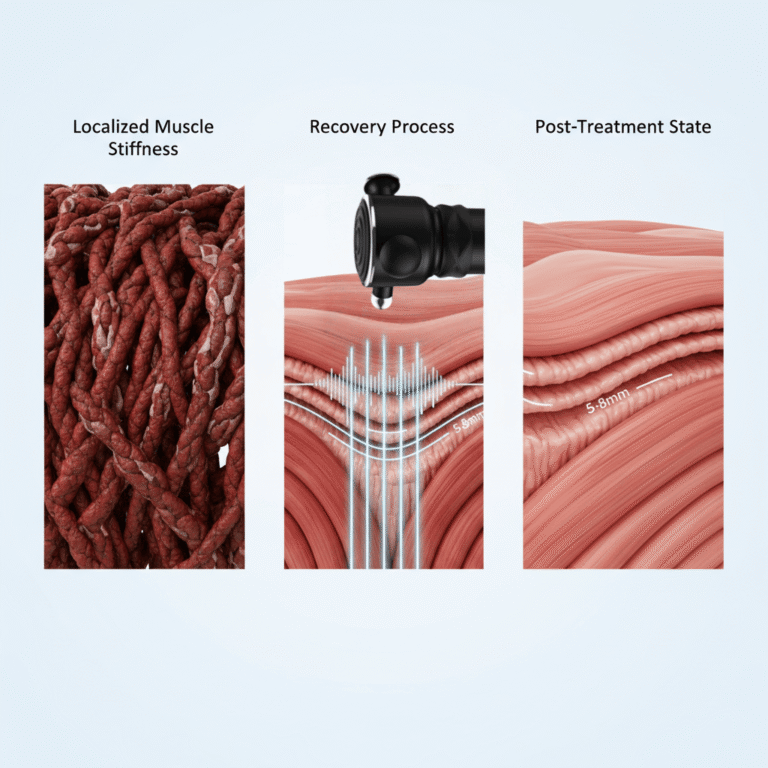
Therapy devices like our 0.54kg portable gun (5500-7000RPM, 2mm amplitude) work best in short sessions. Their 3D vibrations reach 6-8mm deep to break scar tissue without drugs. But even advanced tools need moderation.
How do you know if you’re overdoing physical therapy?
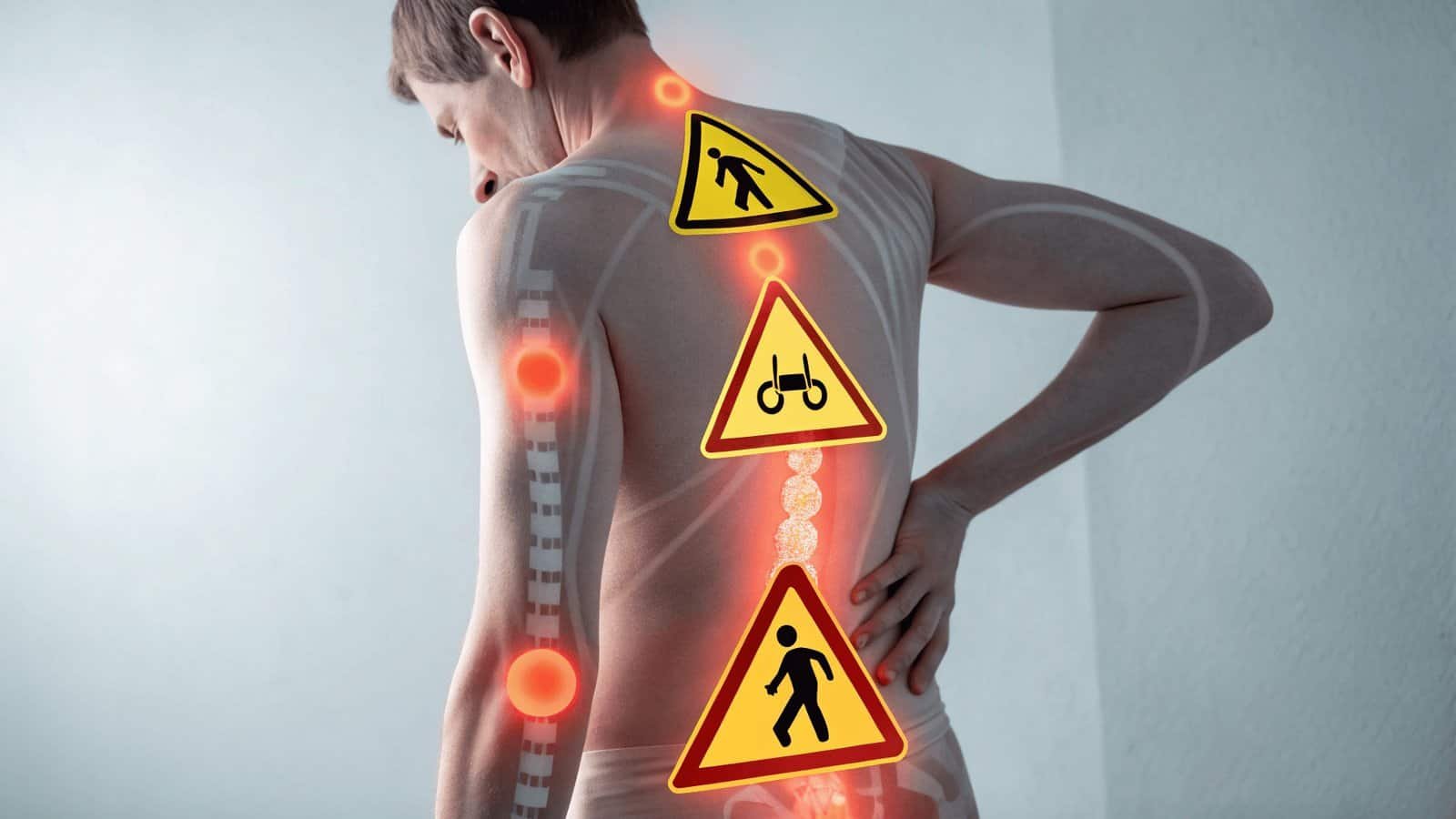
Your body sends clear signals when therapy crosses from helpful to harmful. Ignoring them leads to longer recovery times.
Pain that worsens after sessions, decreased mobility, or fatigue mean you’re overloading tissues. Track responses to adjust your routine.
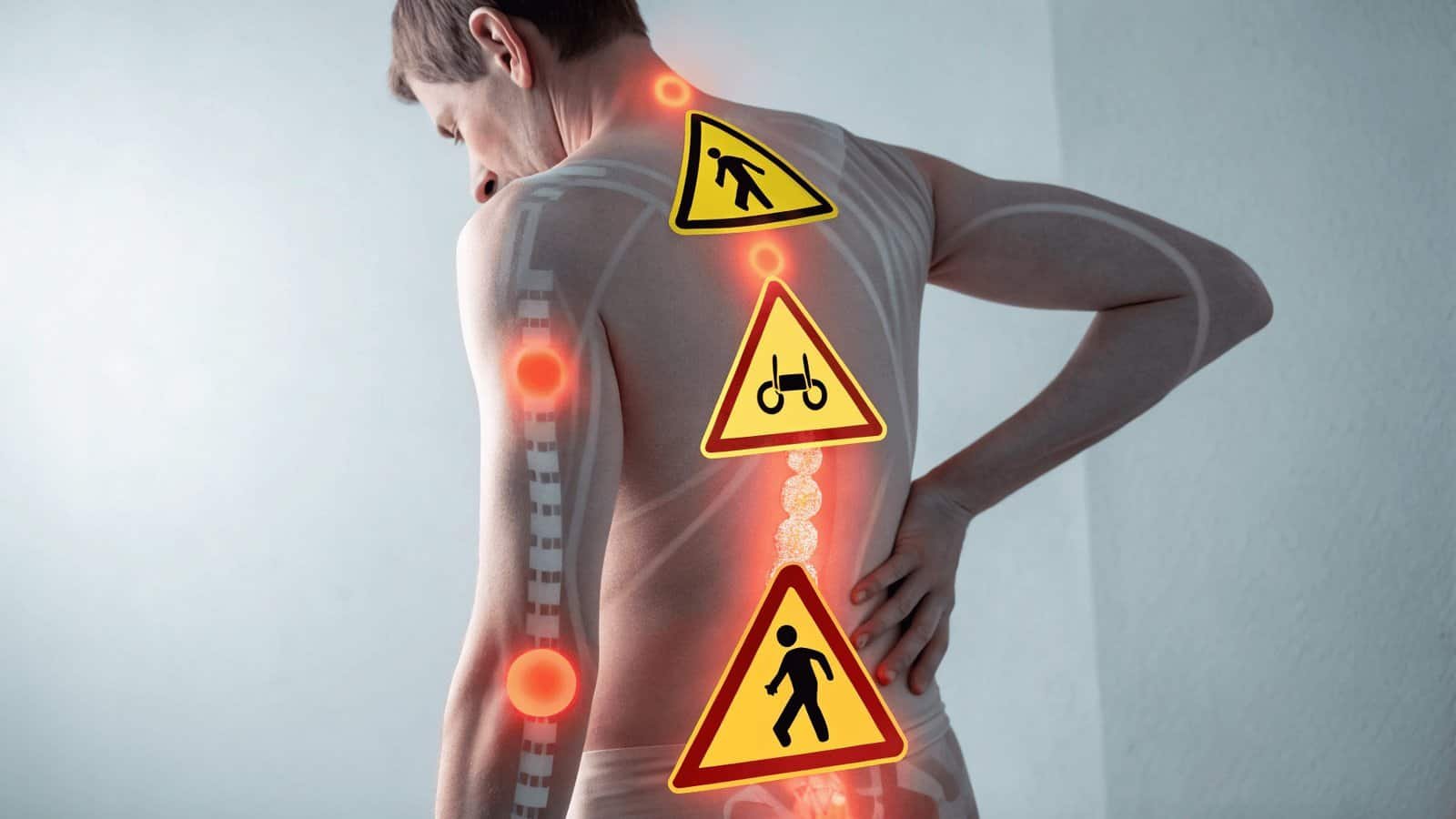
Monitoring your therapy intensity
Follow this checklist:
-
Pain scale test
- Acceptable: 2-3/10 discomfort during therapy
- Dangerous: 5+/10 pain that lingers
-
Recovery window
- Normal: Soreness fades within 24 hours
- Excessive: Pain lasts 48+ hours
-
Function check
- Positive: Improved movement after therapy
- Negative: Stiffer than pre-treatment
Our clinical studies show therapy guns7 work best in 90-second intervals per muscle group. Longer sessions risk vibration trauma. The neck and joints need extra care due to thinner tissue layers.
When should you quit physical therapy?
Therapy should have clear milestones. Continuing indefinitely often means the approach isn’t working.
Stop therapy if you hit plateaus for 3+ weeks, develop new pain unrelated to original injury, or achieve 90% normal function. Consult your therapist then.
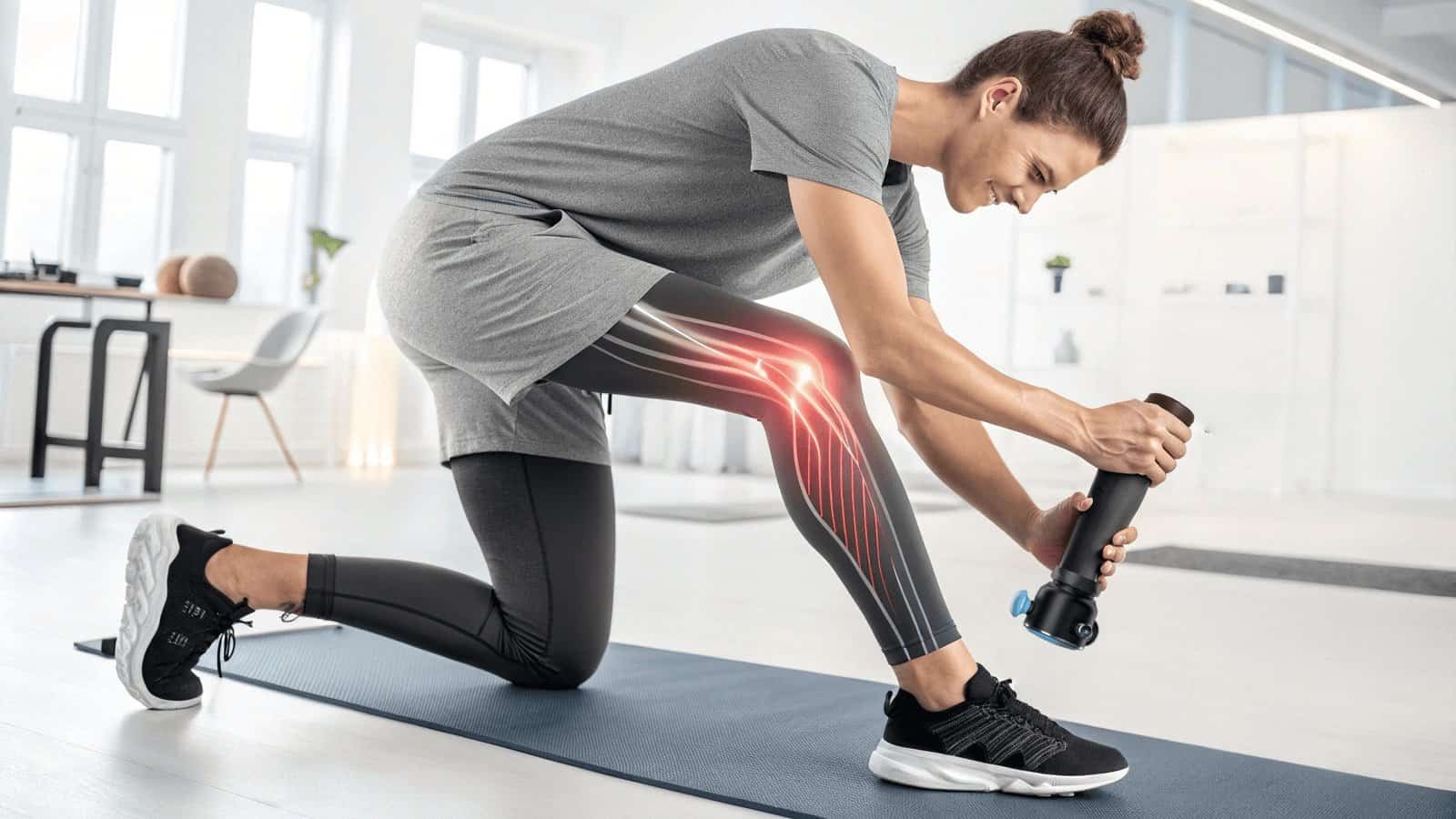
Therapy exit strategy
| Scenario | Action |
|---|---|
| Full range of motion | Switch to maintenance (1-2x/week) |
| No improvement | Change methods or get re-evaluation |
| New pain locations | Stop immediately, seek diagnosis |
Precision devices like our fascia gun help avoid overuse through smart design. The 3D vibration targets only problem areas without disturbing surrounding tissues. But even perfect tools can’t replace professional guidance when healing stalls.
Conclusion
Physical therapy accelerates healing, but excess causes harm. Listen to your body, track progress, and adjust as needed for safe recovery.
-
Understanding the risks of excessive physical therapy can help you avoid potential harm and ensure effective recovery. ↩
-
Exploring strategies for optimal recovery can enhance your rehabilitation process and improve overall outcomes. ↩
-
Explore this link to understand the potential dangers of overusing massage guns and how to use them safely for recovery. ↩
-
Learn why mastering technique and timing in therapy can enhance recovery and prevent injuries, ensuring effective treatment. ↩
-
Understanding the causes of increased soreness can help you adjust your therapy for better recovery and avoid setbacks. ↩
-
Exploring solutions for lack of progress can provide insights on how to effectively manage your therapy and enhance healing. ↩
-
Exploring the benefits of therapy guns can enhance your recovery process and optimize your therapy sessions. ↩