March 19, 2026
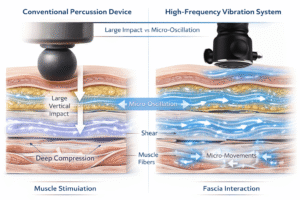
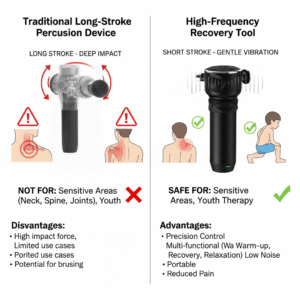
High-Frequency Vibration vs. Standard Percussion: What Pros Choose for Recovery In the world of muscle recovery and physical therapy, two…
阅读更多 →
March 18, 2026
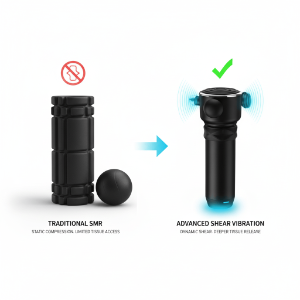
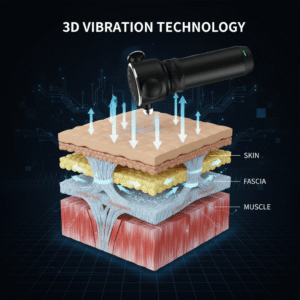
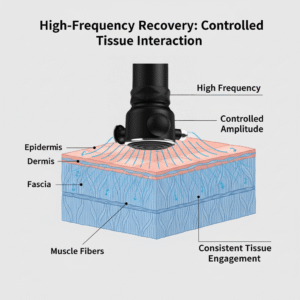
Athletes and trainers constantly seek more effective recovery tools. The debate between High-Frequency 3D Vibration Therapy1 guns and traditional foam…
阅读更多 →
March 17, 2026
Executive Overview Fascia has become a central topic in sports recovery discussions, yet most recovery devices are still evaluated using…
阅读更多 →
March 7, 2026
A Technical Guide for Performance Coaches In many training environments, improving range of motion (ROM) is still primarily addressed through…
阅读更多 →
March 2, 2026
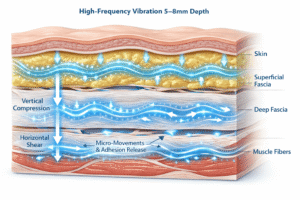
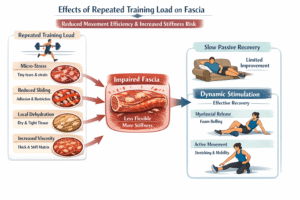
Fascia recovery after training depends on restoring tissue glide, hydration, and neuromuscular balance. 3D vibration technology improves fascia recovery by…
阅读更多 →
February 13, 2026
A Practical Comparison for Performance and Training Environments Sports recovery devices have evolved rapidly over the past decade. Among the…
阅读更多 →
February 7, 2026
For many buyers, evaluating recovery devices has become increasingly difficult. Specifications look similar. Marketing language sounds familiar. And most products…
阅读更多 →
February 3, 2026
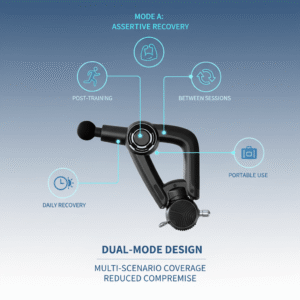
For years, recovery devices were designed around a single core assumption: one dominant function could cover most recovery needs. Whether…
阅读更多 →
February 3, 2026
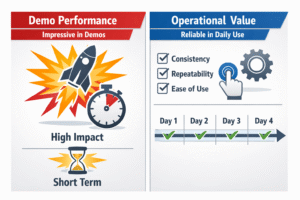
For a long time, percussion-based recovery devices dominated the market. They were powerful, visually impressive, and easy to evaluate during…
阅读更多 →
February 1, 2026
For years, recovery devices have been evaluated primarily by one visible parameter: stroke length. The longer the stroke, the deeper…
阅读更多 →
January 28, 2026
Modern recovery devices have evolved significantly over the past decade, with innovations in technology enabling better performance, deeper recovery, and…
阅读更多 →
January 12, 2026
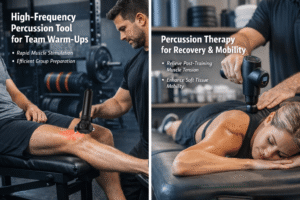
In most teams and performance-focused organizations, recovery does not primarily happen in clinics. It happens between training sessions, during travel,…
阅读更多 →