
In most teams and performance-focused organizations, recovery does not primarily happen in clinics.
It happens between training sessions, during travel, and within daily routines — often without direct professional supervision.
This is where expectations, tools, and real-world conditions frequently misalign.
Daily recovery between sessions is not about treatment.
It is about maintaining readiness, consistency, and regulation within operational constraints.
Who This Use-case Is For
This use-case applies to organizations and environments where recovery must scale beyond individual supervision:
- Sports teams and clubs
- Training centers and academies
- Performance-focused gyms
- Competitive group-based environments
It is designed for organizational use, not clinical intervention or individual therapy contexts.
The Reality Between Sessions
Between sessions, teams face a very different reality from clinical or training settings:
- Time is fragmented
- Spaces are shared or temporary
- Staff availability is limited
- Recovery behaviors rely heavily on self-regulation
Most recovery actions in this phase are brief, repeated, and unsupervised.
Tools used here must work within these constraints — or they simply won’t be used consistently.

Why Existing Solutions Don’t Fully Fit This Context
Many existing recovery solutions are high-quality — but context matters.
Common mismatches include:
-
Clinical tools
Too complex or restrictive for daily, unsupervised use. -
Manual therapy
Effective, but not scalable or repeatable between sessions. -
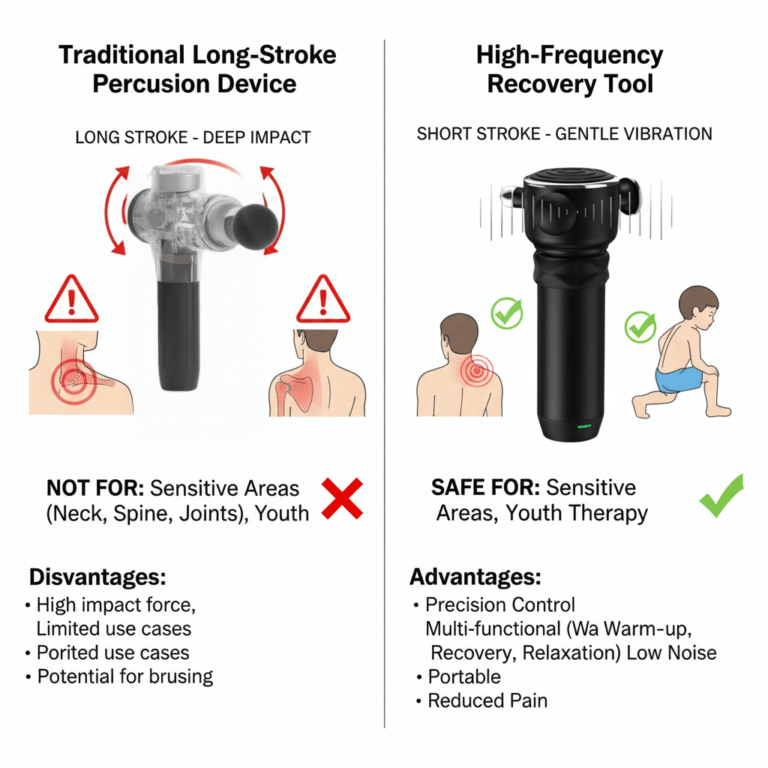
High-force recovery devices
Often unsuitable for frequent use due to intensity and fatigue.
The issue is not quality — it is context mismatch.
The Role of Daily Recovery Tools Between Sessions
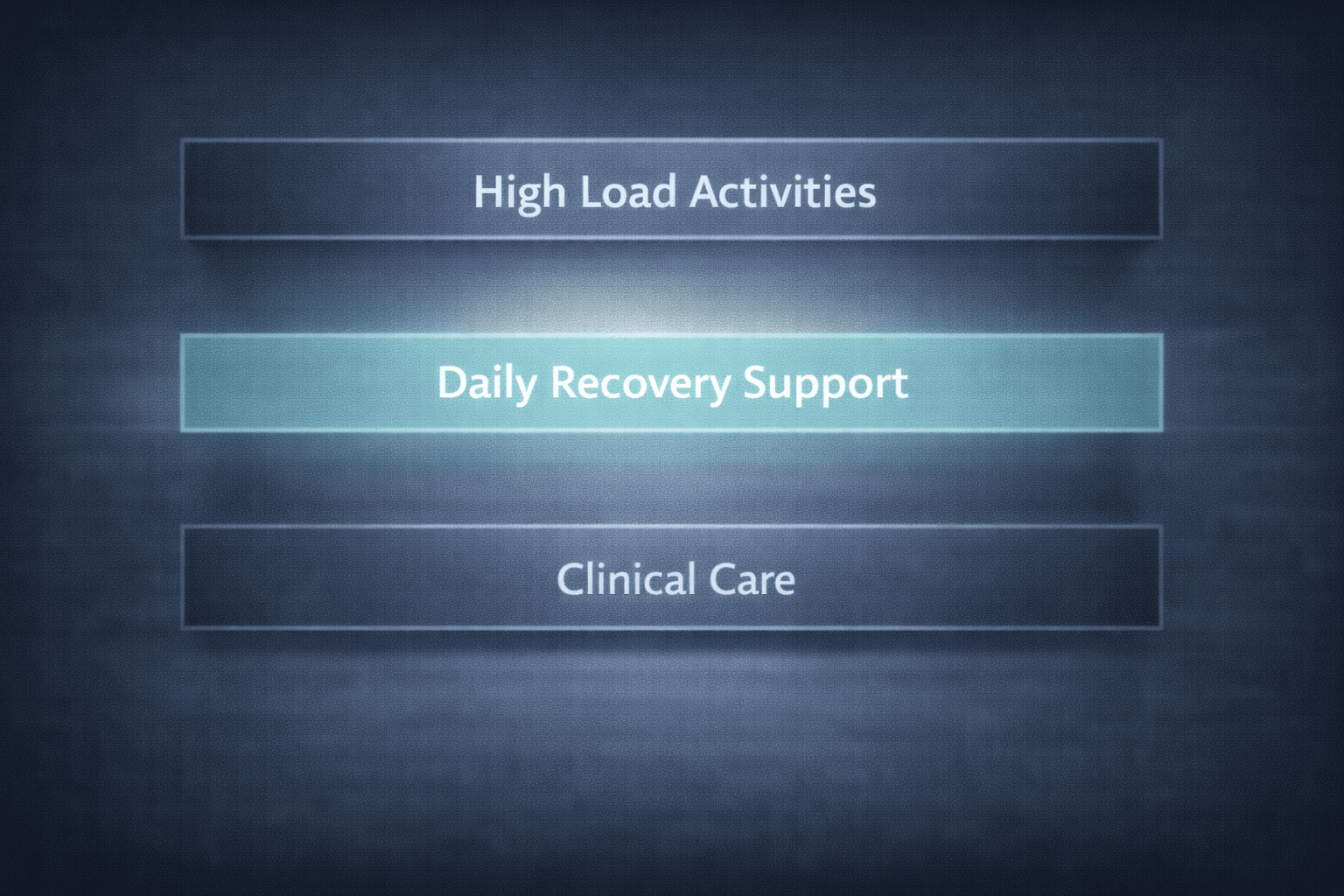
In this context, daily recovery tools serve a supportive system role, not a corrective one.
Their function is to:
- Enable low-threshold recovery behaviors
- Support frequent, repeatable use
- Help maintain baseline readiness between higher-load activities
They are designed to operate outside clinical care, without diagnosis or intervention.
For a broader explanation of how this role differs from treatment-based evaluation, see
between-session recovery role.
Suitable Use (and Clear Boundaries)
Clear boundaries are essential for correct adoption.
Suitable use
- After training sessions
- During travel or competition cycles
- Between matches or events
- As part of daily routines
Not suitable for
- Injury treatment
- Clinical diagnosis
- Replacement for therapists or medical care
Stating what a tool is not intended for is critical to long-term effectiveness and trust.
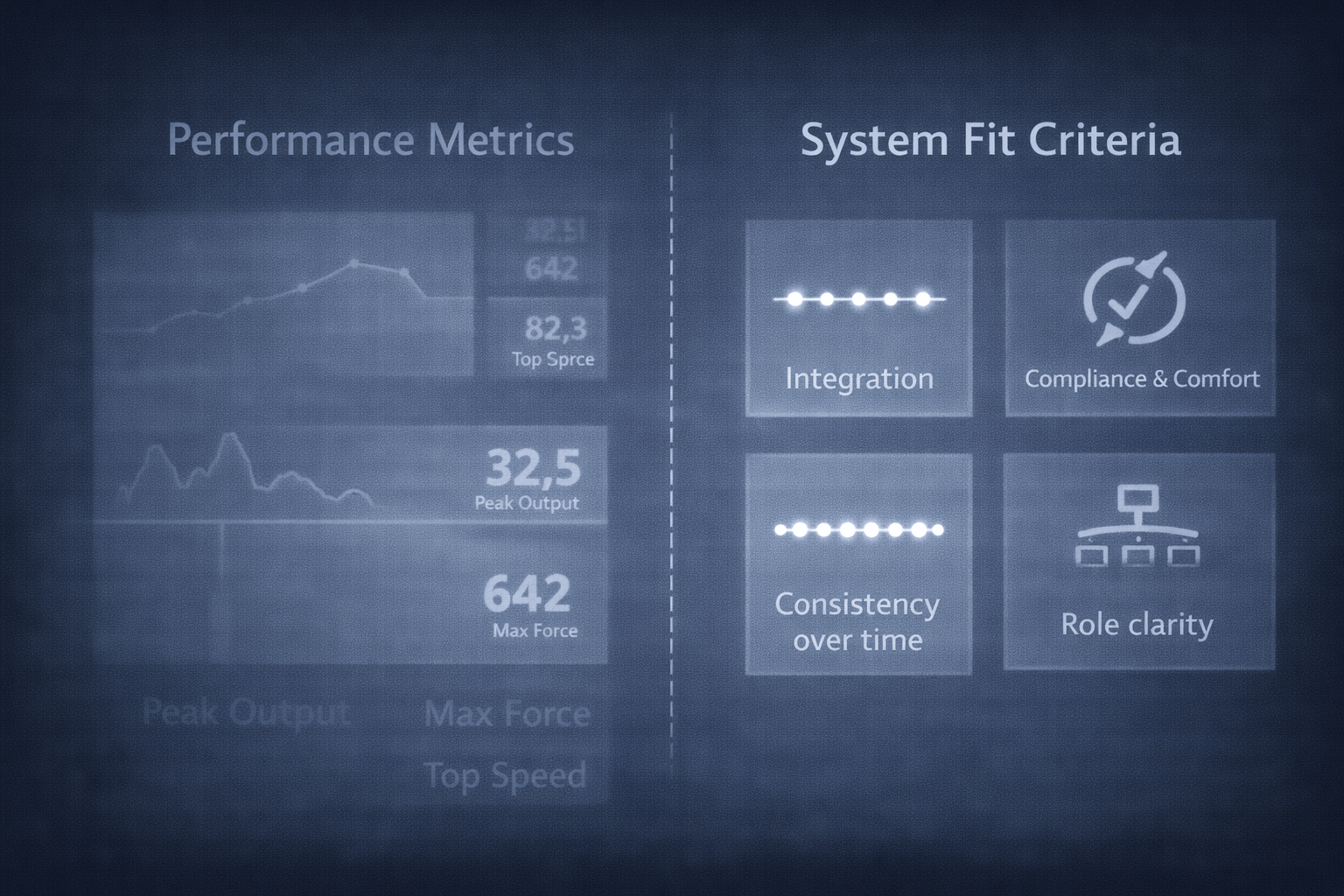
How Teams Evaluate Fit (Not Performance)
In between-session contexts, evaluation shifts away from peak performance metrics.
Teams typically assess:
- Ease of integration into daily routines
- User compliance and comfort
- Consistency of use over time
- Clarity of role within the broader system
The key question becomes:
Does this tool support daily regulation where treatment is not present?
Conclusion
Daily recovery between sessions is not treatment.
When tools are selected and evaluated within their proper role,
they support consistency, readiness, and system stability — without replacing clinical care.
Clarity of context is what allows recovery systems to function effectively at scale.