Athletes push their bodies to the limit. Recovery tools help them bounce back faster. But not all tools work the same way.
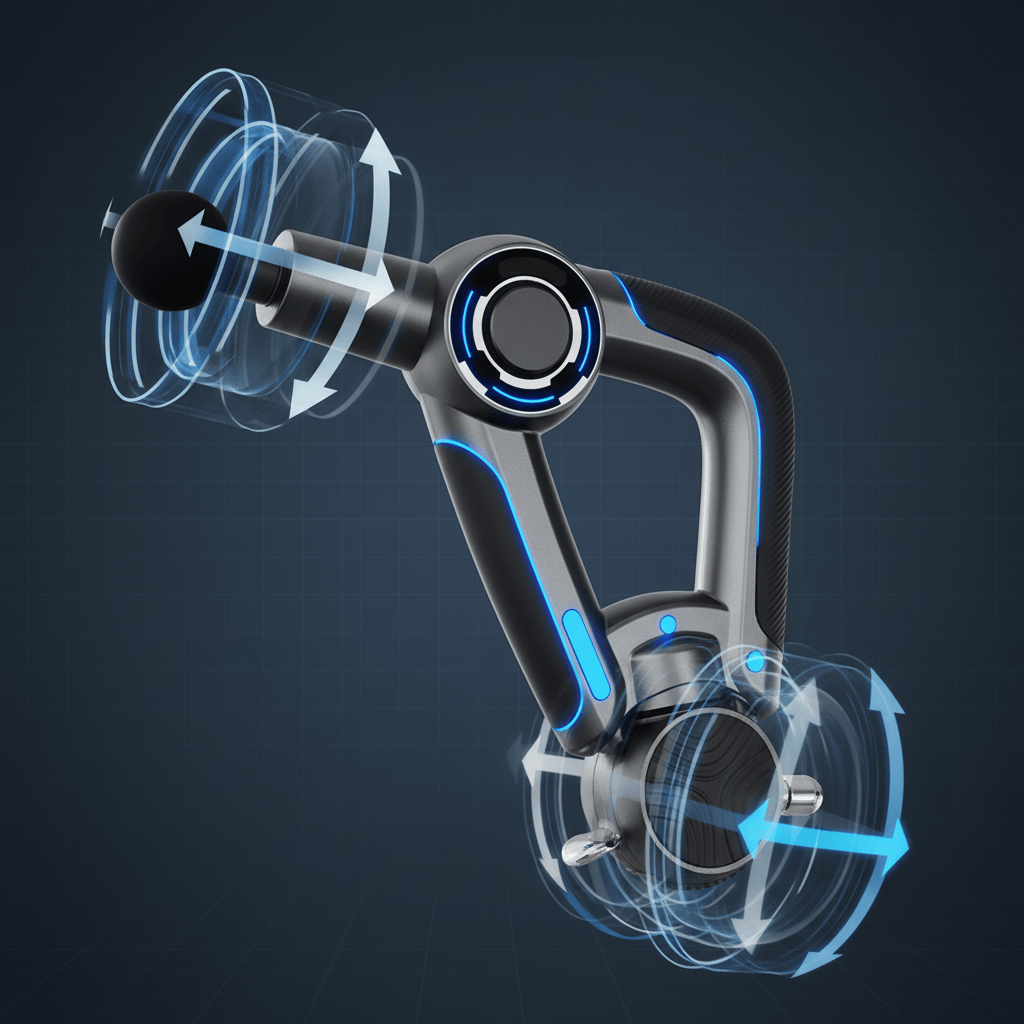
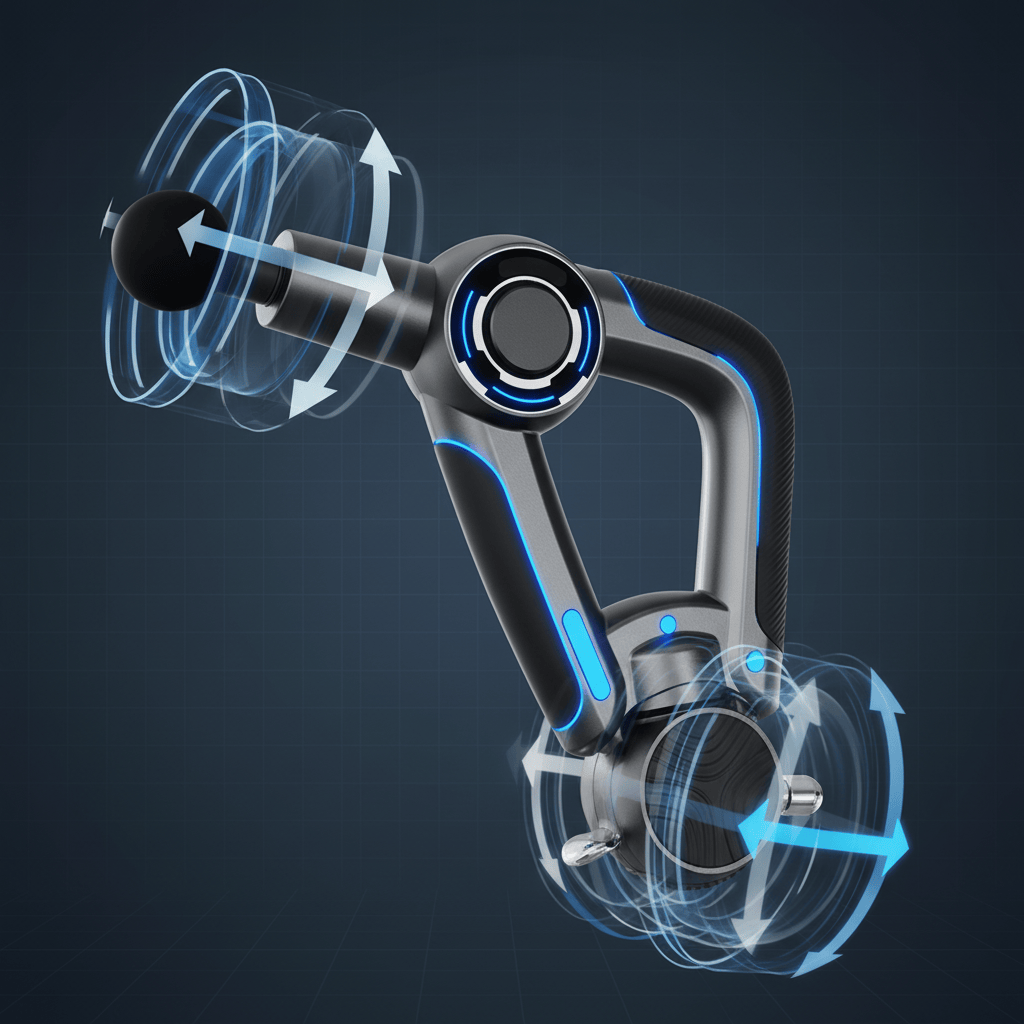
Deep muscle recovery tools use vibration to reach tight muscles. The best tools combine horizontal and vertical movement1s. This 3D approach works better for teams than basic vertical-only tools.
Teams need recovery tools that work for everyone. Let’s explore what makes some tools better than others.
Why Do Most Recovery Tools Fall Short for Teams?
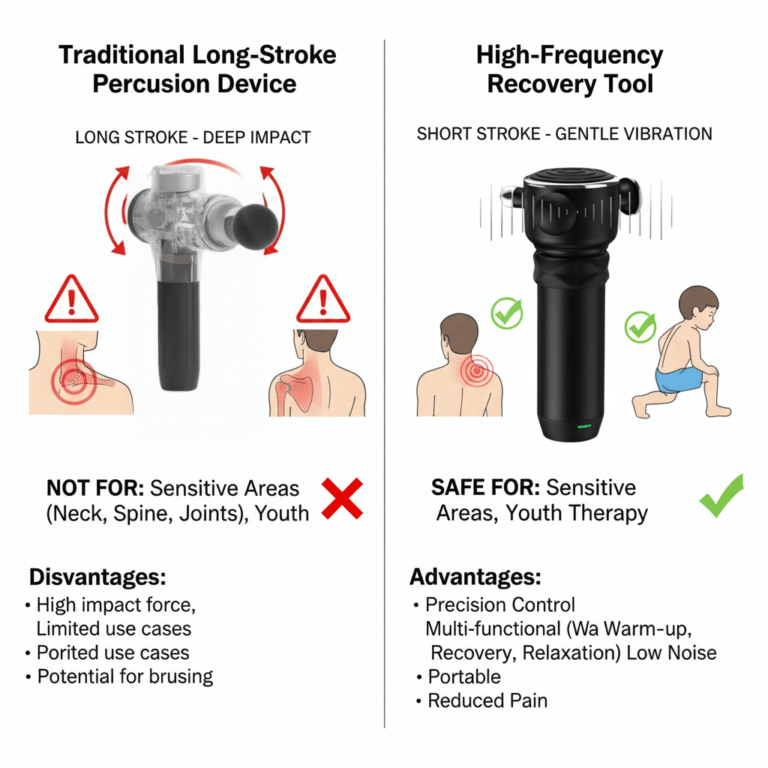
Most recovery guns only move up and down. This simple design causes problems for sports teams.
Vertical-only tools require skill to use well. Results vary when different people use them. Teams need consistent recovery for all players.
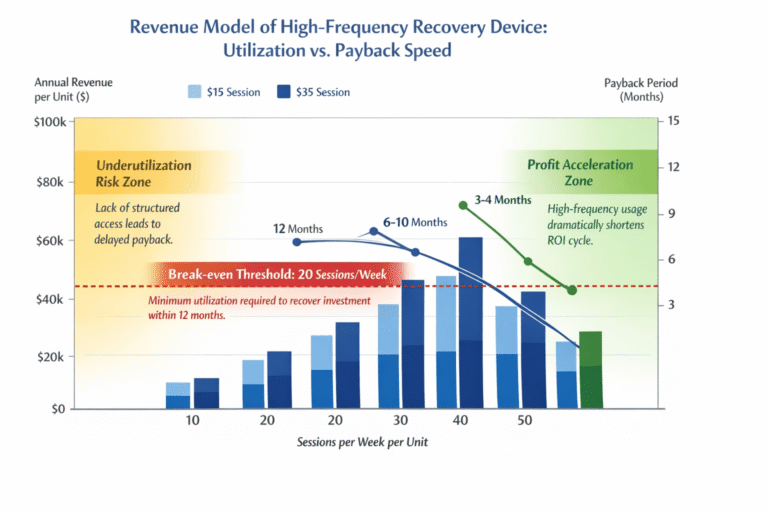
The problem gets worse with many users. A training session might have 20-40 athletes needing recovery. Basic tools can’t deliver the same results for everyone.
How Does 3D Vibration Help Teams Recover Better?
Better tools move in three directions. This mimics how therapists work on muscles.
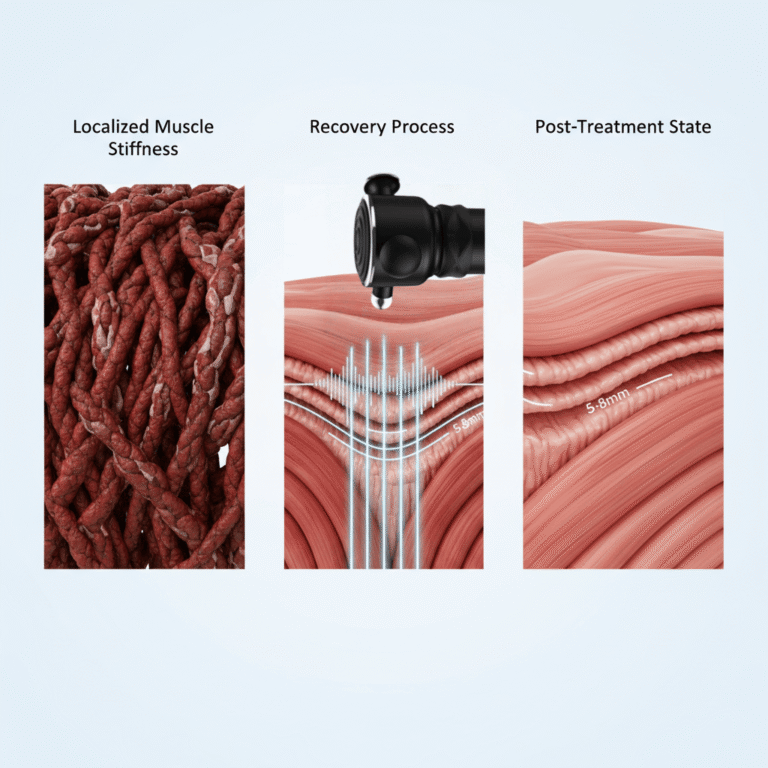
Horizontal movement loosens tight tissue. Vertical movement reaches deep muscles. Together they work better than either alone.
This matters because:
- Players don’t just have one tight muscle
- Whole muscle groups get stiff after training
- Different tissues need different approaches
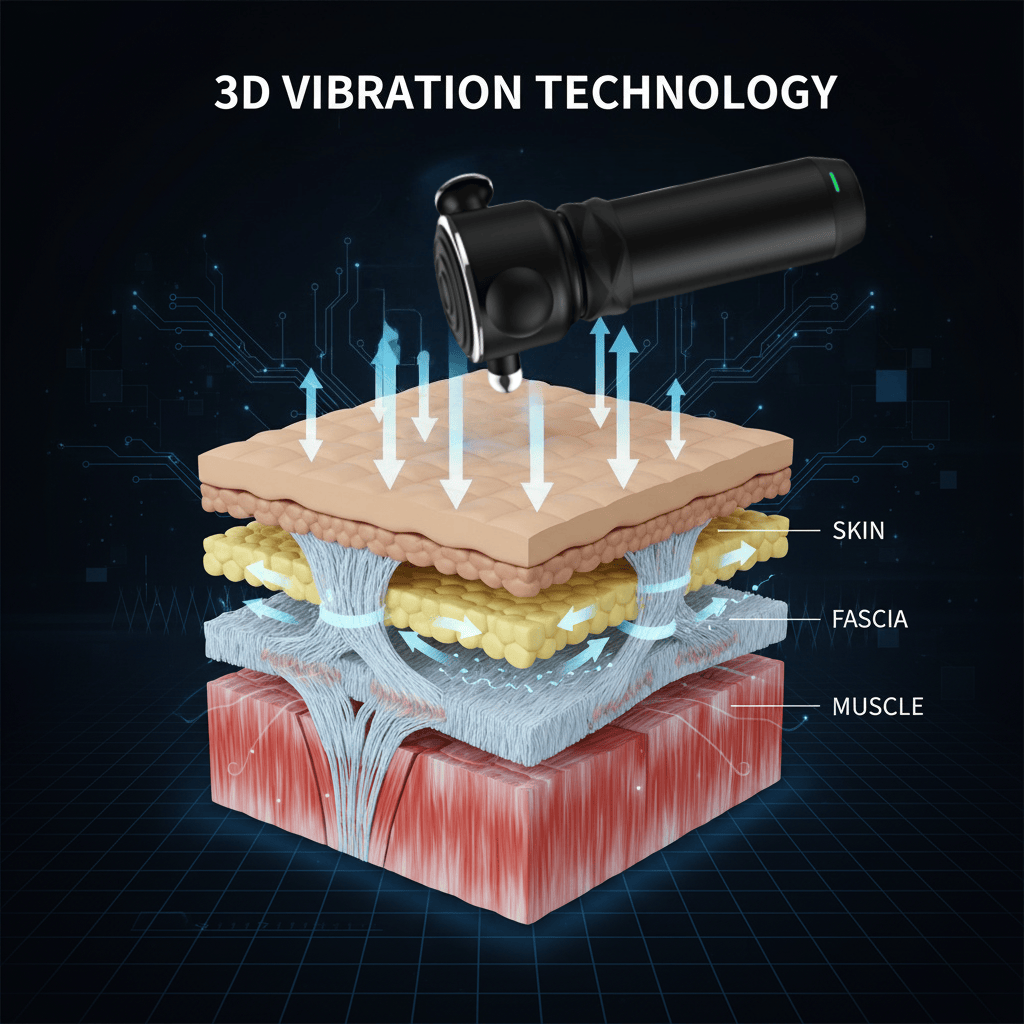
The Science Behind Better Team Recovery
3D tools work better for three reasons:
- Consistent Results
- Same settings work for all players
- Less depends on who uses the tool
- Easier to train staff
- Complete Muscle Care
- Horizontal: breaks up tight spots
- Vertical: reaches deep tissue
- Works on whole muscle groups
- Faster Recovery
- Less time per player
- More players can use it
- Ready for next practice sooner
What Should Teams Look for in a Recovery Tool?
Not all 3D tools work the same. Teams need specific features.
Look for tools with both horizontal and vertical movement1. The best ones let you adjust speed and pressure for different needs.
Key features:
- Adjustable speed (2000-3200 RPM)
- Multiple head attachments
- Long battery life
- Quiet operation
- Easy to clean
Making the Right Choice for Your Team
Consider these factors:
| Feature | Why It Matters | Good Range |
|---|---|---|
| Speed | Works for different muscle groups | 2000-3200 RPM |
| Battery | Lasts through whole team | 4+ hours |
| Noise | Won’t disturb others<60 dB | |
| Weight | Easy for staff to use | 1-2 lbs |
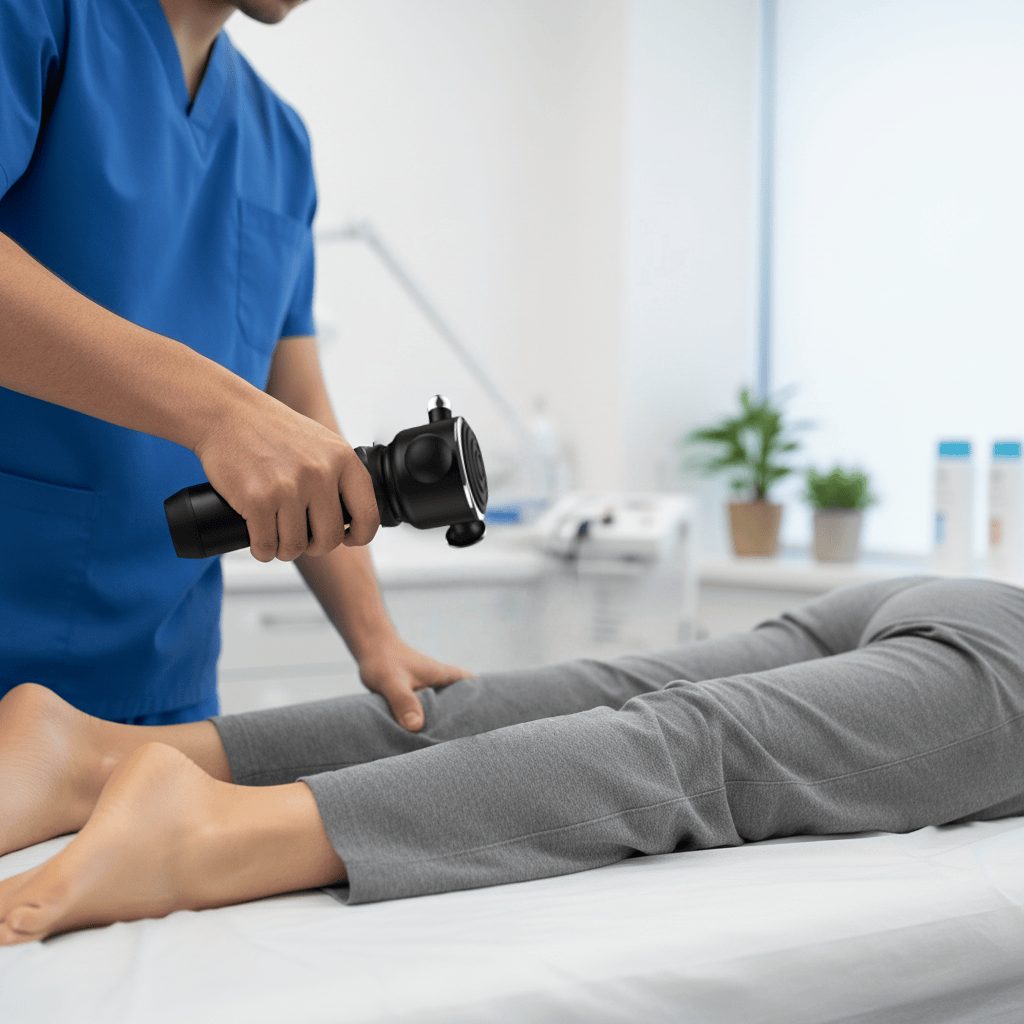
Teams should test tools before buying. The right one should feel good for players and easy for staff.
How to Use Recovery Tools in Team Settings?
Good tools need good routines. Here’s how teams get the most from them.
Use recovery tools after practice and games. Focus on major muscle groups first. Keep sessions short but frequent.
Best practices:
- Train all staff the same way
- Create standard routines
- Track player feedback
- Adjust as needed
Building a Recovery Program
Start with these steps:
- Assess Needs
- Which muscles work hardest?
- Where do players feel sore?
- Set Routines
- 5-10 minutes per player
- Same order each time
- Monitor Results
- Ask players how they feel
- Watch for fewer injuries
Good recovery tools help teams perform better. The right choice saves time and keeps players ready.
Conclusion
Teams need recovery tools that work for everyone. 3D vibration2 tools deliver better results than basic models. Look for horizontal and vertical movement1, adjustable settings, and team-friendly features. The right tool helps players recover faster and stay at their best.