Many athletes struggle with muscle soreness after intense workouts. The pain can last for days and impact performance. New recovery tools promise faster relief, but do they actually work?
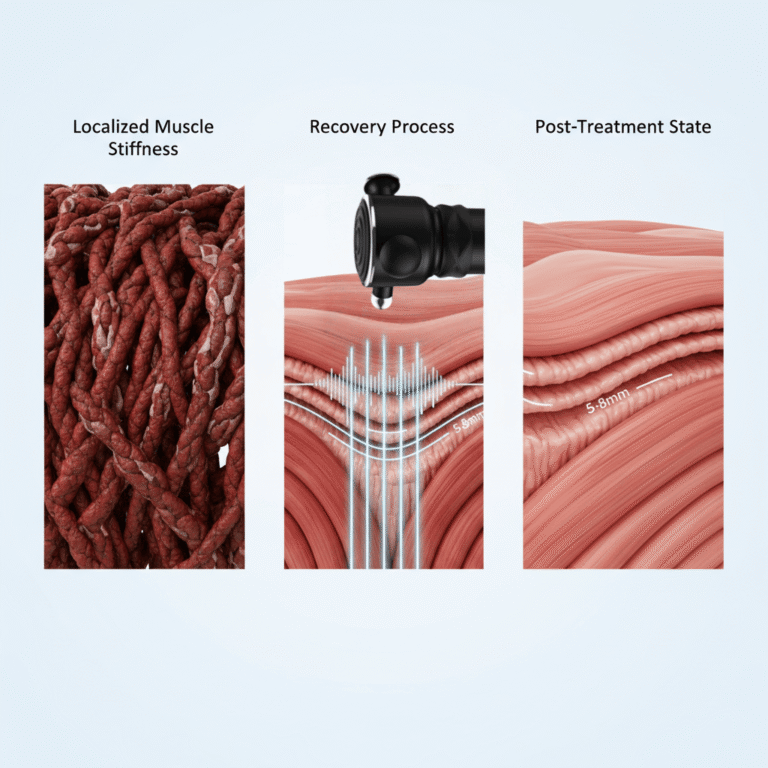
Electric muscle stimulators (EMS)1 do help with muscle recovery when used correctly. The best devices combine high-frequency vibrations2 (4000-7000+ RPM) with precise 2mm amplitude to target deep tissue layers3 (6-8mm under skin), effectively relaxing fascia and improving blood flow.
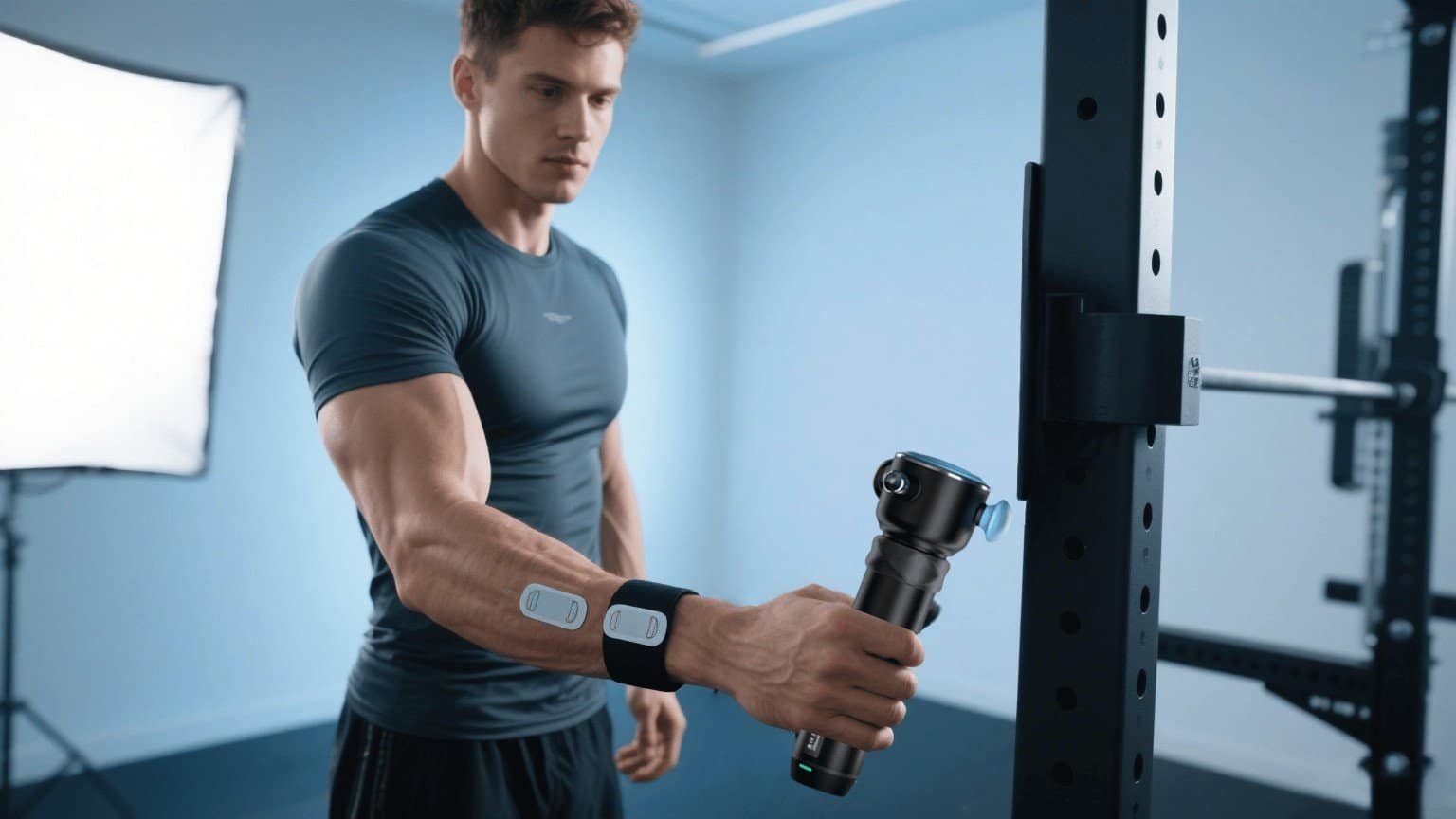
Athletes need reliable recovery methods to maintain peak performance. Let’s examine how modern muscle stimulators work and which features matter most.
What machine helps muscle recovery best?
The market offers many recovery tools, from foam rollers to high-tech devices. But which ones deliver real results for serious athletes?
The most effective muscle recovery devices4 are 3D vibration therapy guns. These combine vertical and horizontal vibrations at 4000-7000+ RPM to penetrate deep into muscle tissue, outperforming traditional massage tools5 in both speed and effectiveness.
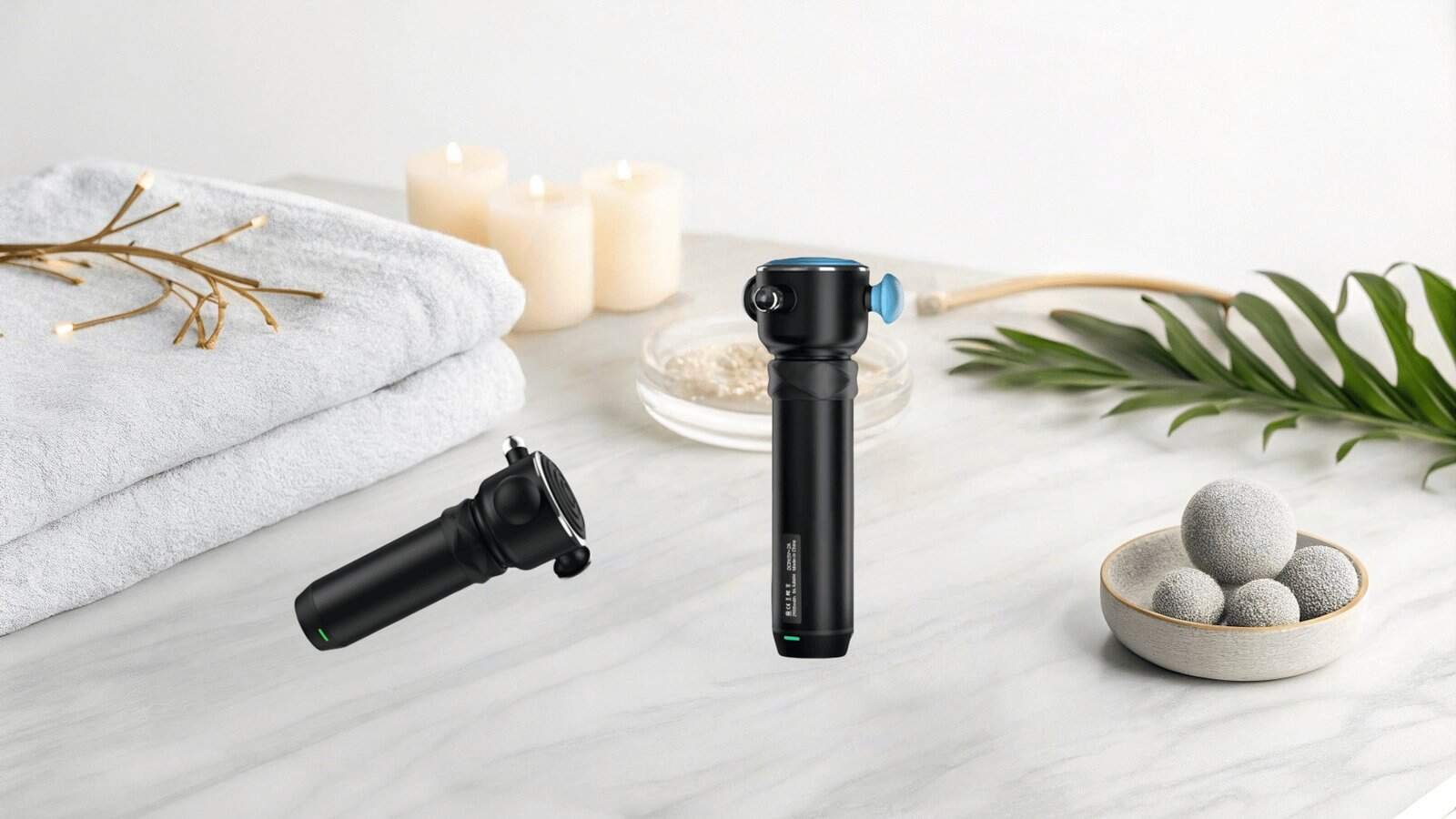
3D vibration technology represents a major advance in sports recovery equipment. Here’s why professionals prefer these devices:
Key benefits of 3D vibration therapy guns
- Deeper penetration: Reaches 6-8mm under skin to target fascia
- Dual-action relief: Vertical + horizontal vibrations work together
- Precision targeting: 2mm amplitude focuses on specific muscle knots
- Faster recovery: Reduces DOMS (delayed onset muscle soreness) significantly
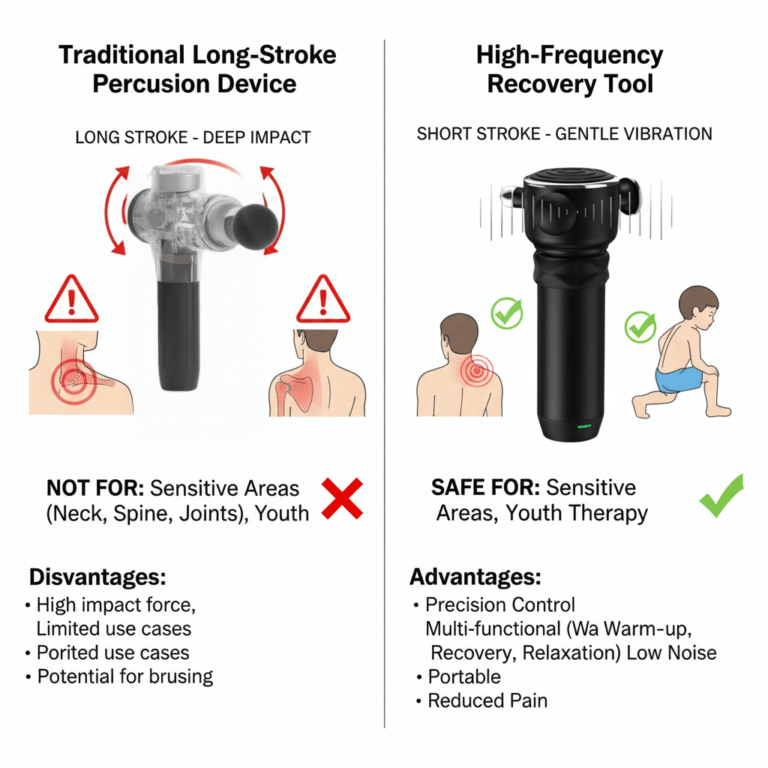
Comparison table: Traditional vs. 3D vibration devices
| Feature | Traditional Massage | 3D Vibration Gun |
|---|---|---|
| Penetration depth | 3-4mm | 6-8mm |
| Vibration types | Single direction | Multi-direction |
| Treatment time | 15-20 minutes | 5-10 minutes |
| Portable | No | Yes |
What is the best muscle stimulator6 on the market?
With so many options available, choosing the right muscle stimulator can be confusing. Price, features, and effectiveness all play important roles.
The best muscle stimulators combine high-frequency vibrations (4000-7000+ RPM) with 3D technology and ergonomic design. Top models feature adjustable speeds, multiple attachments, and at least 6-8mm penetration depth for comprehensive muscle recovery.
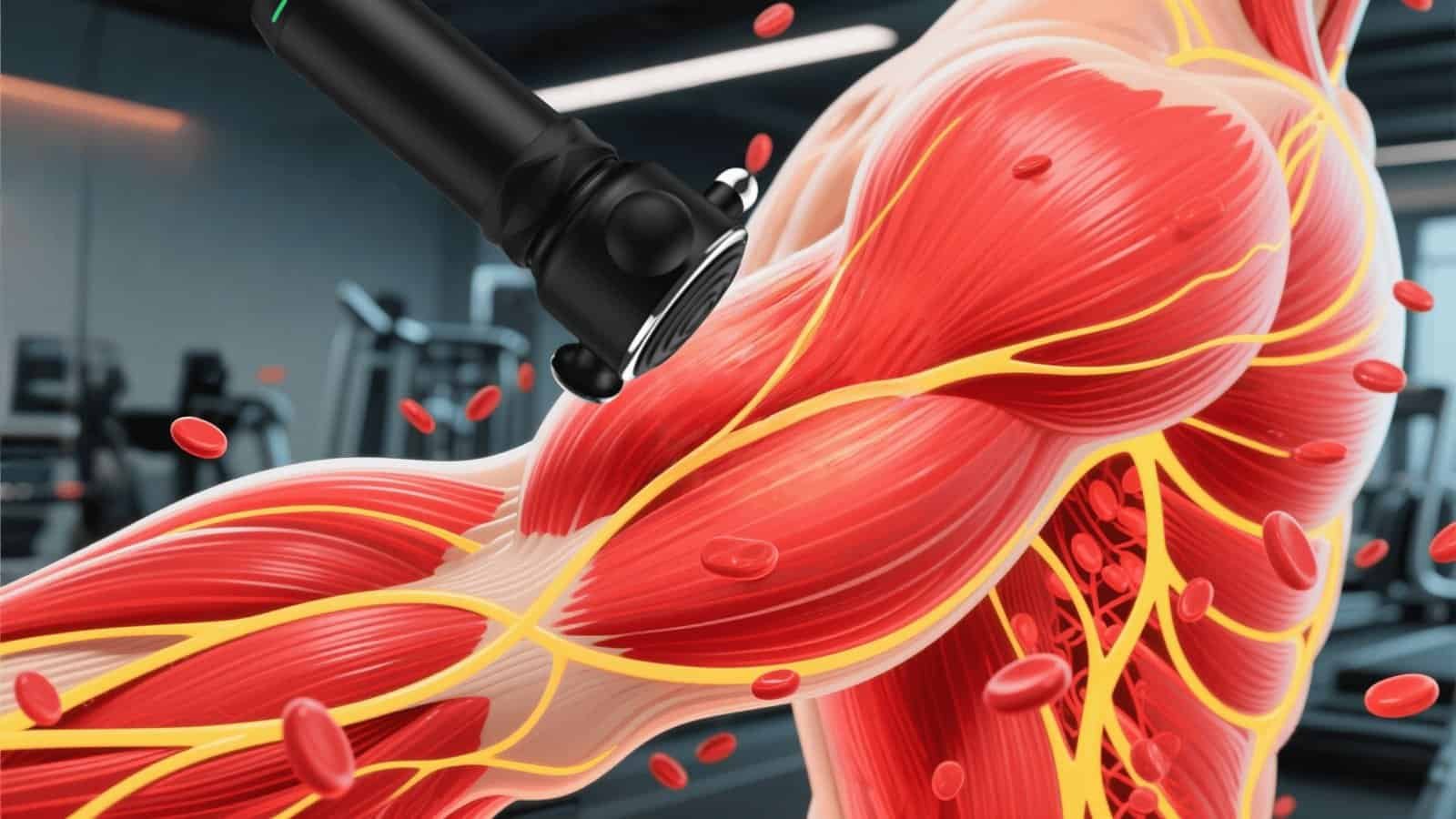
When selecting a muscle stimulator, consider these critical factors:
Essential features of professional-grade devices
- Frequency range7: 4000-7000 RPM for optimal results
- Amplitude: 2mm setting for precise targeting
- Battery life: Minimum 4 hours for athletes
- Attachments: Multiple heads for different muscle groups
- Portability: Lightweight design for travel
How advanced stimulators improve recovery
- Lactate removal8: Helps disperse lactic acid buildup
- Scar tissue treatment: Breaks down adhesions
- Blood flow increase: Promotes oxygen delivery
- Flexibility boost: Enhances range of motion
- Pain reduction: Decreases muscle tightness
Professional athletes report 30-50% faster recovery times when using high-quality 3D vibration devices compared to traditional methods. The technology has become essential in sports medicine.
Conclusion
Modern 3D vibration therapy guns offer the most effective muscle recovery, combining deep penetration with multi-directional vibrations for fast pain relief and improved performance.
-
Explore how EMS can enhance your recovery process and improve performance after intense workouts. ↩
-
Learn about the science behind high-frequency vibrations and their effectiveness in muscle recovery. ↩
-
Discover why focusing on deep tissue layers is crucial for effective muscle recovery and pain relief. ↩
-
Discover the top muscle recovery devices that can help athletes maintain peak performance and speed up recovery times. ↩
-
Learn about the differences between traditional massage tools and modern recovery devices to make informed choices for recovery. ↩
-
Discover the top muscle stimulators available to optimize your recovery and muscle health. ↩
-
Understanding frequency range can help you choose the right muscle stimulator for optimal results. ↩
-
Exploring lactate removal can provide insights into effective recovery strategies for athletes. ↩