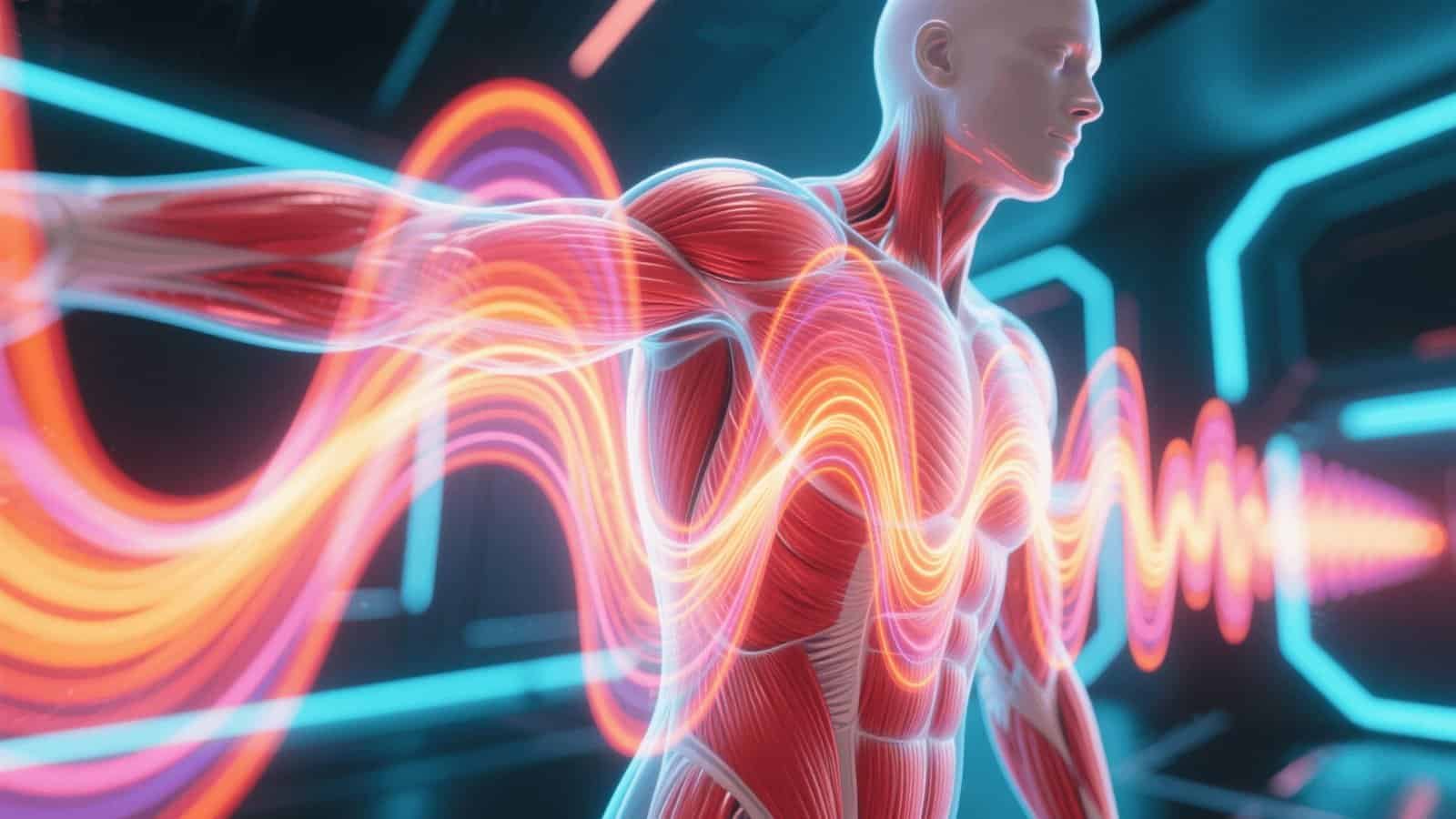
Muscle knots can be frustrating and painful. You want relief fast. But do massage guns really help? Let’s break it down.
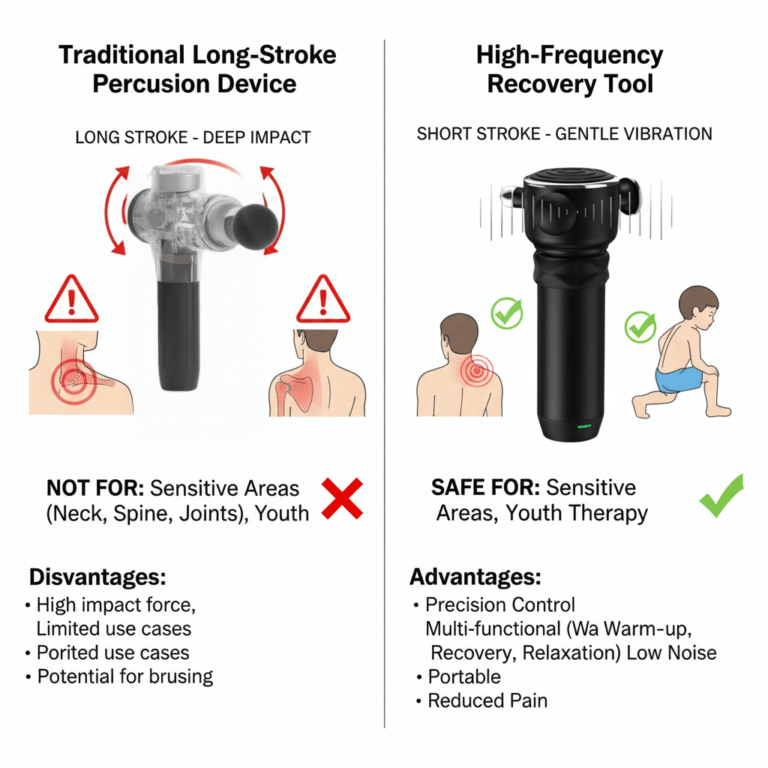
Yes, massage guns can help with muscle knots, but not all types work equally well. Traditional percussion guns use pounding motions, which may not fully release knots. 3D high-frequency massage guns combine horizontal and vertical forces to mimic kneading and pressing, making them more effective for breaking up stubborn knots.
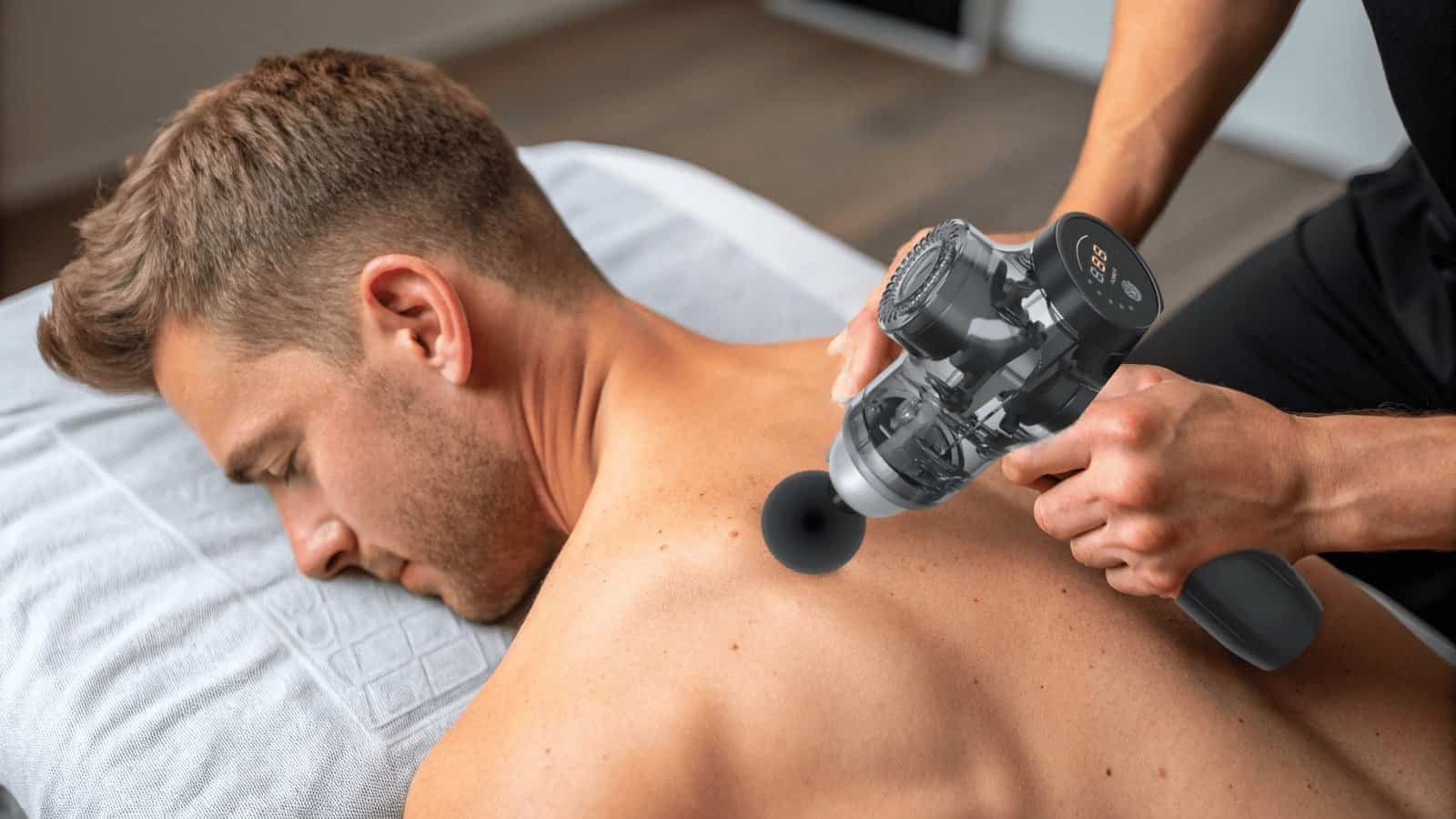
If you’ve ever had a muscle knot, you know how stubborn they can be. You might have tried stretching or resting, but the knot persists. This is where massage guns come in. But not all massage guns are created equal. Let’s explore how they work and which type is best for knots.
Does Vibration Help Knots?
Muscle knots are tight, painful spots in your muscles. You want a solution that really works. Can vibration therapy1 make a difference?
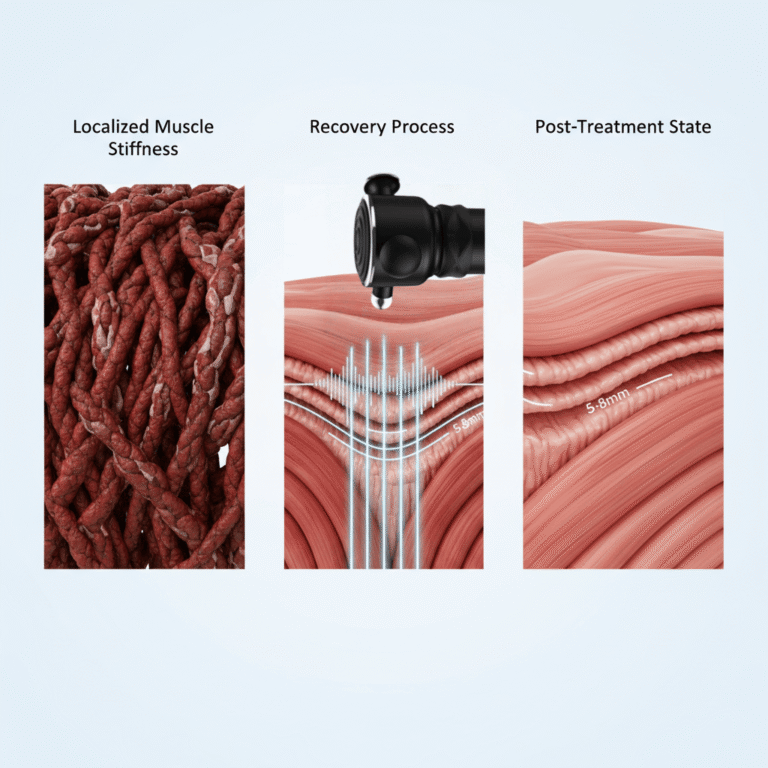
Vibration can help loosen muscle knots2 by increasing blood flow and relaxing tight muscle fibers. High-frequency vibration, especially in 3D massage guns, penetrates deeper into the tissue, providing better relief compared to simple percussion massage.
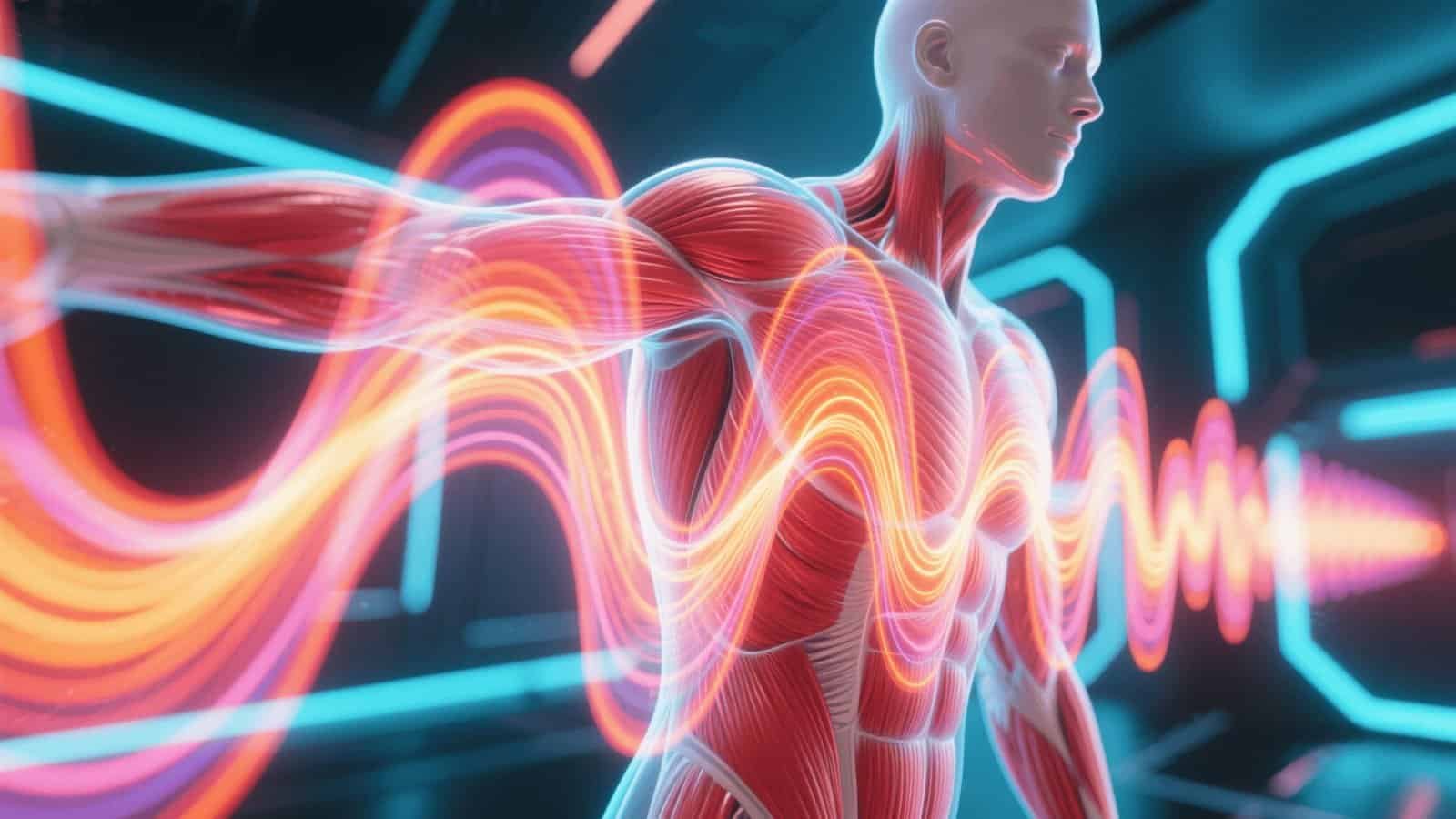
| Vibration works by stimulating the muscle fibers and improving circulation. Here’s how different types of vibration compare: | Type of Vibration | Effectiveness for Knots | How It Works |
|---|---|---|---|
| Percussion (Pounding) | Low to Moderate | Repeated pounding may loosen surface tension but doesn’t target deep knots well. | |
| 3D High-Frequency3 | High | Combines horizontal and vertical motion to mimic hand massage, breaking up knots more effectively. | |
| Low-Frequency | Moderate | Helps with general relaxation but may not fully release stubborn knots. |
For best results, look for a massage gun with adjustable speeds and 3D motion. This way, you can customize the intensity based on your pain level.
Does Foam Rolling Help Muscle Knots?
Foam rollers are a common tool for muscle recovery. But can they really get rid of knots?
Foam rolling can help with muscle knots by applying steady pressure to break up tightness. However, it requires more effort and may not reach deep knots as effectively as a 3D massage gun.
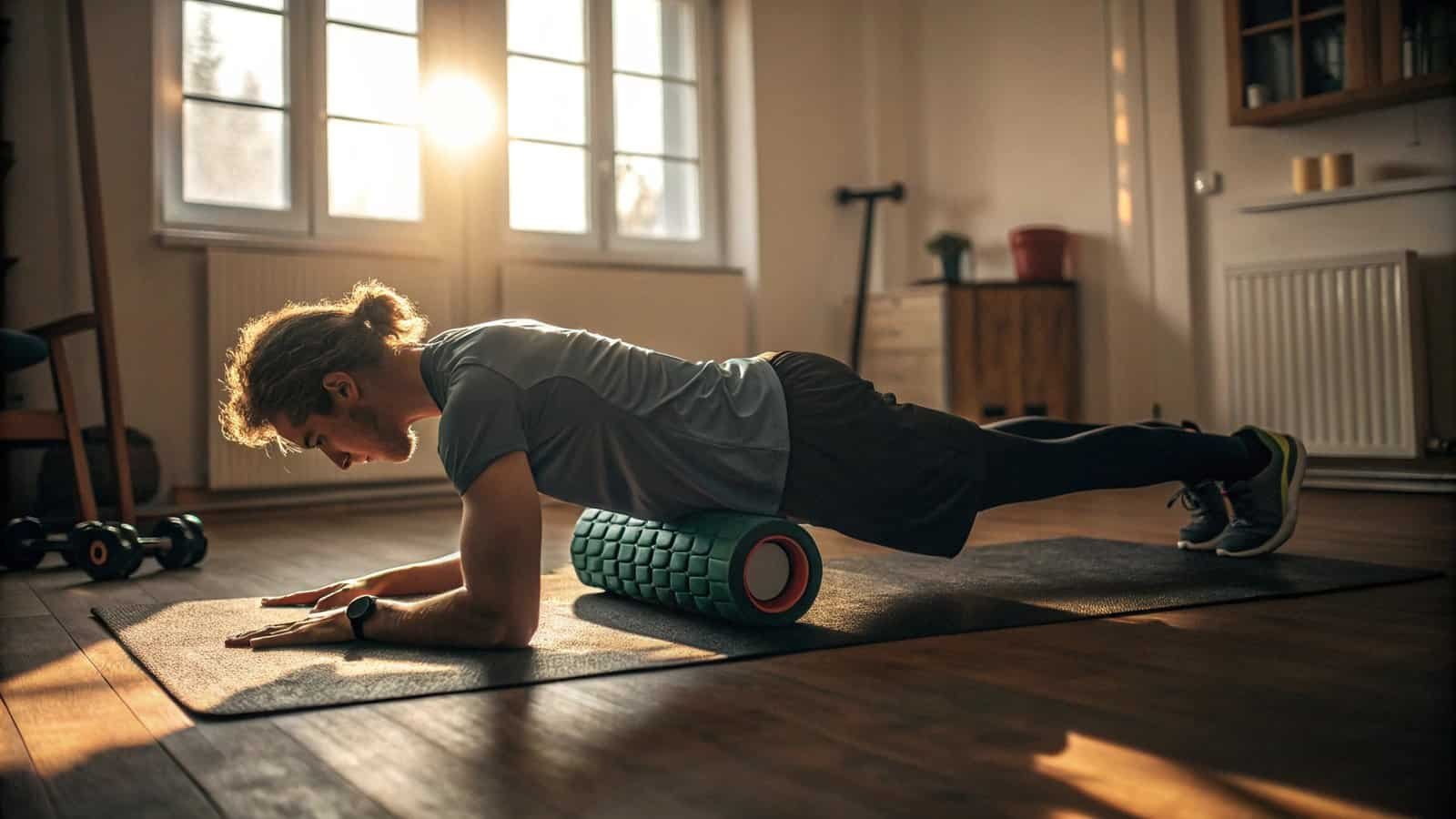
Foam rolling is a good option if you don’t have a massage gun. Here’s what you need to know:
- Pressure: You control the pressure, but it can be hard to target specific spots.
- Consistency: Requires more time and effort compared to a massage gun.
- Effectiveness: Works better for general tightness than deep knots.
If you prefer foam rolling, pair it with stretching for better results. But for quick and precise relief, a 3D massage gun is often more efficient.Should You Rub Out Muscle Knots?
You might have heard that rubbing knots can help. But is this the best approach?
Gently massaging knots can help, but aggressive rubbing may cause more irritation. A 3D massage gun provides controlled pressure and movement, making it a safer and more effective option for knot relief.
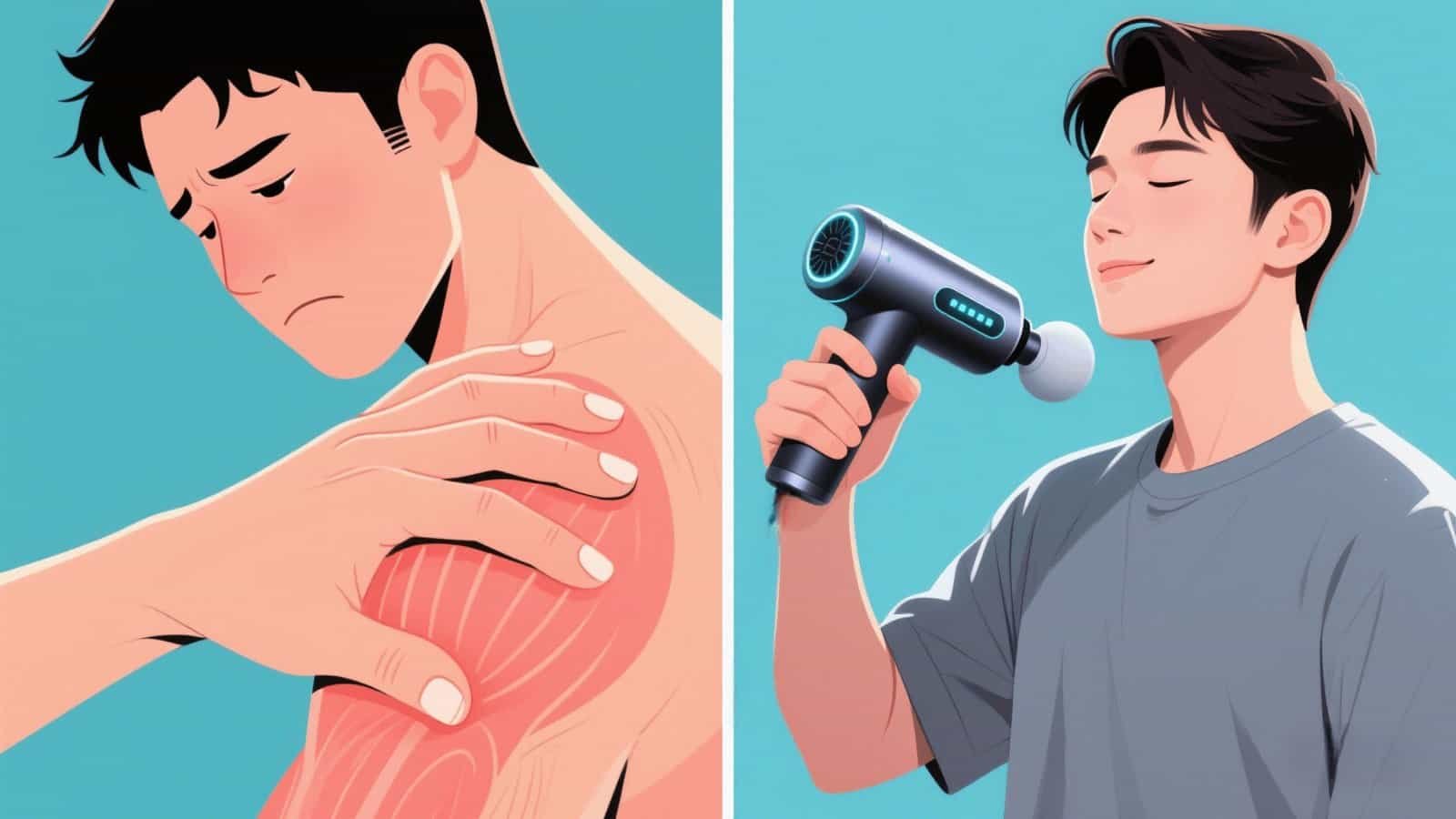
Here’s why rubbing isn’t always the best solution:
- Overstimulation: Too much pressure can worsen inflammation.
- Inefficient: Manual rubbing may not reach deep enough.
- Time-consuming: Takes longer than using a massage gun.
A better approach is using a massage gun with the right settings. Start at a low speed and gradually increase as your muscles relax.Conclusion
Massage guns can help with muscle knots, especially 3D high-frequency models. They provide deeper relief than foam rolling or manual rubbing. For best results, choose a gun with adjustable settings and use it consistently.
-
Discover how vibration therapy can effectively relieve muscle knots and improve your overall muscle health. ↩
-
Explore comprehensive treatments for muscle knots to find effective solutions for your discomfort. ↩
-
Explore the advantages of 3D High-Frequency vibration for effective muscle recovery and knot relief. ↩