For many buyers, evaluating recovery devices has become increasingly difficult.
Specifications look similar.
Marketing language sounds familiar.
And most products claim to deliver “deep recovery” or “professional results.”
Yet in real-world procurement, many recovery tools fail to meet expectations once deployed.
This article provides a practical evaluation framework for buyers who need recovery devices that perform reliably across real usage scenarios, not just during demos.
Why Traditional Evaluation Criteria Are No Longer Enough
Historically, recovery devices were evaluated using a narrow set of parameters:
- Stroke length
- Stall force
- Maximum output
- Motor power
While these metrics are easy to compare, they do not reflect how recovery devices are actually used today.
Modern recovery is:
- Frequent
- Multi-scenario
- Used by different user profiles
- Expected to integrate into daily routines
This shift aligns with broader discussions in performance management, where recovery is increasingly treated as a continuous process, not a one-time intervention
(American College of Sports Medicine – Training Load & Recovery).
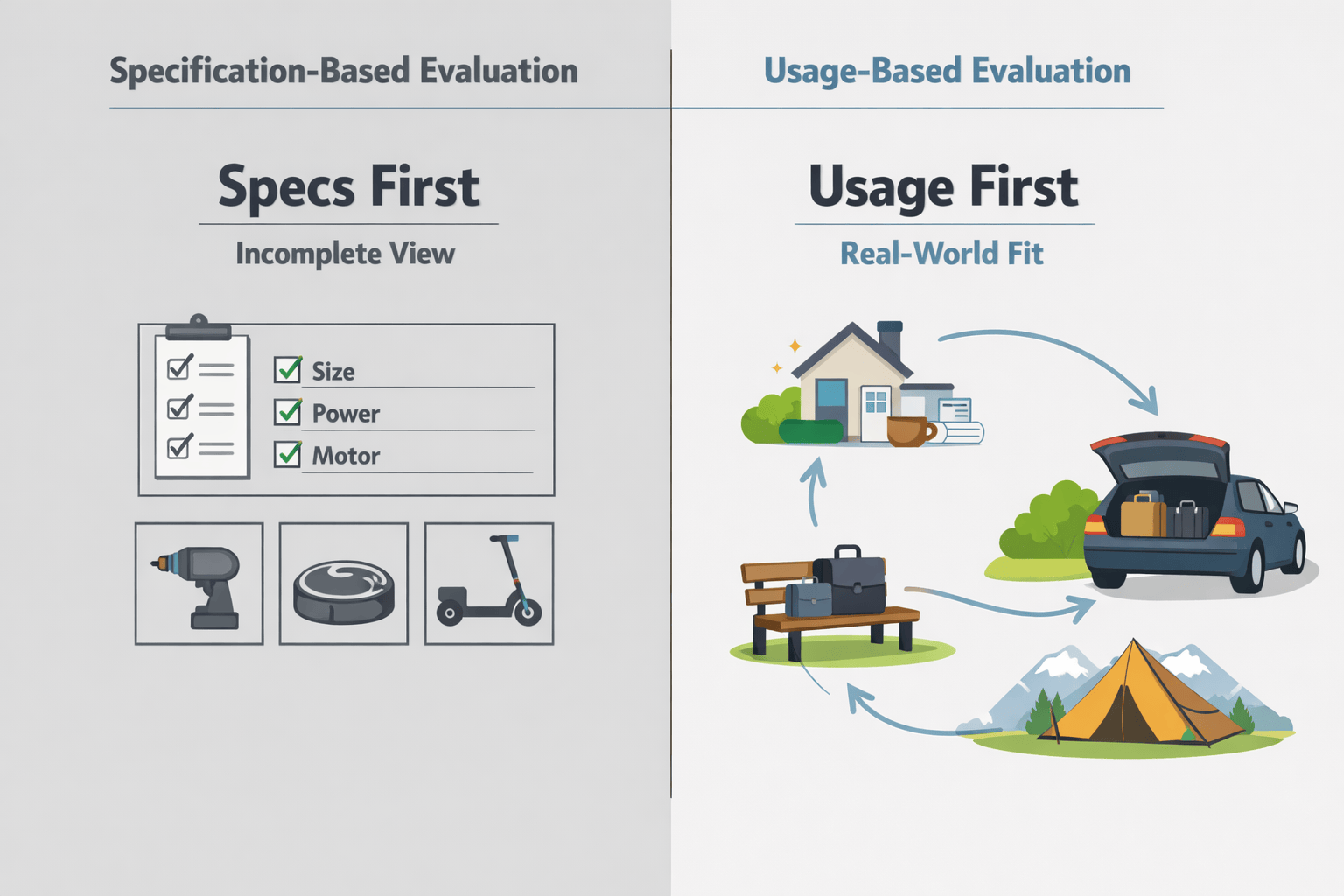
Step 1: Start With Usage Scenarios, Not Specifications
Before comparing products, buyers should clearly define where and how the device will be used.
Key questions include:
- Will the device be used daily or occasionally?
- Is it intended for one user type or multiple?
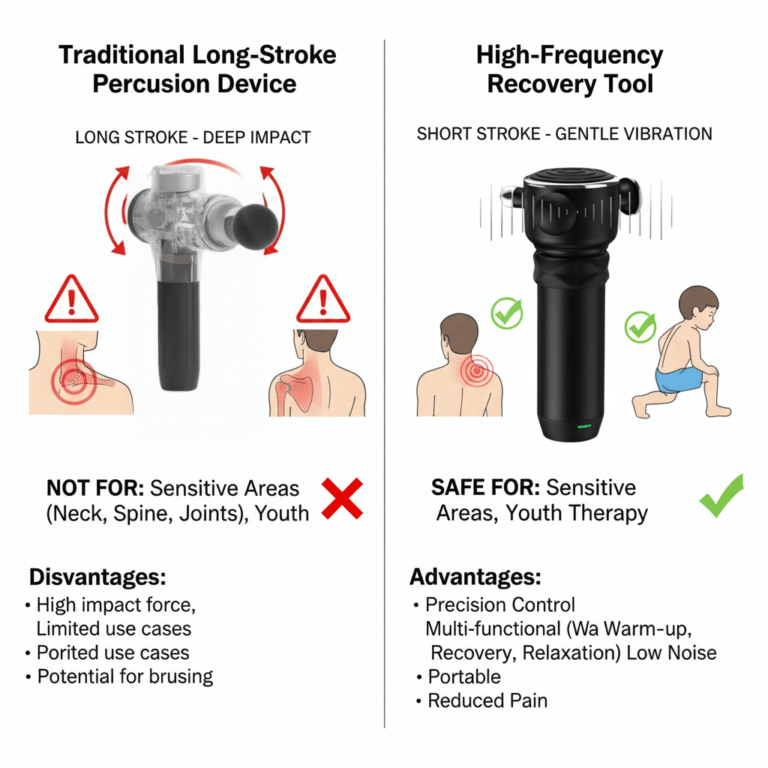
- Will it be applied to large muscle groups only, or also smaller, sensitive areas?
- Is portability required?
A device optimized for one scenario may underperform in another.
Effective evaluation begins with scenario mapping, not feature comparison — a principle widely emphasized in applied performance system design
(National Strength and Conditioning Association – Performance Systems).
Step 2: Evaluate Adaptability, Not Maximum Output
One of the most common procurement mistakes is overvaluing maximum intensity.
In practice, buyers should assess:
- How precisely intensity can be controlled
- Whether performance remains stable at lower loads
- How the device behaves during longer sessions
- Whether it supports repeatable use without fatigue
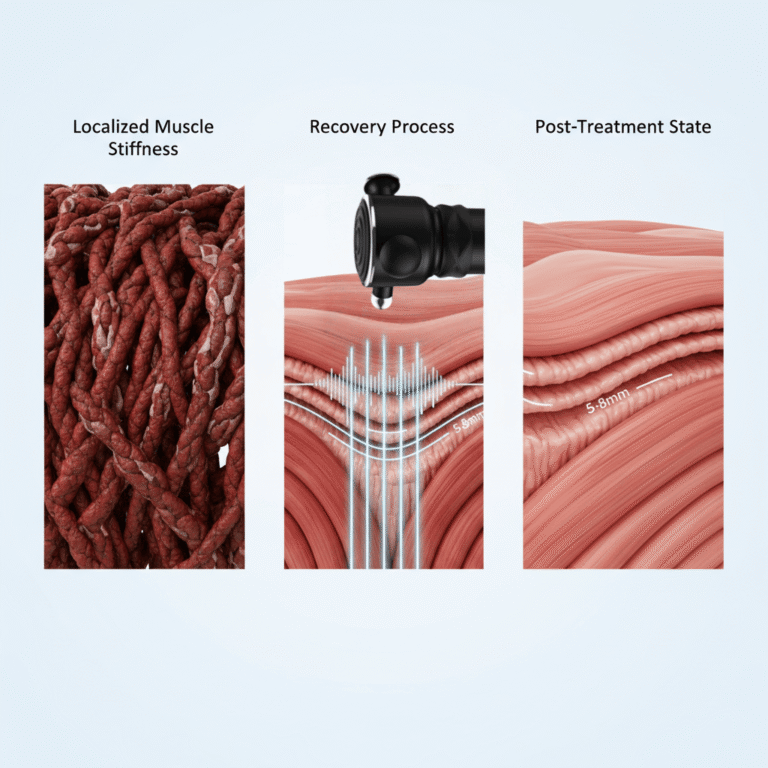
Recovery effectiveness is defined by control and consistency, not peak power.
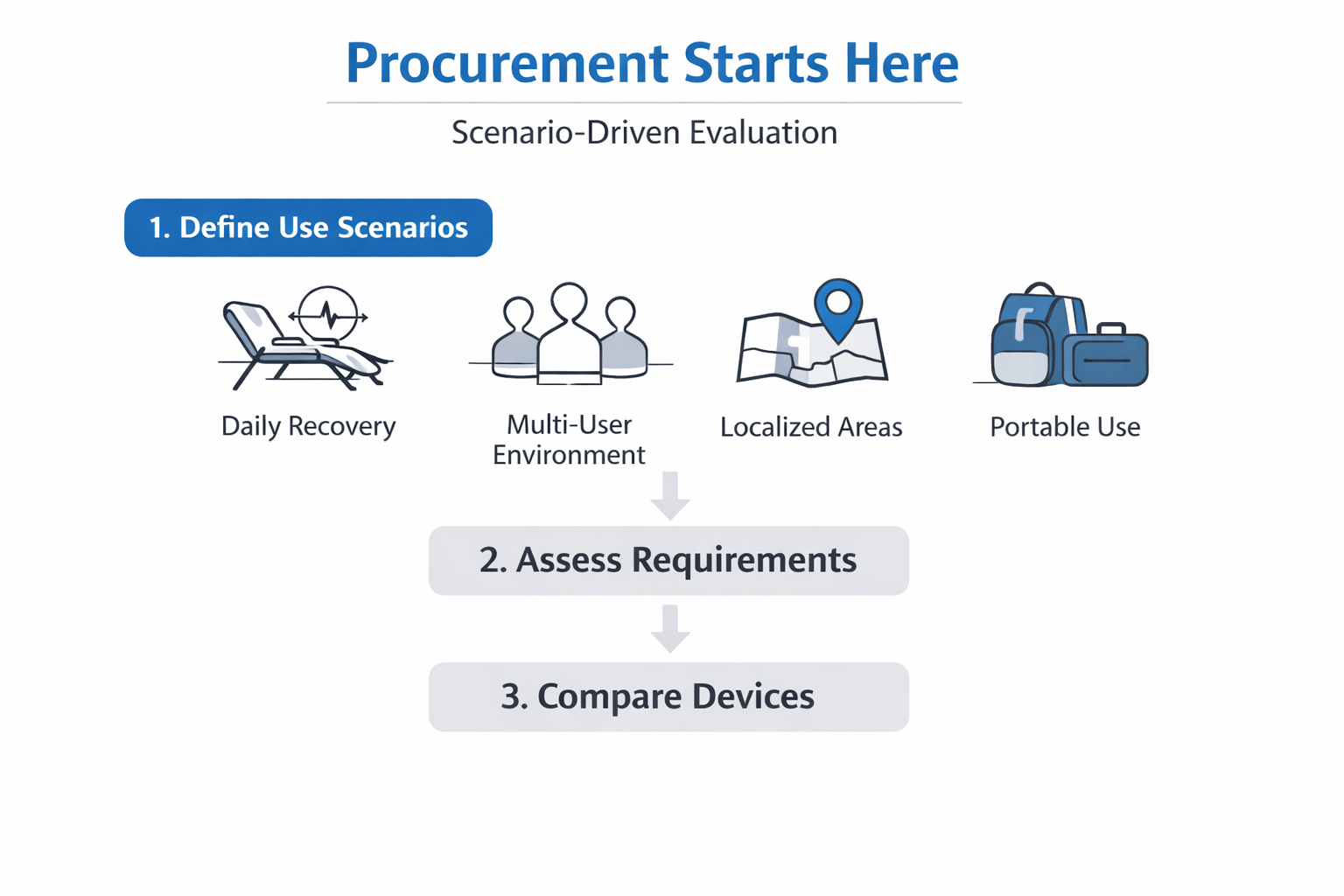
Step 3: Assess Coverage Across the Body
A recovery device should not be judged solely on how it performs on large muscle groups.
Buyers should consider:
- Performance on localized areas
- Ease of use near joints or compact muscle zones
- Whether stimulation feels consistent across different body regions
Devices built around a single stimulation pattern often struggle to maintain effectiveness across diverse applications, especially in multi-user environments.
Step 4: Consider Long-Term Use and Operational Reality
Beyond technical performance, procurement decisions should factor in operational sustainability.
Questions to ask include:
- Can the device be used safely and comfortably on a daily basis?
- Does it require frequent adjustment or supervision?
- How intuitive is it for different users?
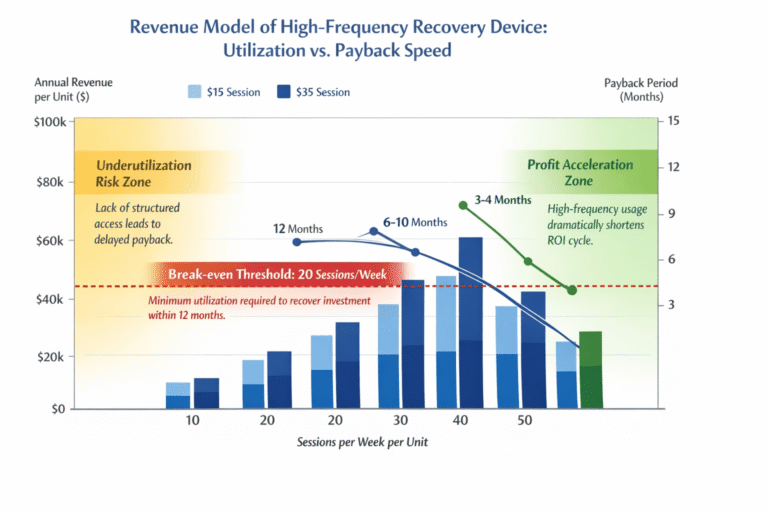
- Will usage decline over time due to discomfort or complexity?
Research and practice in rehabilitation and performance environments consistently show that adoption and consistency matter more than peak capability
(World Physiotherapy – Technology in Rehabilitation).
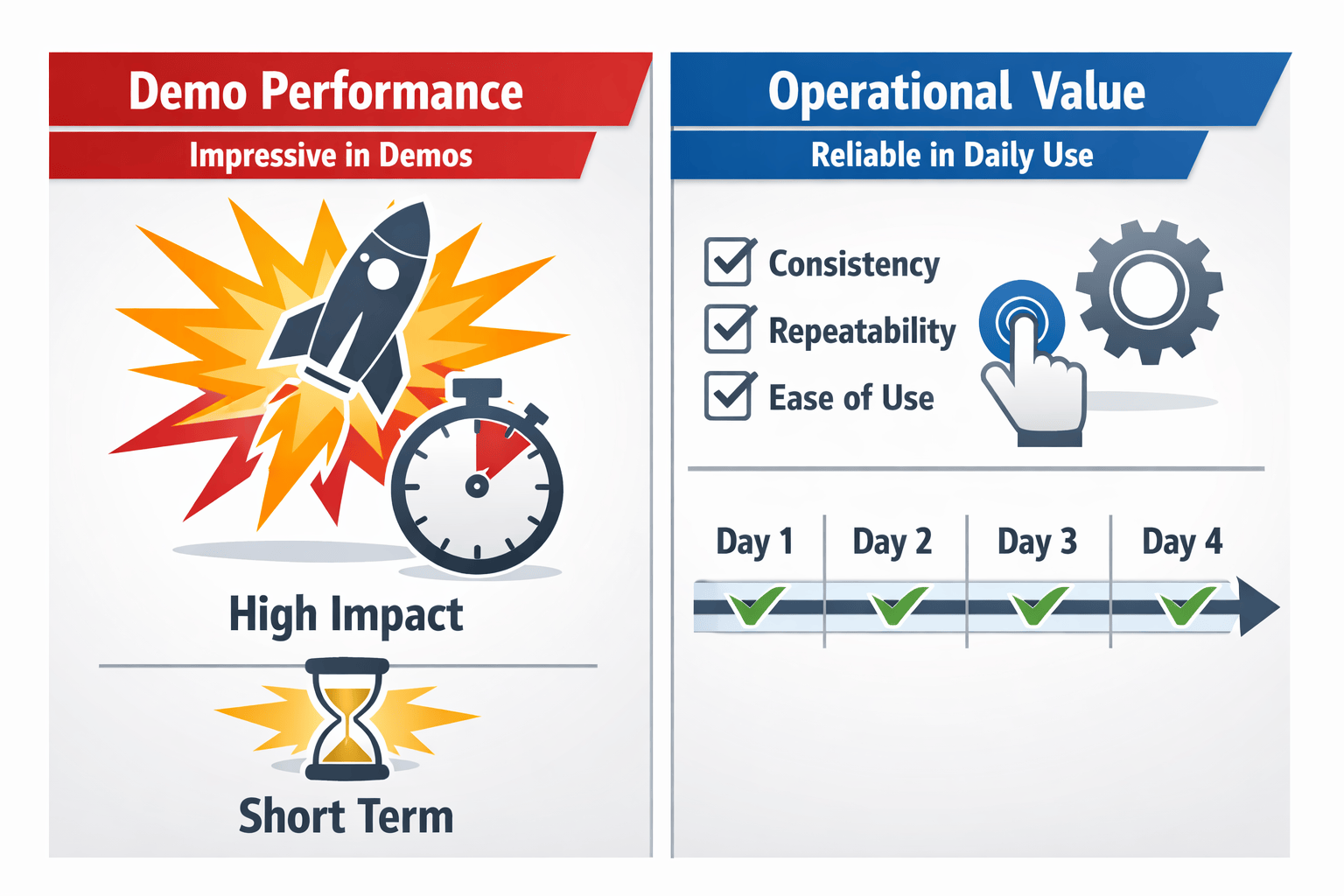
Step 5: Look for Structural Flexibility, Not Feature Quantity
Buyers are often presented with long feature lists.
Instead of counting features, focus on:
- Whether the device architecture supports different recovery intensities
- How easily it transitions between use cases
- Whether design choices reduce compromise across scenarios
Structural flexibility matters more than the number of modes, attachments, or presets.
A Modern Procurement Mindset
Today’s most effective buyers approach recovery devices as systems, not standalone tools.
They prioritize:
- Reliability over novelty
- Adaptability over raw power
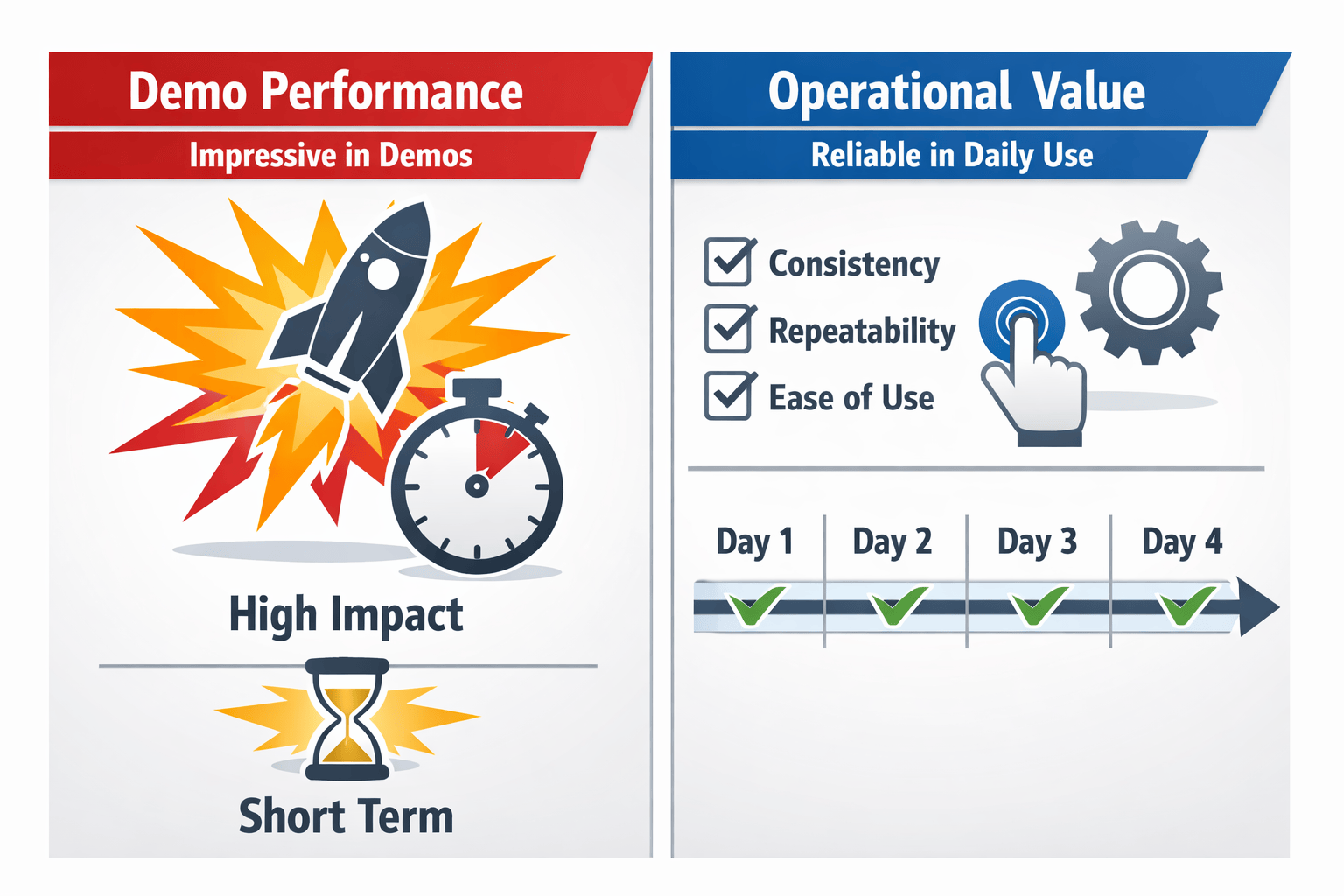
- Long-term usability over demo performance
This mindset shift leads to better outcomes for users, operators, and organizations alike.
Final Thought
Recovery devices are no longer evaluated by how impressive they feel in the first minute.
They are evaluated by:
- How often they are used
- How many scenarios they support
- How consistently they deliver results over time
For buyers navigating an increasingly crowded market, clear evaluation frameworks matter more than ever.
If you are reviewing or sourcing recovery devices and want to discuss evaluation criteria or system-level considerations, feel free to reach out for a professional conversation.