Are you struggling to reach your peak athletic performance1? Do you feel stuck, no matter how much you train? Feeling frustrated with slow progress is common.
To improve athletic performance1, a structured approach2 combining various training methods and recovery strategies3 is key. This includes strength training4, cardiovascular conditioning5, flexibility work6, and proper nutrition7, all tailored to your specific sport and goals.
It’s a journey to unlock your full athletic potential. But before we explore how to get there, let’s understand something crucial about the landscape of sports.
How does money affect sports performance?
Does having more money automatically mean better athletic results? It’s a question many athletes and fans ponder.
Money can significantly influence sports performance by providing access to better resources. This includes advanced training facilities8, top-tier coaching, specialized equipment, and comprehensive sports science support9.
While financial backing opens doors to many advantages, it’s not the sole determinant of success. Dedication, natural talent, and smart training play equally vital roles.
What is a sports training program10?
When you hear "sports training program10," what comes to mind? Is it just working out harder?
A sports training program10 is a structured plan designed to improve an athlete’s physical and mental capabilities for a specific sport. It’s more than just spontaneous workouts; it’s a deliberate strategy.
It typically involves a periodized approach, focusing on different aspects of fitness at different times. This ensures the athlete peaks at the right moments, like during competitions. Key components often include strength and conditioning, skill development, injury prevention11, and recovery strategies3.
Key Components of a Sports Training Program
My experience with training programs has shown me that they need to be holistic. It’s not just about lifting weights or running fast. A well-rounded program considers all aspects of an athlete’s development. I’ve seen firsthand how neglecting one area can hold an athlete back, despite excellence in others.
This is where the idea of combining different approaches comes into play. For instance, I remember a time I was focusing heavily on strength training4 but not enough on flexibility. I noticed my range of motion was becoming limited, affecting my technique. That taught me a valuable lesson about balance.
Here’s a breakdown of what usually goes into a comprehensive program:
| Component | Description | My Experience/Insights |
|---|---|---|
| Strength Training | Building muscle power and endurance to support movements and prevent injuries. | Crucial for explosive power in sprints and stability during complex maneuvers. |
| Cardiovascular | Improving heart and lung function for sustained energy during prolonged activity. | Essential for endurance athletes and for ensuring faster recovery between intense efforts. |
| Flexibility | Enhancing range of motion in joints and muscles to improve performance and reduce injury risk. | Improved my ability to perform complex gymnastic moves and reduced post-workout soreness. |
| Skill Practice | Specific drills and repetitions to hone sport-specific techniques and strategies. | The difference between good and great often lies in mastering the nuances of the sport. |
| Nutrition | Fueling the body with the right nutrients for energy, recovery, and muscle repair. | What I eat directly impacts my energy levels and how quickly I bounce back from tough sessions. |
| Recovery | Strategies like sleep, rest days, and active recovery to allow the body to repair and adapt. | Often overlooked, but vital. This is when the actual gains are made. |
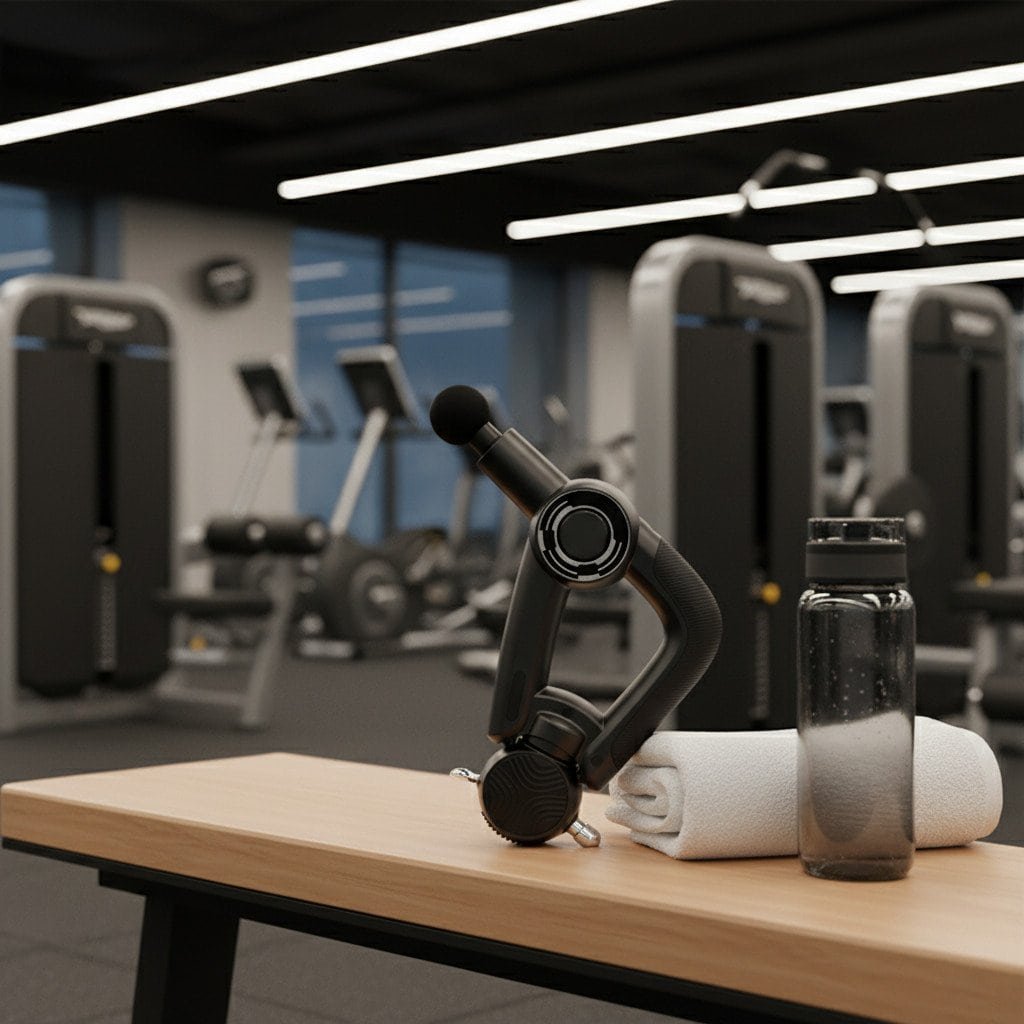
My insights into YD023 therapy gun12 perfectly align with the recovery aspect. Muscle strains, joint sprains, and ligament damage are common. Waiting for a physical therapist can mean more pain and missed training. Especially with chronic issues, one session isn’t enough, and the costs add up.
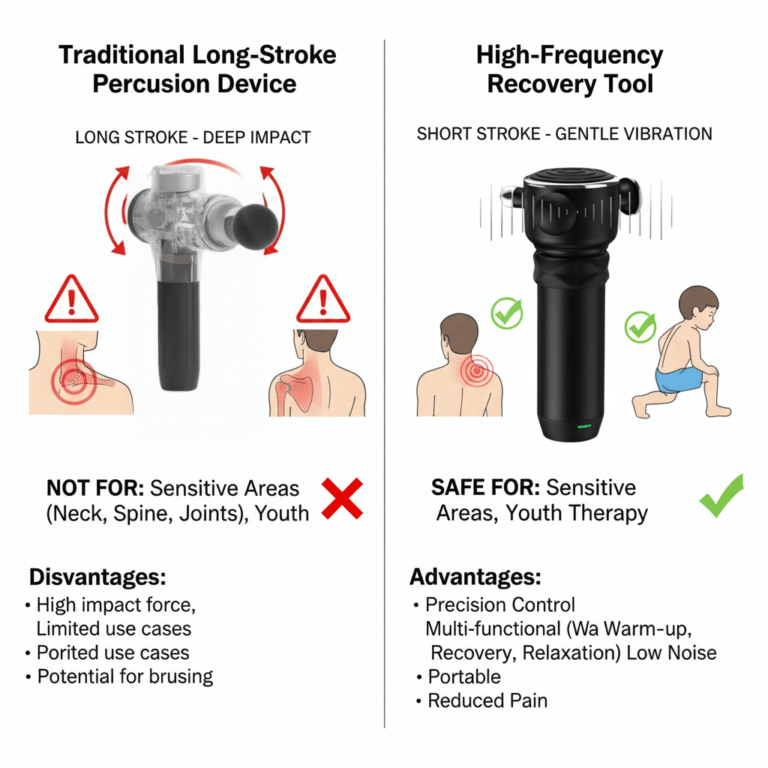
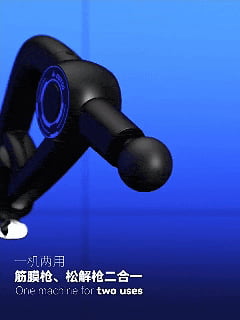
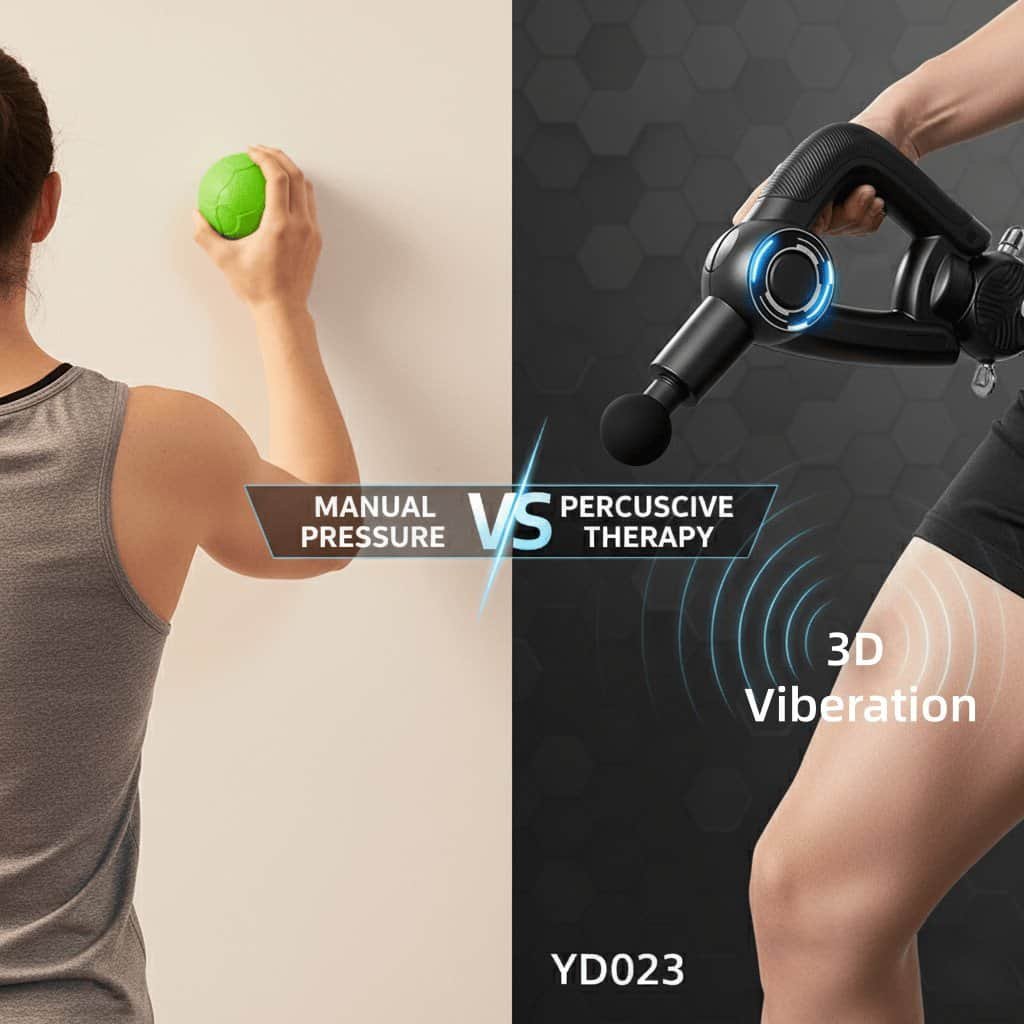
The YD023, by combining a percussion massage gun and a release gun, offers a solution. Using the YD023’s 16mm stroke percussion function on large muscle groups helps relax them. Then, targeting joints or specific pain points with the release gun provides focused relief.
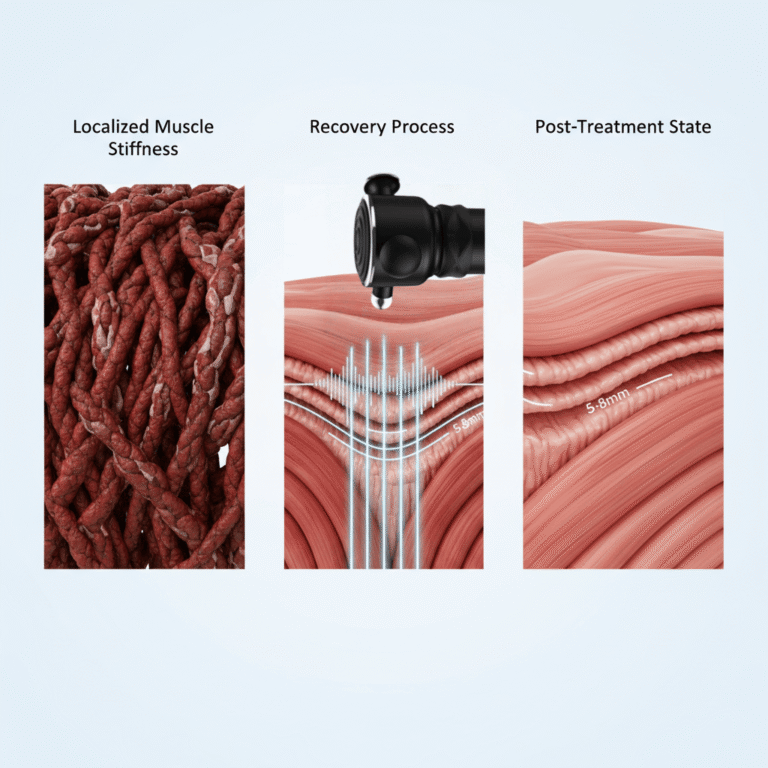
This device is designed for immediate field-side treatment. Its rapid release technology13 operates at high frequencies (4000-6500 RPM) with a low amplitude (2mm) and 3D vibration. This allows the waves to penetrate 6-8mm deep, reaching the fascial layer. This is excellent for injury prevention11 and recovery.
The high frequency can trigger reflexes that quickly ease muscle cramps and spasms. Even though the frequency is high, the low amplitude makes the treatment comfortable, even on bony areas. You can get this relief without waiting for a therapist appointment and enduring prolonged pain.
For rehabilitation, these deep oscillations can help reactivate nerves. Targeted massage on sensitive areas like the neck, subscapularis, forearms, and wrists can release tension and reduce pain from fascial inflammation.
This method is also great for preventing and treating myofascial pain syndrome14 and chronic fatigue15. Its compact size makes it easy to use on the neck, shoulders, knees, and ankles.
Is there a way to tell if you’ve reached your athletic potential?
We all wonder if we’ve done all we can. How do you know if you’ve hit your limit?
It’s challenging to definitively say when an athlete has reached their absolute potential. However, several indicators suggest you are nearing or have reached a plateau.
These signs can include a lack of significant improvement despite consistent and varied training, persistent fatigue, recurrent minor injuries, and a feeling that your body is no longer responding positively to training stimuli.
Recognizing Plateaus and Continued Growth
When I’ve experienced a plateau, it’s usually a sign that something in my training or recovery needs adjustment. It’s not necessarily the end of the road, but a signal to re-evaluate. I recall a period where my strength gains stalled completely. It was frustrating, feeling like I was doing all the right things but not seeing results.
This is where understanding the nuances of recovery and targeted therapies becomes critical. My journey with sports rehabilitation equipment, especially the Myyuedong YD023, has highlighted how tools can help break through these plateaus.
Let’s look at the device’s capabilities in more detail:
| Feature | Benefit for Athletes | My Application Examples |
|---|---|---|
| Rapid Release Technology (5500-7000 RPM, 2mm Amplitude, 3D Vibration) | This technology targets scar tissue16 and adhesions, which are stiff, rope-like fibers formed after injury or overuse that restrict movement and cause pain. The YD023’s deep-penetrating vibration helps break down these adhesions, improving flexibility and reducing discomfort. The high frequency can also trigger the "tonic vibration reflex," swiftly relieving muscle spasms and tightness. This is crucial for athletes who experience muscle guarding17 or stiffness that hinders performance. The low amplitude ensures the vibrations reach deep into the muscle and fascial layers (6-8mm) without causing discomfort, making treatment suitable even for sensitive areas or around joints. This targeted approach aids in neuromuscular reactivation18 and promotes healing. | After a particularly tough leg day where my hamstrings felt incredibly tight, I used the YD023. By targeting specific knots with the high-frequency vibration on my hamstrings and calves, I felt a significant release. This allowed me to perform my next lifting session with better form and less apprehension about pulling a muscle. It’s like releasing a tightly wound spring. |
| Combined Percussion and Release Functions | The YD023 combines the benefits of a percussion massage gun and a release gun. Initially, the 16mm stroke of the percussion gun is used to relax large muscle groups, preparing them for more targeted work. Following this, the release gun can be precisely applied to areas around joints or specific trigger points for deeper, more localized myofascial release. This dual action provides a comprehensive approach to muscle health, addressing both broad muscle relaxation and critical problem areas simultaneously. This can significantly enhance overall recovery and readiness for subsequent training sessions. | I’ve found this combination invaluable. For example, before a long trail run, I’d use the percussion function on my quads and glutes to warm them up. Then, I’d use the release function with its finer control on my IT bands and around my knees, areas prone to tightness for me. This pre-run ritual has noticeably reduced post-run soreness and stiffness. |
| Portability and Ease of Use (0.54KG, 90x90x187mm) | Its compact size and low weight (0.54kg) make the YD023 extremely portable. Athletes can easily carry it in their gym bag or luggage, enabling them to get treatment wherever they are – on the field, at the gym, or even while traveling. This accessibility ensures that recovery and injury management can happen promptly, without the need to wait for access to larger equipment or professional appointments. The intuitive design also means users can effectively self-administer treatment. | Traveling for competitions used to mean interrupting my recovery routine. Now, I simply pack the YD023. It’s light enough not to be a burden, and I can use it in my hotel room to work out knots or sore muscles after a long day of travel or a competition. It acts as my personal physio on the go. |
The risk of secondary injury from improper techniques is a serious concern. Relying on untrained individuals or using ineffective methods can cause more harm than good. Devices like the YD023, with their consistent and scientifically backed technology, help mitigate this risk. The precise control over frequency and amplitude, combined with the 3D vibration pattern, ensures a safe and effective treatment targeting the fascial layer and surrounding tissues. This allows for efficient muscle and fascial relaxation, aiding in faster and more effective sports recovery.
Conclusion
Unlock peak athletic performance1 with a structured plan and advanced recovery tools. Consistent training and smart recovery are your keys to success.
-
Explore effective strategies to enhance your athletic performance and reach your peak potential. ↩ ↩ ↩
-
Learn how a structured approach can optimize your training and recovery for better results. ↩
-
Discover various recovery strategies that can enhance your performance and speed up healing. ↩ ↩
-
Discover the crucial role of strength training in enhancing athletic performance and preventing injuries. ↩ ↩
-
Understand the importance of cardiovascular conditioning for sustained energy and recovery. ↩
-
Find out how flexibility work can enhance performance and reduce injury risk. ↩
-
Explore how proper nutrition fuels your body for optimal performance and recovery. ↩
-
Discover how advanced training facilities can enhance your training experience. ↩
-
Learn about the importance of sports science support in optimizing athletic performance. ↩
-
Get insights into the essential components of an effective sports training program. ↩ ↩ ↩
-
Learn effective strategies for preventing injuries and ensuring long-term athletic success. ↩ ↩
-
Explore how the YD023 therapy gun can enhance your recovery and performance. ↩
-
Learn about rapid release technology and its advantages for muscle recovery. ↩
-
Learn about myofascial pain syndrome and effective treatment options. ↩
-
Understand the causes of chronic fatigue and how to manage it effectively. ↩
-
Understand the impact of scar tissue on performance and how to manage it. ↩
-
Find out how to address muscle guarding to improve your athletic performance. ↩
-
Explore the significance of neuromuscular reactivation in athletic training. ↩