Physical therapy clinics accelerate sports injury recovery fastest not when they add more effort, but when they remove operational friction that quietly slows every session. In practice, clinics that appear to recover athletes faster usually operate with tighter workflows, less variability, and fewer people-dependent steps.
This pattern typically becomes visible when clinics enter a growth phase. Volume increases, schedules tighten, and suddenly recovery feels harder to control—not because staff are less capable, but because the system is no longer carrying the load it used to.
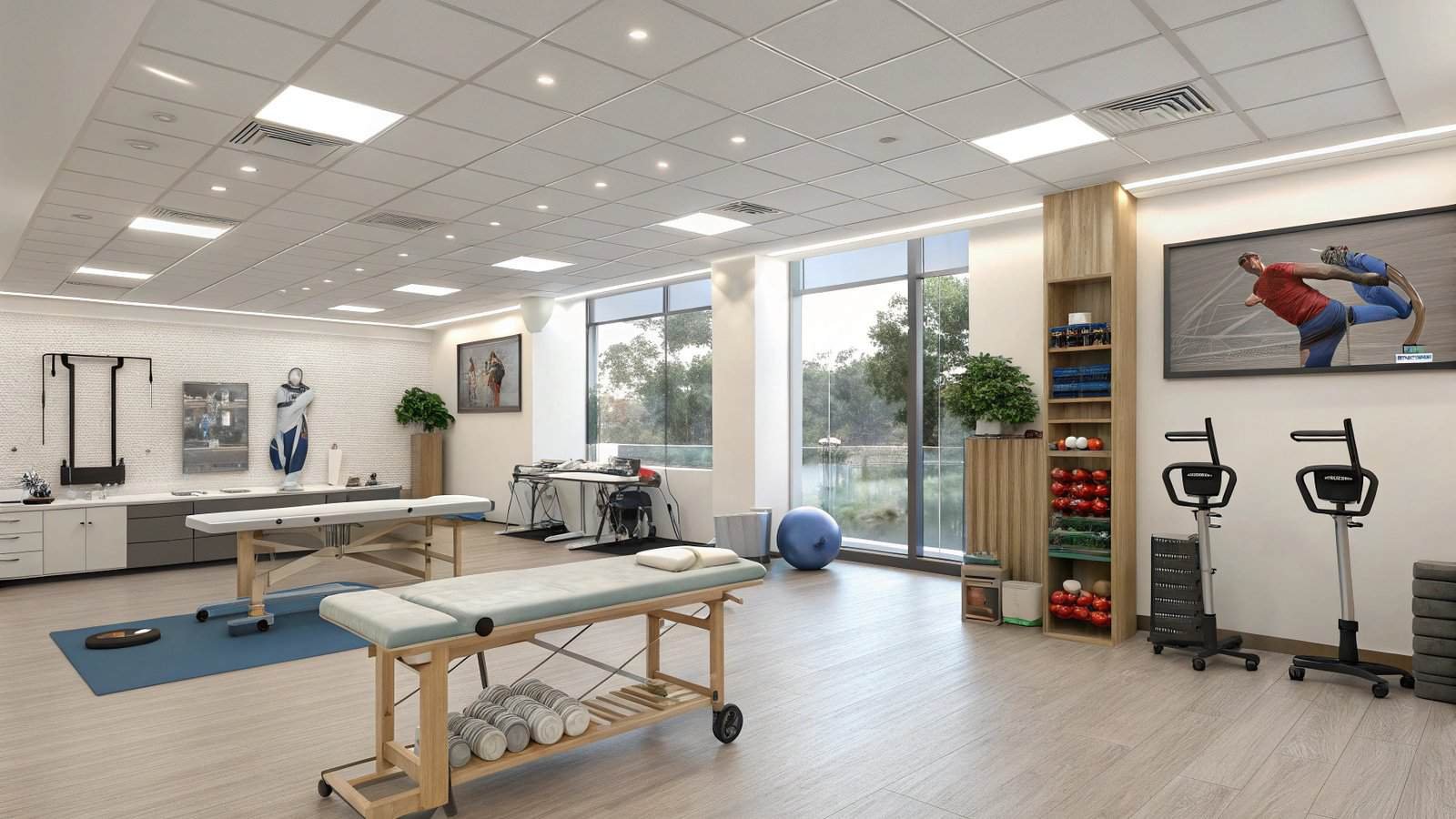
At this stage, recovery speed is no longer a clinical question. It becomes an operational one.
Why recovery slows down exactly when clinics get busier
From an operational perspective, recovery timelines start slipping when repeatable steps rely too heavily on manual consistency.
In real-world clinic settings, preparation and recovery are performed dozens of times per day. They are time-sensitive, often delegated, and rarely identical across staff. As volume grows, small differences accumulate—sessions start later, preparation gets compressed, and readiness becomes uneven.
Most clinics don’t notice this immediately. What they notice instead is:
- Schedules feel tighter than before
- Staff are busier, but throughput hasn’t increased
- Athletes need more time to feel “ready”

| What Clinics Observe | What’s Actually Happening |
|---|---|
| Sessions feel rushed | Preparation lacks standardization |
| Staff workload increases | Systems don’t scale with volume |
| Recovery feels inconsistent | Execution depends on individuals |
| Capacity plateaus | Variability consumes time |
At this point, clinics often try to manage variability. High-performing clinics remove it.
How clinics that scale successfully protect consistency
How clinics improve outcomes is typically driven by how quickly they standardize steps that don’t require judgment.
Experienced operators recognize a turning point:
when preparation and recovery are repeated at scale, asking staff to manually recreate consistency becomes a bottleneck.
Instead, these clinics shift consistency into infrastructure. Preparation becomes predictable. Recovery inputs become uniform. Staff energy is preserved for higher-value interaction rather than repeated setup.
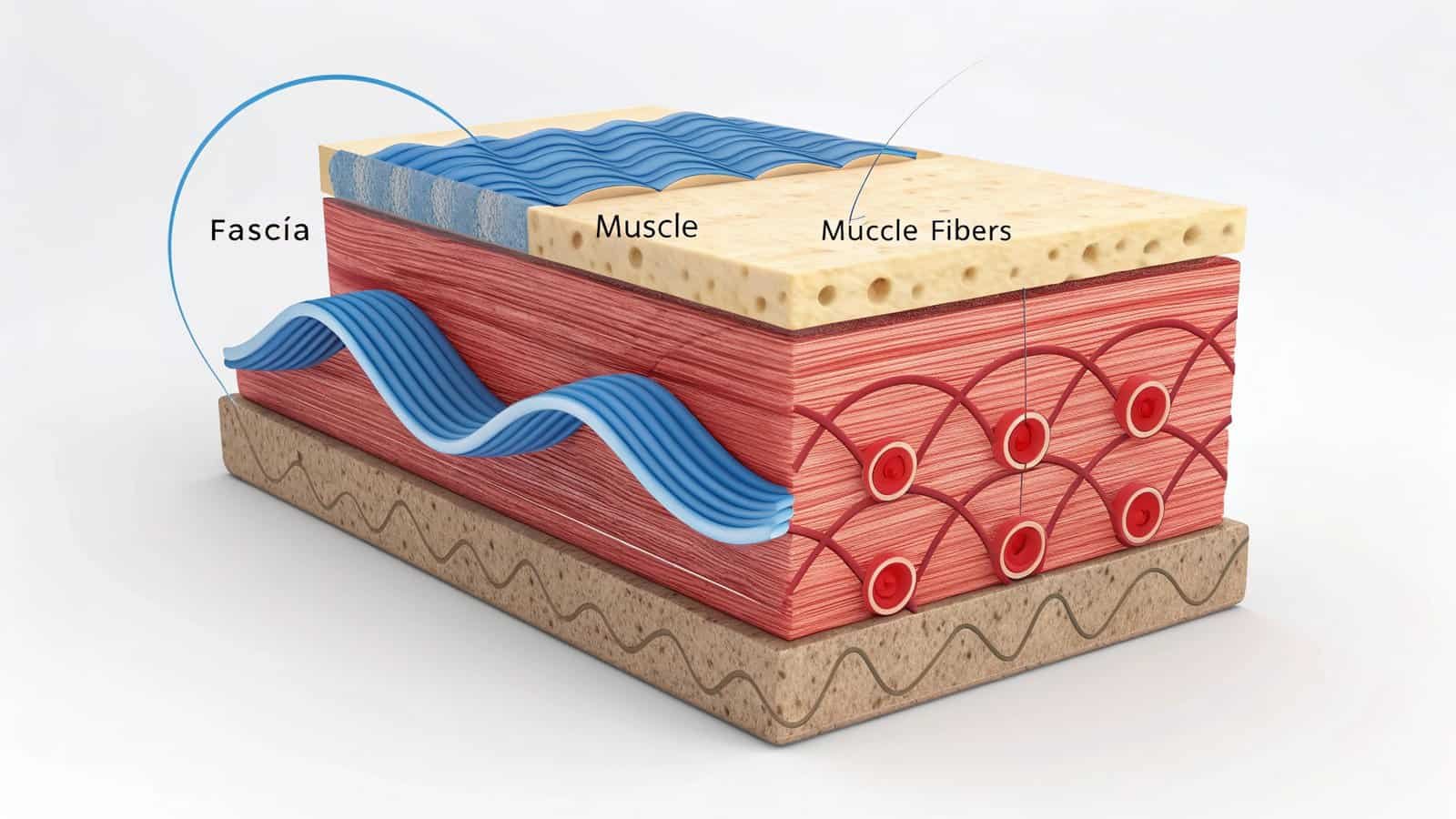
| Area | Manual Consistency | System-Supported Consistency |
|---|---|---|
| Daily preparation | Variable | Uniform |
| Staff dependency | High | Reduced |
| Schedule stability | Fragile | Predictable |
| Expansion readiness | Limited | Transferable |
This is usually when clinics start reassessing their recovery setup—not because something is broken, but because it no longer fits the scale of operations.
Why high-frequency 3D vibration devices enter the conversation
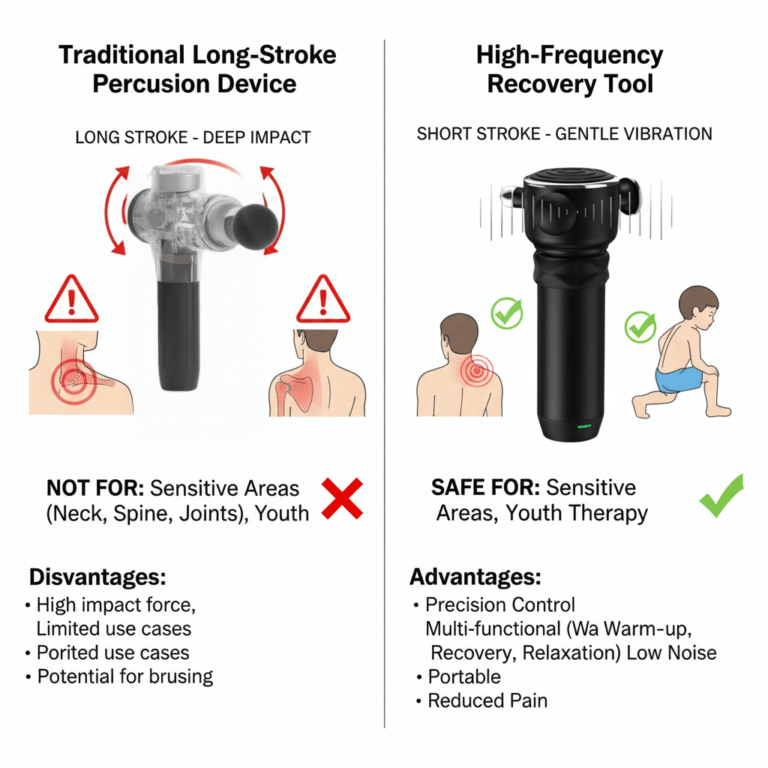
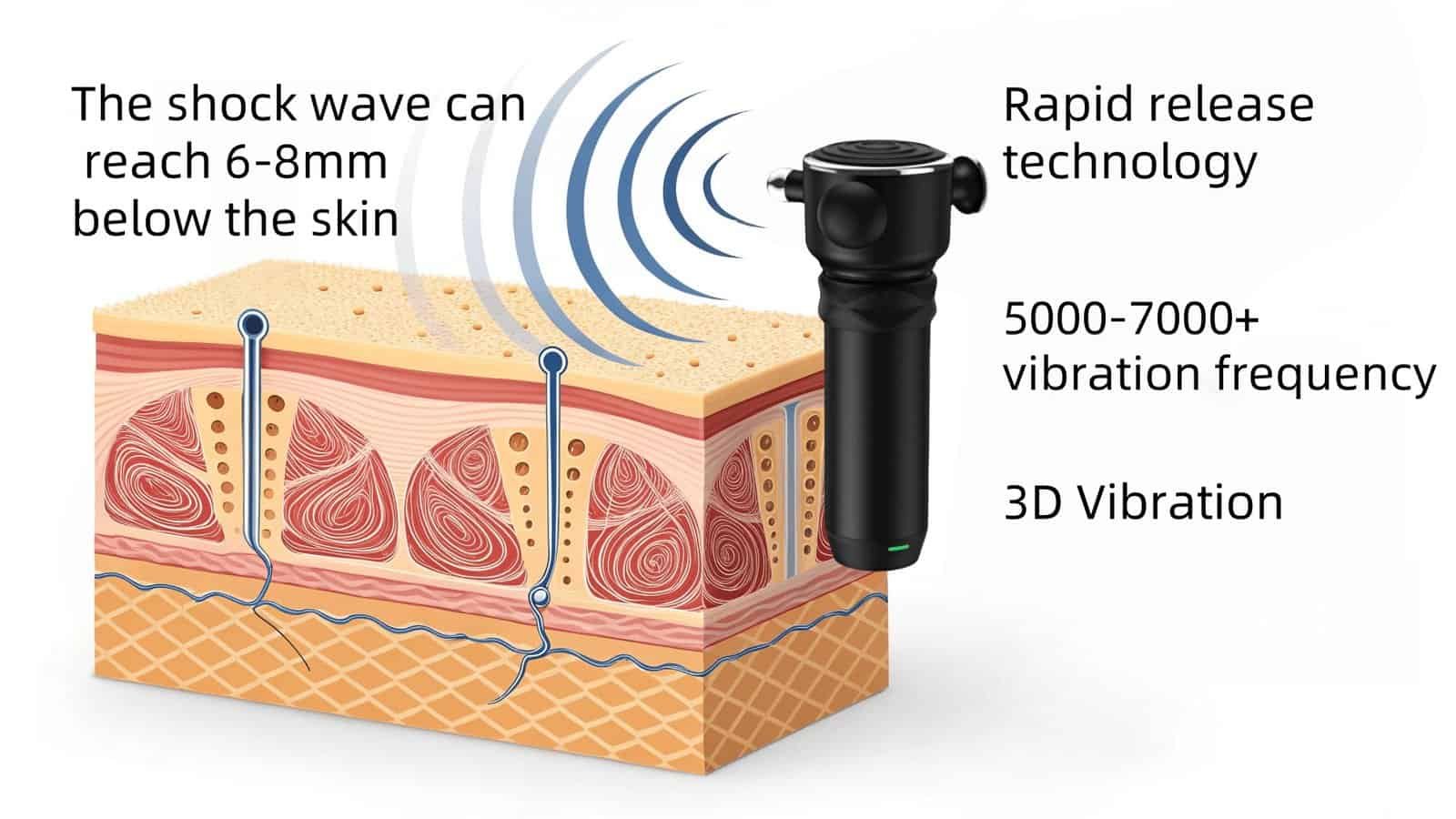
For physiotherapy clinics, selecting high-frequency 3D vibration devices is primarily an operational decision rather than a purely technical one.
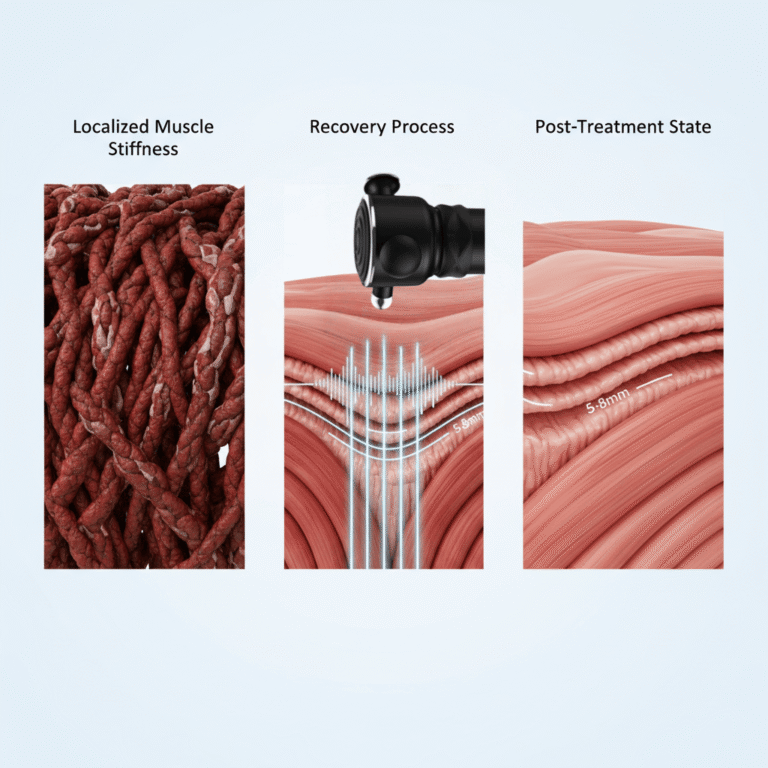
In high-volume environments, these devices are evaluated because they stabilize preparation and recovery inputs. Multi-directional vibration delivers repeatable mechanical engagement that does not change with staff, time of day, or schedule pressure.
Clinics typically begin evaluating this category when:
- Preparation time becomes the limiting factor
- Recovery quality varies across sessions
- Adding staff no longer improves throughput
| Decision Factor | Why Operators Care |
|---|---|
| Consistent output | Reduces session variability |
| Fast integration | Protects tight schedules |
| Low supervision | Frees staff capacity |
| Scalability | Supports growth without friction |
At this stage, the question is rarely “Do we need another tool?”
It is more often “Can our current setup still support where the clinic is going?”
If this feels familiar, you’re likely at a decision point
Clinics that accelerate sports injury recovery consistently don’t chase marginal gains. They identify where time, consistency, and capacity are being lost—and redesign the system before those losses compound.
If your clinic is:
- Growing in volume
- Experiencing inconsistent preparation or recovery flow
- Reviewing how to standardize workflows across staff and schedules
then this is typically the point where operators begin exploring infrastructure-level recovery solutions.
If you’re currently evaluating how to stabilize recovery workflows as volume increases, feel free to reach out to discuss how clinics at similar stages are approaching this transition.
This article reflects operational insights commonly observed by practitioners working in physiotherapy clinics and sports recovery facilities with high training volumes.