Feeling the burn is great, but pushing too hard without rest can lead to serious setbacks. Ignoring recovery can sabotage your fitness goals.
Rest and recuperation1 are as vital as the workout itself, allowing your body to repair and rebuild. Neglecting them leads to fatigue, injury, and stalled progress.

It’s easy to get caught up in the drive to constantly improve. We see others pushing their limits and want to do the same. But this can often lead us down a path that ends in pain and frustration.
Is Working Out 8 Hours a Day Bad for Your Muscles?
Pushing your muscles for eight hours straight is generally not sustainable or beneficial for muscle growth2. Your muscles need time to recover and repair after intense activity.
Working out for excessive durations, like eight hours a day, can indeed be detrimental. It prevents adequate muscle repair3, potentially leading to muscle breakdown, growth stagnation, and elevated markers of muscle damage.

When you push your muscles to their limit day after day, you’re not giving them the chance to recover and rebuild stronger. Instead, you’re essentially breaking them down without allowing for proper rebuilding. This can manifest as muscle soreness that doesn’t go away, a plateau in your strength gains, and even an increased risk of more severe injuries like muscle tears. It’s like trying to build a house by constantly knocking down walls without letting the cement dry. The structure simply won’t stabilize, and you’ll end up with a weaker, incomplete build. For instance, if I were training for a marathon, I might think running 30 miles every day is the key. However, my muscles, tendons, and joints wouldn’t have time to adapt. I’d likely end up with shin splints or a stress fracture, completely derailing my training plan.
Are There Negative Health Effects of Working Out Every Day?
Working out every day without proper rest can lead to more than just muscle fatigue; it can impact your entire system. Your body operates on a delicate balance, and constant stress without recovery disrupts this harmony.
The negative health effects of working out every day without rest are numerous and can impact your muscles, nervous system, endocrine system, and even your mental state, leading to burnout and reduced performance.
Beyond the obvious muscle issues, not resting enough can throw your hormones out of whack. Cortisol, the stress hormone, stays elevated, which can lead to increased fat storage and decreased immune function. This means you’ll get sick more often. Furthermore, your nervous system gets fatigued, leading to a phenomenon known as "black fatigue," where you feel mentally drained, irritable, and have trouble concentrating. I experienced this myself when I tried to train for a powerlifting meet by doing intense sessions six days a week. I noticed I was sleeping poorly, my motivation plummeted, and I started making mistakes in my lifts. It wasn’t until I implemented structured rest days that I felt my energy return and my performance improve. It taught me that rest isn’t laziness; it’s a crucial part of the training process.
My experience with trying to push through fatigue highlighted how multifaceted "overtraining4" truly is. It’s not just about sore muscles. My sleep became disrupted, I felt constantly on edge, and my ability to focus on anything, let alone my training, diminished significantly. This entire system-wide depletion is what we mean by "systemic exhaustion." It’s your body sending out distress signals, and unchecked, these signals can lead to more serious systemic imbalances, affecting everything from your immune response to your cardiovascular health. I remember a time when I was preparing for a competition and ignored persistent fatigue, telling myself it was just part of the process. I ended up catching a severe flu that took weeks to recover from, completely sidelining my training and setting me back much further than a few planned rest days ever would have.
How Can Targeted Recovery Tools Enhance Your Fitness Journey?
While rest days are non-negotiable, incorporating targeted recovery tools can significantly speed up your body’s ability to bounce back. These tools can help address specific muscle tightness and soreness, promoting better recovery between workouts.
Targeted recovery tools, like percussive therapy devices, can offer a proactive approach to muscle care. They help address muscle soreness and stiffness, facilitating faster and more efficient muscle repair, which is essential for consistent training progress.
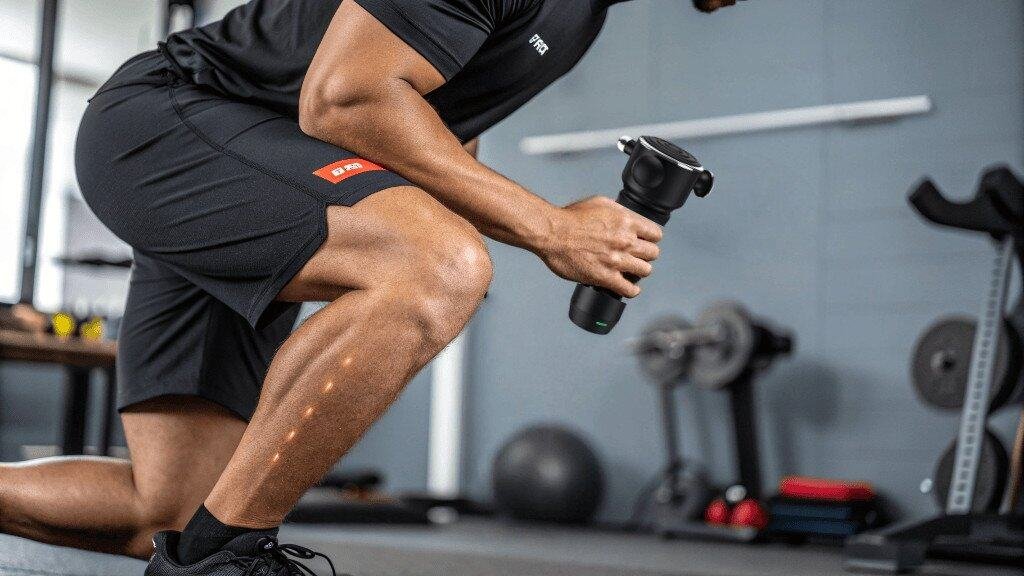
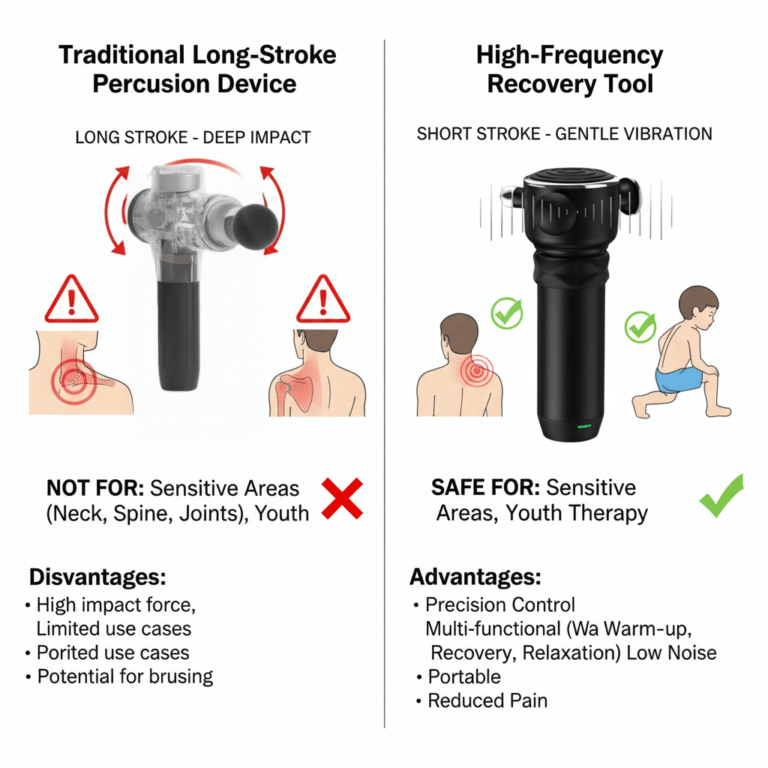
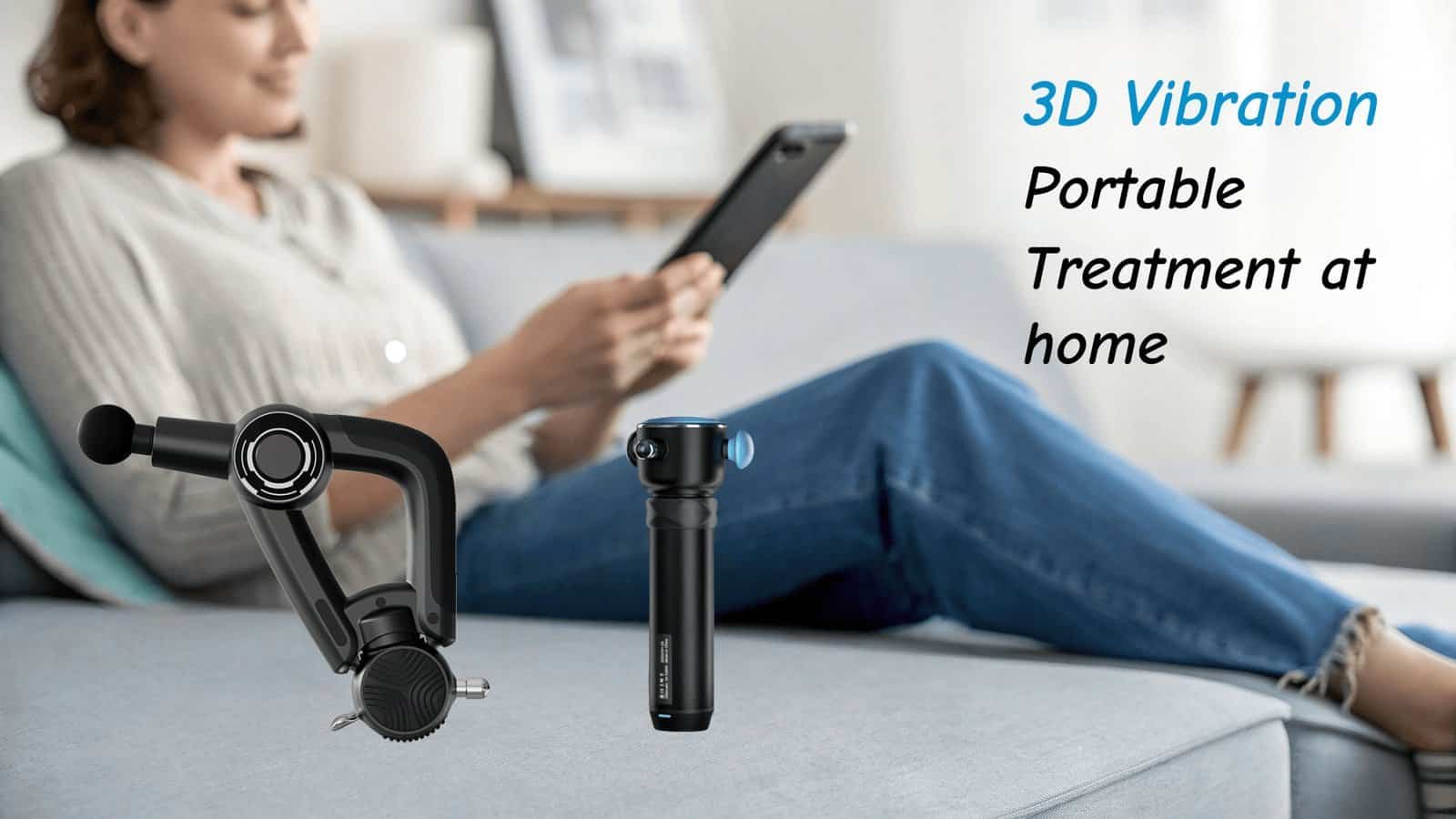
It’s easy to think of recovery solely in terms of passive rest, but active recovery methods5 can be incredibly beneficial. For instance, using a percussive therapy device, like our Myyuedong YD023, can feel like a breakthrough. The ability to switch between the broader massage action of a traditional percussive gun and the more focused, rapid release of a smaller, targeted device is a game-changer. I’ve found that after a particularly grueling leg day, using the percussive gun on my quads and hamstrings helps release that deep soreness. Then, switching to the targeted release feature for specific knots or tight spots, especially around my knee joint, makes a tangible difference. This combination allows for a more comprehensive approach to muscle and fascial release, addressing both large muscle groups and more precise areas that can hold onto tension and restrict movement. This dual functionality means I can get a more thorough recovery session in, right after my workout.
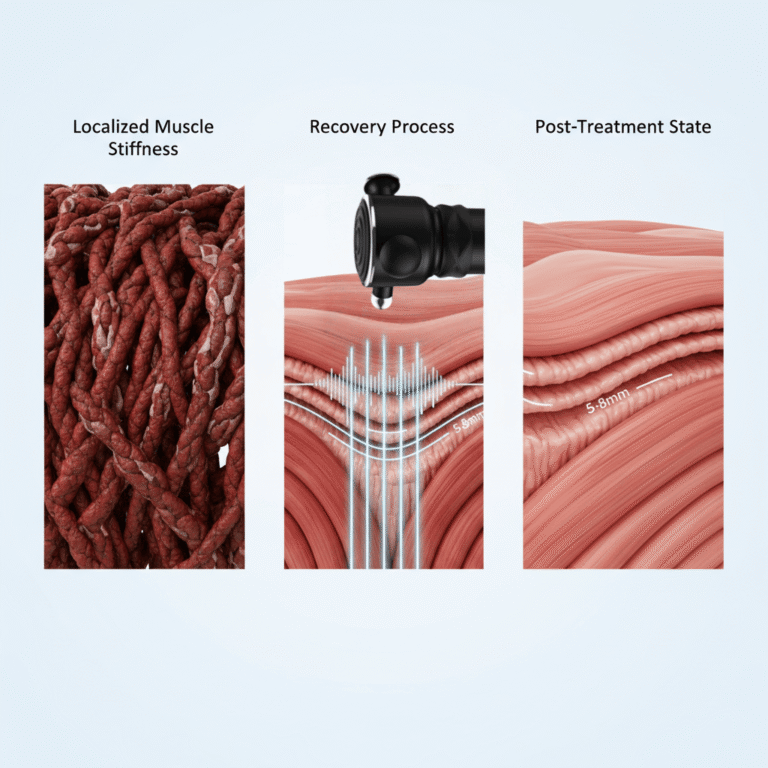
The Myyuedong YD023’s unique combination of a percussive massage gun and a targeted release gun offers a dual-action approach to recovery. The percussive gun, with its 16mm amplitude, is ideal for relaxing broad muscle groups, working out general tightness after a strenuous session. This is crucial for preparing the muscles for the next stage of recovery. Following this, the therapy gun, with its rapid release technology operating at 4000-6500 RPM, can then be used to pinpoint specific areas of tension or around joints. Its high frequency and 2mm vibration amplitude, delivering 3D vibrations, effectively penetrate 6-8mm deep into the fascial layers. This targeted approach is particularly effective for breaking down scar tissue and adhesions, those stiff, rope-like fibers that can form after injury or overuse, limiting motion and causing pain. By addressing these specific issues, it not only aids in immediate pain relief but also contributes to long-term joint health6 and mobility, ultimately extending your athletic lifespan.
How Does Data Empower Smarter Training and Recovery?
Relying solely on how you "feel" can be misleading as an indicator of your body’s readiness. Modern technology allows us to access objective data that provides a clearer picture of our recovery status, guiding us toward smarter training decisions.
Leveraging data from fitness trackers and recovery tools offers objective insights into your body’s condition, helping you make informed decisions about training intensity and rest, thereby preventing overtraining and optimizing performance.

Data is truly the most honest coach you can have. Instead of guessing if you’re recovered enough for another tough workout, you can look at metrics like heart rate variability, sleep quality7, and readiness scores. My own experience with a heart rate monitor showed me how my resting heart rate would spike after poor sleep, signaling that my body was not ready for a high-intensity session. Myyuedong’s approach, by potentially integrating with such data or offering self-assessment tools within an app, can proactively "warn" users about signs of overtraining. This objective data helps you avoid the common pitfall of pushing through fatigue when your body is actually crying out for rest. It empowers you to make informed decisions, ensuring that every training session is effective and contributes positively to your goals.
Understanding the "right" amount of stress for your body is key to consistent progress. It’s not about pushing to the absolute limit every time; it’s about finding that balance where you stimulate adaptation without causing damage. Data can help you pinpoint this "golden balance." For example, if your product’s app could suggest optimal training loads based on your recovery data from the previous day, it would be invaluable. Imagine an alert saying, "Your recovery score is low today. Consider a lighter session or an active recovery day focusing on mobility." This kind of personalized, data-driven guidance ensures you’re training effectively and safely, hitting that sweet spot for muscle growth and performance that avoids the dangerous territory of overtraining. It’s about being smart, not just strong.
Conclusion
Adequate rest and smart recovery are not optional extras; they are foundational components of any successful fitness regimen, preventing injury and maximizing gains.
-
Explore how rest and recuperation are essential for muscle repair and overall fitness success. ↩
-
Learn about the critical role recovery plays in muscle growth and preventing injuries. ↩
-
Understand the science behind muscle repair and why it’s vital for your fitness journey. ↩
-
Gain insights into overtraining and how to recognize its symptoms for better training. ↩
-
Learn about active recovery techniques that can boost your fitness regimen. ↩
-
Discover strategies to maintain joint health and prevent injuries during workouts. ↩
-
Discover the connection between sleep quality and athletic performance for optimal results. ↩