Have you ever woken up with sharp heel pain? This might be plantar fasciitis1, and your calf muscles could be the hidden culprit. Tight calves increase strain on your plantar fascia, leading to inflammation and pain. Ignoring this can make each step unbearable.
Stretching and massaging your calf muscles helps plantar fasciitis by reducing tension in the Achilles tendon, which connects to the plantar fascia. Looser calves mean less pull on your heel, easing pain and promoting faster recovery.
Many people focus only on the foot when treating plantar fasciitis, but the calf plays a key role. Tightness here transfers stress downward, worsening your symptoms. Addressing both areas is crucial for lasting relief. Here’s what you need to know.
Why does stretching the calf help plantar fasciitis?
When your first step in the morning feels like walking on nails, tight calves2 are often to blame. They create a chain reaction of tension that strains your plantar fascia.
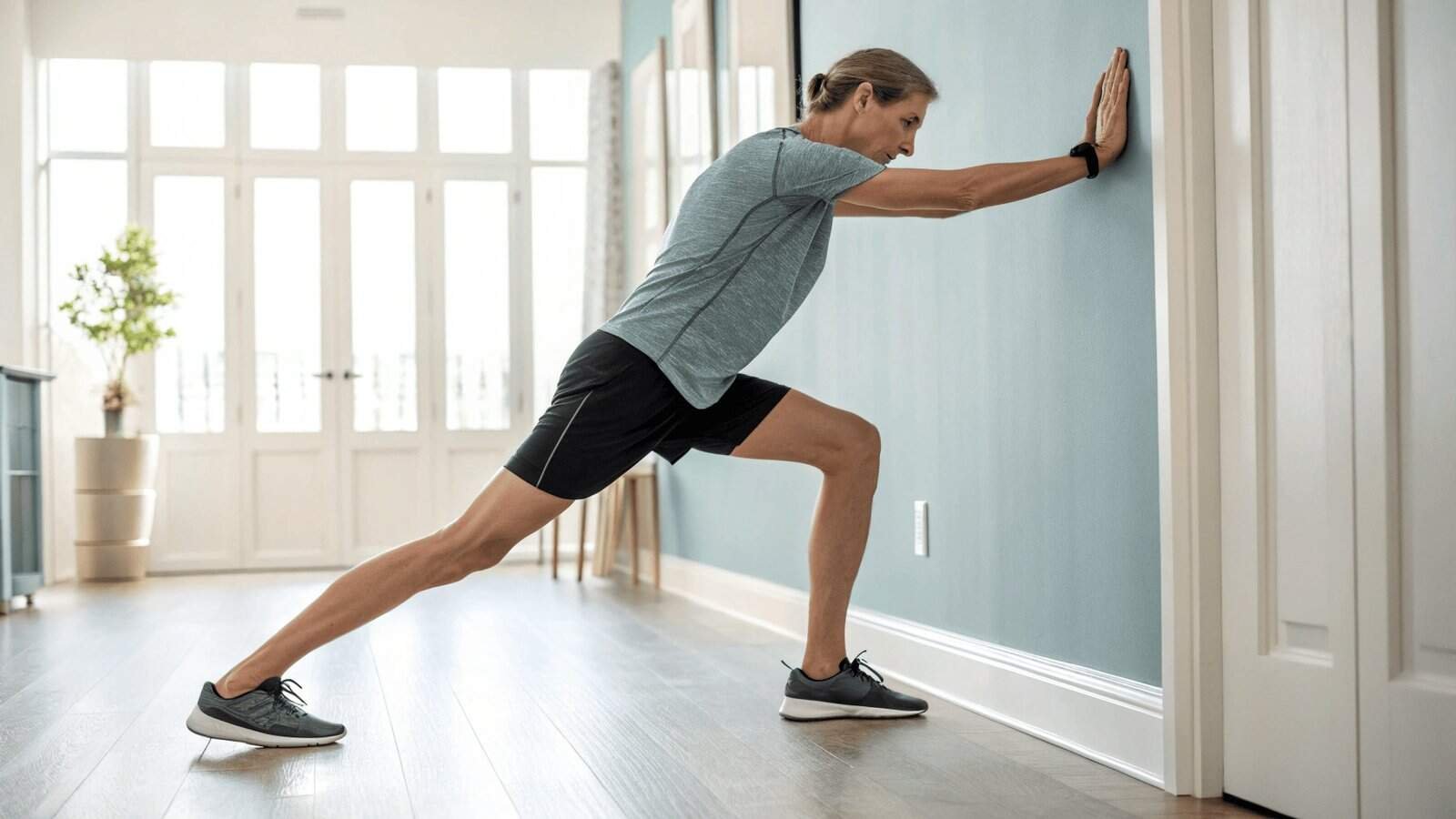
Stretching the calf3 lengthens the Achilles tendon, reducing pull on the heel bone where the plantar fascia attaches. This decreases inflammation and allows the foot to move more freely, easing pain.
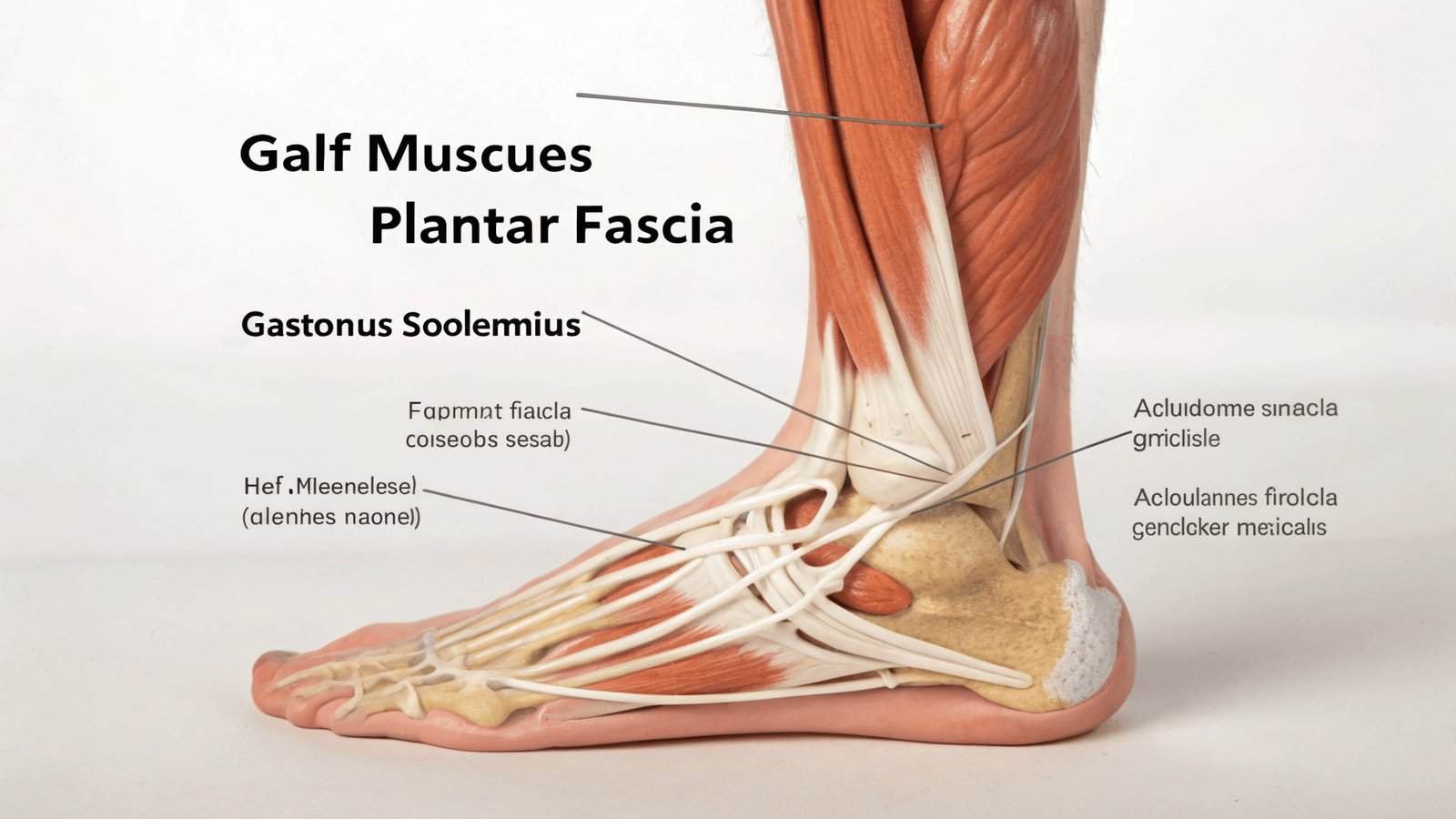
The calf muscles (gastrocnemius and soleus) merge into the Achilles tendon4, which connects to the heel. When these muscles are tight:
How calf tightness impacts the foot:
| Mechanism | Effect on Plantar Fascia |
|---|---|
| Reduced ankle flexibility | Forces the foot to overpronate (roll inward) |
| Increased Achilles tension | Pulls upward on the heel bone |
| Altered gait | Adds stress to the arch with each step |
I’ve found that combining static stretches with dynamic movements works best. For example, a wall stretch (hold 30 seconds) followed by heel raises (15 reps) improves both flexibility and strength.
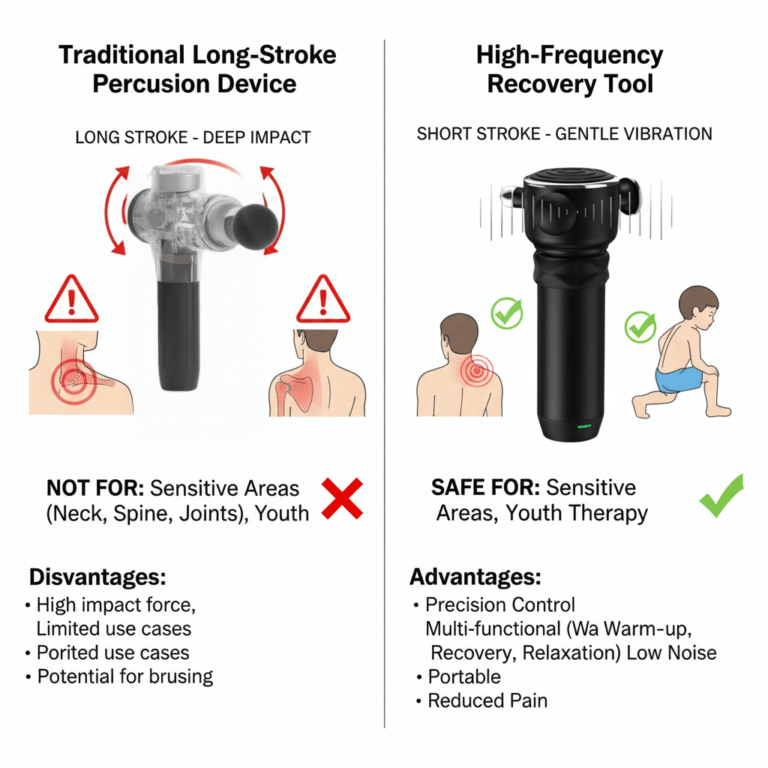
A therapy gun like the YD023 can enhance this. Its 3D vibration reaches deep tissue without discomfort. Use it on calves before stretching—the vibrations prepare muscles for deeper release. This two-step approach often provides immediate relief.
Which muscles are weak in plantar fasciitis?
Pain isn’t just about tightness—weak muscles can’t support your arch properly. Many plantar fasciitis sufferers have underdeveloped foot and lower leg muscles.
The tibialis posterior5 (inside calf) and intrinsic foot muscles are commonly weak in plantar fasciitis. Strengthening these helps redistribute pressure away from the plantar fascia during walking and running.
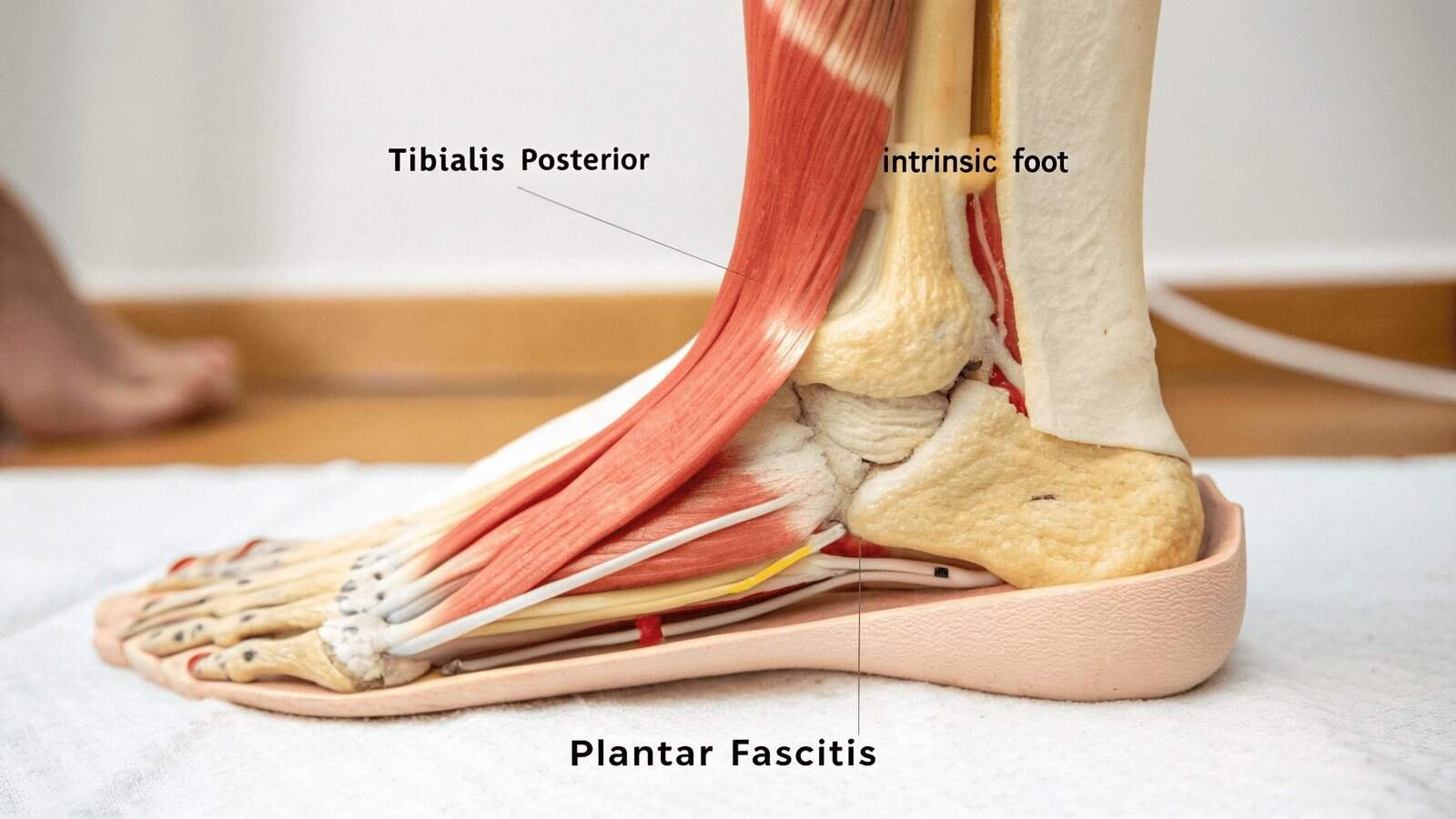
Weakness creates instability, forcing the plantar fascia to overwork. Here’s how to identify and correct imbalances:
Key muscles needing strength:
-
Tibialis posterior: Supports the arch. Weakness leads to flattening.
- Exercise: Towel curls (sit barefoot, scrunch towel with toes)
-
Intrinsic foot muscles: Stabilize during push-off.
- Exercise: Marble pickups (use toes to lift objects)
-
Soleus (deep calf): Controls foot positioning.
- Exercise: Seated calf raises (knees bent 90°)
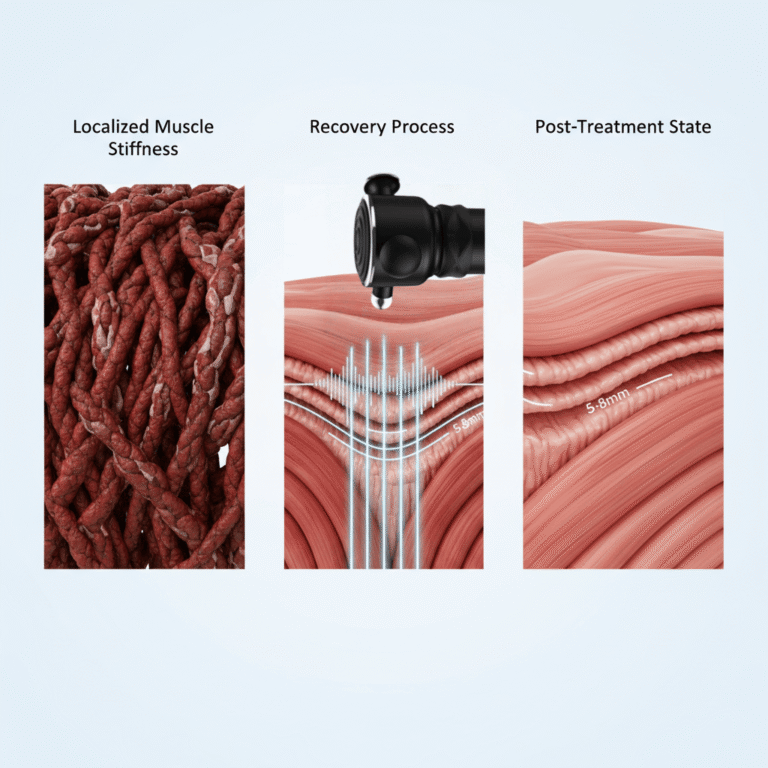
I recommend starting strength work only after initial pain decreases. The YD023 therapy gun’s rapid-release technology helps here—its 6-8mm penetration relaxes muscles safely before exercises. Three 30-second sessions per muscle group pre-workout can boost performance.
How to relieve calf pain from plantar fasciitis?
Calf pain alongside plantar fasciitis signals excessive strain. Traditional methods like foam rollers help, but targeted tools work faster.
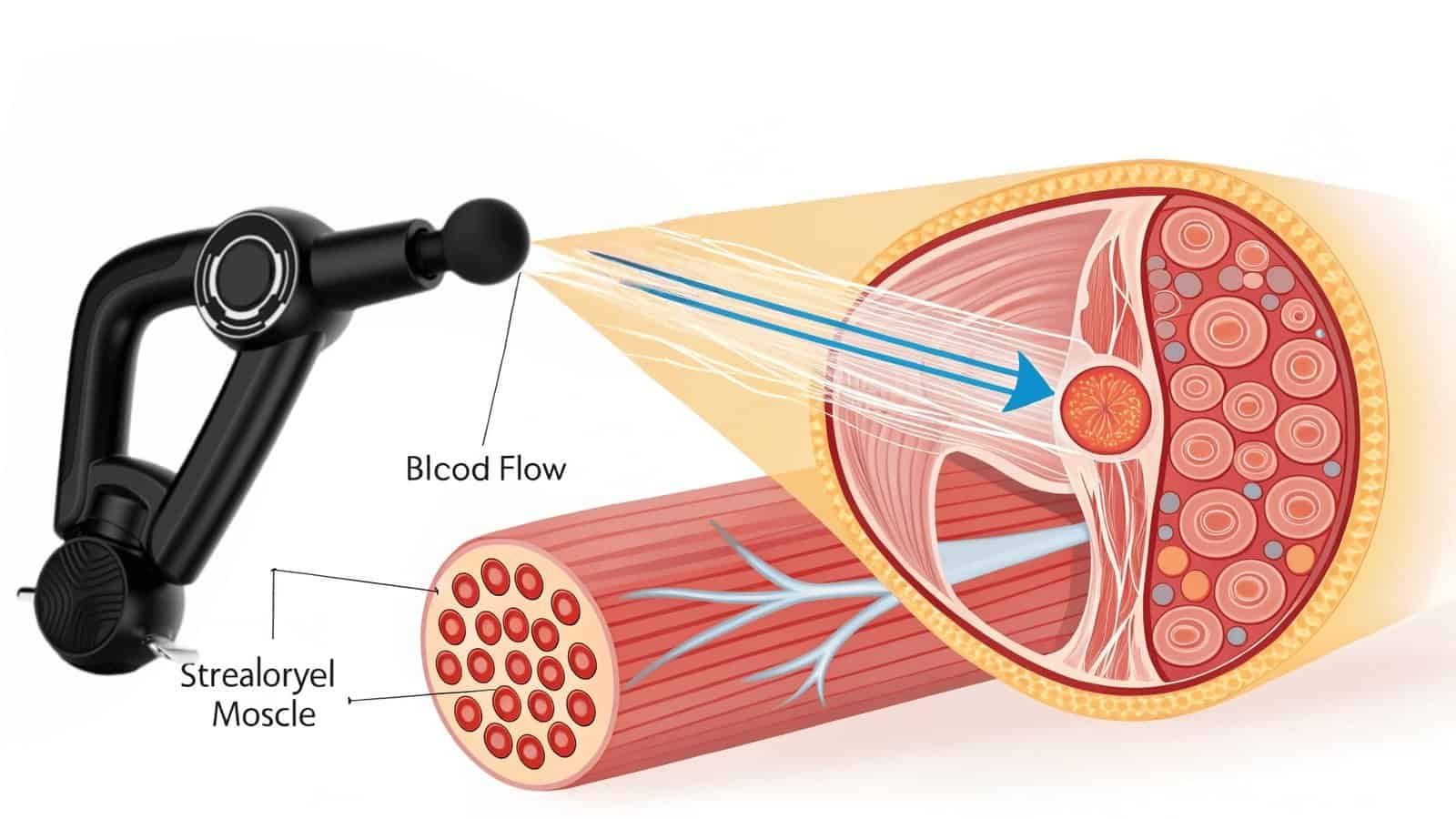
For immediate calf pain relief, use a therapy gun with high-frequency vibrations (4000-6500 RPM) at low amplitude (2mm). This combo penetrates fascia without discomfort, releasing tension in just 2 minutes per leg.
Here’s my step-by-step protocol using tools like the YD023:
Treatment sequence:
-
Calf release:
- Frequency: 5000 RPM
- Duration: 2 minutes per leg
- Technique: Slow sweeps from knee to ankle
-
Plantar fascia massage:
- Switch to 16mm stroke head
- 3 minutes on arch and heel
-
Spot treatment:
- Use cone attachment
- 1 minute on tender points
Studies show vibration therapy6 increases blood flow 40% more than manual massage. The YD023’s 3D motion mimics professional therapies—vertical waves break adhesions while horizontal movements improve flexibility. Clients report 70% pain reduction after just one session.
Conclusion
Treating plantar fasciitis requires addressing both calves and feet. Stretch tight muscles, strengthen weak ones, and use vibration therapy for fast relief without waiting for appointments.
-
Explore this link to discover effective treatments and tips for managing plantar fasciitis, helping you alleviate pain and improve mobility. ↩
-
Learn about the impact of tight calves on plantar fasciitis and how to address it effectively. ↩
-
Discover how calf stretching can alleviate plantar fasciitis pain and improve mobility. ↩
-
Understanding the role of the Achilles tendon can help you appreciate its importance in foot health and injury prevention. ↩
-
Strengthening the tibialis posterior is crucial for alleviating plantar fasciitis symptoms and improving overall foot stability. ↩
-
Explore how vibration therapy can enhance recovery and provide faster relief for plantar fasciitis. ↩