Many athletes wonder if massage devices actually help muscles grow. The answer isn’t simple, but understanding how they work can optimize your recovery and performance.
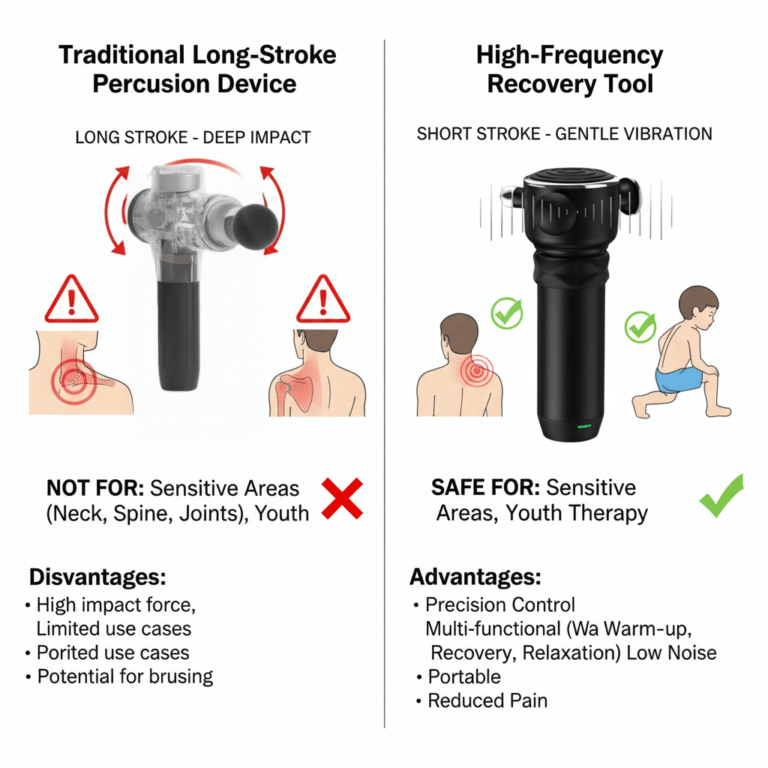
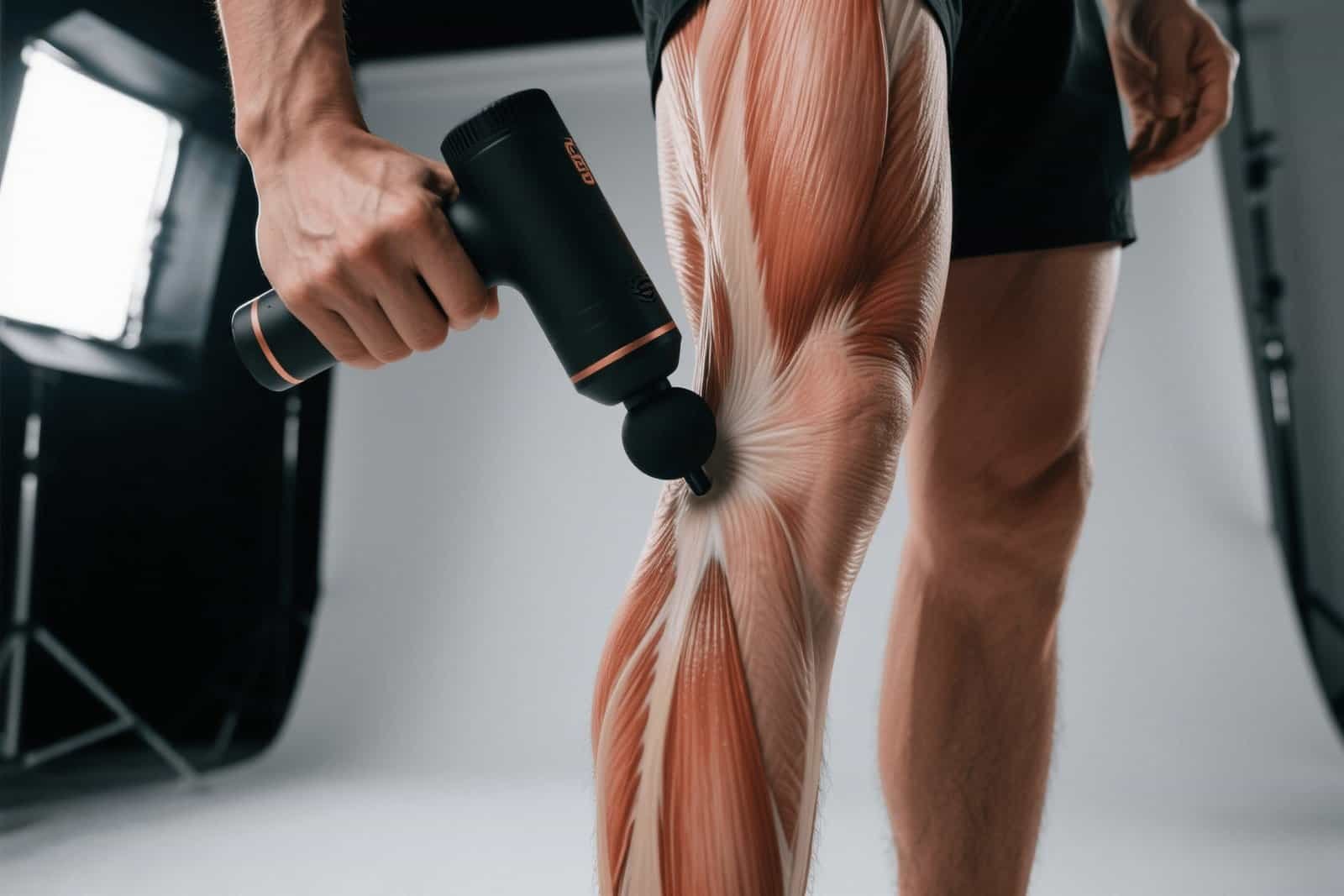
Massage devices like massage guns can aid muscle growth1 by improving blood flow2, reducing soreness, and speeding up recovery after workouts. They don’t directly build muscle but create better conditions for growth by enhancing repair processes.
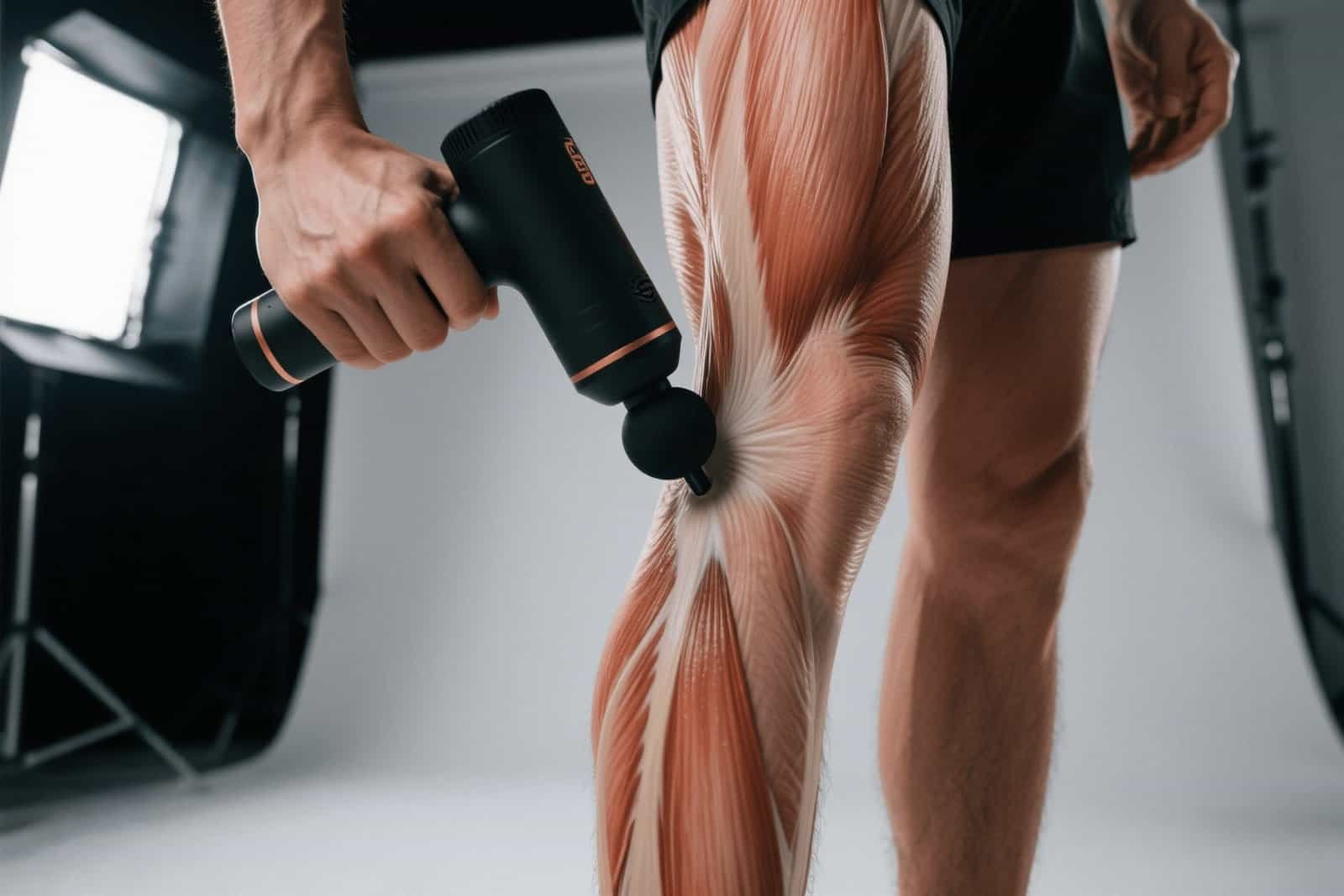
Using a massage device correctly can make a big difference in your fitness routine. Let’s break down how these tools impact muscle recovery3 and whether they’re worth adding to your regimen.
Does a Massage Gun Affect Muscle Growth?
People often assume massage guns build muscle, but their real benefit lies in recovery. Faster recovery means more effective training over time.
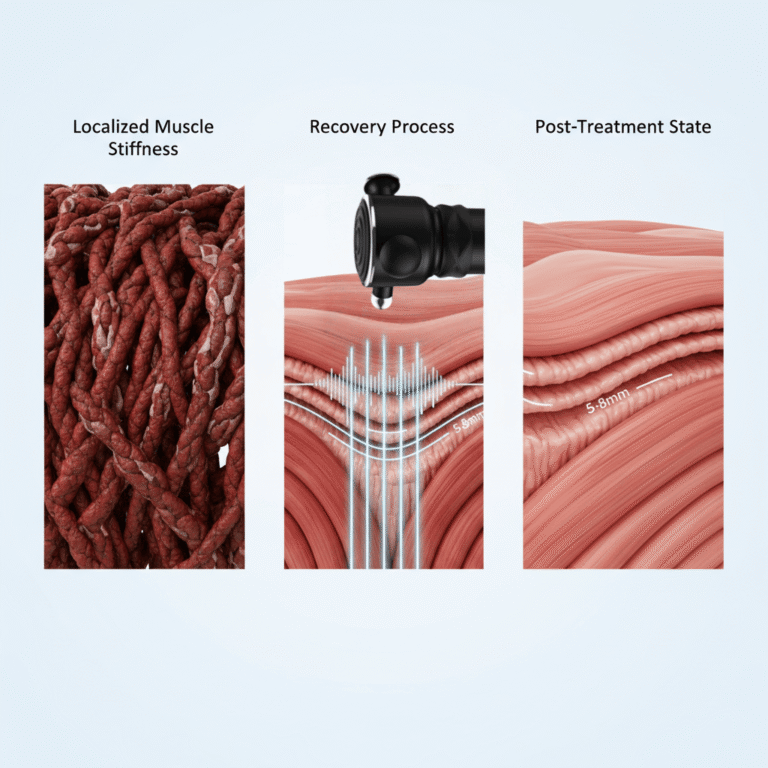
Massage guns don’t directly increase muscle size but help by reducing muscle tension4 and improving circulation. This leads to quicker repair, allowing for more frequent and intense workouts.
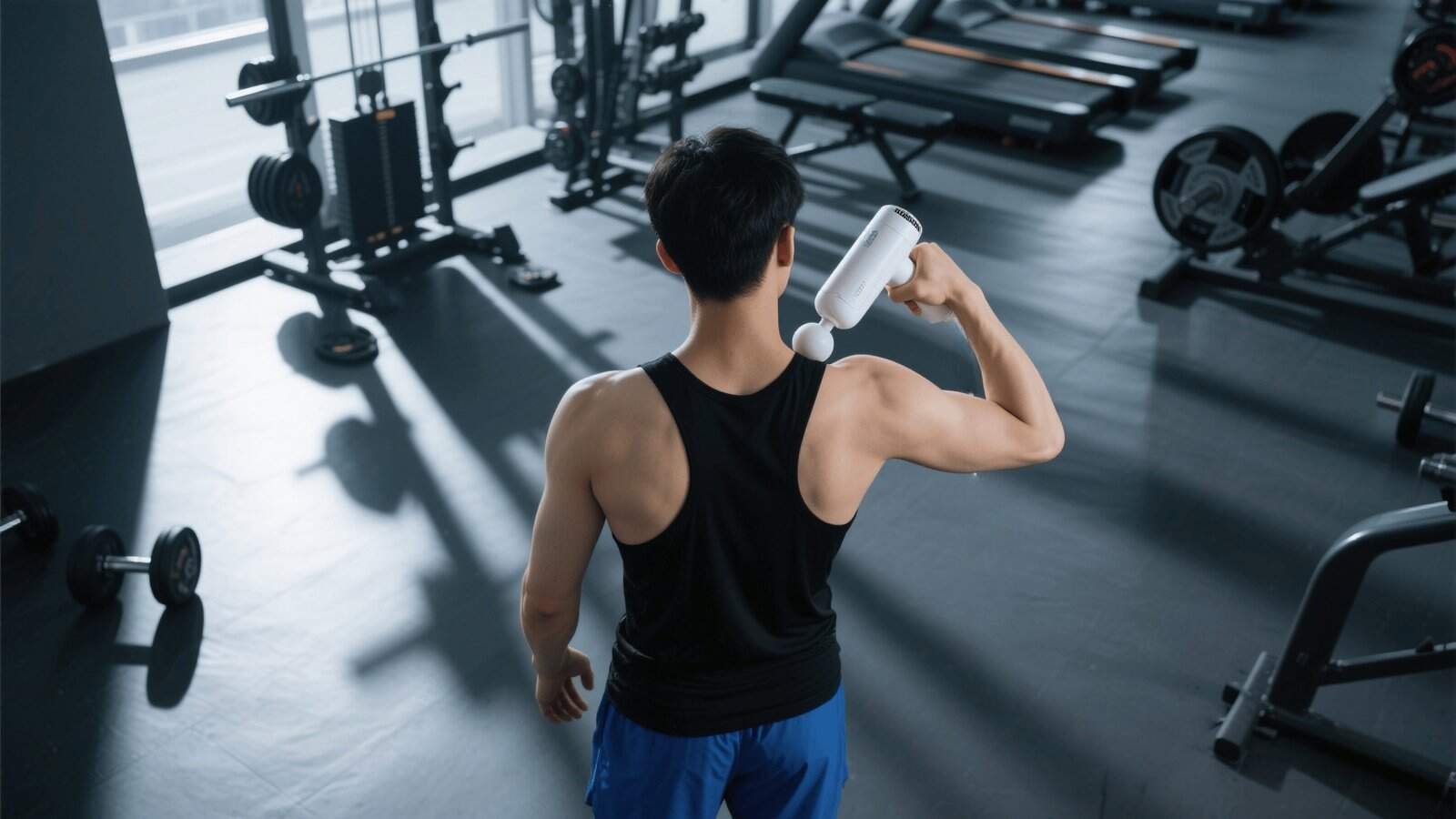
The science behind massage guns shows they stimulate blood flow to muscles, which delivers oxygen and nutrients needed for repair. Here’s how they work:
- Mechanical Pressure: The rapid pulses break up knots and tightness.
- Increased Blood Flow: More circulation means faster removal of waste products like lactic acid.
- Reduced Inflammation: Less swelling means less post-workout pain.
For best results, use a massage gun for 15-30 seconds per muscle group after exercise. Focus on areas that feel particularly tight or sore.
What Happens if You Use a Massage Gun Everyday?
Daily use of a massage gun can be beneficial, but overdoing it may cause issues. Moderation is key.
Using a massage gun daily helps maintain muscle flexibility5 and reduces chronic tightness. However, excessive pressure or prolonged use can lead to bruising or muscle irritation.
Daily massage gun sessions work well for athletes with high training loads. Here’s what to consider:
| Frequency | Benefits | Risks |
|---|---|---|
| 2-3 times per week | Good for recovery, reduces soreness | Minimal risk if used properly |
| Daily use | Prevents stiffness, improves mobility | Possible overuse if pressure is too high |
| Multiple times daily | May help with chronic pain6 | High risk of tissue damage |
Tips for daily use:
- Avoid bony areas or sensitive spots.
- Use lower settings for frequent sessions.
- Listen to your body—stop if pain increases.
Is a Massage Gun Better Than Stretching?
Both massage guns and stretching have unique benefits. Choosing depends on your goals.
Massage guns provide targeted relief to tight muscles faster than stretching. However, stretching improves long-term flexibility and range of motion, which massage guns can’t replace.
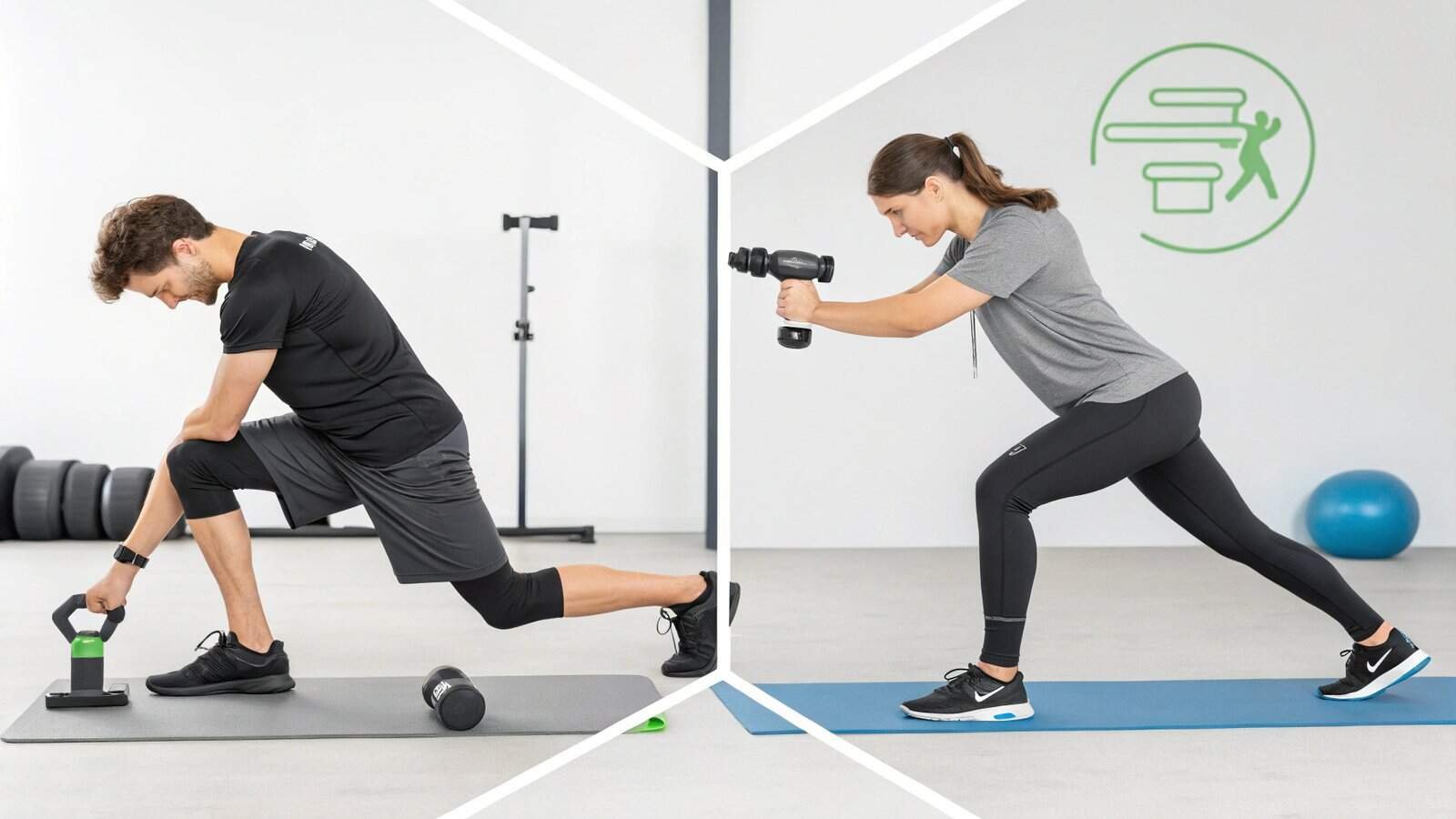
Here’s a comparison of the two techniques:
| Feature | Massage Gun | Stretching7 |
|---|---|---|
| Speed of Relief | Immediate | Gradual |
| Flexibility Gains | Minimal | Significant |
| Best For | Post-workout soreness | Long-term mobility |
| Ease of Use | Quick, requires a device | Takes more time, no tools needed |
For optimal results, combine both methods:
- Use a massage gun post-workout to ease tension.
- Stretch regularly to maintain flexibility.
Conclusion
Massage devices support muscle growth by improving recovery, but they’re not a substitute for training. Use them wisely alongside stretching for the best results.
-
Understanding the factors that influence muscle growth can help you optimize your training and recovery strategies. ↩
-
Learn about the critical role of blood flow in muscle recovery and growth, which can enhance your athletic performance. ↩
-
Discover various effective recovery methods to enhance your training results and prevent injuries. ↩
-
Understanding the impact of muscle tension on performance can help you optimize your workouts and recovery strategies. ↩
-
Discover effective strategies to maintain muscle flexibility and prevent injuries during workouts. ↩
-
Discover how massage guns can be a part of your chronic pain management strategy for better relief. ↩
-
Learn how stretching contributes to long-term mobility and flexibility, essential for overall fitness. ↩