
Struggling to perform can weigh heavily on athletes’ minds, affecting every aspect of life. This stress can lead to mental health challenges1 like anxiety and depression.
Performance in sports directly impacts mental health as athletes face intense pressure to succeed2. This pressure can lead to stress and anxiety, negatively affecting well-being. Balancing physical prowess with mental resilience is crucial for mental health.

The connection between mental health and sports performance3 is undeniable. As athletes strive for excellence, they encounter psychological hurdles. These challenges can result in emotional fatigue, requiring a balance between physical and psychological training. Support systems, including therapy and coaching, play a crucial role.
How does psychology help in physiotherapy?
Muscle strains and ligament damage demand immediate attention. Waiting for therapy can worsen pain and delay recovery, but psychology offers tools for managing stress.
Psychology aids physiotherapy by enhancing mental resilience during recovery. Techniques like mental imagery and cognitive-behavioral strategies help patients cope with pain and stress, improving outcomes.

Physiotherapy benefits significantly from psychological support4. Stress management techniques can expedite recovery and alleviate pain. For chronic conditions, combining therapy with psychological tools can improve patient engagement and results. Mindfulness and mental training sharpen focus and relaxation, offering better recovery paths.
How can athletes improve performance with mental training5?
Mental training strengthens focus and resilience. Athletes often overlook this, leading to burnout, yet mental discipline can transform their performance and well-being.
Athletes can enhance performance through mental training by focusing on visualization and mindfulness techniques. These methods build concentration and resilience, improving both skill execution and emotional balance.

Mental training involves more than just traditional methods. Visualization6 helps athletes rehearse techniques mentally, enhancing actual performance. Mindfulness7 improves focus and stress management, essential for high-pressure situations. Regular practice of these techniques creates a foundation of mental safety, boosting confidence and performance.
Athletes, how do you cope mentally with injury?
Injury can crush an athlete’s spirit, testing mental resilience. Coping mentally is as crucial as physical healing, requiring patience and support.
Athletes cope mentally with injuries by using psychological strategies like acceptance and positive thinking. Support from therapists and peers helps maintain motivation during recovery.
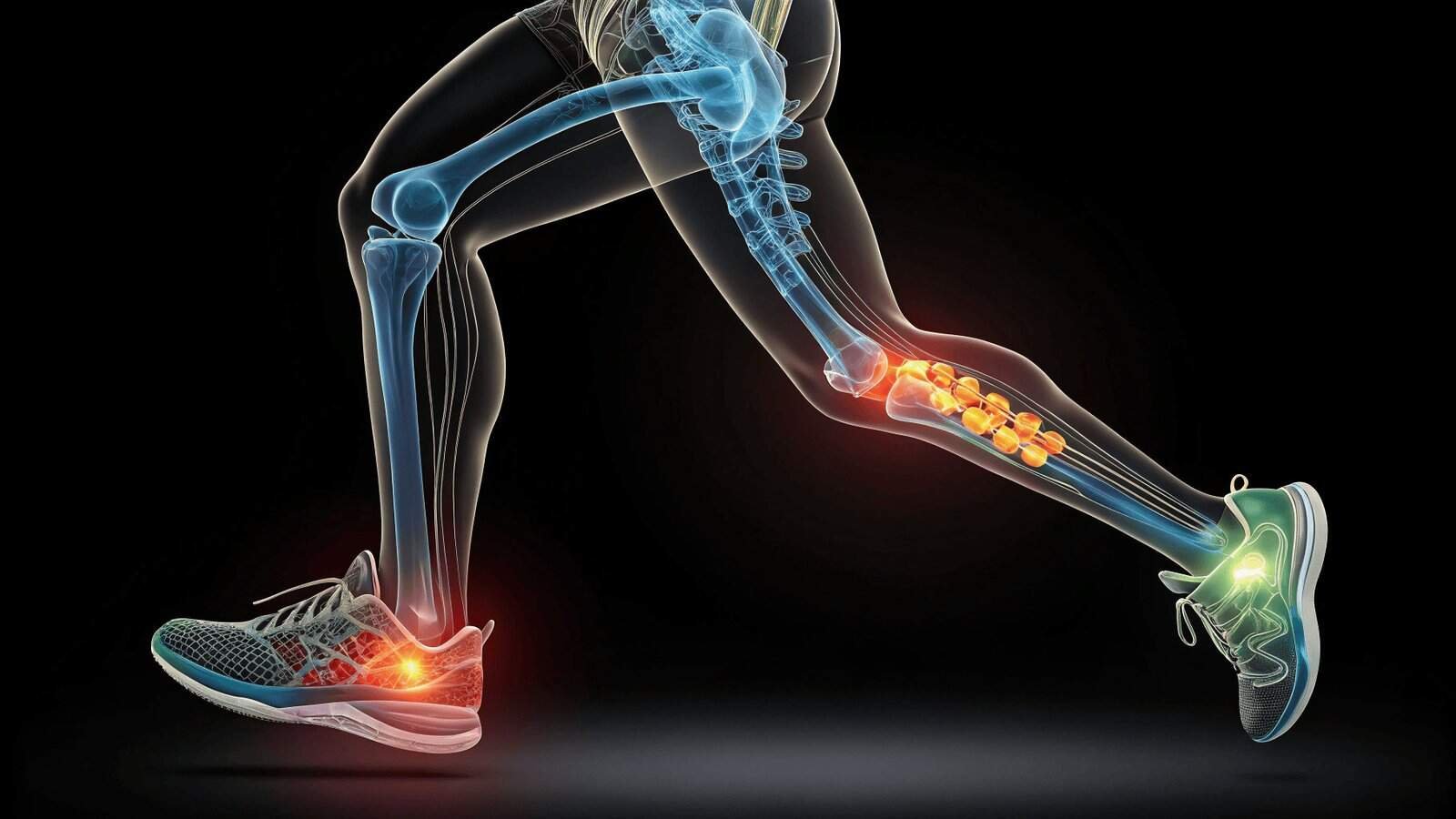
Injury can destabilize an athlete’s sense of identity and purpose. Coping strategies focus on psychological resilience8. Acceptance of the situation and positive reframing aid in maintaining motivation. Regular check-ins with therapists and support networks9 create a nurturing environment, vital for mental recovery alongside physical healing.
Conclusion
Performance and mental health in sports are intertwined, requiring balance and resilience for optimal success.
-
Understanding the mental health challenges athletes face can help in developing better support systems and coping strategies. ↩
-
Exploring the effects of success pressure can provide insights into improving athletes’ mental well-being and performance. ↩
-
Understanding this connection can enhance athletic training and improve overall performance. ↩
-
Exploring this resource will reveal how psychological support enhances recovery in physiotherapy, making it essential for effective treatment. ↩
-
This link will provide insights into how mental training techniques can boost athletes’ performance and overall well-being. ↩
-
Explore how visualization techniques can enhance athletic performance and mental preparation. ↩
-
Discover the impact of mindfulness on athletes’ focus and stress management in competitive environments. ↩
-
Exploring this resource can provide valuable insights into enhancing mental strength, crucial for athletes facing injuries. ↩
-
Understanding the role of support networks can help athletes leverage relationships for better recovery and mental health. ↩