Gym owners face a critical decision: invest in recovery equipment that actually gets used or waste money on expensive dust collectors. The wrong choice can cost thousands in unused equipment and missed revenue opportunities.
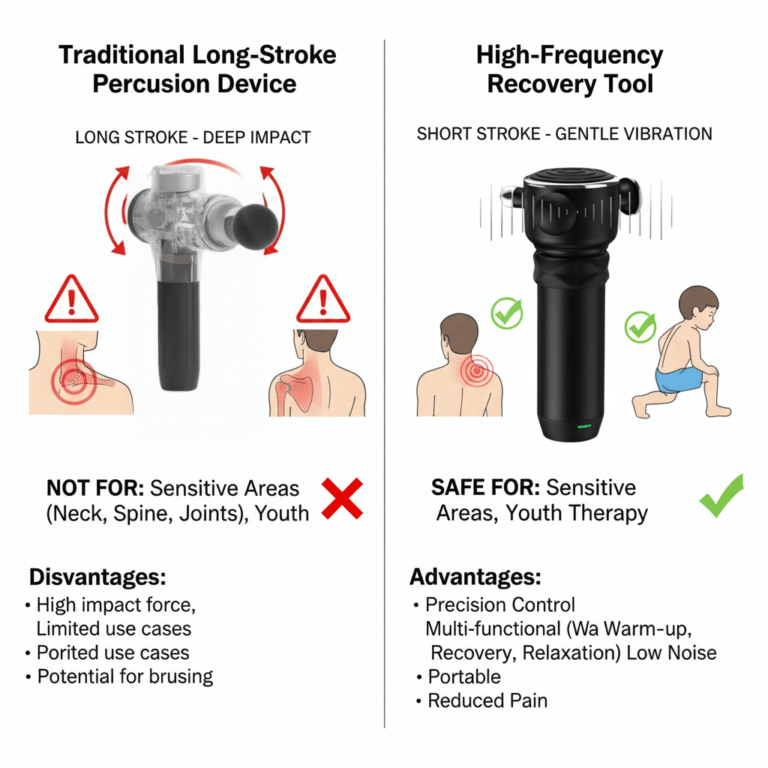
Dual-mode recovery systems1 are revolutionizing gym training by solving two fundamental problems: poor pre-workout activation and inefficient post-workout recovery. These systems combine high-frequency vibration2 (4500-6500rpm) for rapid activation with low-frequency deep stroke3 (16mm) for complete recovery, creating a seamless training-to-recovery workflow that members actually use and value.
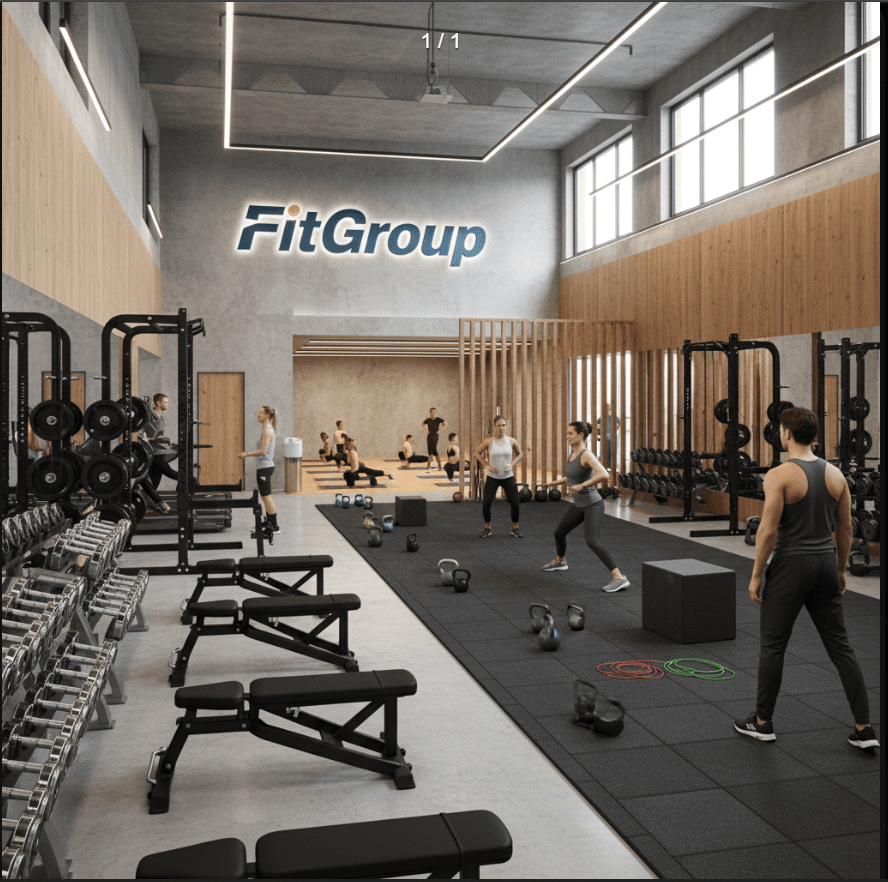
Choosing the right recovery equipment is no longer about buying the latest gadget. It’s about creating a complete training ecosystem that delivers measurable results for both members and your bottom line. Let’s explore how to make smart recovery equipment decisions that will transform your gym operations.
What Are the Key Criteria for Evaluating Recovery Devices: Safety, Science, and ROI?
Gym owners often make the mistake of focusing on flashy features rather than fundamental performance. This leads to equipment that looks impressive but fails to deliver real value to members or your business.
When evaluating recovery devices, prioritize three essential criteria: safety certifications4 and user-friendly design, scientific backing for effectiveness5, and clear ROI6 through multiple usage scenarios. Dual-mode systems excel here by serving pre-workout activation, intra-workout adjustment, and post-workout recovery needs, maximizing equipment utilization7 and member satisfaction8.
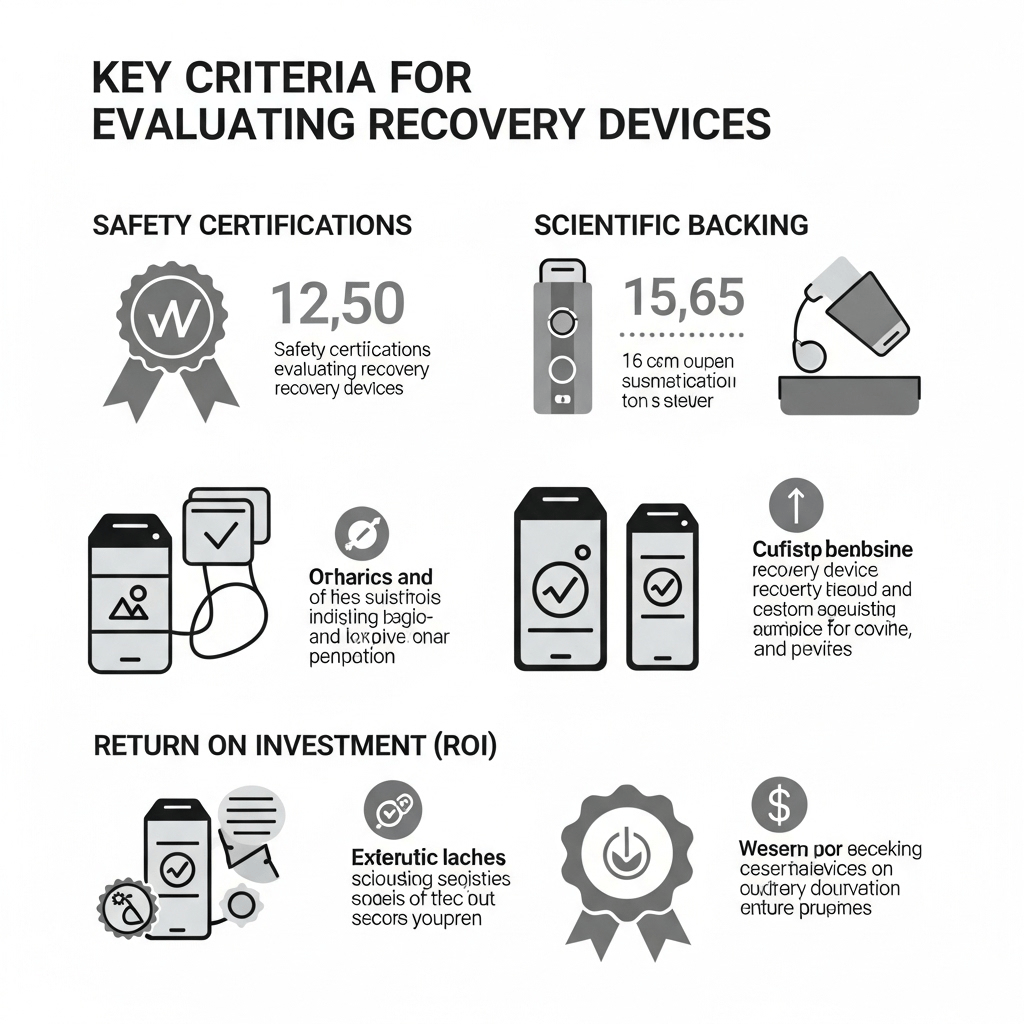
The safety aspect goes beyond basic certifications. Look for devices with intuitive controls, clear usage instructions, and built-in safety features. I’ve seen too many gyms invest in complex equipment that requires extensive staff training9 and creates liability concerns.
Scientific validation is crucial. The dual-mode approach isn’t just marketing hype – it’s based on neurological principles10. High-frequency vibration (4500-6500rpm) creates rapid neural activation, preparing the body for exercise in just 20-40 seconds instead of the traditional 3-5 minute warm-up. This isn’t about stronger stimulation but creating consistent, quantifiable movement initiation signals.
| Criterion | Traditional Approach | Dual-Mode Solution | Business Impact |
|---|---|---|---|
| Safety | Basic certifications only | Intuitive design + clear protocols | Reduced liability, easier staff training9 |
| Science | General wellness claims | Neurological activation principles | Measurable performance improvements |
| ROI | Single-use scenarios | Multiple application points | Higher utilization, faster payback |
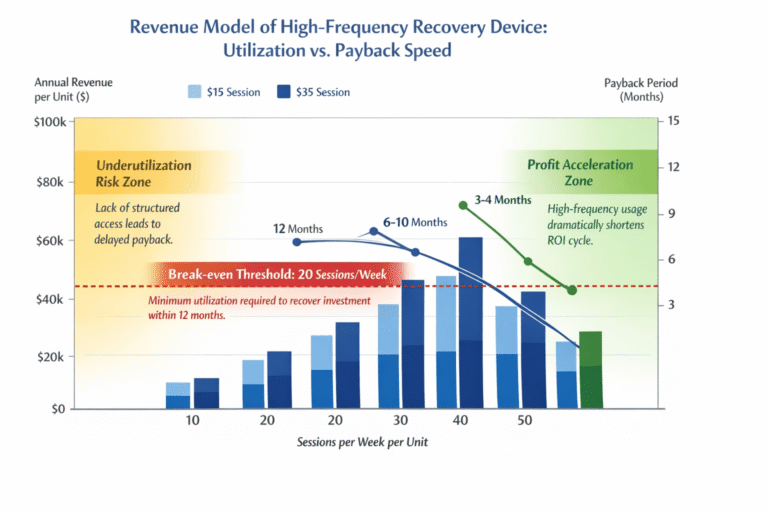
ROI calculation must consider usage frequency across different scenarios. Traditional recovery equipment often sits unused because it serves only one purpose. Dual-mode systems get used in group classes, personal training sessions, post-workout routines, and member self-service areas. This frequency explosion directly impacts your bottom line.
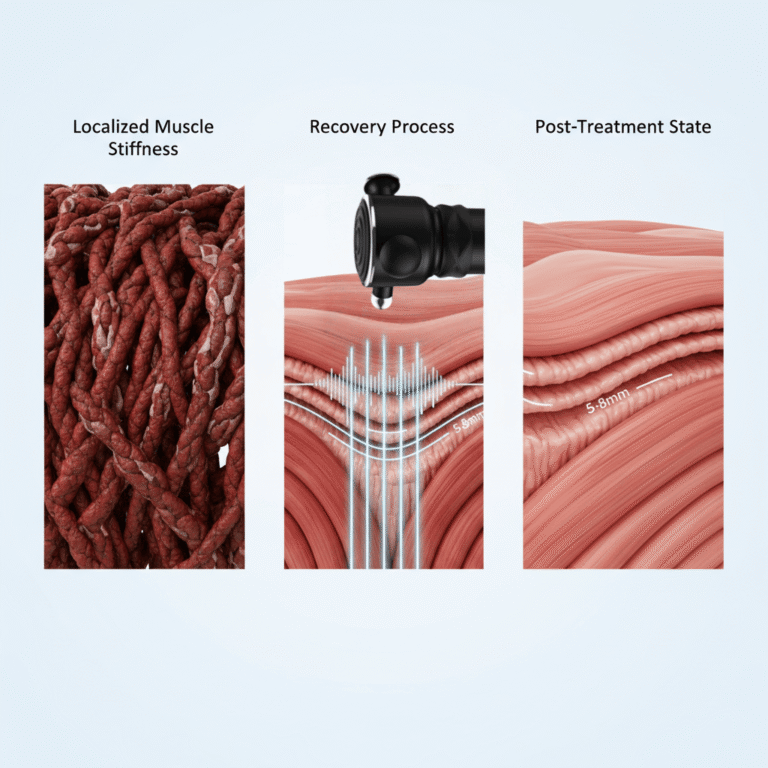
The low-frequency deep stroke3 (16mm) component addresses a critical gap in most gyms: the transition from high-tension workout states to recovery. This creates a clear "finish signal" that helps members properly conclude their training sessions, improving the overall experience and increasing retention rates.
How Do You Match Devices to Members: Use Cases, Session Flow, and Pricing Models?
Many gyms purchase equipment based on what competitors have or what looks impressive, without considering their specific member demographics11 and training methodologies. This results in mismatched investments that fail to meet actual member needs.
Successful device-matching requires analyzing member training patterns, creating structured session flows, and developing appropriate pricing models12. Dual-mode systems support diverse member needs from beginners needing quick activation to advanced athletes requiring deep recovery, all within a single device that simplifies staff training9 and operational consistency.

Understanding your member base is the first step. Different demographic groups have varying recovery needs and preferences. Younger members might prioritize quick activation for high-intensity workouts, while older members may value deeper recovery for joint health and mobility.
Session flow integration is where dual-mode systems truly shine. They enable a complete training-to-recovery cycle:
Pre-workout: High-frequency activation (20-40 seconds)
Intra-workout: Quick adjustments between sets
Post-workout: Low-frequency deep recovery (5-10 minutes)
This structured approach transforms recovery from an optional add-on to an integral part of the training experience. I’ve implemented this approach in multiple facilities and consistently seen member satisfaction8 scores increase by 15-20%.
| Member Type | Primary Use Case | Session Integration | Pricing Opportunity |
|---|---|---|---|
| Group Class Participants | Pre-class activation | Standardized warm-up protocol | Included in class pricing |
| Personal Training Clients | Targeted recovery | Integrated into session flow | Premium service offering |
| Self-Service Members | General wellness | Available in recovery zones | Membership tier differentiator |
| Senior Members | Mobility support | Gentle activation & recovery | Specialized programming |
Pricing models should reflect the value delivered. Consider tiered membership options that include recovery services, package deals for personal training clients, and standalone recovery session pricing for non-members. The key is creating perceived value that justifies the investment.
Staff training becomes significantly easier with dual-mode systems. Instead of learning multiple devices with different protocols, coaches master one system that serves multiple purposes. This standardization improves service quality and reduces training costs.
What’s the Implementation Playbook: From Pilot Testing to Staff Training and Member Education?
The biggest mistake gyms make is purchasing equipment without a clear implementation strategy. Even the best recovery devices will fail if members don’t understand how to use them or staff can’t effectively integrate them into training programs.
Effective implementation requires a phased approach: start with pilot testing13 to validate equipment effectiveness, develop comprehensive staff training9 programs, and create engaging member education14 materials. Dual-mode systems simplify this process through their intuitive design and versatile application across different training scenarios.
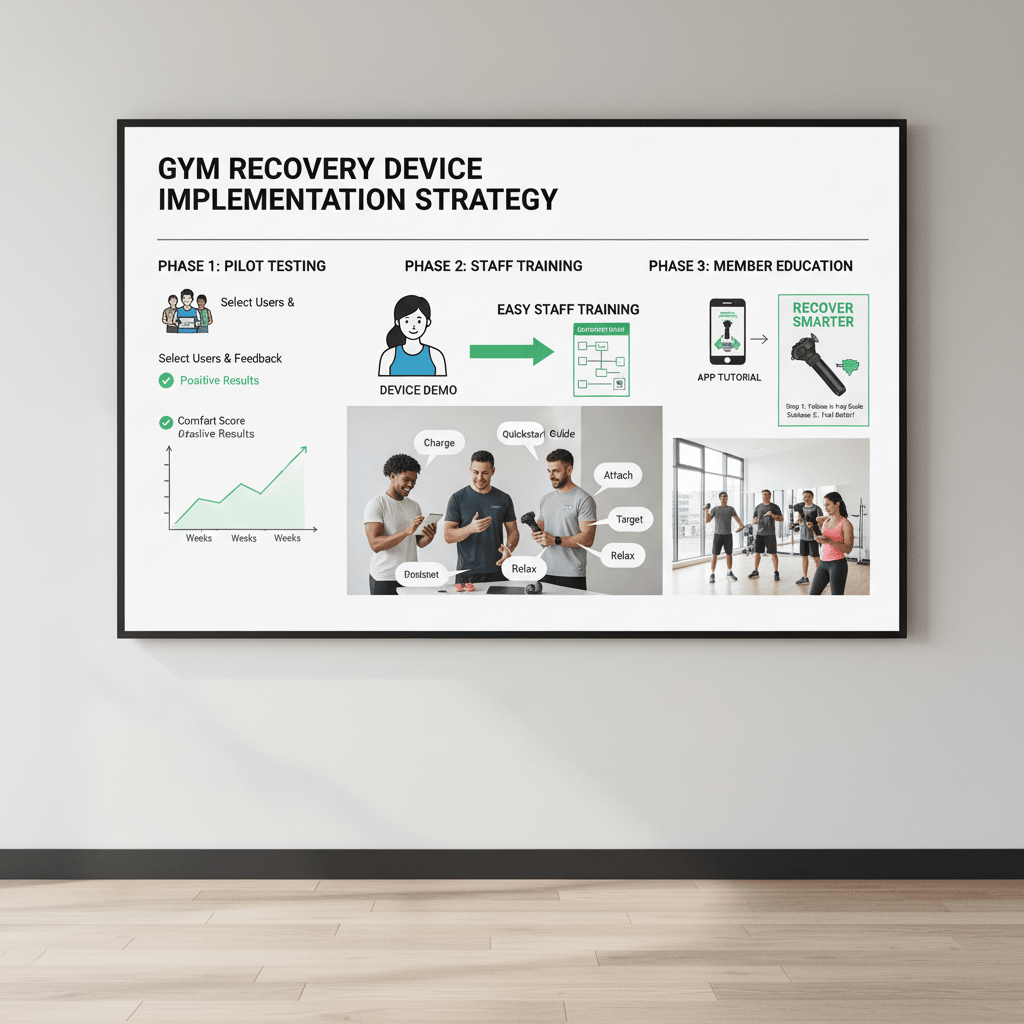
Pilot testing is your safety net. Before making a large investment, test one or two units with a small group of members and coaches. Gather feedback on usability, effectiveness, and integration challenges. This real-world testing prevents costly mistakes and builds staff buy-in.
Staff training should focus on practical application rather than technical specifications. Coaches need to understand how to incorporate the devices into different training scenarios and how to educate members on proper usage. The dual-mode approach makes this training more efficient because the same device serves multiple purposes.
Member education is often overlooked but critical for adoption. Create simple, visual guides that show how to use each mode for different purposes. Use before-and-after demonstrations to illustrate the benefits. I’ve found that members who understand the "why" behind recovery techniques are much more likely to use the equipment consistently.
| Implementation Phase | Key Activities | Success Metrics | Timeline |
|---|---|---|---|
| Pilot Testing | Small group trials, feedback collection | Usage frequency, member satisfaction8 | 2-4 weeks |
| Staff Training | Hands-on practice, scenario training | Confidence scores, integration ability | 1-2 weeks |
| Member Education | Demo sessions, visual guides, staff assistance | Adoption rates, perceived value | Ongoing |
Operational integration involves creating clear protocols for device usage, maintenance, and scheduling. Establish guidelines for when each mode should be used and train staff to recognize appropriate application opportunities. Regular maintenance schedules ensure equipment remains in optimal condition and reduces downtime.
Measurement and optimization complete the implementation cycle. Track usage patterns, member feedback, and business impact metrics. Use this data to refine your approach, adjust pricing models12, and identify additional training needs. Continuous improvement ensures your recovery equipment investment delivers maximum value.
Conclusion
Dual-mode recovery systems1 transform gym operations by creating complete training-to-recovery workflows15 that members value and staff can consistently deliver, driving both satisfaction and revenue growth.
-
Explore how dual-mode systems can enhance gym training and recovery, maximizing member satisfaction. ↩ ↩
-
Learn about the advantages of high-frequency vibration for rapid activation and improved workout performance. ↩
-
Discover how low-frequency deep stroke can enhance recovery and reduce muscle soreness after workouts. ↩ ↩
-
Understand the importance of safety certifications in ensuring the reliability and safety of gym equipment. ↩
-
Find out how scientific validation can enhance the credibility and effectiveness of recovery equipment. ↩
-
Learn how to assess the return on investment for recovery devices to make informed purchasing decisions. ↩
-
Explore effective strategies to maximize the usage of recovery equipment and boost gym revenue. ↩
-
Discover techniques to enhance member satisfaction through effective recovery solutions. ↩ ↩ ↩
-
Learn best practices for training staff to effectively use and promote recovery devices. ↩ ↩ ↩ ↩
-
Delve into the science of how neurological principles enhance the effectiveness of recovery equipment. ↩
-
Learn how understanding member demographics can guide better equipment purchasing decisions. ↩
-
Explore various pricing strategies that can enhance the perceived value of recovery services. ↩ ↩
-
Find out how pilot testing can prevent costly mistakes and ensure effective equipment integration. ↩
-
Discover engaging ways to educate members on the benefits and usage of recovery equipment. ↩
-
Understand how structured workflows can enhance the training and recovery experience for members. ↩