
Living with plantar fasciitis1 can be incredibly frustrating, especially when it limits our mobility and disrupts daily activities.
Typically, it’s advised to rest your feet2 for a period of 2 to 3 weeks if you have plantar fasciitis. This allows inflammation to reduce, helping in healing.

Managing our foot health can be confusing. I’ve learned that resting doesn’t mean completely halting all movement but prioritizing non-weight-bearing activities. Letting our feet heal properly can save us from prolonged discomfort and potential complications. Let’s explore this condition further and understand how we can effectively manage it by addressing common concerns.
How painful is plantar fasciitis?
The sudden, sharp pain that strikes when we least expect it can be overwhelming. It’s a common struggle many face with plantar fasciitis.
Pain levels vary; some experience mild discomfort while others feel severe pain. Generally, pain peaks during initial steps after rest and can improve with movement.
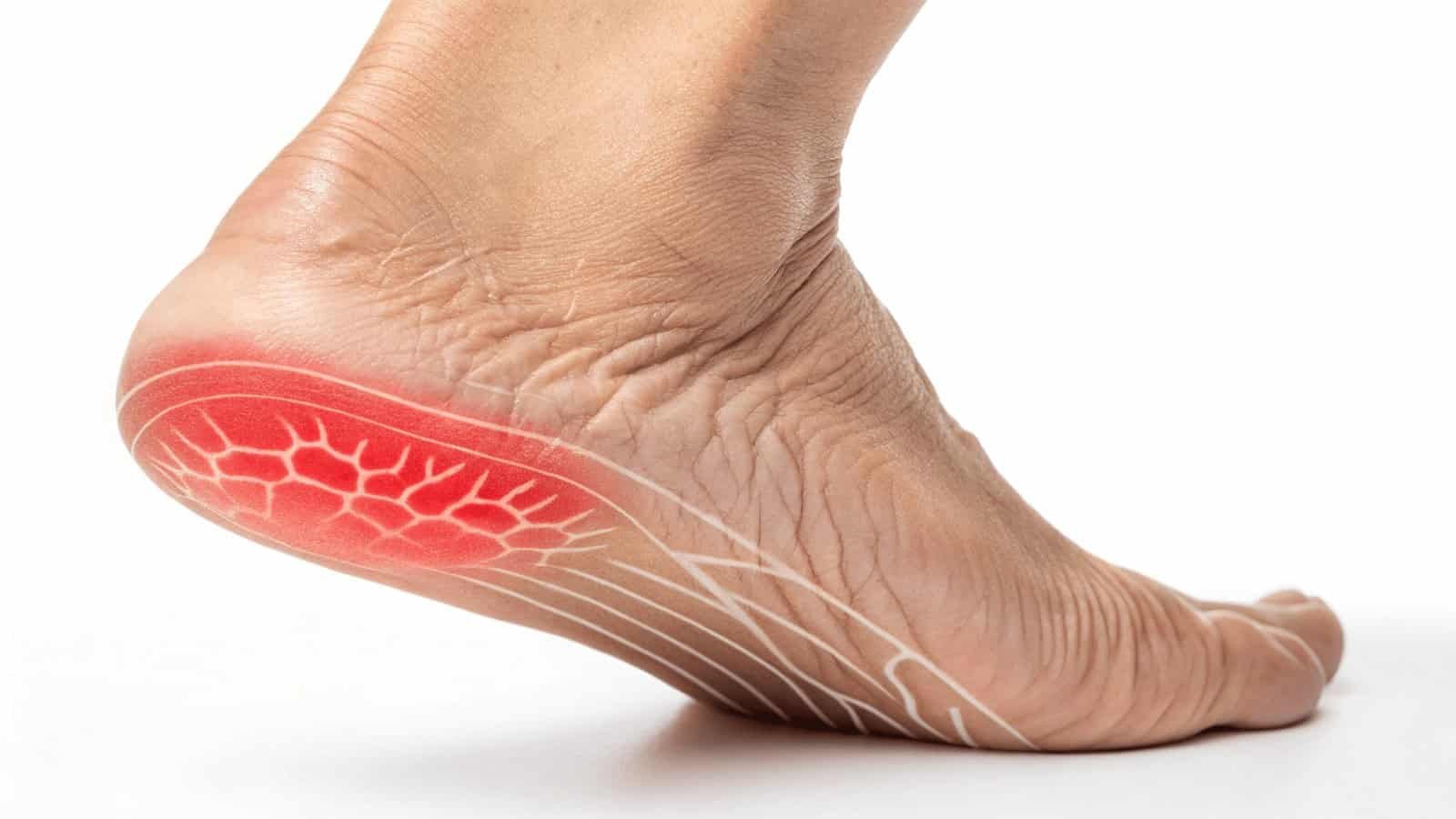
Understanding plantar fasciitis pain involves recognizing its impact on routine activities. The condition manifests as heel pain, often described as a stabbing sensation or dull ache. Pain generally intensifies with prolonged inactivity and eases with gentle movement, though excessive activity can worsen symptoms. Treatment approaches like stretching, usage of orthopedic aids, and applying topical analgesics can provide relief, gradually improving one’s quality of life.
Can plantar fasciitis cause hip pain3?
The discomfort from plantar fasciitis affects more than just our feet; it often leads to unexpected aches elsewhere, including the hips.
Hip pain can result from altered gait patterns due to plantar fasciitis. As we subconsciously change how we walk, additional pressure and imbalance affect our hips.
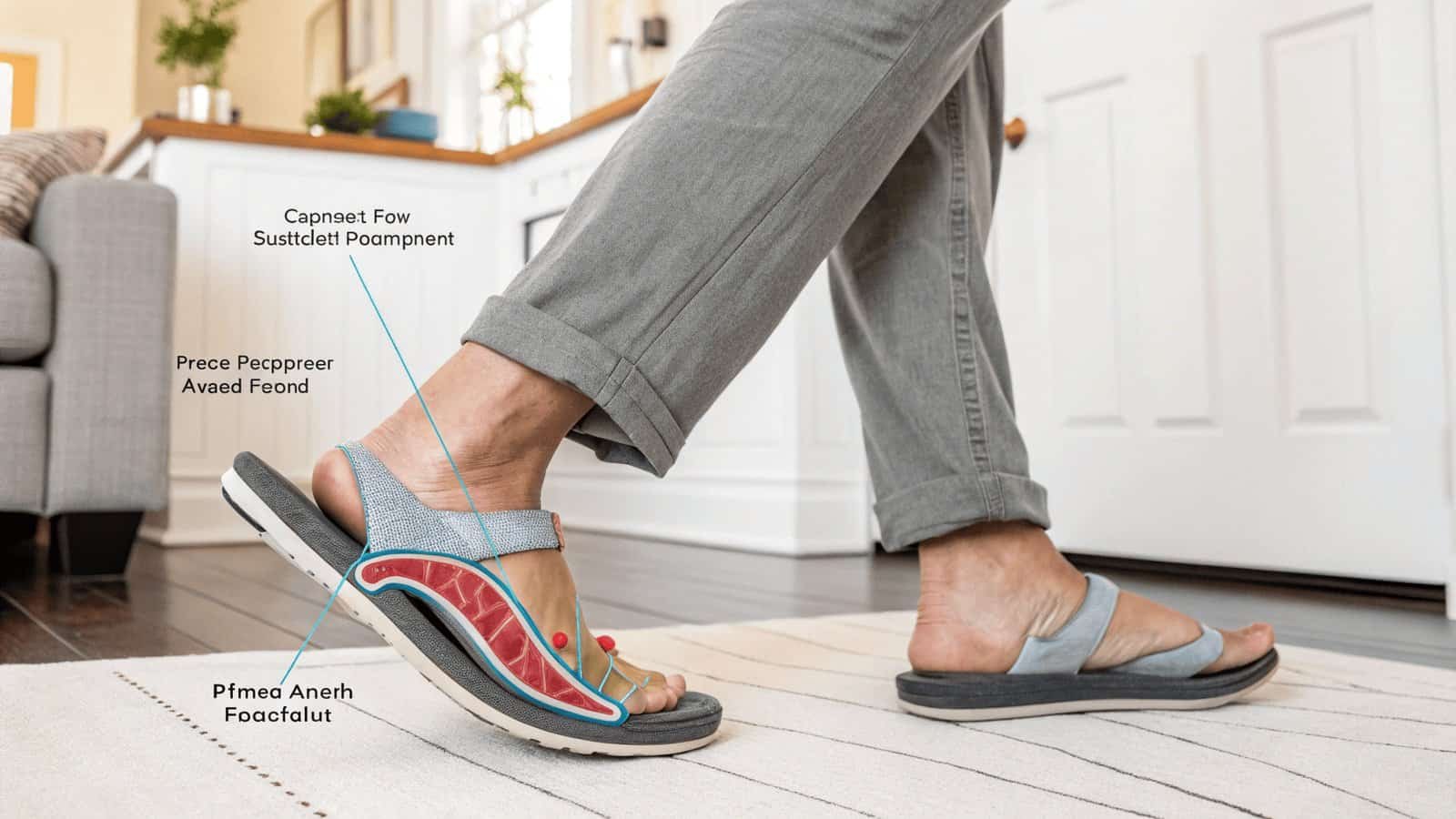
As foot pain influences walking patterns, the body compensates, shifting weight to reduce discomfort at the heels. This unnatural gait strains joints and musculature in the lower body, leading to hip discomfort over time. Awareness and corrective exercises targeting biomechanics may support realignment. Engaging in activities that promote overall balance can mitigate such issues, enhancing physiological well-being during recovery phases.
How can overweight cause plantar fasciitis?
Carrying excess weight puts additional stress on our feet, leading to conditions like plantar fasciitis. It’s a concern that’s often overlooked.
Overweight individuals are at higher risk because excess weight increases pressure on the plantar fascia, causing inflammation and pain. Weight management can reduce this risk significantly.
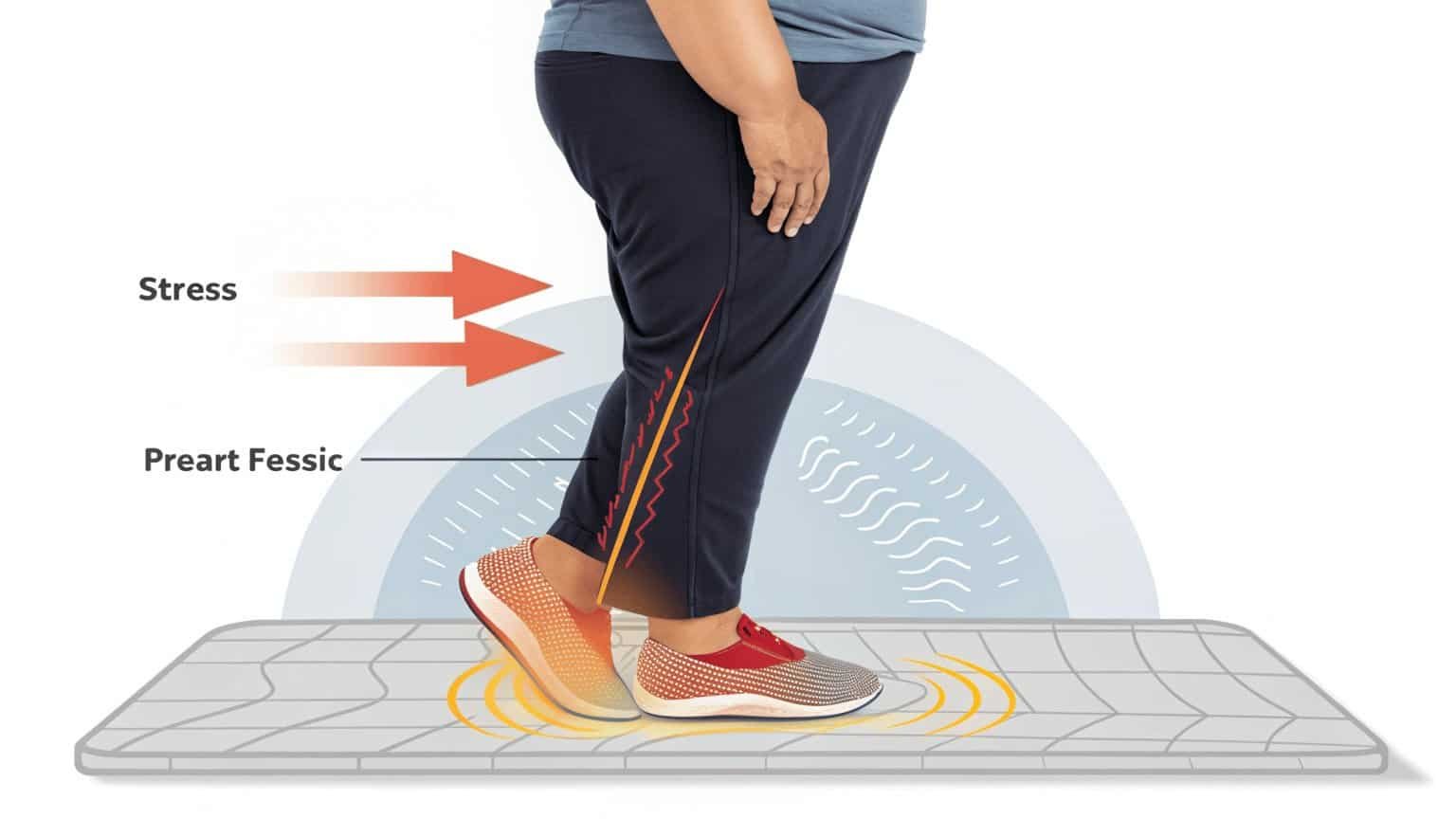
Excess body weight intensifies the load bearing on the arch of the foot, exacerbating strain on the plantar fascia. This heightened stress leads to micro-tears and inflammation, manifesting as plantar fasciitis. Weight management strategies involve adopting healthier dietary habits and integrating low-impact exercises like swimming and cycling. These activities reduce stress on feet, support gradual weight loss, and promote overall health, minimizing plantar fasciitis development risks.
How to keep walking when I have plantar fasciitis?
The thought of movement when experiencing plantar fasciitis pain can be daunting. However, it’s crucial for maintaining daily function and supporting recovery. (30 words)
While resting is vital, minimizing pain with supportive footwear and orthotics aids in maintaining mobility despite plantar fasciitis. Incorporating gentle stretching and warm-up exercises helps too.
Continued activity with plantar fasciitis requires a careful balance between resting and walking with strategic measures. Select shoes with cushioning and arch support to minimize impact stress. Orthotic inserts aligned with the foot shape ensure comfort during movement. Gentle stretching routines targeting calf muscles and tendons alleviate tightness. Following a warm-up regime before walking can prevent abrupt stress on the fascia, thereby promoting healing without sacrificing mobility.
Conclusion
Managing plantar fasciitis involves understanding its impact, adapting our activity levels, and embracing proactive steps to recover effectively.
-
Explore this link to discover effective treatments and management strategies for plantar fasciitis, helping you regain mobility and reduce discomfort. ↩
-
Learn why resting your feet is crucial for recovery from injuries like plantar fasciitis, ensuring a faster and more effective healing process. ↩
-
Understanding the connection between hip pain and plantar fasciitis can help you address underlying issues and find comprehensive relief. ↩