After an intense workout, your muscles ache and feel tight. You want relief fast, but is it safe to use a massage gun right away?
You can use a massage gun immediately after exercise, but start at low intensity for 30-60 seconds per muscle group. This helps flush lactic acid1 without overstimulating fatigued muscles. Wait 10-15 minutes after high-intensity workouts before deep tissue work2.
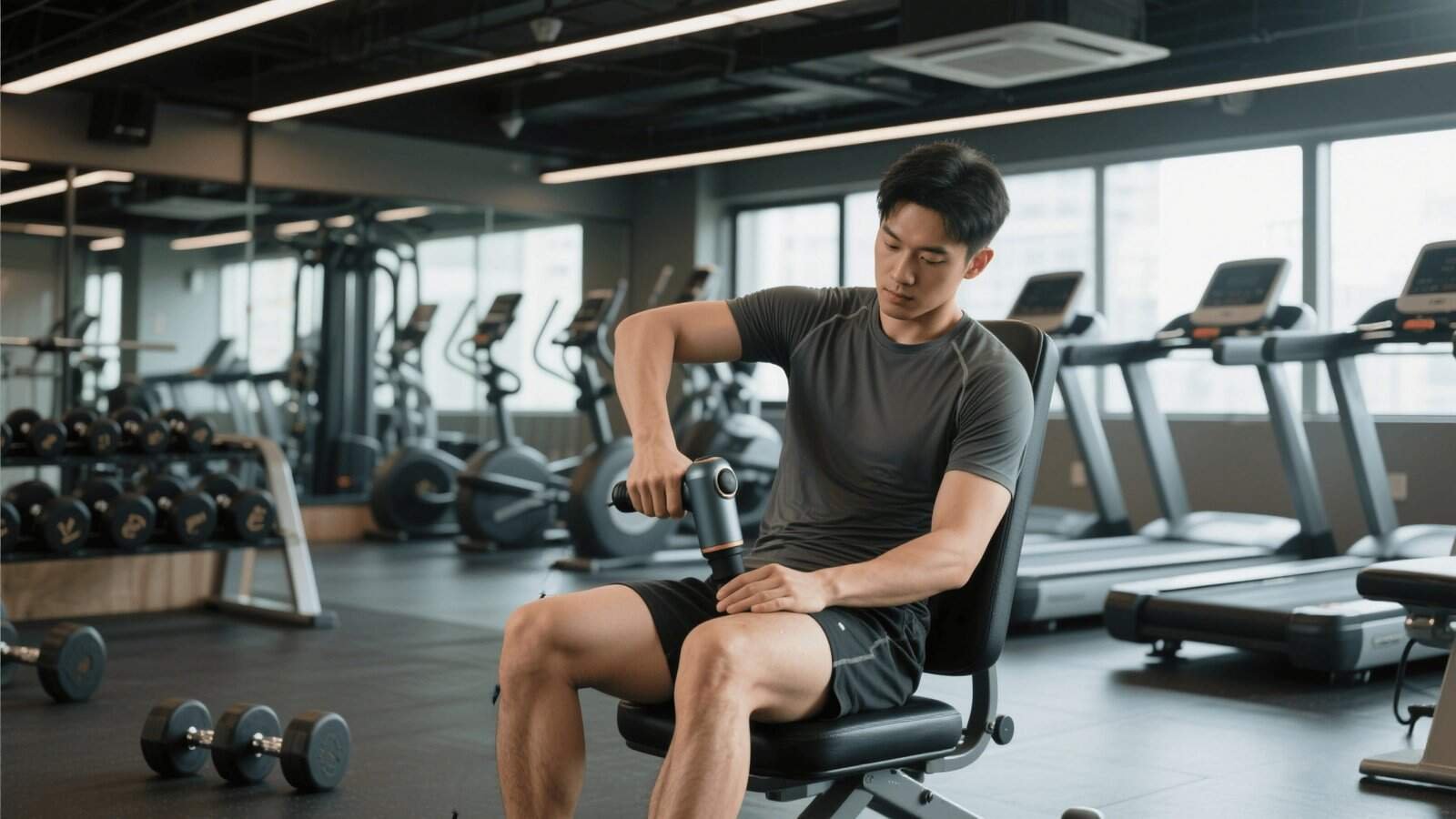
Massage guns speed up recovery when used correctly. Let’s explore how they compare to other methods and where to avoid them.
Can Massage Guns Relieve Chronic Muscle Pain?
Chronic pain needs consistent care. Quick fixes often fail, leaving you frustrated.
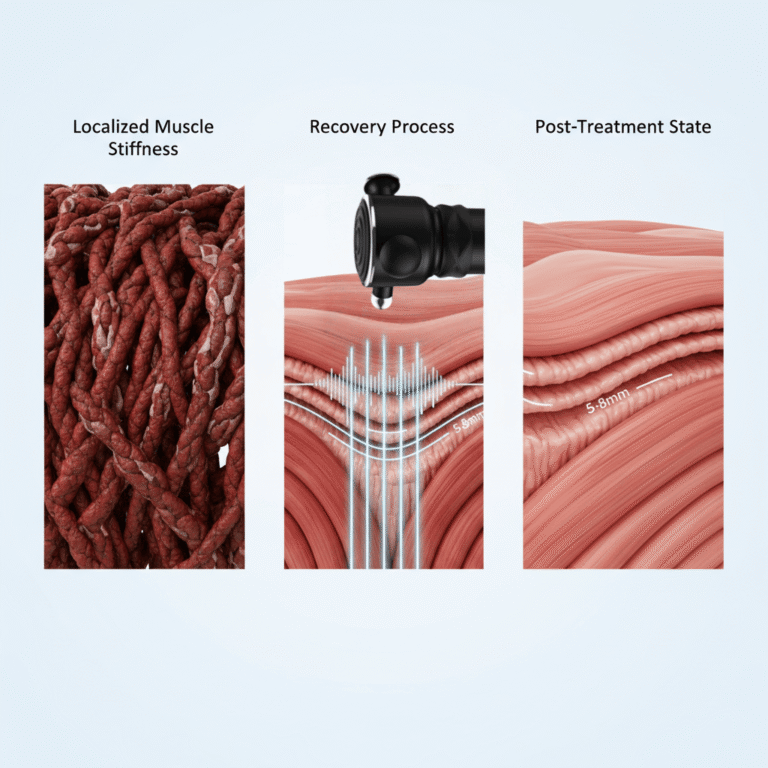
Massage guns reduce chronic pain3 by increasing blood flow4 and breaking up adhesions5 in overused muscles. Use 2-3 times weekly for 2 minutes per area at medium pressure. Combine with stretching for long-term relief.
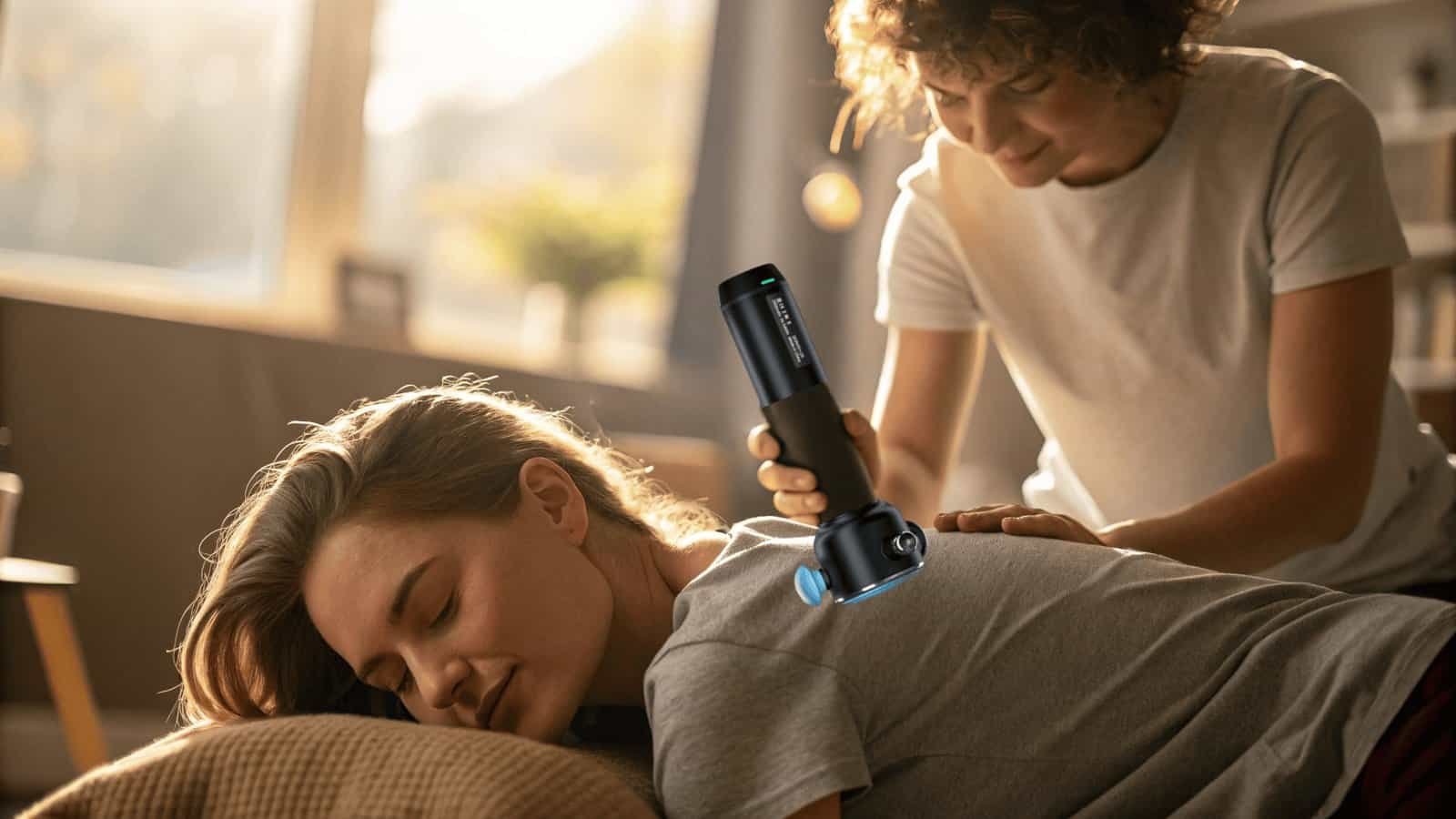
For lasting results:
-
Frequency Matters
- Acute pain: Daily sessions (low intensity)
- Chronic pain: Every other day (moderate intensity)
-
Target Deep Tissue Technique Benefit Slow circles Releases knots Vertical strokes Improves blood flow -
Pair With Heat
Apply a heating pad first to loosen muscles, then use the gun for deeper penetration.
What’s the Difference Between Massage Guns and Traditional Massage?
Hands-on massage feels great, but it’s not always practical.
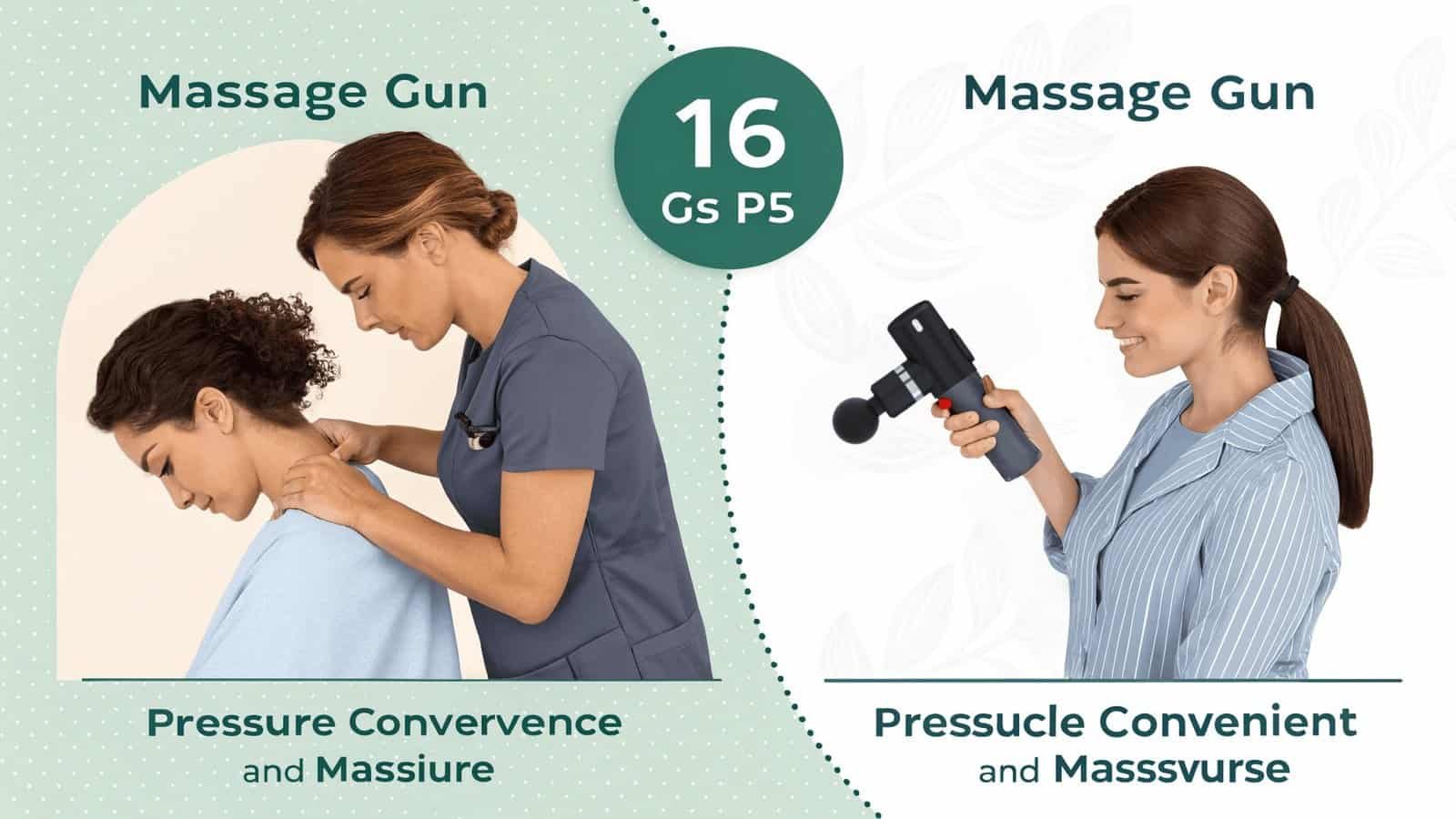
Massage guns provide deeper, targeted pressure than manual massage and let you control intensity. Traditional massage6 offers full-body relaxation but costs more per session. Guns are cheaper long-term for focused relief.
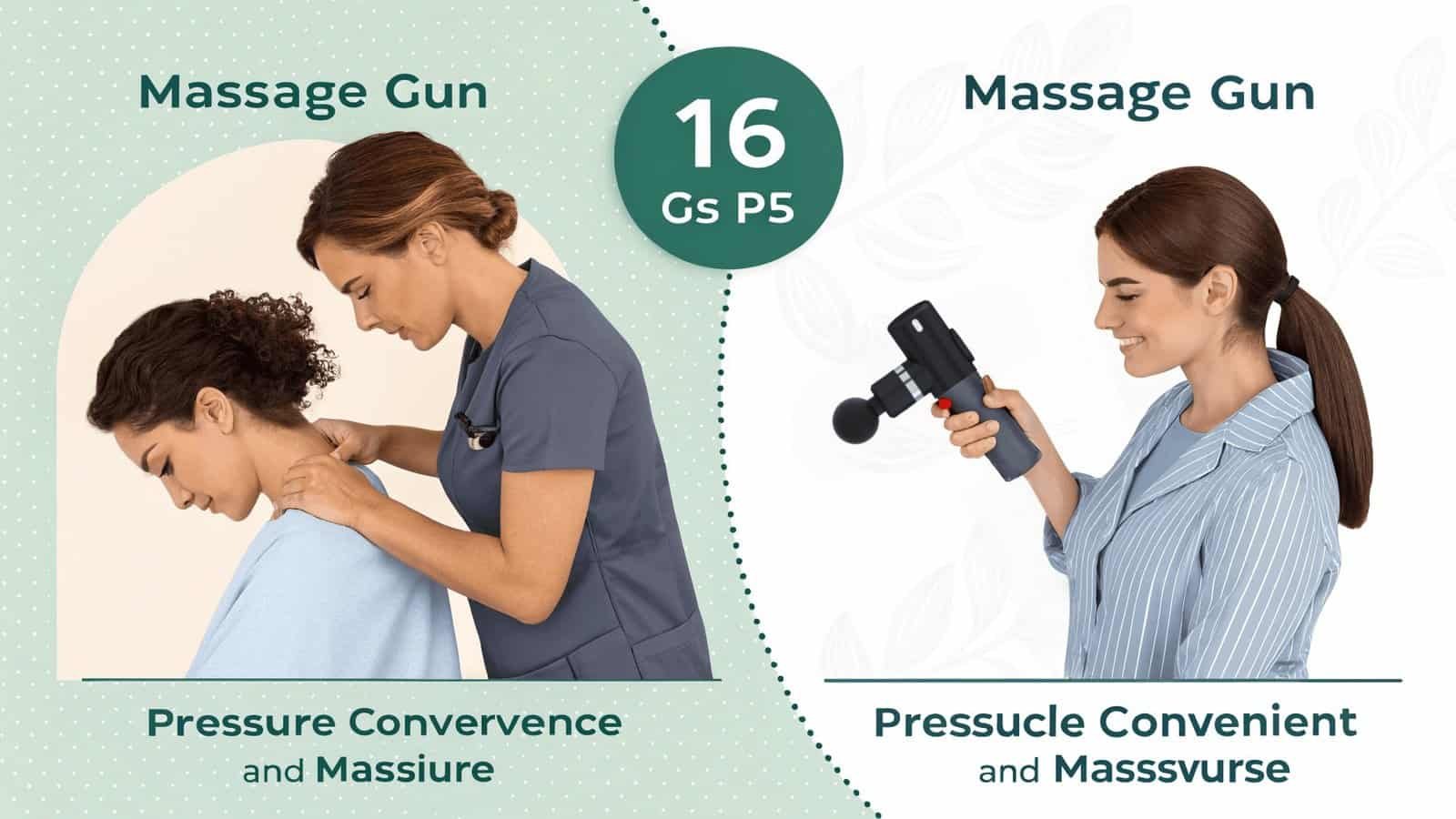
Key contrasts:
-
Pressure Depth
- Guns: Reach 10-16mm into tissue
- Hands: Typically 5-8mm
-
Convenience
- Guns: Use anytime, no appointment
- Hands: Requires a therapist
-
Cost
- Guns: $100-$300 one-time
- Hands: $50-$100 per session
Which Body Parts Should Avoid Massage Guns?
Some areas are too delicate for intense vibration.
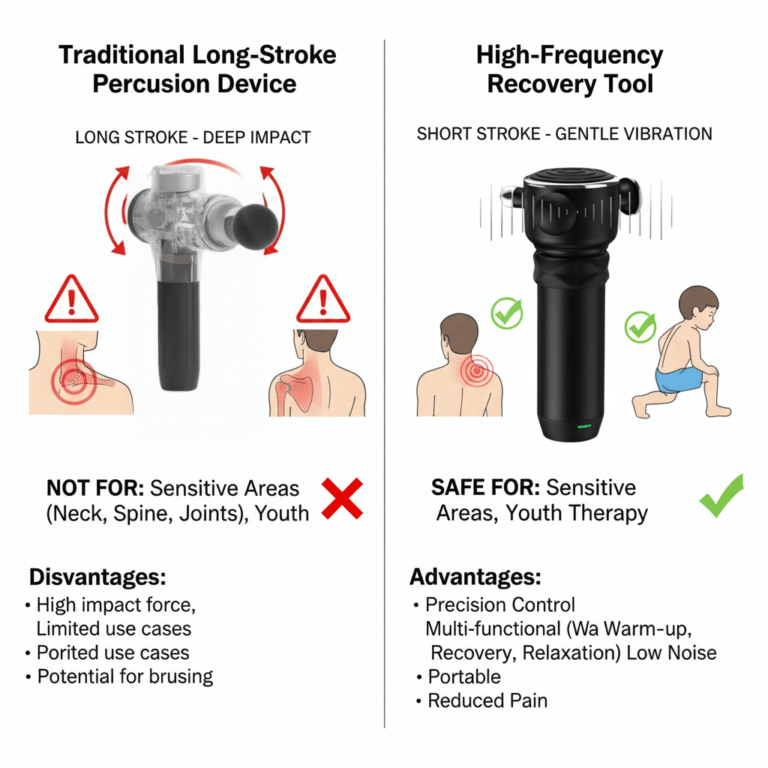
Avoid bones, joints, temples, and the spine. Focus on meaty muscles7 like thighs, calves, and shoulders. Never use on varicose veins, bruises, or recent injuries.
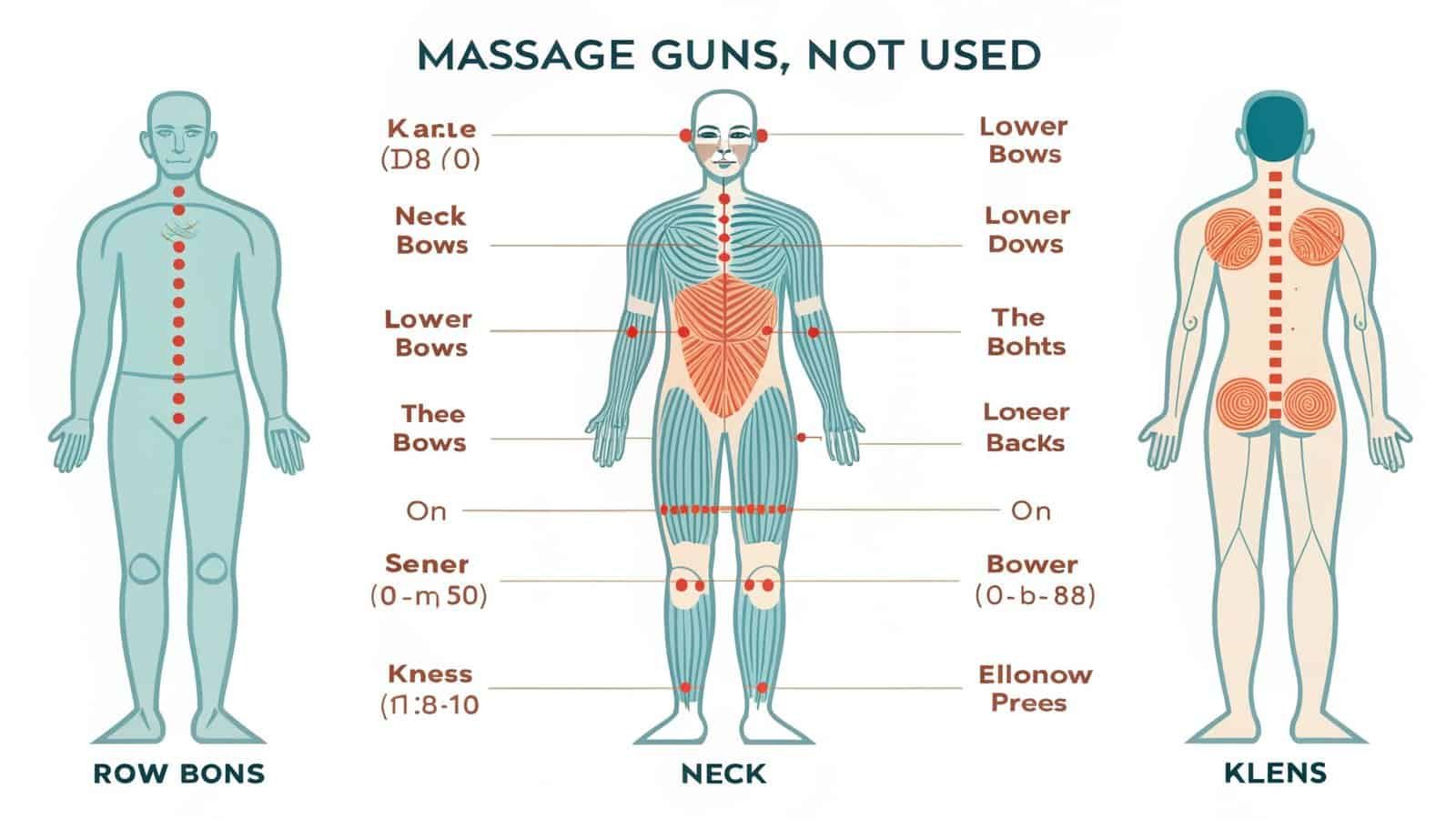
Risky zones explained:
-
Neck Front
- Carotid artery risk8
- Use gentle manual massage instead
-
Lower Back
- Spinal discs are sensitive9
- Target glutes/hamstrings for indirect relief
-
Elbows/Knees
- Bony with little muscle padding
- Work surrounding muscles only
Conclusion
Massage guns boost recovery10 when timed right and avoid sensitive areas. Pair them with heat and stretching for best results.
-
Learn about lactic acid’s role in muscle recovery and how to manage it effectively after workouts. ↩
-
Discover the importance of timing for deep tissue work to enhance recovery and prevent injury after workouts. ↩
-
Discover the science behind how massage guns can effectively alleviate chronic pain and enhance recovery. ↩
-
Learn about the crucial role of blood flow in muscle recovery and how it can enhance your overall performance. ↩
-
Explore the importance of breaking up adhesions in muscles for better recovery and pain relief. ↩
-
Understand the key differences and benefits of traditional massage versus modern massage guns for pain relief. ↩
-
Discover the significance of targeting meaty muscles for effective massage therapy and recovery. ↩
-
Understanding the risks of the carotid artery can help you avoid serious injury during massage. Explore this link for detailed insights. ↩
-
Learn about the sensitivity of spinal discs to ensure safe and effective massage techniques. This resource provides valuable information. ↩
-
Discover how massage guns can improve your recovery process and performance. This link offers expert advice and tips. ↩