Your gym members are pushing their limits daily, but are you giving them the right tools to recover effectively? A well-designed recovery corner can be the game-changer your facility needs.
The secret to an effective recovery corner isn’t about having the most devices, but about organizing them along “multi-dimensional stimulation pathways1” – this creates logical flow that members will actually use.
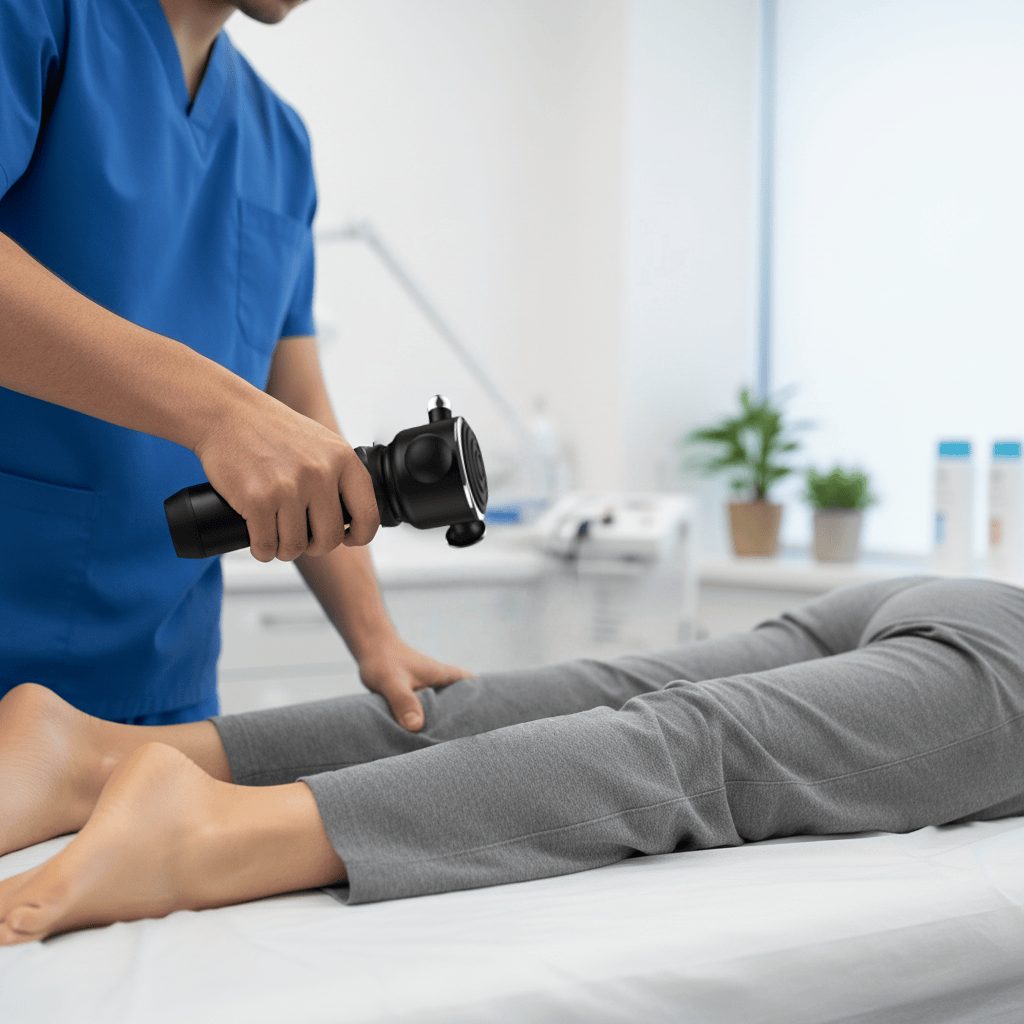
Most gyms make the mistake of stacking equipment to appear professional. The real value comes from creating a structured recovery experience that guides members through different stimulation pathways. Let’s explore how to build this properly.
Essential Recovery Devices Every Modern Gym Should Include (And How to Choose Them)?
Are you selecting recovery devices based on popularity rather than actual function? This approach often leads to underutilized equipment collecting dust.
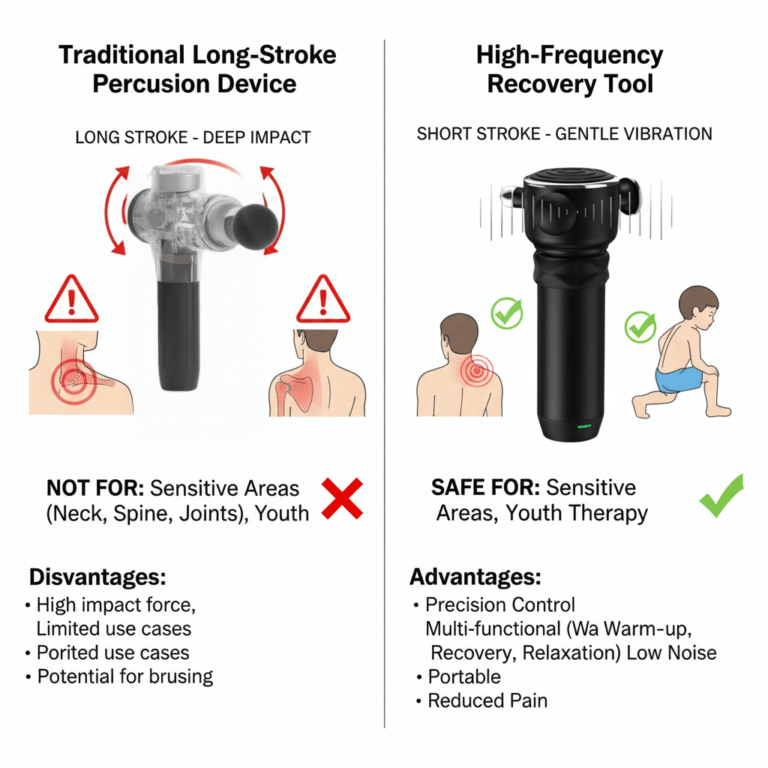
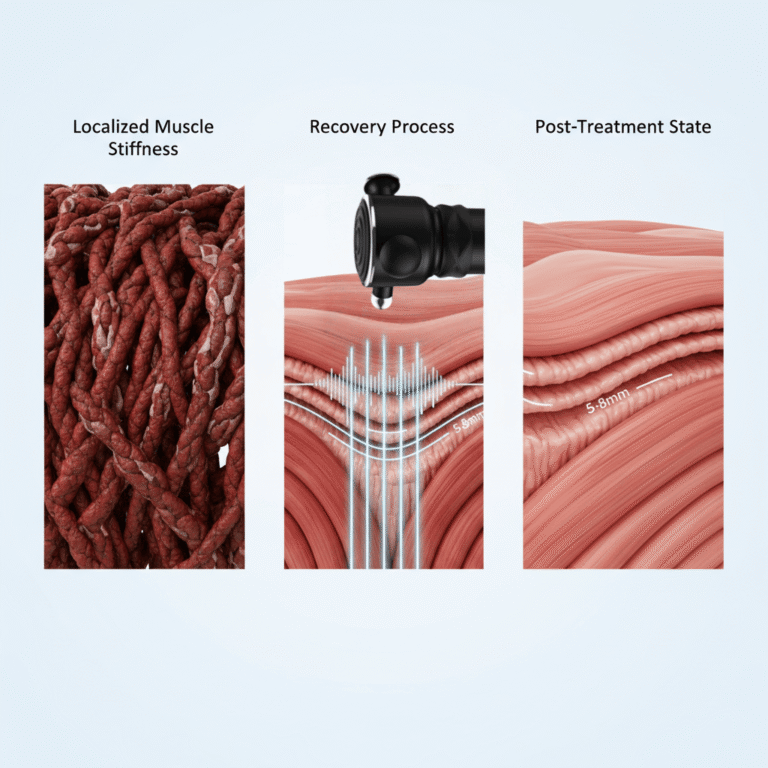
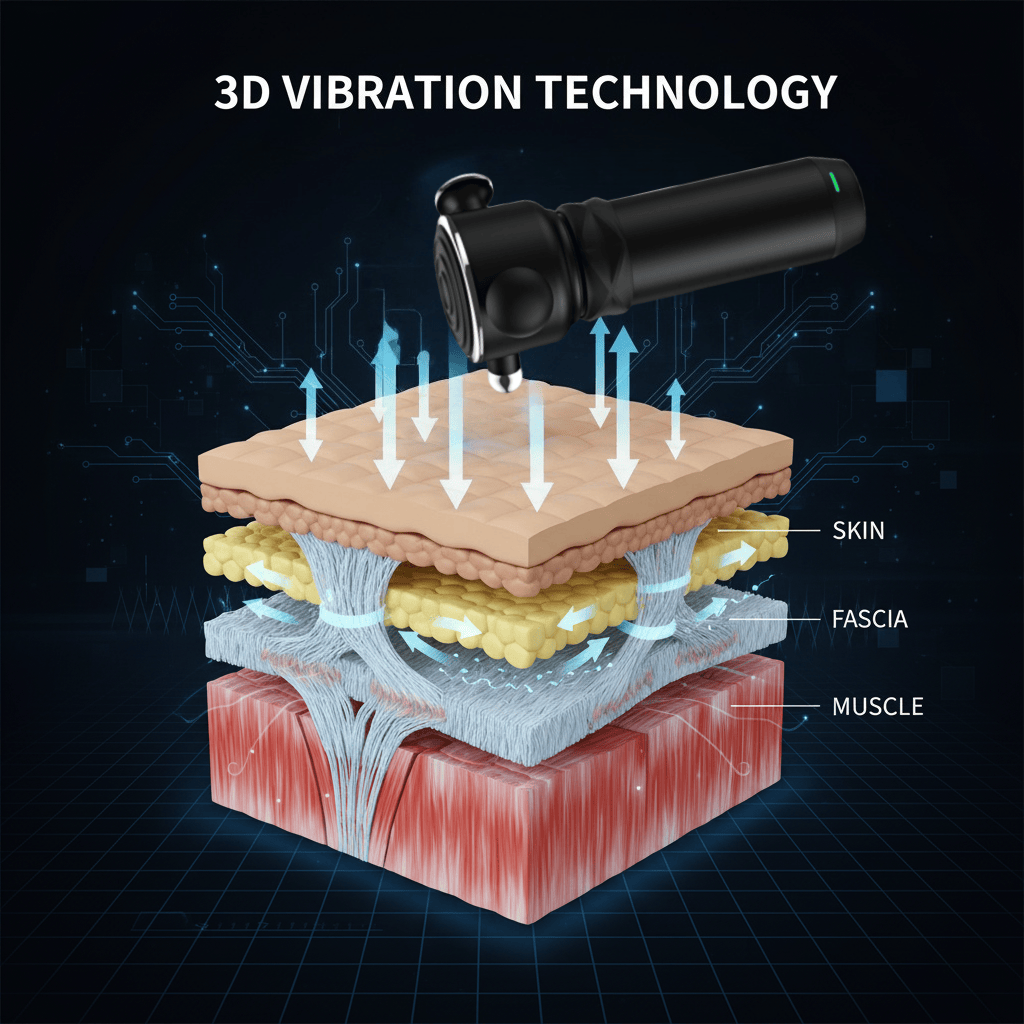
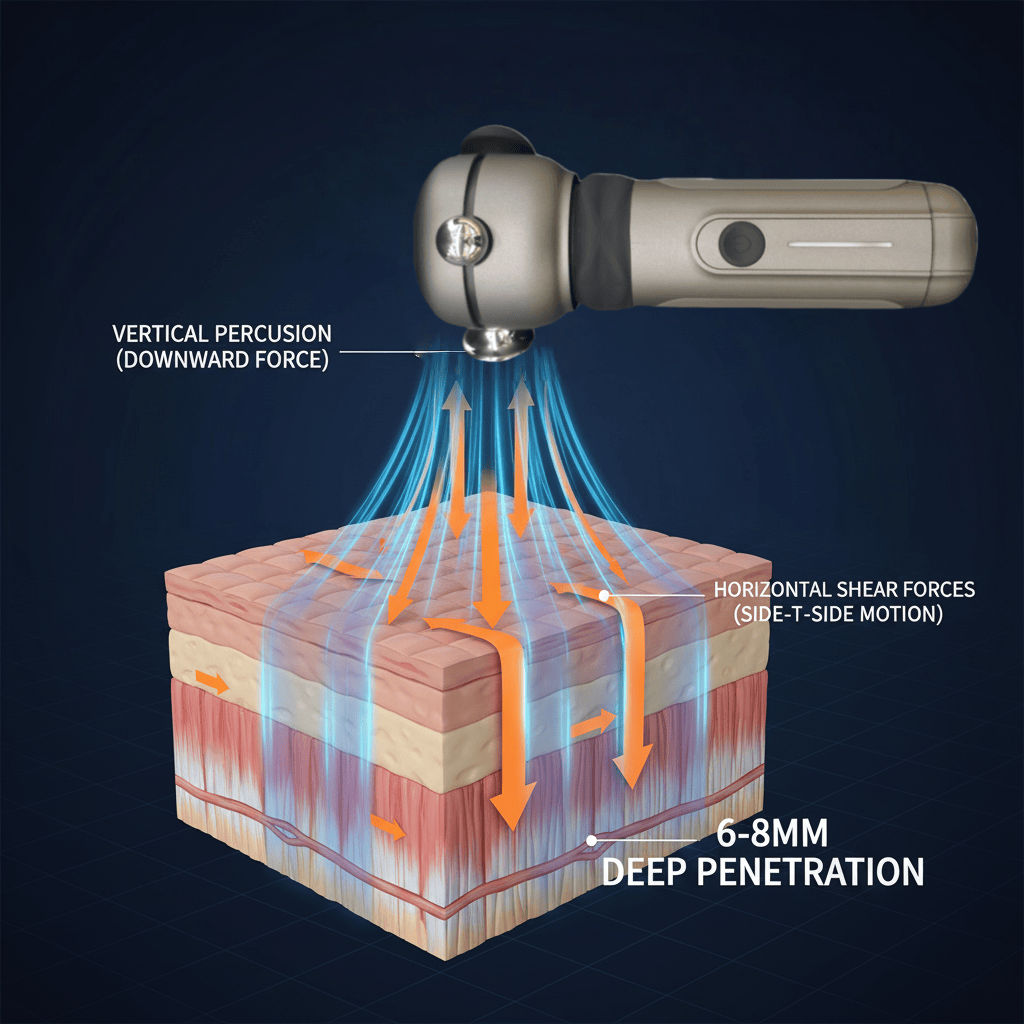
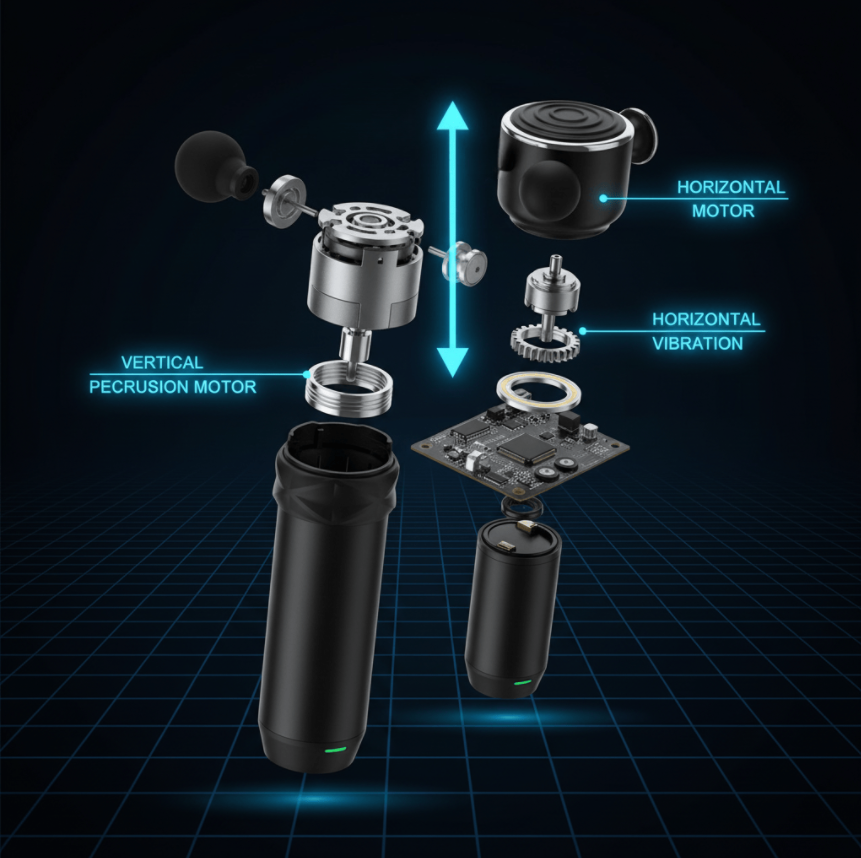
Choose devices based on their stimulation direction (vertical penetration, horizontal release, rolling, stretching, breathing/neural regulation2) rather than equipment type. A 3D vibration massage gun3 is unique as it serves as a “dual-effect hub” connecting different recovery experiences.

When selecting devices, consider these categories:
| Stimulation Type | Example Devices | Key Benefit |
|---|---|---|
| Vertical Penetration | Percussion massagers | Deep tissue activation |
| Horizontal Release | Foam rollers | Myofascial release |
| 3D Vibration | Your product | Dual-direction stimulation |
| Stretching | Resistance bands | Mobility improvement |
| Neural Regulation | Breathing trainers | CNS recovery |
The 3D vibration device is particularly valuable as it naturally bridges different recovery phases – guiding members from rolling → vibration → stretching in a logical sequence.
Step-by-Step Layout Guide: Designing a Recovery Corner That Members Actually Use?
Is your recovery area more of a display than a functional space? Members often avoid areas that lack clear guidance.
Design your layout as a “recovery pathway4” rather than an equipment showcase. Position your 3D vibration device as the central hub that connects different stimulation zones, creating natural flow between stations.
Follow this layout logic:
- Start with rolling/stretching stations near the entrance
- Place the 3D vibration device in the center as transition point
- Position deeper penetration tools (like percussion massagers) further in
- End with breathing/relaxation stations
This creates a complete recovery journey that members can follow intuitively. Include clear signage showing the recommended flow pattern to increase usage rates.
From Relaxation to Revenue: Monetizing Your Gym’s Recovery Zone with Packages and Upsells?
Are you leaving money on the table with your recovery area? Many gyms fail to recognize the profit potential of structured recovery programs.
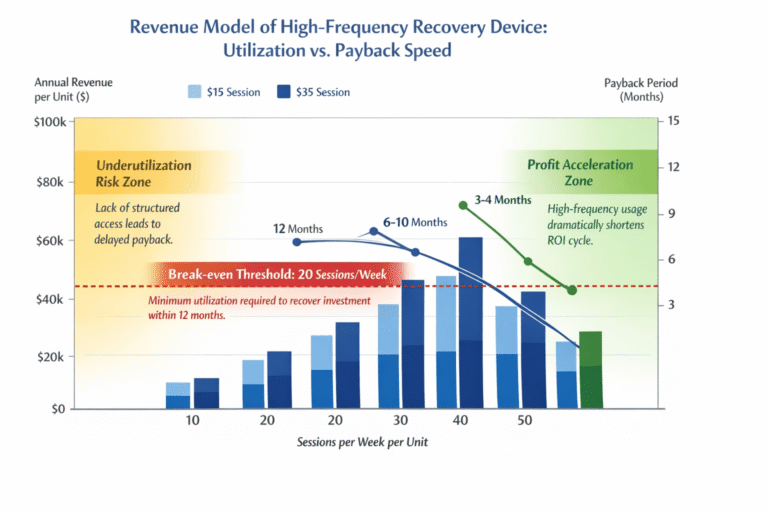
Package your recovery devices into tiered memberships (Basic, Pro, Elite) with guided protocols. Offer “Recovery Booster” add-ons for post-workout sessions, using your 3D vibration device as the premium offering.
Consider these monetization strategies:
- Recovery Membership Tiers5:
- Basic: Access to foam rollers/stretching
- Pro: Adds vibration therapy
- Elite: Includes guided protocols
- Personal Recovery Plans:
- 15-min Express Recovery ($15)
- 30-min Full Recovery ($30)
- 45-min Premium Recovery ($45)
- Trainer-Led Recovery Sessions:
- Small group classes
- 1-on-1 recovery coaching
Your 3D vibration device serves as the anchor for premium offerings, justifying higher price points through its unique dual-action technology.
Conclusion
A successful recovery corner focuses on stimulation pathways rather than equipment quantity, with your 3D vibration device as the natural hub connecting different recovery experiences.
- Understanding these pathways can enhance your gym’s recovery corner design, improving member experience. ↩
- Learn about neural regulation techniques to enhance recovery protocols in your gym. ↩
- Explore the unique benefits of this device to optimize recovery and attract more gym members. ↩
- Discover how a well-structured recovery pathway can improve member engagement and satisfaction. ↩
- Explore tiered membership strategies to maximize revenue and member retention. ↩