Many athletes swear by foam rollers1, but do they really work? Muscle soreness after exercise can be frustrating. Traditional methods may not be enough for optimal recovery.
Foam rollers help by applying pressure to release muscle tightness, but latest research shows true recovery requires a "neuromuscular dialogue2" – passive rolling alone can’t stimulate your nervous system like advanced tools can.
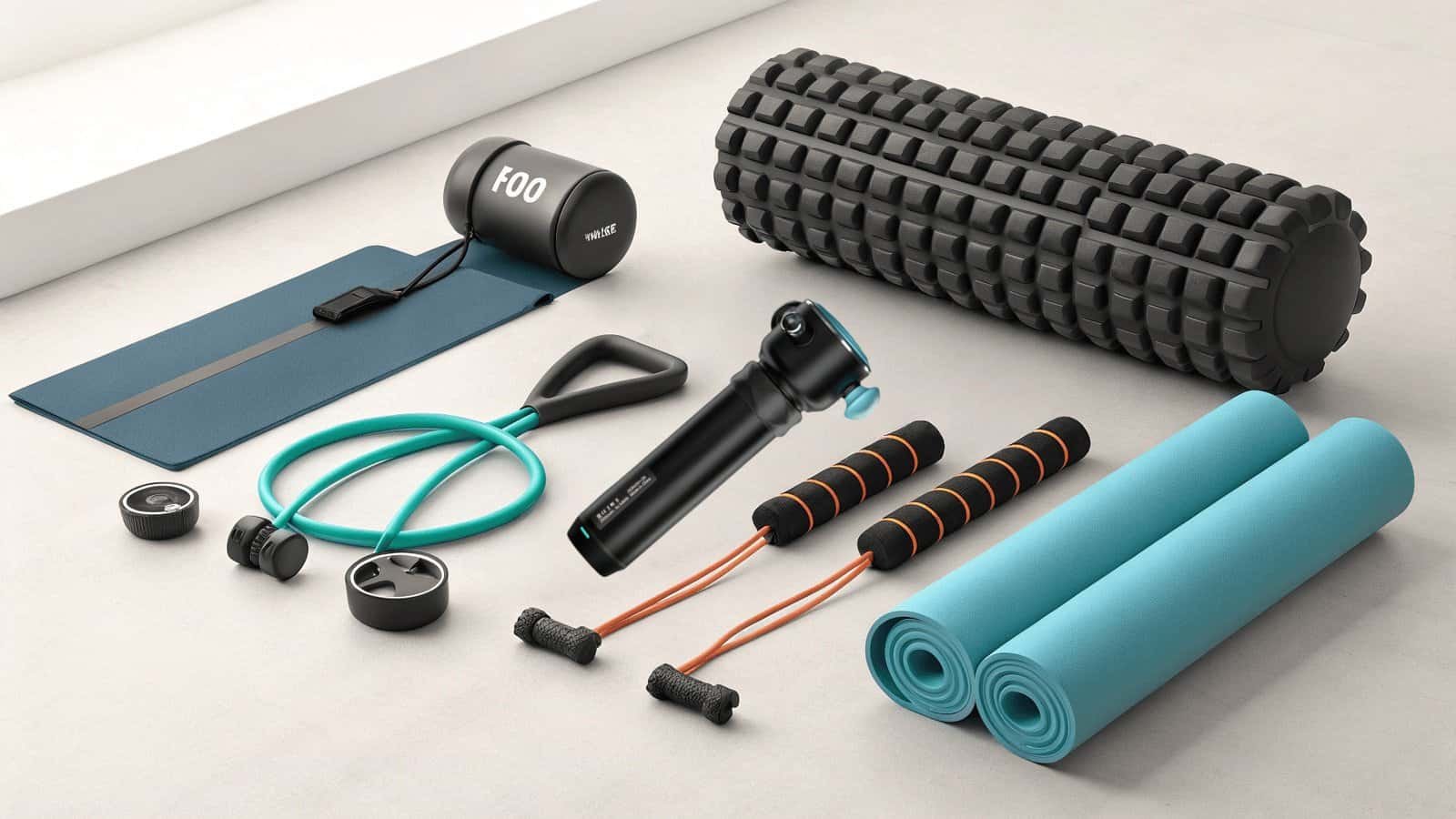
Recent studies prove that while foam rollers1 provide basic relief, they lack the technology for complete recovery. The new generation of recovery tools works on both physical and neurological levels. This makes them far more effective for serious athletes.
Do foam rollers1 actually help with recovery?
Foam rollers are everywhere in gyms, but their benefits have limits. They can temporarily relieve tight muscles, but their effects don’t last long.
Foam rollers improve blood flow and reduce immediate muscle tension through mechanical pressure, but they can’t actively communicate with your nervous system like vibration therapy3 devices can.

Let’s examine why foam rollers1 have limitations:
-
Depth of treatment
- Foam rollers: Only reach surface muscles
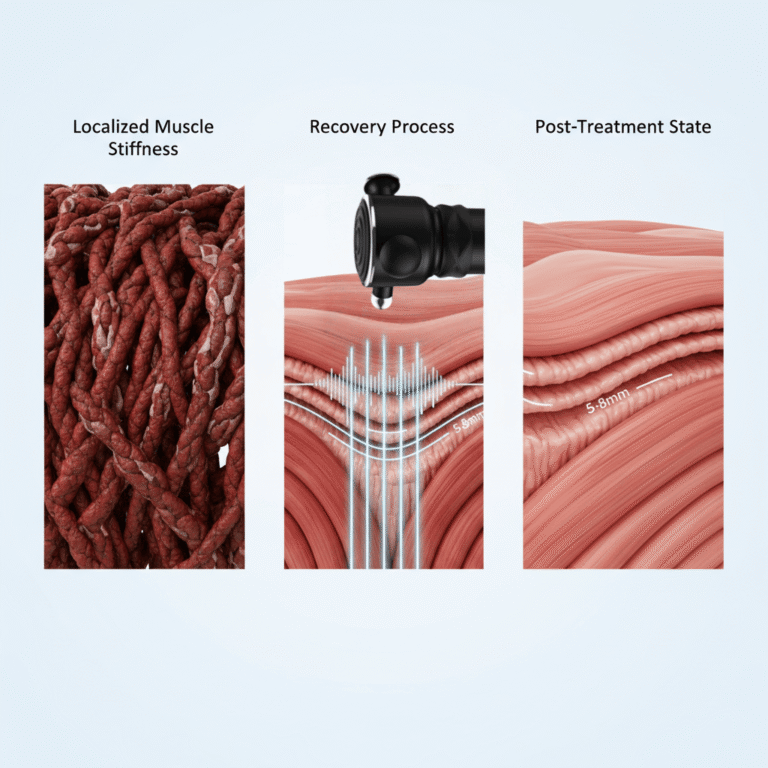
- Therapy guns: Penetrate 6-8mm to deep tissue
-
Neurological benefits Feature Foam Roller Therapy Gun Muscle activation No Yes Nerve stimulation Limited High Recovery speed Slow Fast -
Practical differences
- Foam rollers require your own body weight
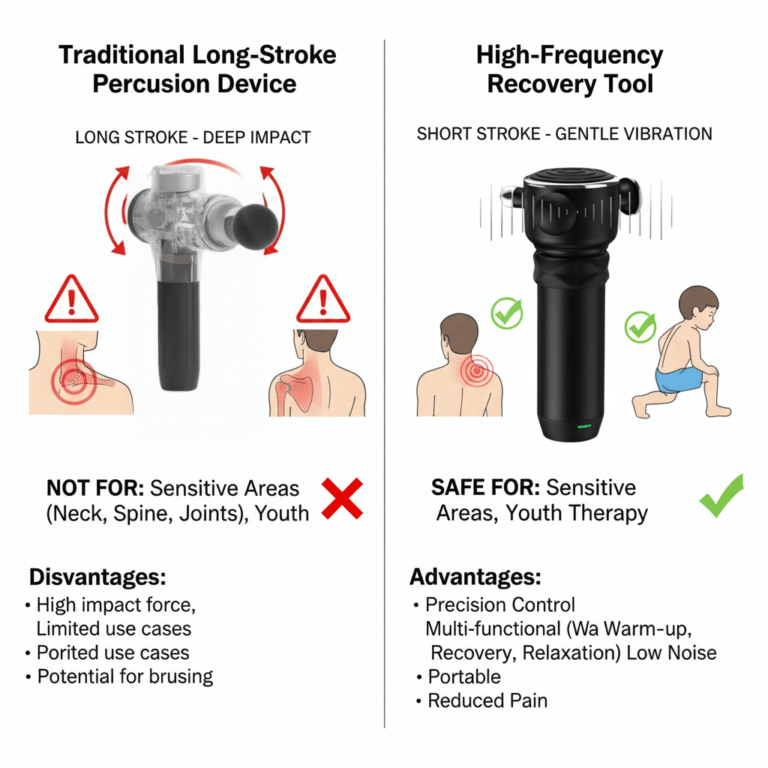
- Therapy guns provide consistent pressure
- New 3D vibration technology works in multiple directions
While useful for basic recovery, foam rollers1 can’t match the performance of modern equipment. For serious athletes, they’re just the first step.
Is it good to use a foam roller on a pulled muscle?
Pulled muscles need special care. Many reach for their foam roller too soon, which can make things worse.
Wait 48-72 hours after a muscle pull before using any massage tool. Foam rollers are safe for mild tension but avoid direct pressure on injured areas – vibration therapy3 is safer and more effective.
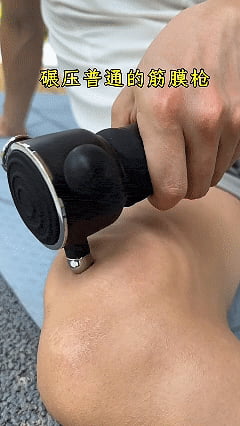
Understanding proper recovery techniques:
-
Acute phase (first 2 days)
- Rest the muscle completely
- Apply ice to reduce swelling
- No deep pressure
-
Subacute phase (days 3-7)
- Gentle vibration can begin
- Still avoid direct pressure
- Focus on blood flow improvement
-
Recovery phase (week 2+)
- Gradual intensity increase
- Combine vibration with stretching
- Rebuild muscle coordination
Our therapy guns4 work well here because:
- Controlled settings prevent overstimulation
- Temperature sensors protect injured tissue
- Adjustable heads target specific areas safely
What is the best thing to take to help muscle recovery?
Recovery isn’t just about tools – your whole approach matters. The best systems combine multiple techniques.
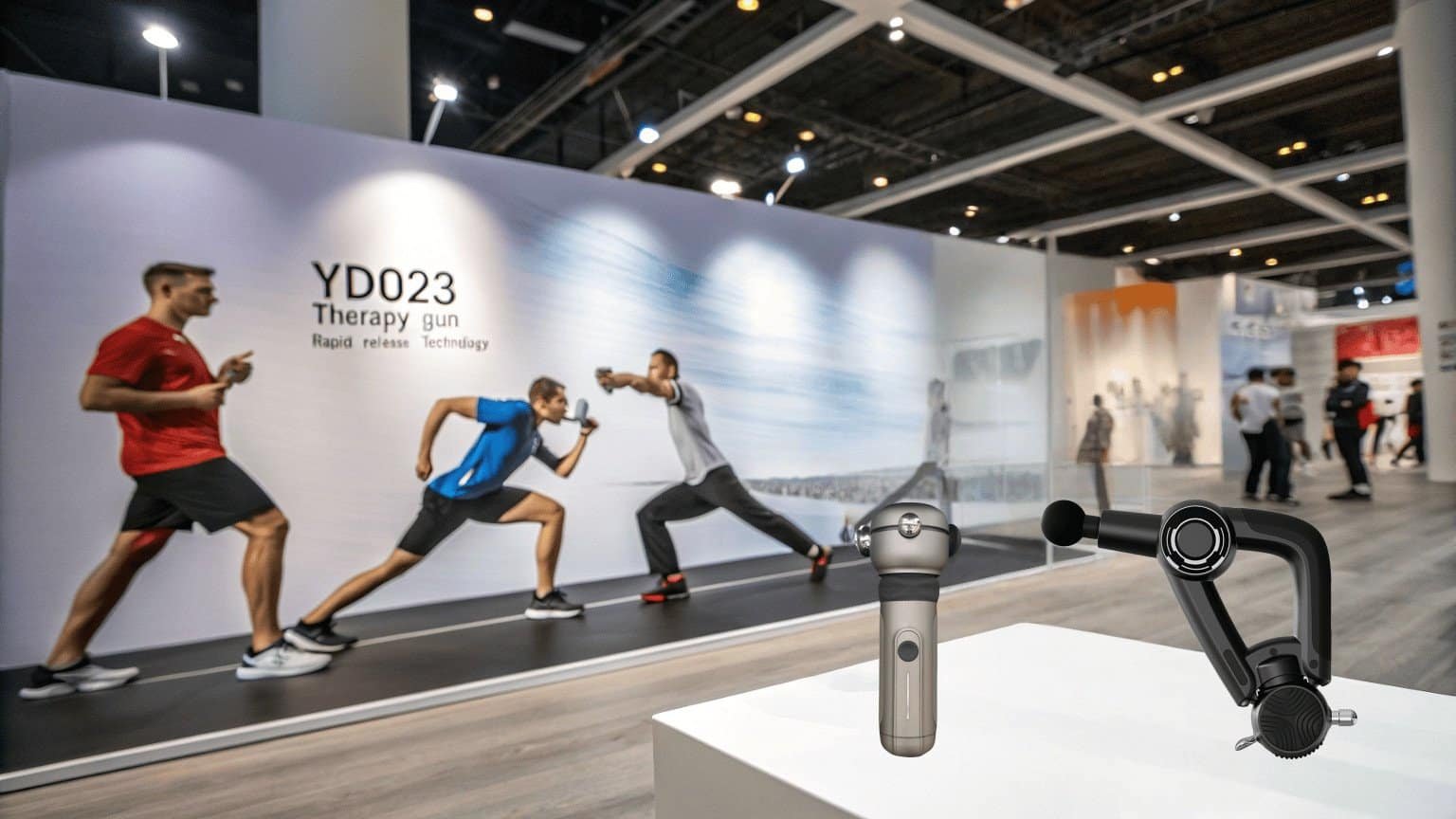
For complete recovery, combine vibration therapy3 with proper nutrition, hydration and sleep. Our rapid release therapy guns4 provide the mechanical component 180% more efficiently than foam rollers1 alone.
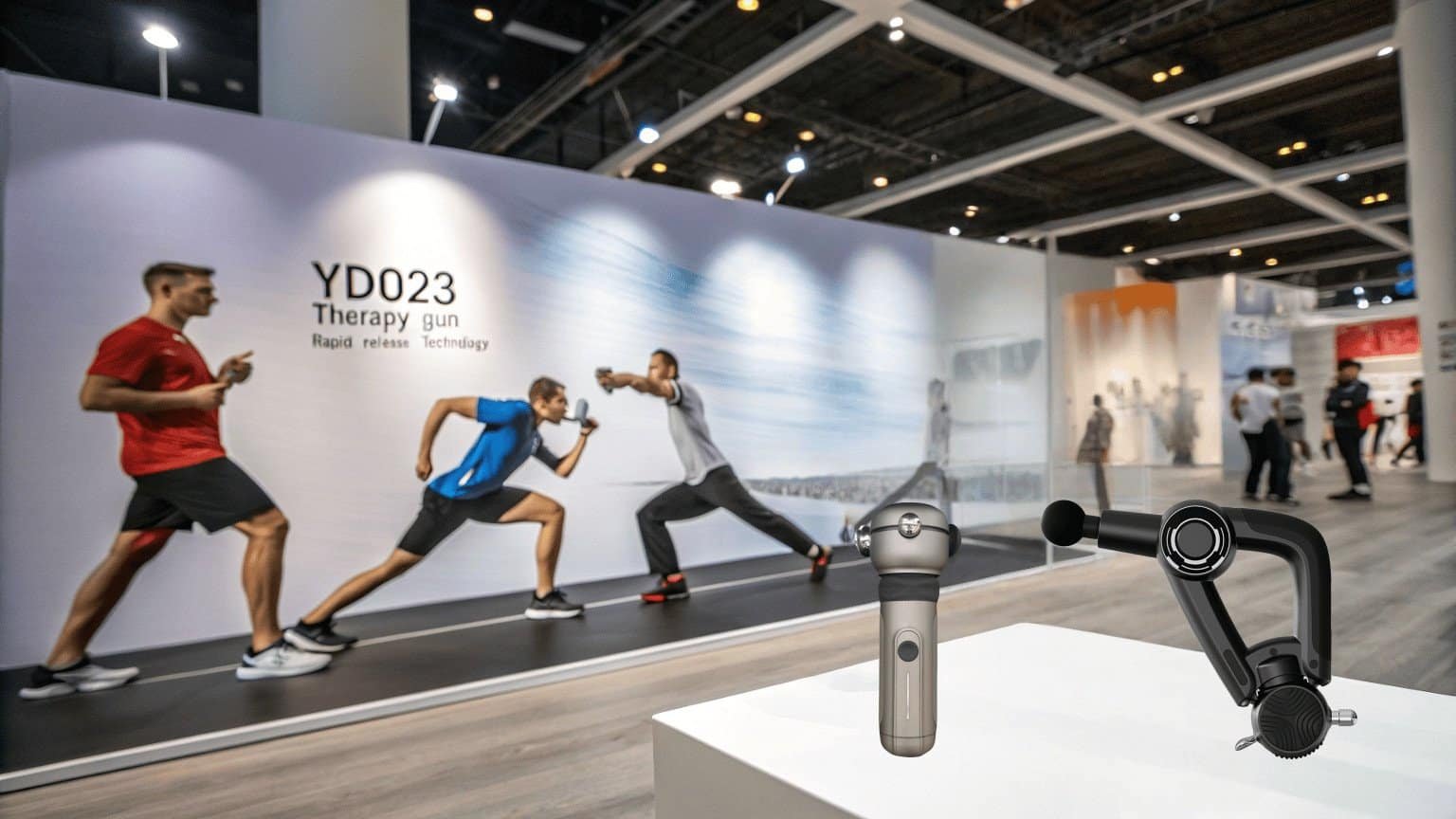
Building your recovery plan:
-
Mechanical Tools
- Therapy guns for deep stimulation
- Foam rollers for general maintenance
- Compression gear when needed
-
Biological Support
- Protein for muscle repair
- Electrolytes for nerve function
- Anti-inflammatory foods
-
Recovery Timeline
- Immediate: Cool down properly
- 0-2 hours: Hydrate and stretch
- 2-6 hours: Protein intake
- 6-24 hours: Active recovery
- 24-48 hours: Deep treatment
Advanced tools like our therapy gun help at every stage:
- Faster blood flow improvement
- More complete muscle activation5
- Better movement preparation for next workout
Conclusion
Foam rollers help basic recovery but newer tools work better. For serious results, combine vibration therapy3 with complete recovery practices.
-
Explore the benefits of foam rollers to understand their role in muscle recovery and how they can aid in your fitness routine. ↩ ↩ ↩ ↩ ↩ ↩
-
Learn about neuromuscular dialogue and its importance in effective muscle recovery techniques. ↩
-
Discover how vibration therapy can improve muscle recovery and its advantages over traditional methods. ↩ ↩ ↩ ↩
-
Find out how therapy guns function and why they are considered superior for muscle recovery. ↩ ↩
-
Understand the concept of muscle activation and its critical role in effective recovery strategies. ↩