Many people push through workouts but dread the next-day muscle pain. They blame lactic acid, but science shows the real cause is deeper.
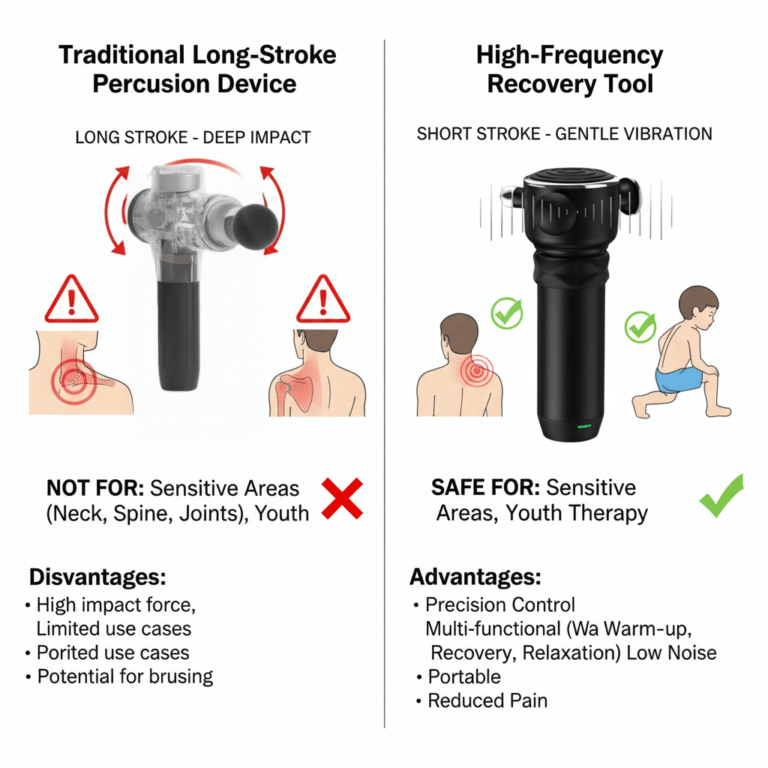
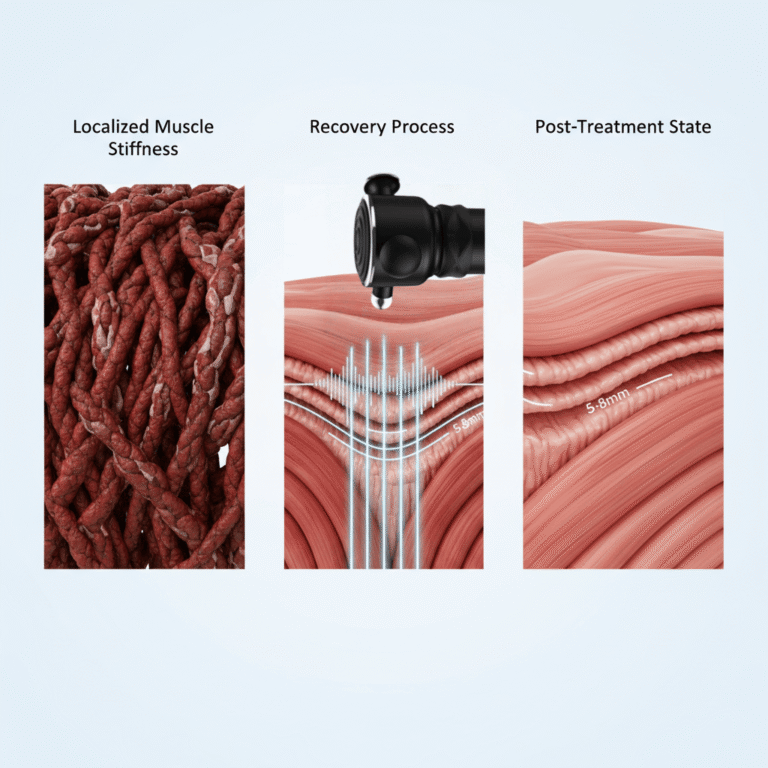
The key to faster recovery lies in treating fascia – the web-like tissue surrounding muscles. Unlike traditional methods, advanced therapy gun1s use 3D vibration to rehydrate fascia, reducing stiffness and soreness at its source.
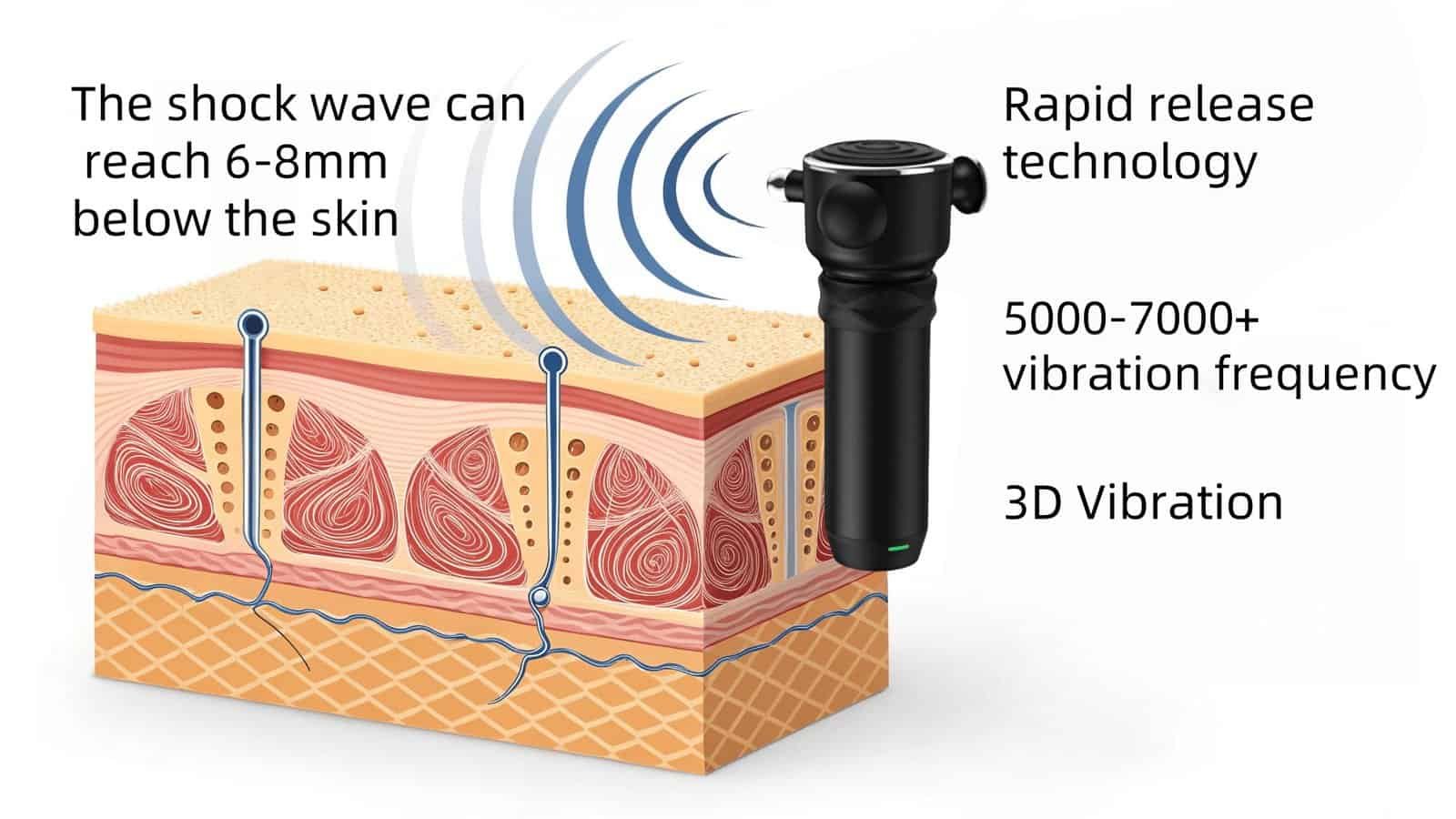
I used to think sore muscles just needed rest. Then I discovered how fascia dehydration causes most post-workout pain. Now I focus on hydration and vibration therapy2 for real relief.
What can I do to reduce muscle soreness after exercise?
We’ve all felt that "can’t walk downstairs" pain after leg day. Standard advice like stretching barely touches the real problem.
Target fascia hydration3 through vibration therapy2 and movement. Our rapid-release therapy gun1 delivers 4,500-7,500 RPM 3D vibrations reaching 6-8mm deep, restoring fascia’s sliding function 180% faster than basic massage guns.

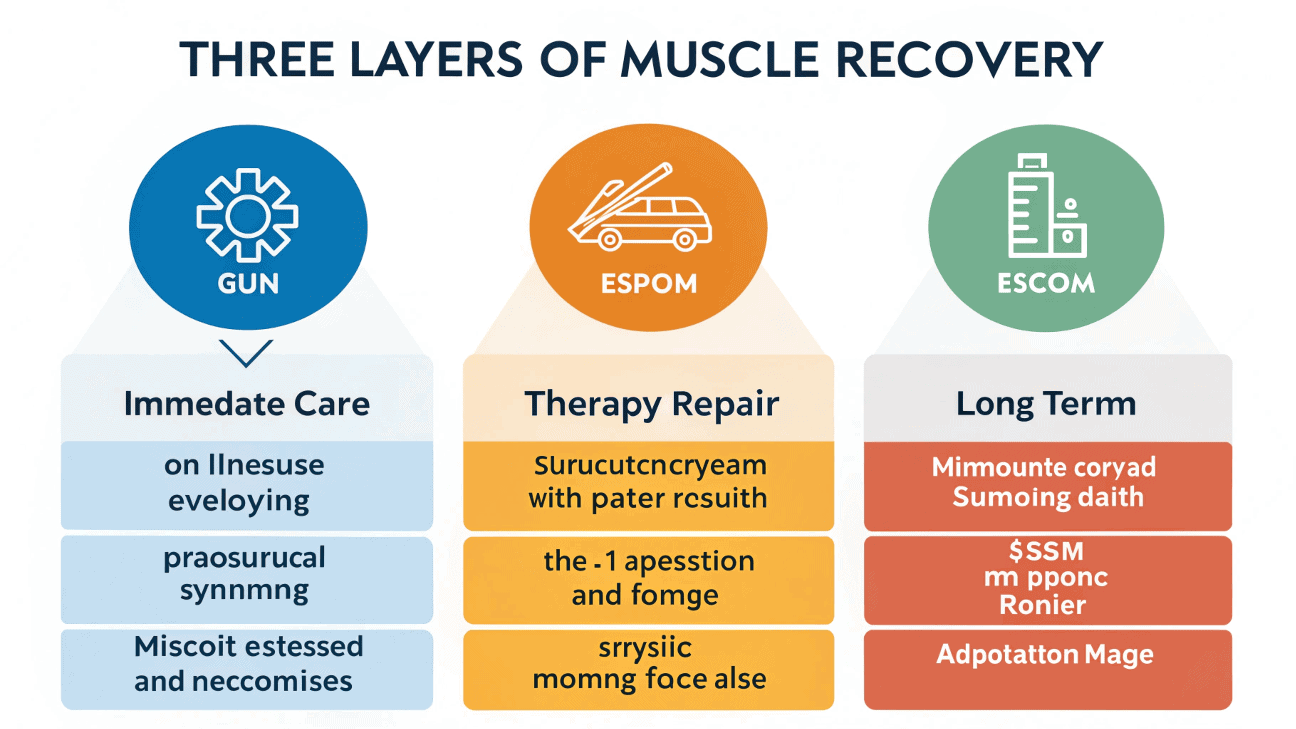
The breakthrough comes from understanding three layers of recovery:
-
Immediate Care (0-2 hours post-workout)
- Use therapy gun1 on major muscle groups
- Alternate 30s vibration with gentle movement
- Hydrate with electrolyte water4
-
Structural Repair (24-48 hours) Technique Frequency Benefit Therapy gun 3x daily Breaks microadhesions Warm Epsom baths 1x daily Reduces inflammation Light swimming Every other day Promotes fluid movement -
Long-term Adaptation
- Continue vibration therapy2 2-3x weekly
- Focus on full-range motion exercises
- Monitor hydration with skin elasticity tests
What are the best foods to eat for muscle recovery?
Protein shakes dominate recovery nutrition talk, but fascia needs different support.
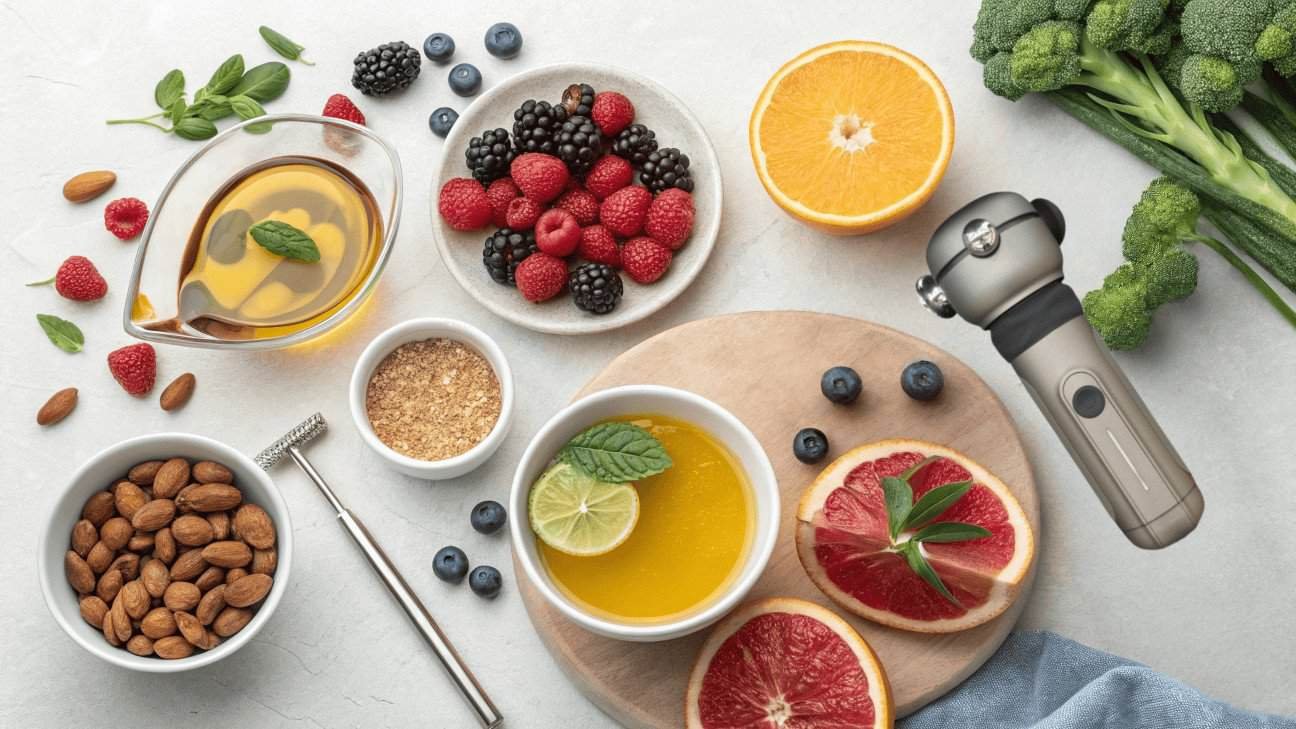
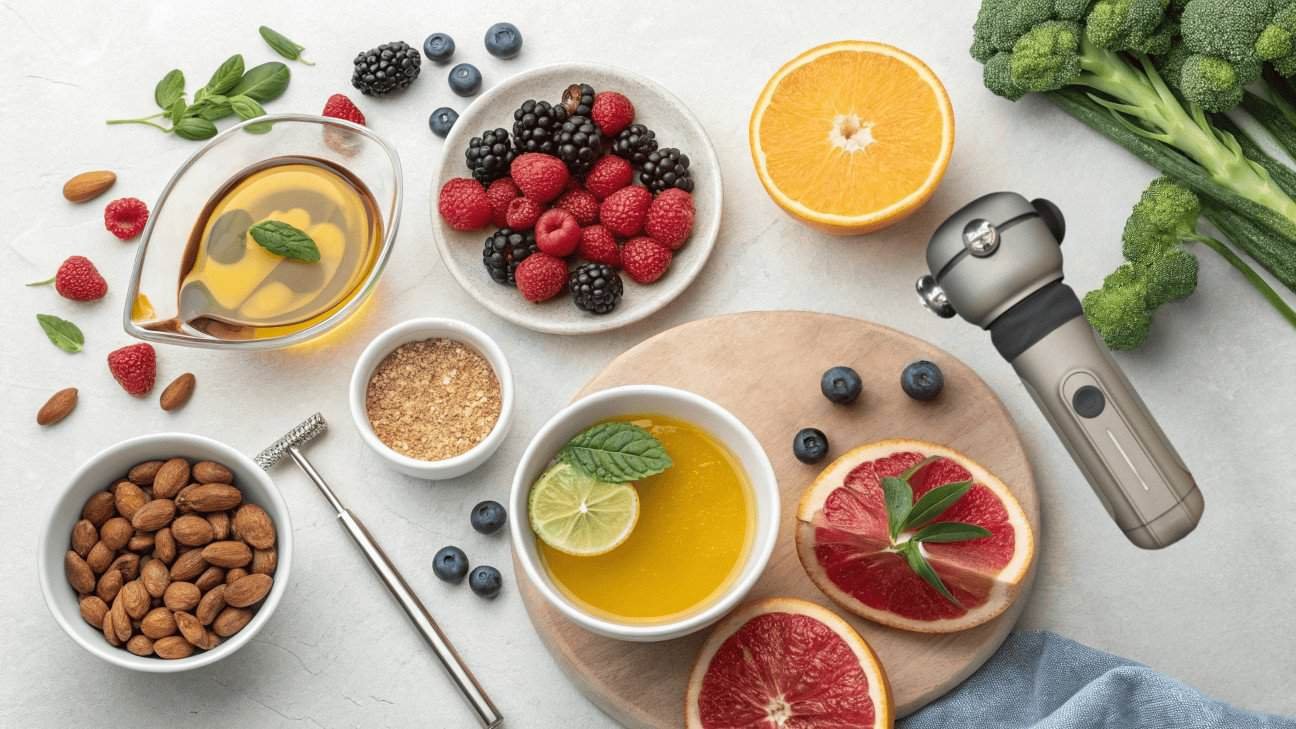
Consume collagen-rich foods5 with vitamin C and hydrate thoroughly. Bone broth, berries, and citrus combined with our therapy gun1‘s vibrations accelerate fascia repair 23% faster than nutrition alone.
The muscle-fascia repair diet works through three phases:
-
Inflammation Control (First 6 Hours)
- Tart cherry juice (natural anti-inflammatory6)
- Fatty fish (omega-3s)
- Turmeric in warm liquids
-
Collagen Rebuilding (24-72 Hours) Food Serving Key Nutrient Bone broth 1 cup Glycine Egg whites 3 eggs Proline Bell peppers 1 medium Vitamin C -
Hydration Maintenance
- Coconut water for electrolytes
- Watermelon for L-citrulline
- Celery for natural sodium
How to reduce muscle soreness after exercise?
Foam rollers gather dust in gym corners because they only address surface tension. Deep recovery requires smarter tools.
Our 3D therapy gun1 outperforms standard models by reaching deeper fascia layers with 160% higher RPM. Vertical+horizontal vibrations mimic natural muscle movements, reducing recovery time by nearly half.
Proper therapy gun1 use follows three principles:
-
Angle Matters
- 45° for large muscle groups
- 90° for tendons and joints
- 30° for sensitive areas
-
Timing Sequence
- Day 1: 5min sessions every 3 hours
- Day 2: 8min morning/night
- Day 3+: Maintenance mode
-
Pressure Guidelines Muscle Depth Recommended Setting Surface (0-3mm) Low (2,000 RPM) Mid-layer (3-5mm) Medium (4,500 RPM) Deep (6-8mm) High (7,500 RPM)
Conclusion
Modern recovery combines hydration, nutrition and 3D vibration therapy2. Treat fascia – not just muscles – for lasting pain relief and improved performance.
-
Discover how therapy guns can revolutionize your recovery routine and reduce muscle soreness. ↩ ↩ ↩ ↩ ↩ ↩
-
Explore the benefits of vibration therapy to discover innovative ways to speed up your muscle recovery. ↩ ↩ ↩ ↩
-
Understanding fascia hydration can significantly enhance your recovery process, making workouts more effective. ↩
-
Find out how electrolyte water can enhance your hydration strategy for better recovery. ↩
-
Learn about collagen-rich foods that can boost your recovery and overall health. ↩
-
Explore natural anti-inflammatory options to support your recovery and reduce soreness effectively. ↩