Physical therapy has evolved with technology. Small, powerful devices now offer professional-level treatment anywhere. But how do these tools actually work in practice?
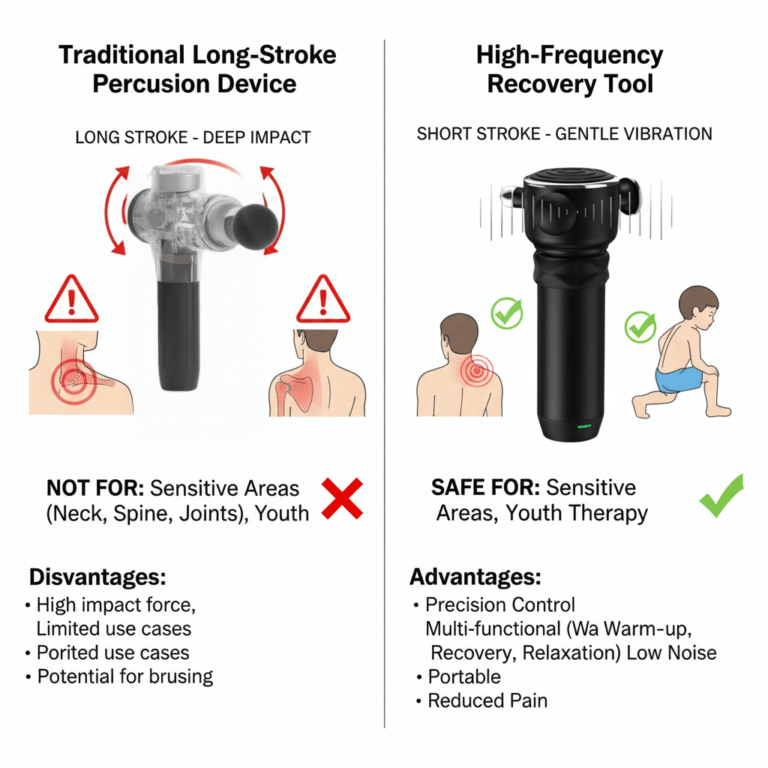
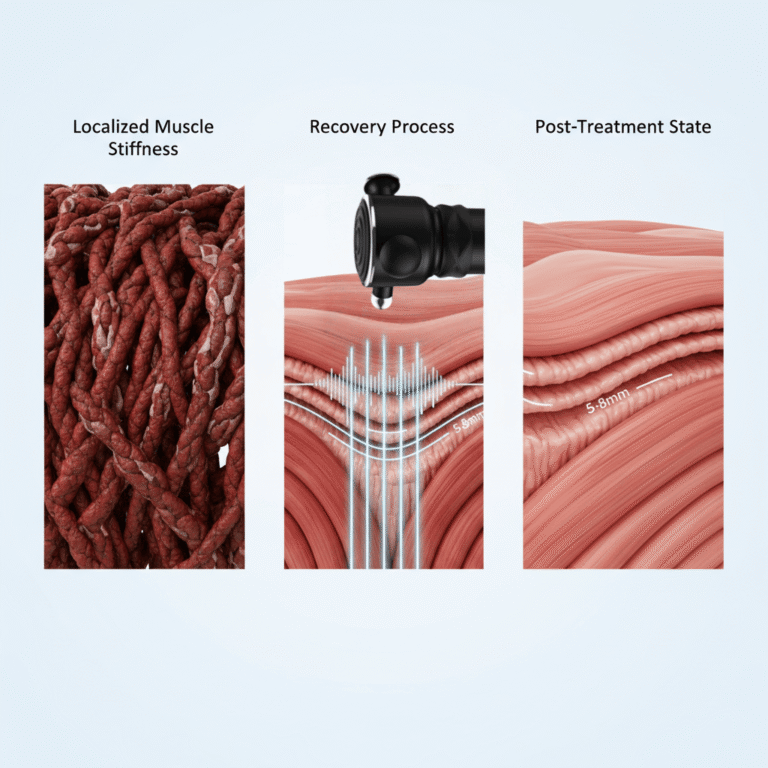
Modern physiotherapy devices like therapy guns use high-frequency vibrations (5000-7000 RPM) at just 2mm amplitude to target specific areas effectively. These 3D vibrations penetrate 6-8mm deep, reaching the fascia layer for quick muscle recovery and pain relief1.
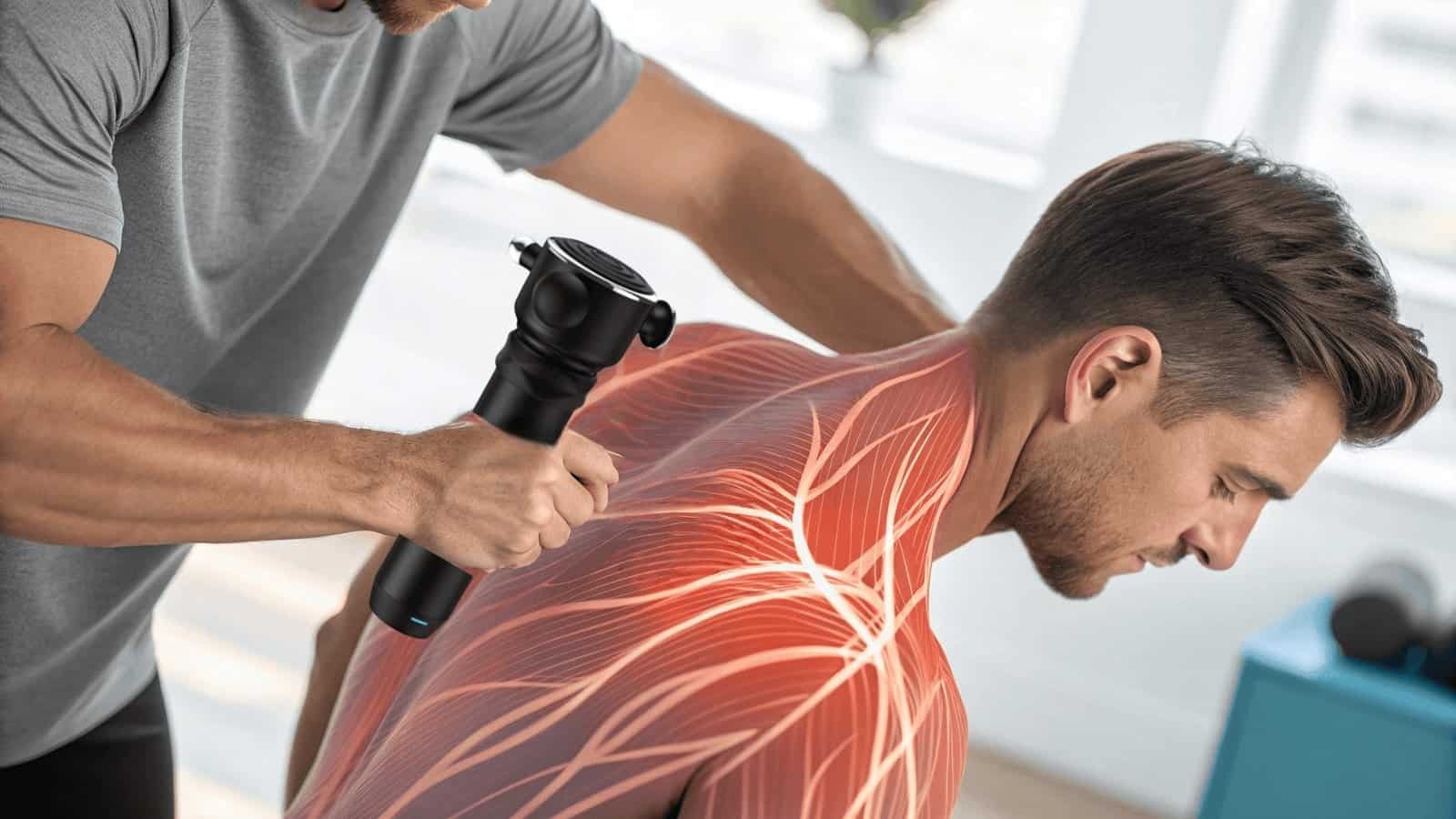
The advancement in rehabilitation equipment has made treatment more accessible than ever. Portable devices now deliver results comparable to large clinical machines, revolutionizing how we approach recovery.
How is technology used in physiotherapy?
Gone are the days of bulky machines. Today’s compact devices pack serious therapeutic power into handheld units.
Technology enhances physiotherapy through precise vibration therapy2, smart pressure sensors3, and portable designs. Advanced devices like therapy guns combine vertical and horizontal vibrations for deep tissue treatment at professional levels.
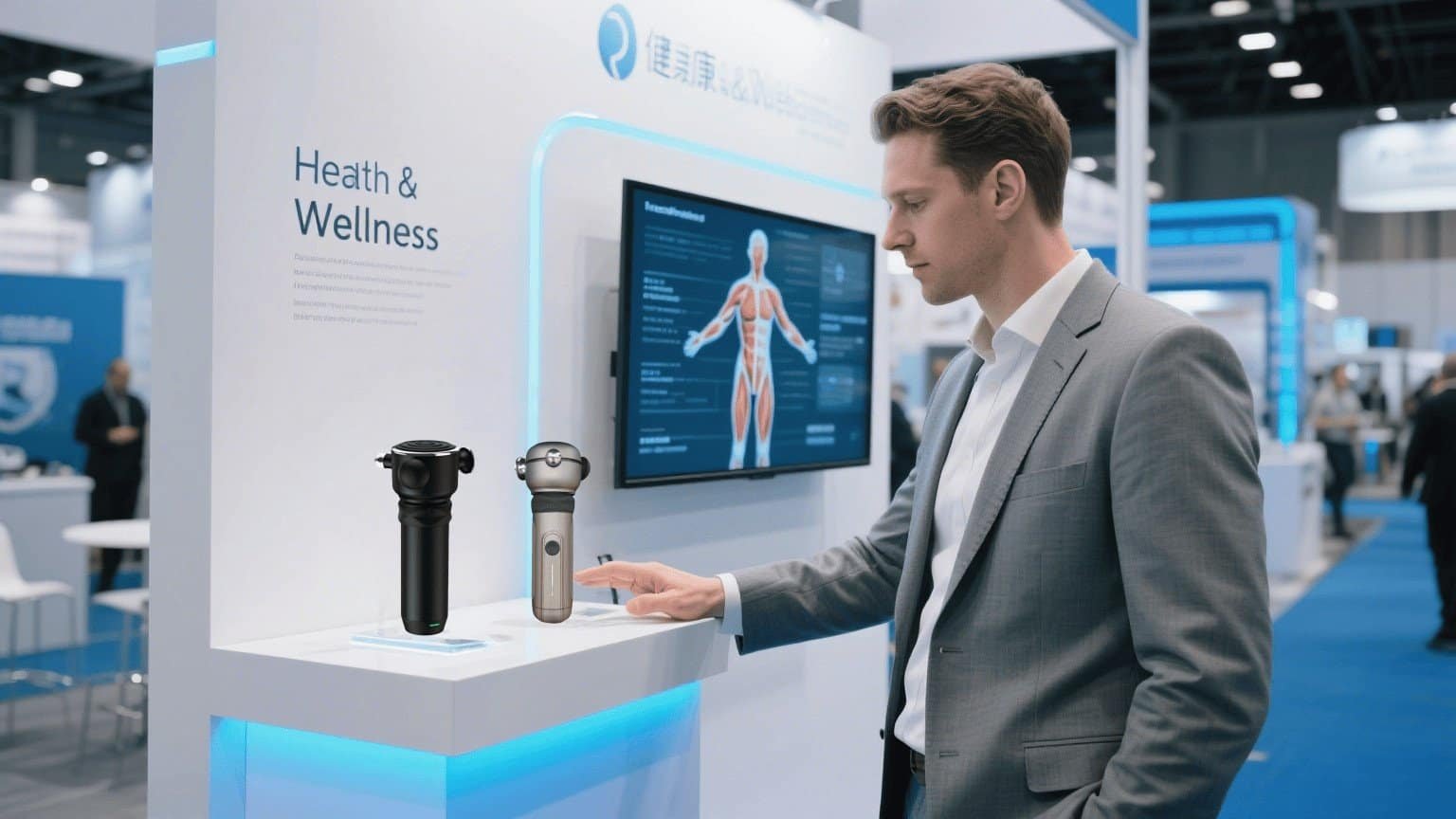
The science behind modern devices focuses on three key aspects:
-
Vibration Technology
- 3D vibration patterns (vertical + horizontal)
- High frequency (5000-7000 RPM)
- Controlled amplitude (2mm)
-
Treatment Depth4 Vibration Type Penetration Depth Target Tissue Standard 3-4mm Surface muscle 3D Vibration 6-8mm Fascia layer -
Portability Benefits
- Immediate treatment availability
- No clinic visits required
- Consistent therapy routine
These technological advancements allow for professional-grade treatment in any setting, from home to sports field.
What are positive pressure devices used by physiotherapists?
Pressure therapy has become essential in modern rehabilitation programs.
Positive pressure devices5 apply controlled compression to improve circulation and reduce swelling. Physiotherapists use them for post-injury recovery, lymphatic drainage, and enhancing blood flow to injured areas.
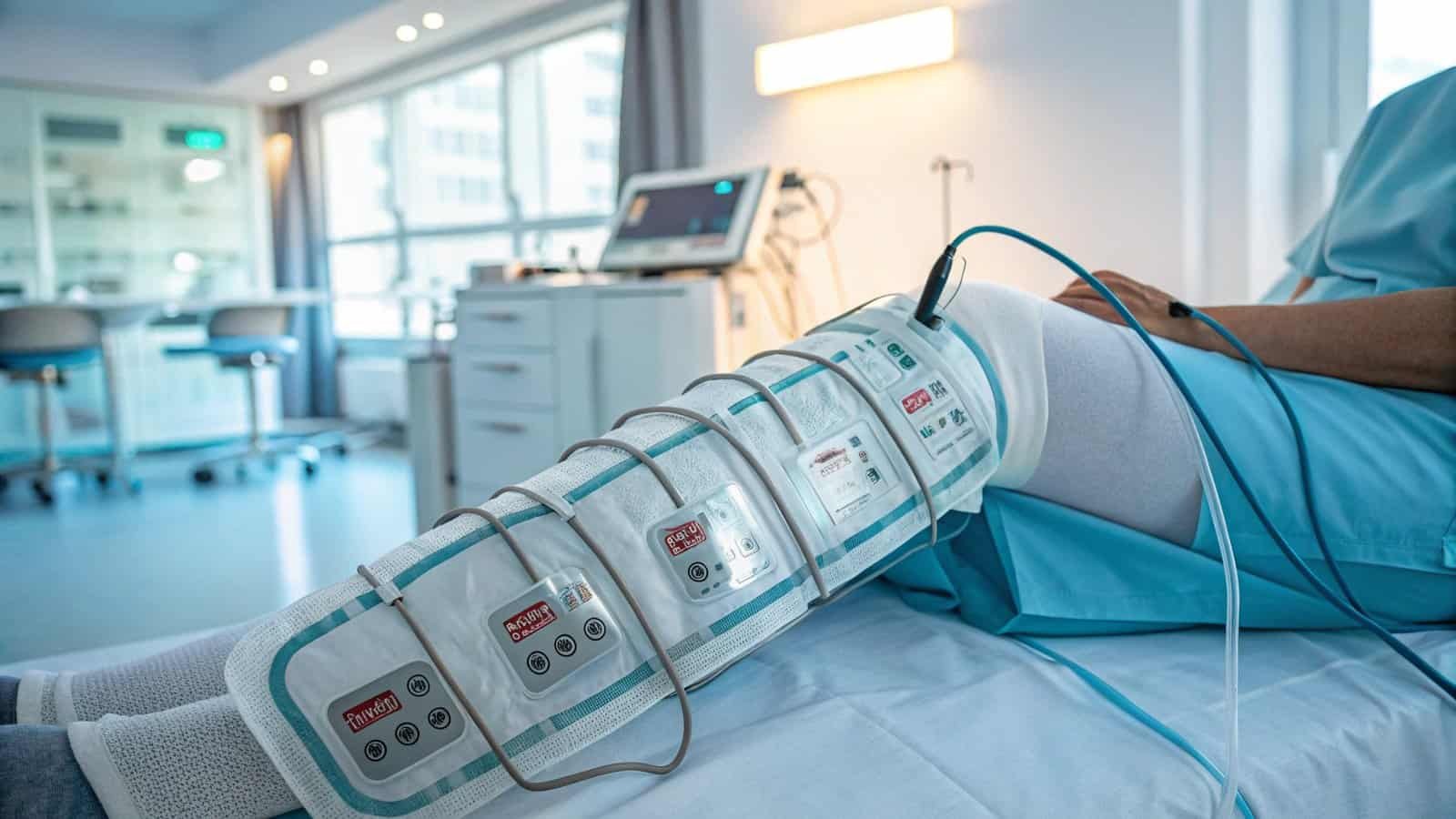
The application of pressure therapy involves several important factors:
-
Treatment Types
- Intermittent compression
- Sequential compression
- Static compression
-
Clinical Applications
- Reduces post-surgical swelling
- Improves venous return
- Accelerates healing process
-
Device Features
- Adjustable pressure settings
- Customizable treatment programs
- Portable options available
Pressure therapy complements vibration treatment, creating comprehensive recovery protocols that address both circulation and muscle recovery.
How is physical therapy used?
Physical therapy serves multiple purposes in both treatment and prevention.
Physical therapy restores movement, reduces pain, and prevents disability through targeted exercises and device-assisted treatments. It’s used for injury recovery, chronic pain management, and performance enhancement in athletes.
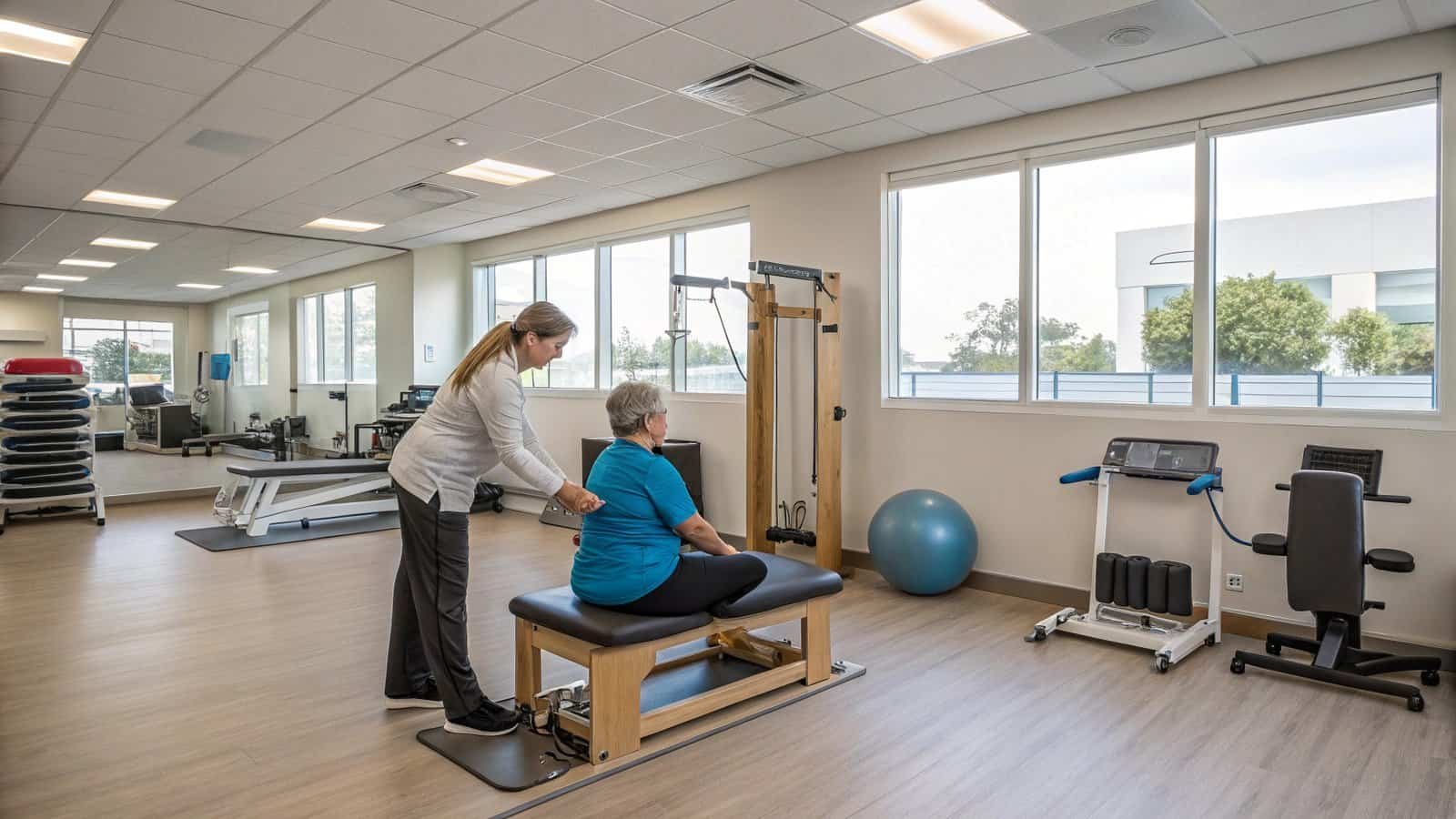
The practical applications of physical therapy include:
-
Treatment Phases
- Acute injury management
- Recovery phase
- Functional restoration
- Prevention strategies
-
Device Integration
- Early stage: Pain control devices
- Mid stage: Mobility aids
- Late stage: Strength equipment
-
Common Conditions Treated Condition Therapy Approach Typical Duration Muscle strain Vibration therapy + stretching 2-6 weeks Joint injury Compression + mobility exercises 4-12 weeks Post-surgical Combined device therapy 6+ weeks
Modern therapy combines hands-on techniques with advanced devices for comprehensive care.
Conclusion
Today’s physiotherapy devices offer professional treatment in portable formats, combining vibration technology and pressure therapy6 for effective recovery anywhere.
-
Learn about the latest advancements in technology that support muscle recovery and pain management in physiotherapy. ↩
-
Explore the benefits of vibration therapy to understand how it enhances recovery and improves treatment outcomes. ↩
-
Discover how smart pressure sensors improve treatment precision and patient outcomes in physiotherapy. ↩
-
Learn about the significance of treatment depth in therapy and its impact on recovery and healing. ↩
-
Discover the role of positive pressure devices in rehabilitation and their effectiveness in recovery processes. ↩
-
Discover the various applications of pressure therapy in physiotherapy and how it aids in recovery. ↩