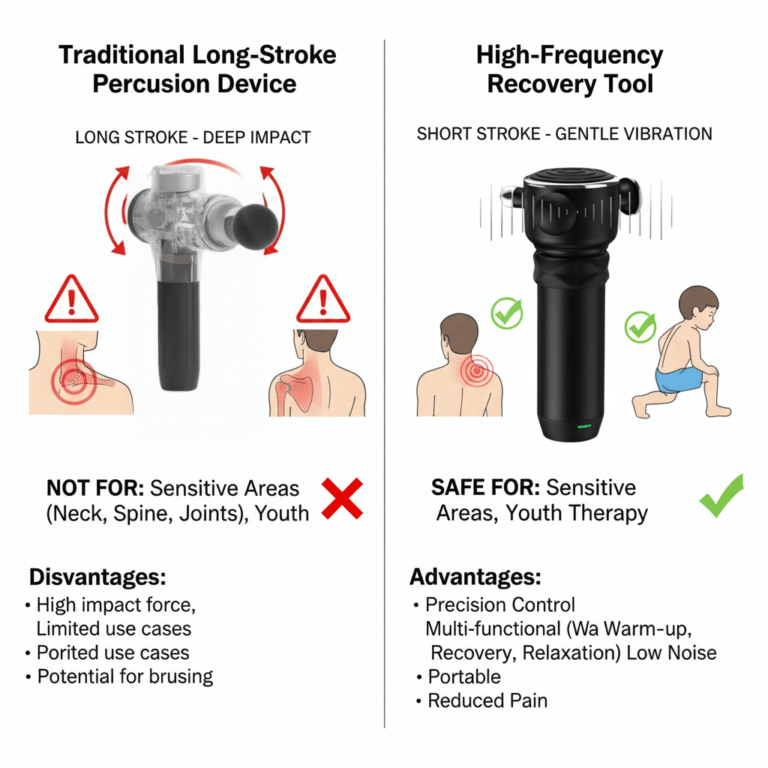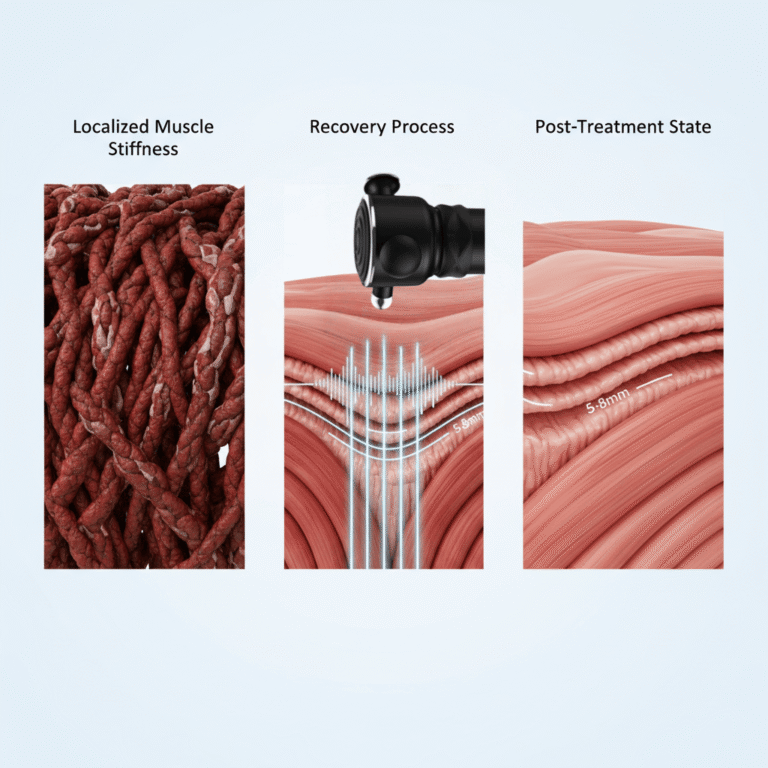

Many athletes worry about safety when considering physical therapy. The truth is, professional therapy is generally safe, but quality matters.
Physical therapy1 is safe when performed by trained professionals2 using proper techniques. Risks increase with untrained therapists or incorrect methods, but modern tools like therapy guns3 reduce human error and improve results.
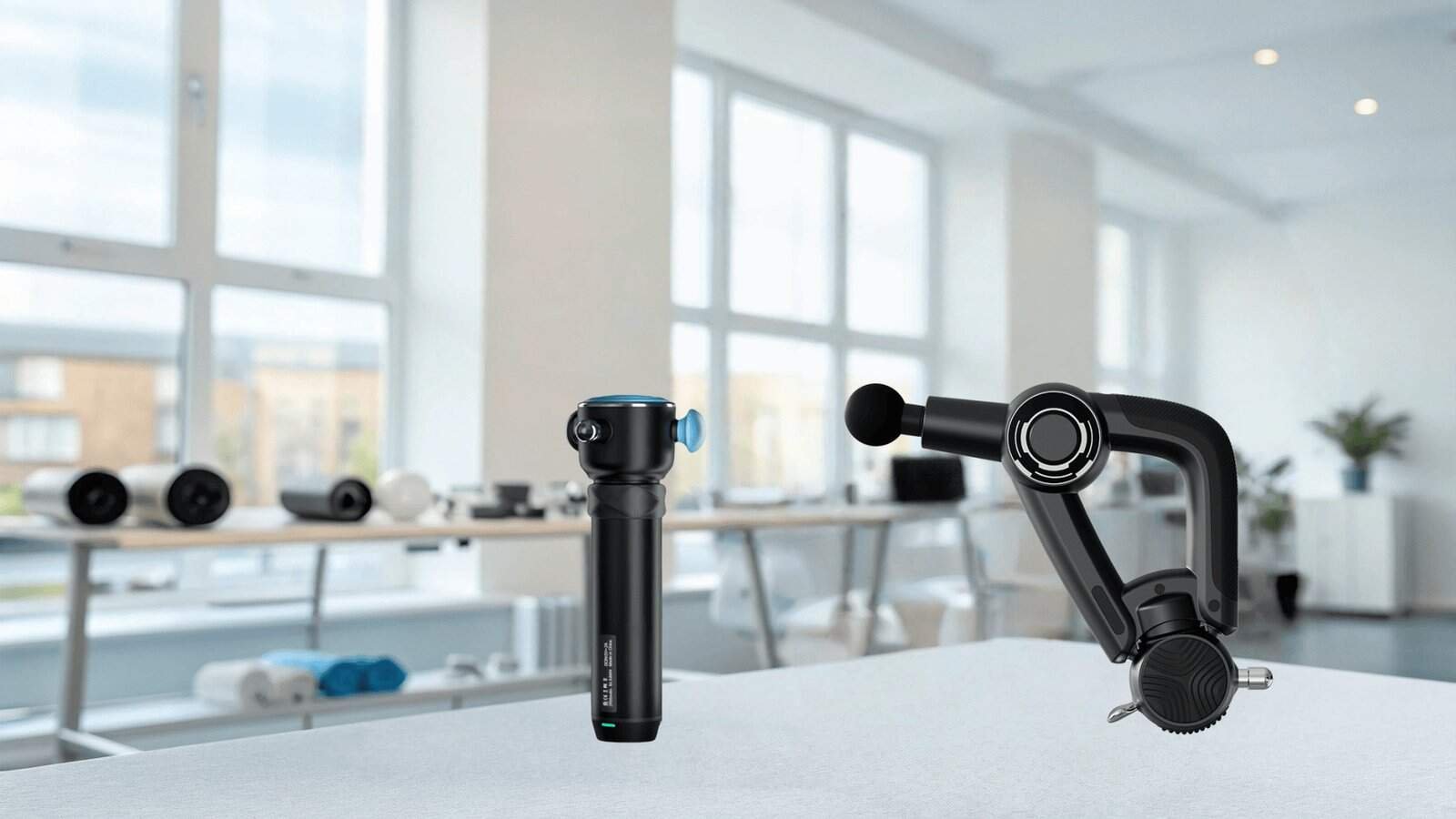
Physical therapy has evolved beyond traditional clinic visits. Today’s technology offers safer, more effective options for recovery. Let’s explore the real risks and benefits.
What are the risks of physical therapy?
Some patients experience discomfort or setbacks after therapy. This usually happens when techniques don’t match the injury.
Main risks include temporary soreness4, minor swelling5, or discomfort during treatment. Serious complications are rare and often result from improper technique6 or pushing too hard too soon.
Therapy risks fall into three categories:
-
- Overstretching tendons
- Applying too much pressure
- Incorrect joint manipulation
-
- Using outdated tools
- Improper device settings
- Unclean equipment
-
- Starting therapy too soon after injury
- Overdoing therapy sessions
- Not allowing enough recovery between sessions
Modern therapy guns minimize these risks through:
| Feature | Risk Reduction Benefit |
|---|---|
| Adjustable intensity | Prevents over-treatment |
| Scientific vibration patterns | Avoids tissue damage |
| Ergonomic design | Reduces user error |
| Preset programs | Ensures proper technique |
Is sports physical therapy worth it?
Many athletes skip therapy to save time, but this often leads to longer recovery periods.
Professional sports therapy is absolutely worth it. Proper treatment speeds healing by 30-50% compared to natural recovery, and prevents future injuries through targeted rehabilitation.

Consider these therapy benefits:
- Faster return to play10: Targeted treatment cuts recovery time significantly
- Pain management11: Reduces reliance on pain medication
- Improved performance12: Addresses muscle imbalances that limit ability
- Long-term protection: Strengthens vulnerable areas against reinjury
Therapy guns enhance these benefits by:
- Delivering consistent, measured treatment
- Allowing self-treatment between professional sessions
- Providing immediate post-workout recovery
- Offering portable convenience for traveling athletes
Cost comparison shows therapy’s value:
| Recovery Method | Average Cost | Recovery Time |
|---|---|---|
| No therapy | $0 | 6-8 weeks |
| Clinic therapy | $800-1200 | 3-4 weeks |
| Therapy gun + minimal clinic visits | $300-500 | 2-3 weeks |
Can physical therapy aggravate an injury?
Poorly administered therapy can worsen injuries, but this is preventable with proper care.
Physical therapy might aggravate injuries if started too soon, performed incorrectly, or too aggressively. Proper assessment and gradual progression prevent most complications.
Signs therapy might be aggravating your injury:
- Increased pain lasting more than 2 hours after treatment
- New swelling or bruising
- Reduced range of motion
- Tingling or numbness
Prevention strategies:
- Choose qualified therapists13: Verify certifications and experience
- Communicate clearly: Report all pain during sessions
- Start slow: Begin with gentle techniques
- Use technology: Therapy guns allow precise control
Therapy guns reduce aggravation risks through:
- Controlled intensity: Adjustable settings match injury stage
- Consistent application: Removes human variability
- Targeted treatment: Focuses on specific muscle groups
- Progress tracking: Many models record treatment data
Conclusion
Professional physical therapy is safe and effective for sports injuries when done correctly. Modern tools like therapy guns make treatment more accessible and reduce risks.
-
Exploring this resource will provide insights into how physical therapy can enhance athletic performance and safety. ↩
-
Understanding the significance of trained professionals can help ensure safe and effective therapy practices. ↩
-
This link will explain the technology behind therapy guns and their role in enhancing recovery and reducing risks. ↩
-
Understanding the causes of temporary soreness can help patients manage their recovery better and set realistic expectations. ↩
-
Learning effective strategies to manage minor swelling can enhance recovery and improve overall therapy outcomes. ↩
-
Exploring the consequences of improper technique can help patients choose qualified therapists and avoid setbacks. ↩
-
Understanding technique-related risks can help you choose safer therapy options and improve your treatment outcomes. ↩
-
Exploring equipment-related risks can guide you in selecting the right tools for effective and safe therapy sessions. ↩
-
Learning about timing risks can help you optimize your therapy schedule for better recovery and performance. ↩
-
Exploring this resource will provide insights into how targeted treatments can significantly reduce recovery time, enhancing athletic performance. ↩
-
This link will explain how physical therapy can reduce reliance on pain medication, offering a safer alternative for pain relief. ↩
-
Discover how addressing muscle imbalances through therapy can enhance athletic performance and prevent injuries. ↩
-
Learn the importance of choosing certified therapists to ensure safe and effective treatment. ↩