After an intense workout, your muscles scream for relief. But is massage truly the answer? Let’s explore how different massage techniques1 affect exhausted muscle tissue.
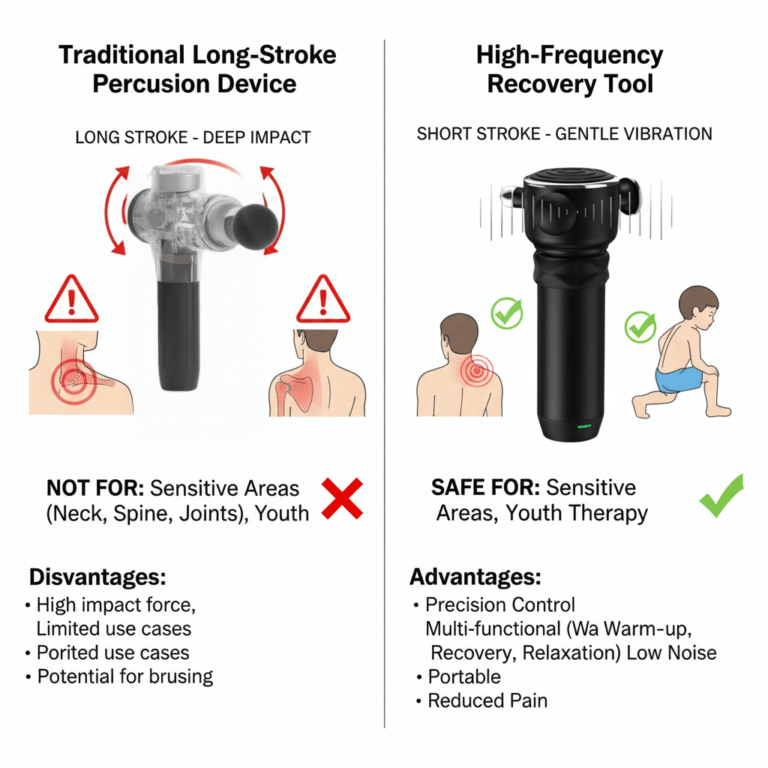
Massage helps overworked muscles when done correctly. Traditional pounding massage guns may worsen muscle fatigue2, while 3D high-frequency vibration guns provide deeper, safer relief by mimicking human kneading motions at the fascia layer level.
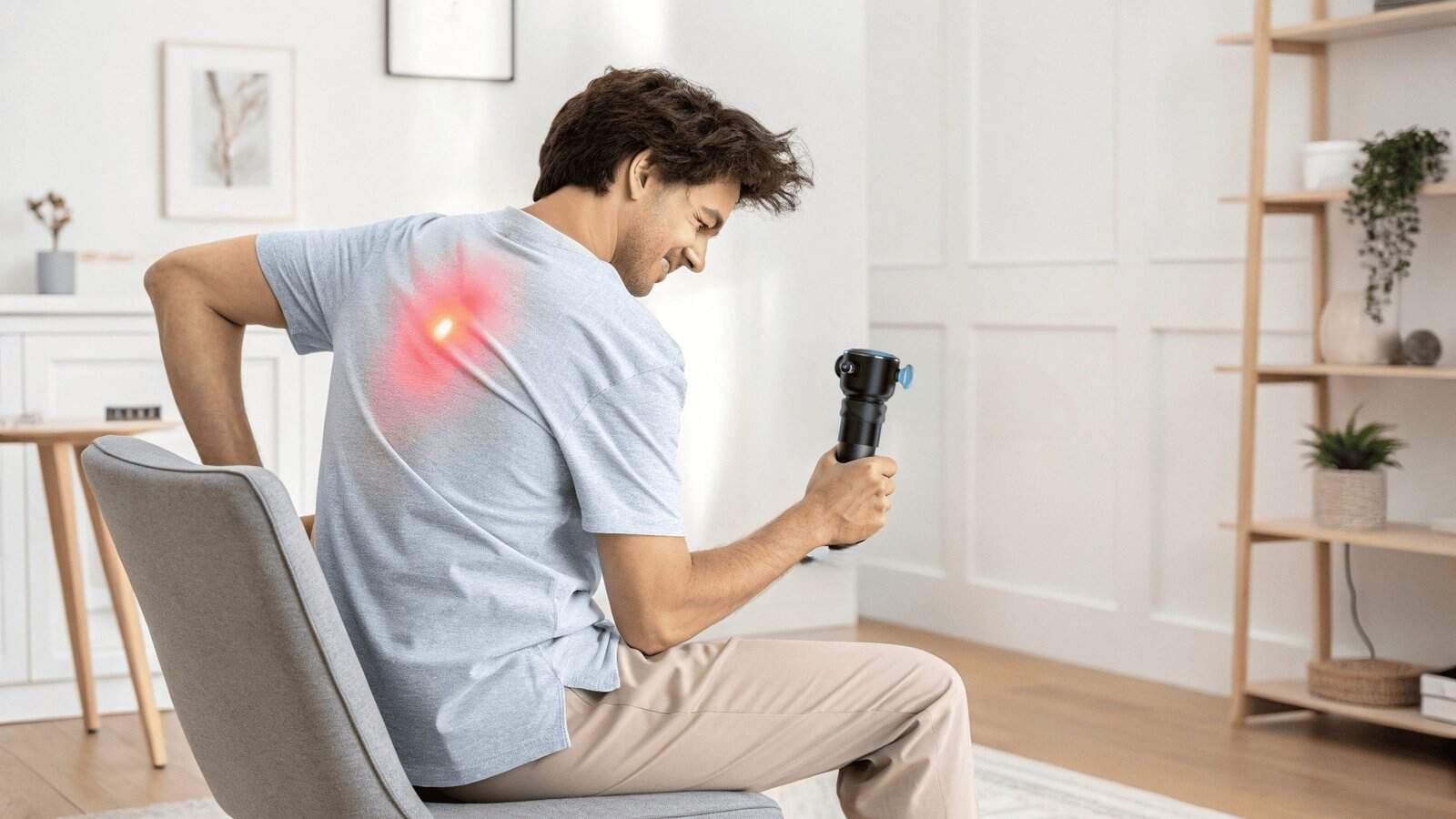
Many athletes reach for massage tools3 without understanding the science behind them. The wrong approach can turn recovery into reinjury. Here’s what you need to know about smart muscle recovery.
Can massaging sore muscles make it worse?
That post-workout pain makes you grab the nearest massage tool. But some methods do more harm than good when muscles are already damaged.
Traditional hammer-style massage guns often aggravate overworked muscles. Their pounding action creates additional trauma. 3D high-frequency vibration guns4 deliver relief without the damage, combining vertical and horizontal forces for therapeutic effect.
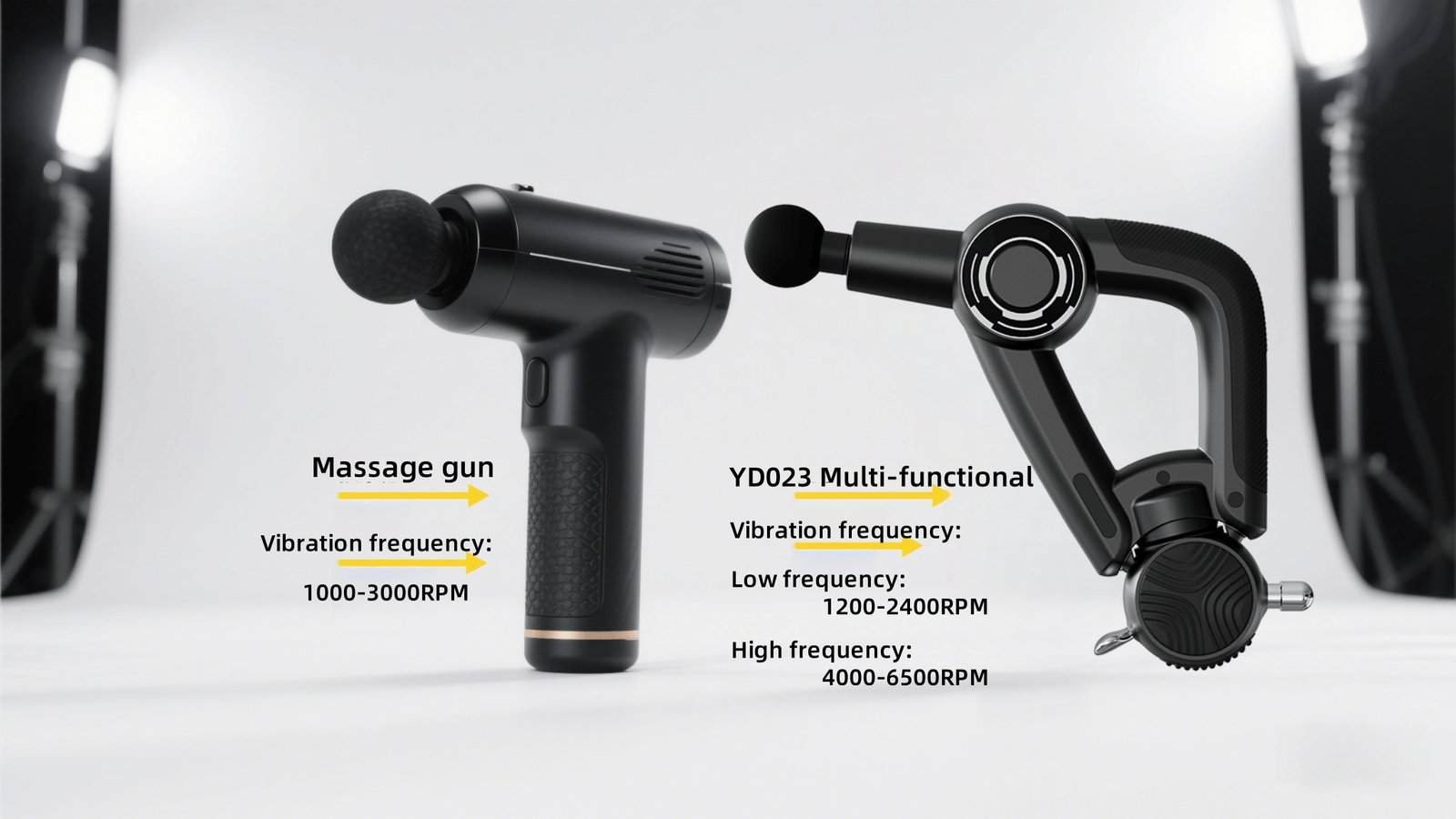
The science behind muscle recovery reveals why technique matters:
-
Impact matters
- Pounding: Causes micro-tears in fatigued fibers
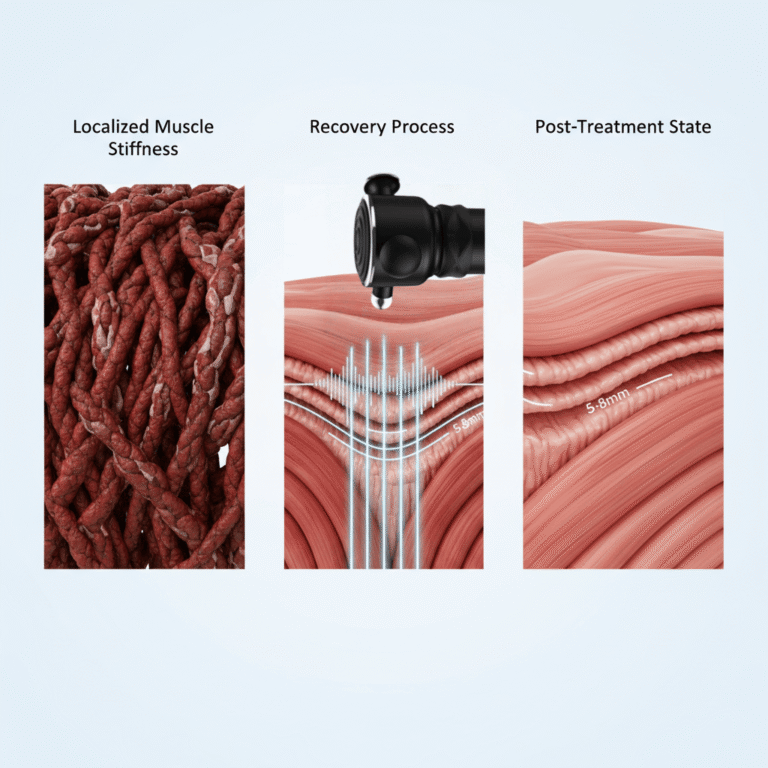
- Vibration: Stimulates blood flow without damage
-
Force direction Type Vertical Force Horizontal Force Traditional High None 3D Vibration Moderate Moderate -
Recovery time
- Aggressive massage delays healing by 24-48 hours
- Proper vibration therapy accelerates recovery
Always listen to your body. Increased pain means stop immediately and consult a professional.
How to massage sore muscles yourself
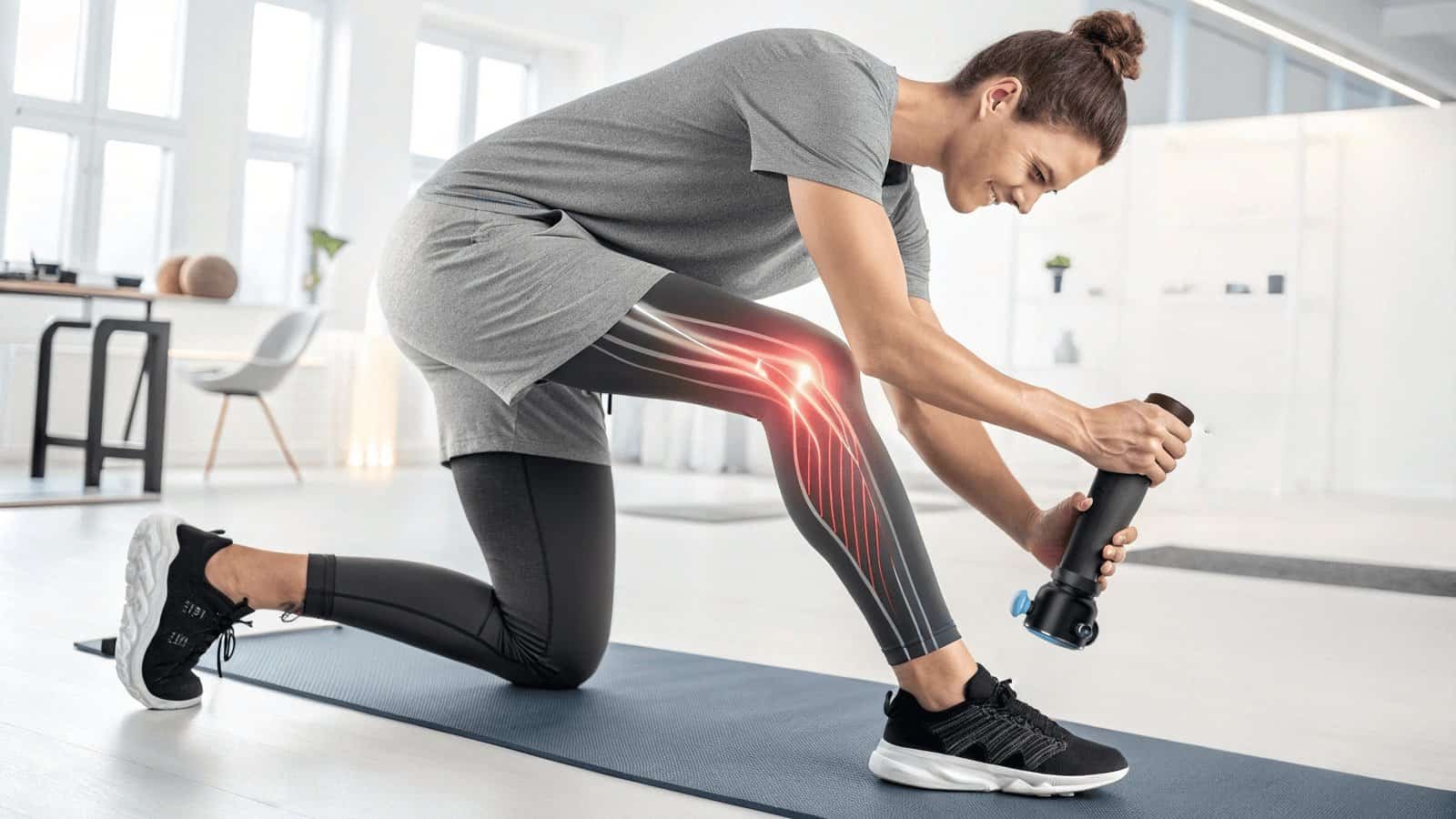
When professional help isn’t available, self-massage5 can bridge the gap. But technique separates helpful from harmful approaches.
For safe self-massage, use a 3D vibration gun6 at low-to-medium intensity for 30-60 seconds per muscle group. Move slowly across the muscle fiber direction, avoiding bones and joints.
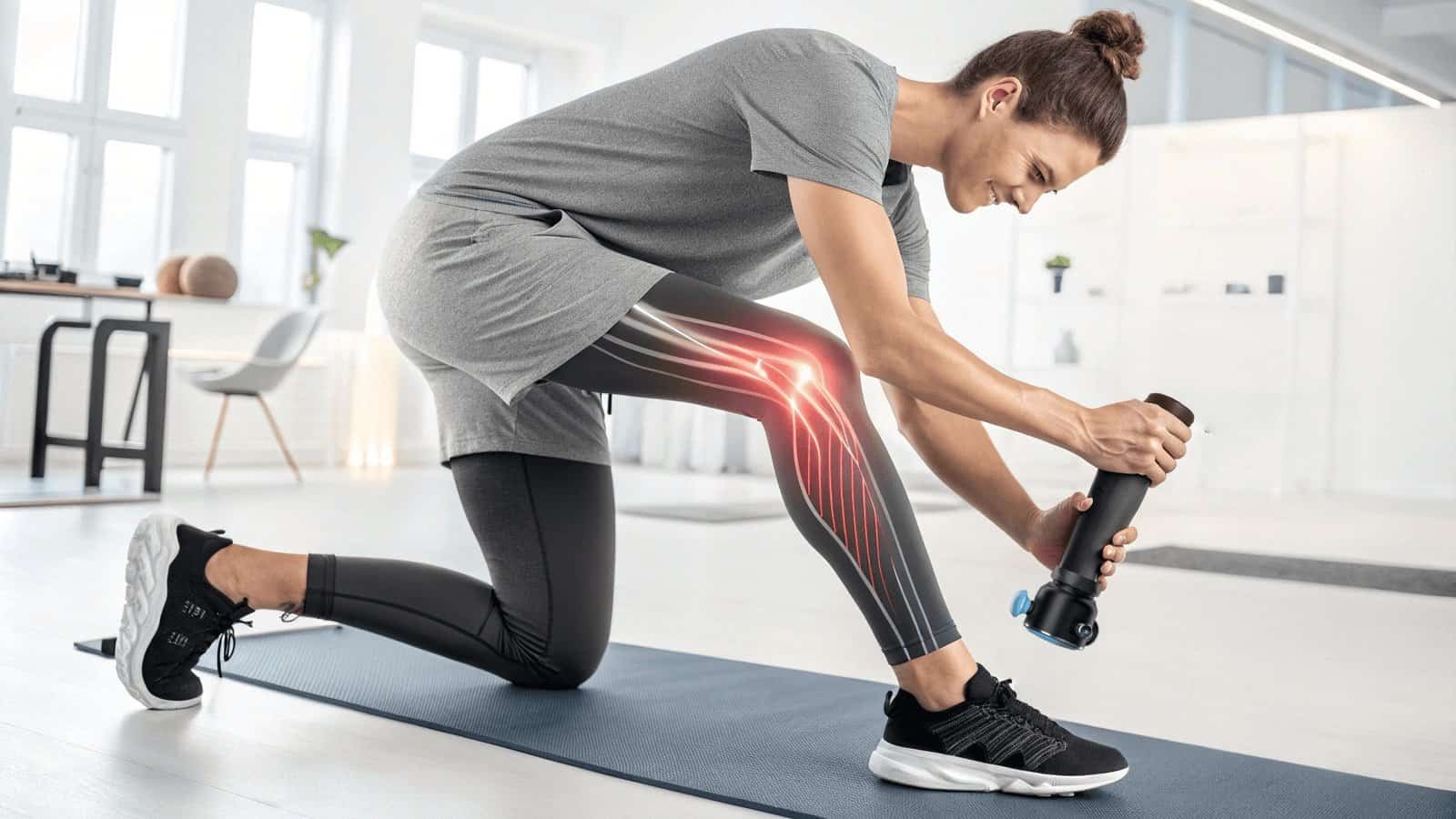
Effective self-treatment requires understanding these key elements:
-
Tool selection
- Avoid hard plastic attachments
- Use silicone heads for better force distribution
-
Treatment protocol
- Warm up muscles with dynamic stretches7 first
- Apply the gun in 30-second intervals
- Follow with gentle mobility exercises
-
Warning signs
- Sharp pain means stop immediately
- Bruising indicates too much pressure
- Numbness suggests nerve irritation8
Remember: Self-treatment has limits. Persistent pain requires medical evaluation.
Why does massaging sore muscles hurt?
That burning sensation during massage isn’t always "good pain." Understanding the difference prevents further damage.
Massaging sore muscles hurts because inflammation sensitizes nerve endings. 3D vibration guns reduce this by working at the ideal frequency (50-100Hz) to release tension without overstimulating pain receptors.
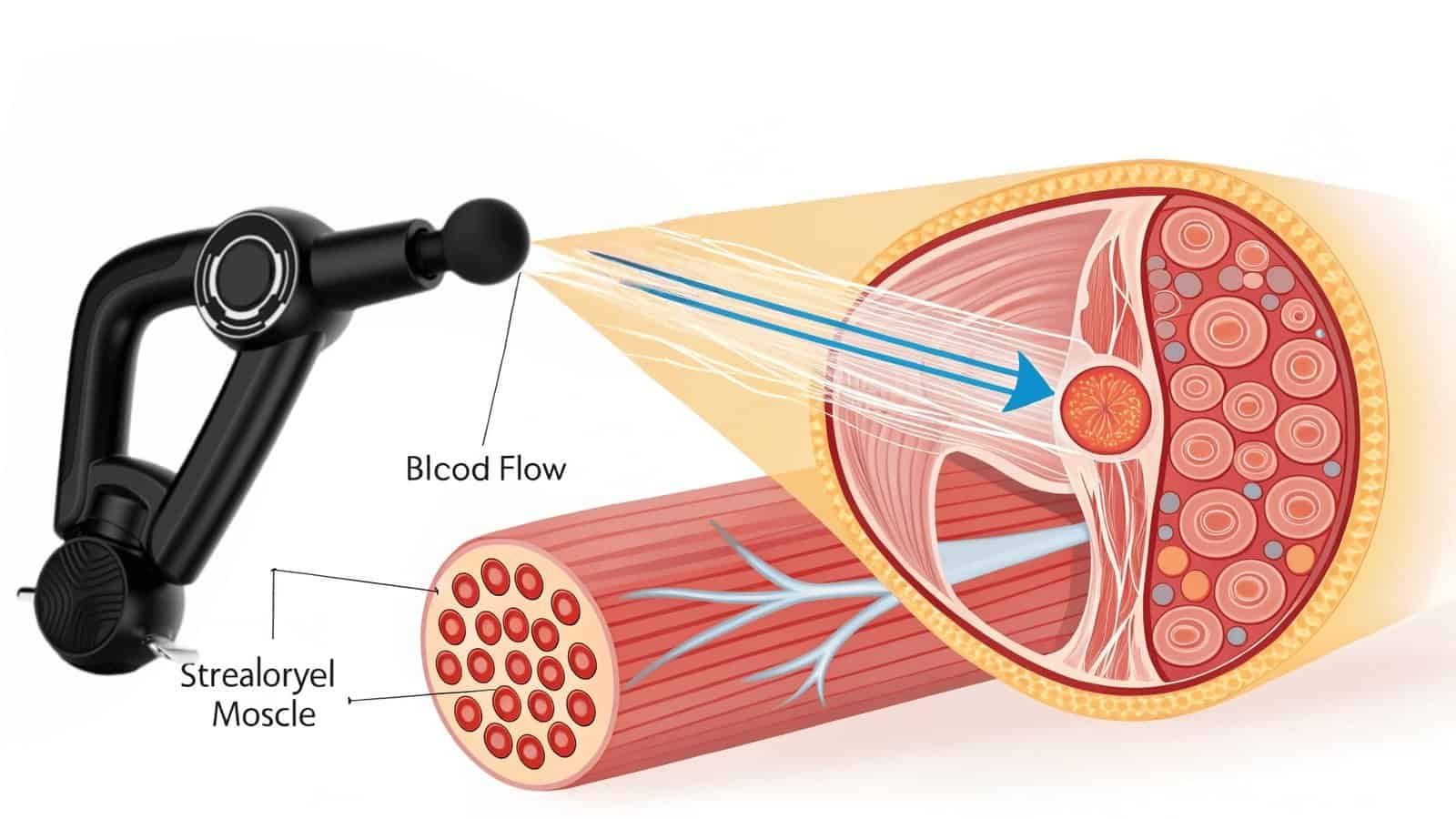
The pain response involves multiple factors:
-
Physiological causes
- Lactic acid buildup9
- Micro-tears in muscle fibers
- Fascial adhesions
-
Treatment approaches Pain Type Wrong Approach Right Approach Acute soreness Deep pressure Light vibration Chronic tightness Pounding Cross-fiber gliding10 -
Recovery timeline
- Immediate relief: 5-10 minutes post-treatment
- Full recovery: 24-72 hours with proper care
When pain persists beyond 72 hours, consult a sports medicine specialist11.
Conclusion
Smart massage accelerates muscle recovery when using proper techniques. Choose 3D vibration over pounding, respect pain signals, and seek help when needed.
-
Exploring various massage techniques can help you find the best method for muscle recovery and relief after workouts. ↩
-
Learning effective methods to relieve muscle fatigue can significantly improve your recovery and performance in future workouts. ↩
-
Learn about various massage tools and their impact on muscle recovery to make informed choices for your fitness routine. ↩
-
Explore how 3D high-frequency vibration guns can enhance your recovery process without causing additional damage to your muscles. ↩
-
Discover effective self-massage techniques to relieve muscle soreness and enhance recovery when professional help isn’t available. ↩
-
Explore how a 3D vibration gun can enhance your muscle recovery process and improve overall performance. ↩
-
Learn about the importance of dynamic stretches in warming up muscles and preventing injuries during self-treatment. ↩
-
Understanding nerve irritation can help you recognize warning signs during self-treatment and seek appropriate care. ↩
-
Understanding lactic acid buildup is crucial for effective recovery strategies. Explore this link to learn more about its impact on muscles. ↩
-
Cross-fiber gliding is a key technique for alleviating muscle tightness. Discover its benefits and proper application through this resource. ↩
-
Knowing when to consult a sports medicine specialist can enhance your recovery. This link provides valuable insights on pain management and treatment options. ↩