Sports injuries demand more than rest—they require targeted, science-backed recovery. Physiotherapy1 bridges the gap between injury and full performance restoration.
Physiotherapy1 is core to sports rehab centers because it systematically addresses tissue repair2, mobility restoration3, and neuromuscular re-education4 through evidence-based interventions that passive modalities alone cannot achieve.
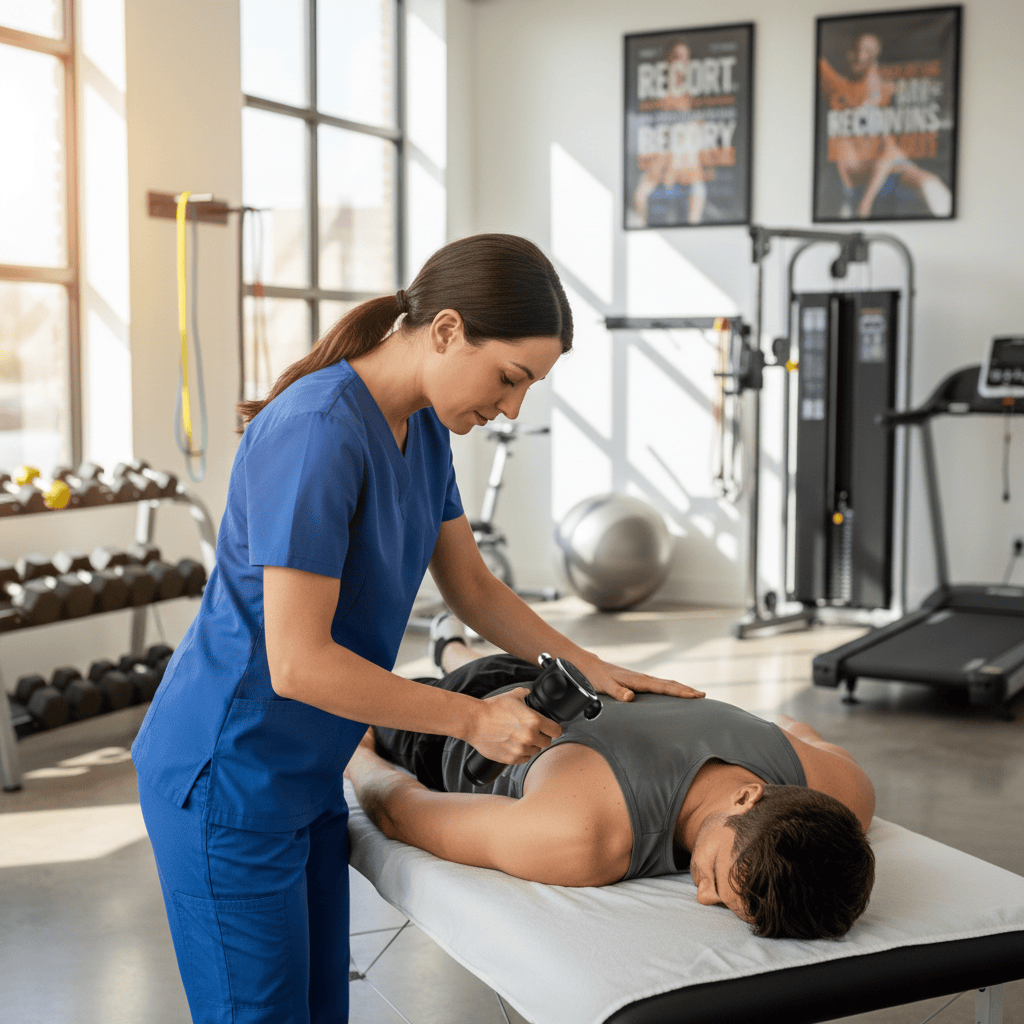
While modalities like ice baths or compression boots aid recovery, physiotherapy’s active approach ensures long-term functional gains. Let’s examine how modern tools like 3D percussion therapy5 augment these outcomes.
How High-Frequency 3D Vibration Therapy Supports Physiotherapy1 Programs in Sports Rehab Centers?
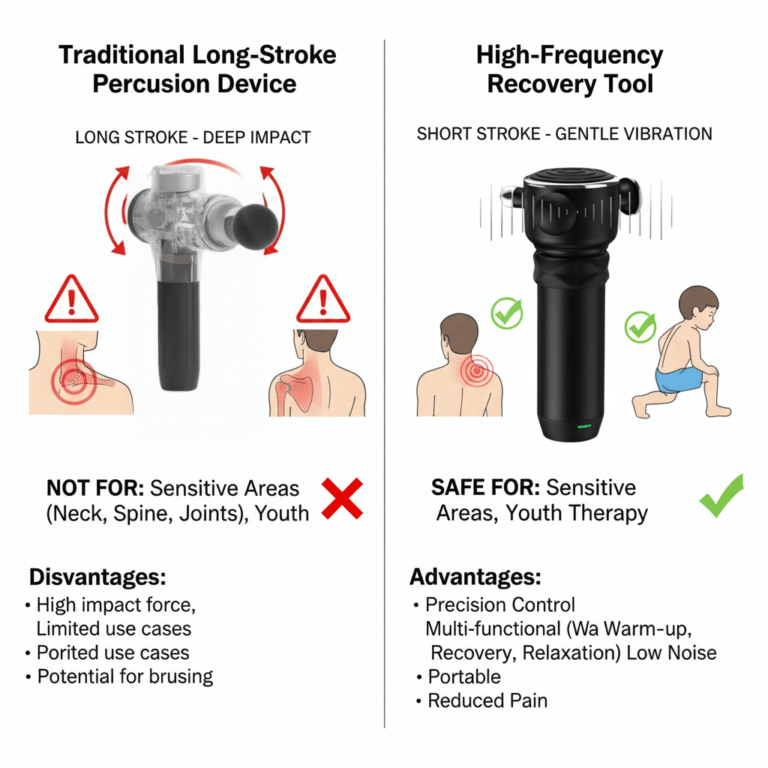
Athletes need faster recovery without compromising safety. Traditional massage guns often lack the precision required for therapeutic applications.
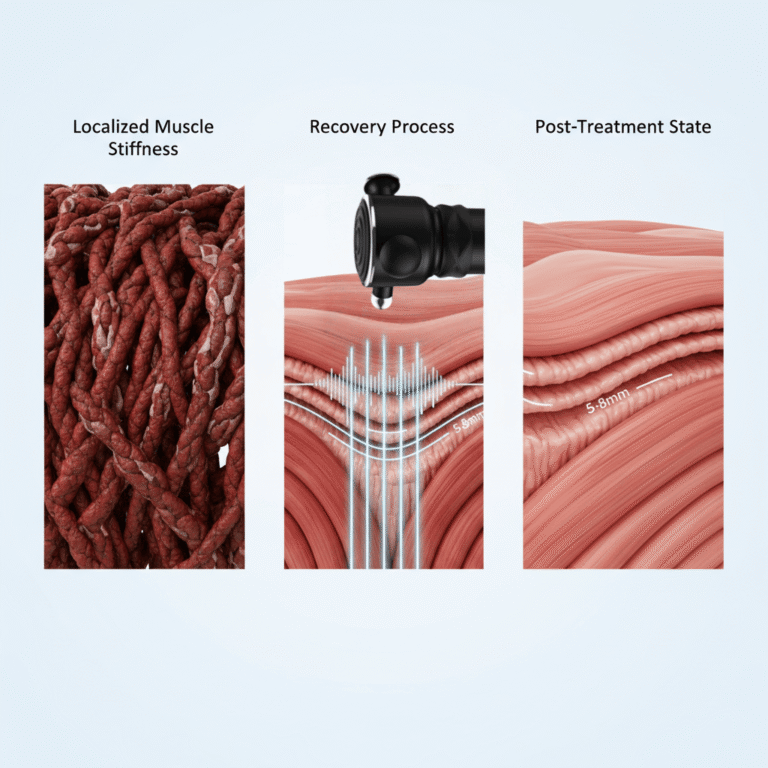
3D vibration therapy5 enhances physiotherapy by delivering multidirectional forces at adjustable depths (2–12 mm), which improves muscle recovery and mobility gains through targeted microtrauma management and fascial release.
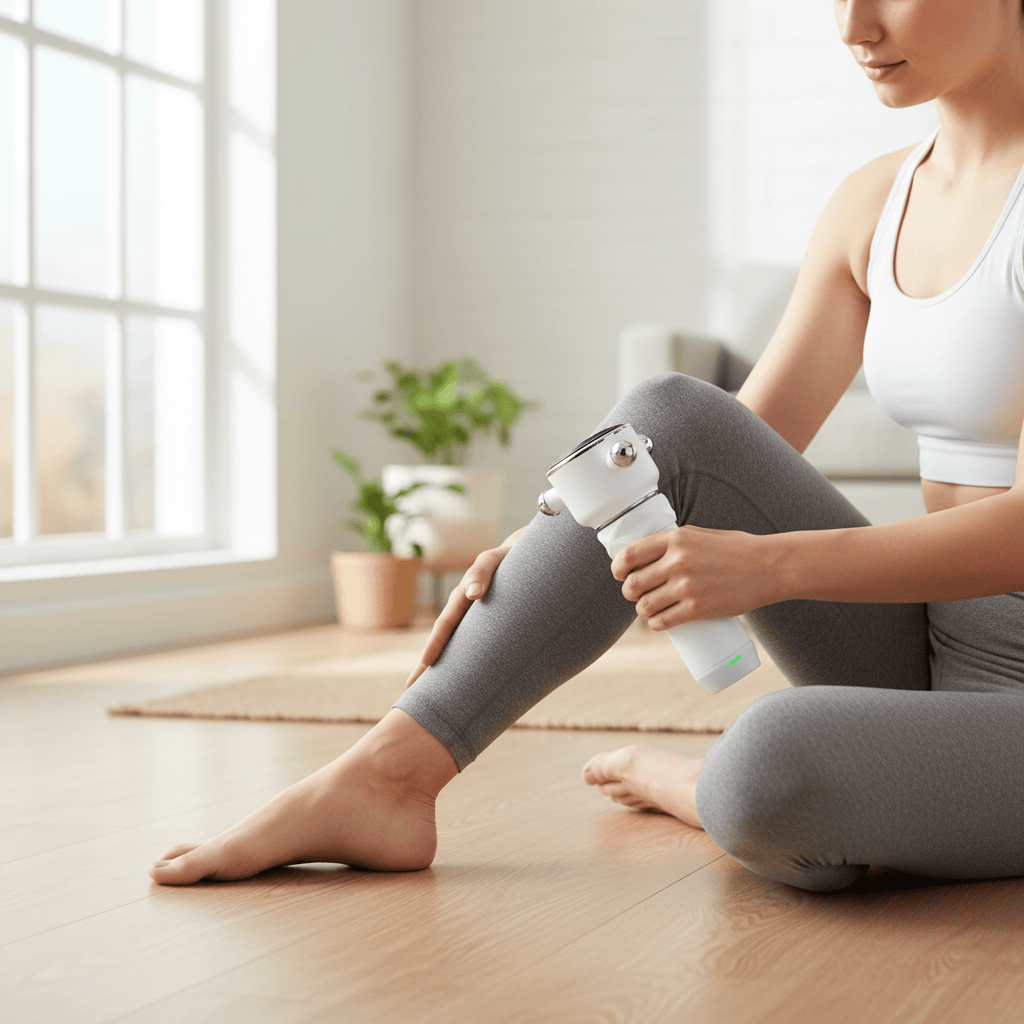
Unlike conventional linear percussion devices, 3D systems allow therapists to:
- Adjust force vectors to match muscle fiber orientations (critical for hamstring or rotator cuff rehab).
- Control treatment depth to avoid overstimulating healing tissues.
- Combine with active rehab protocols (e.g., percussion during dynamic stretching).
| Parameter | Traditional Percussion | 3D Percussion |
|---|---|---|
| Force Direction | Linear only | Omnidirectional |
| Depth Control | Fixed | Adjustable (2–12 mm) |
| Therapeutic Safety | Limited by rigidity | Enhanced via vector tuning |
This precision reduces compensatory movement patterns during rehab—a key factor in preventing re-injury.
Procurement Checklist: Choosing Physiotherapy1-Compatible Percussion Massagers for Sports Rehabilitation Centers
Rehab centers face a flood of consumer-grade devices marketed as “professional.” Not all meet clinical demands.
Prioritize devices with medical-grade durability6, adjustable force vectors (not just speeds), and compliance with IEC 60601-1 safety standards for therapeutic equipment.
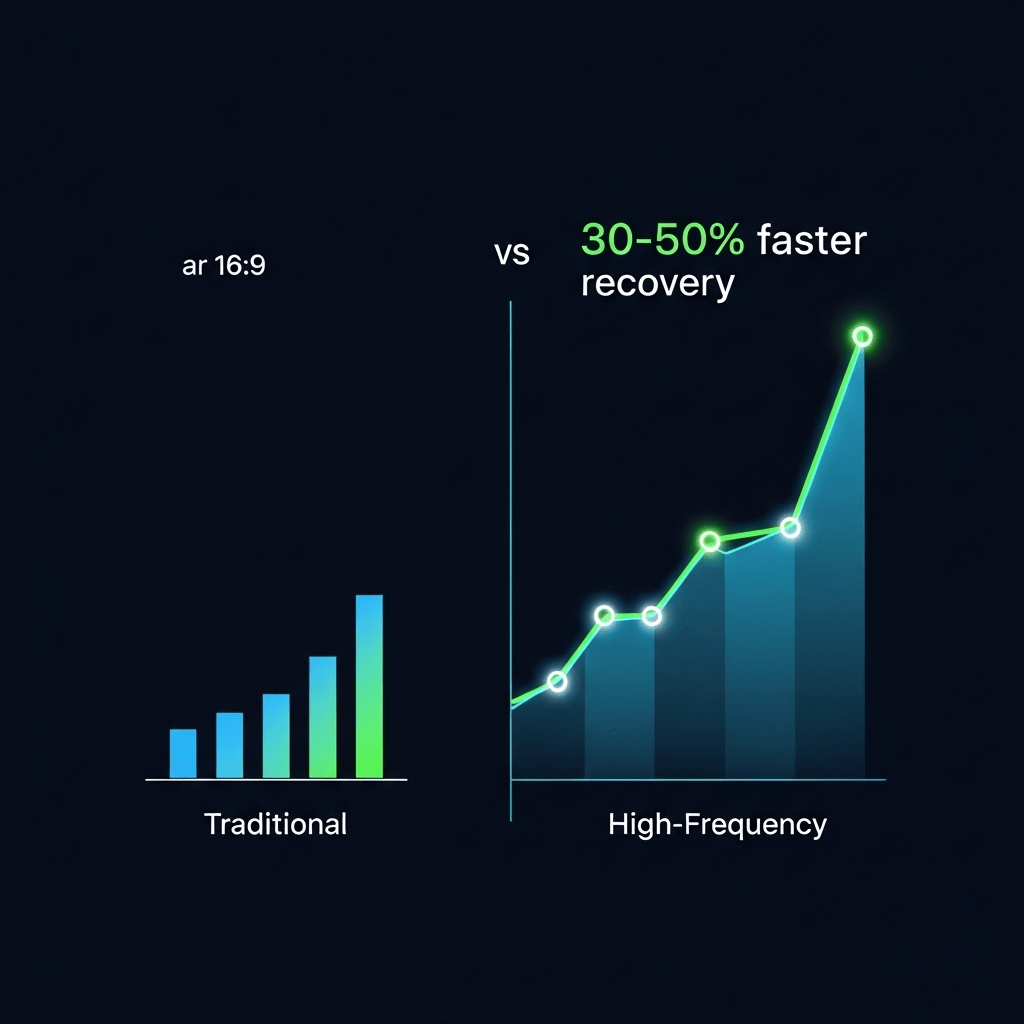
Here’s what matters beyond marketing claims:
-
Safety & Compliance
- Look for IPX4 waterproofing (sweat/cleaning resistance) and CE/FDA Class IIa certification.
- Avoid devices with non-replaceable batteries—they fail under clinical workloads.
-
Specifications
- Force range: 10–50 lbs (4.5–22.7 kg) to accommodate both superficial and deep tissue work.
- Frequency options: 30–50 Hz for acute inflammation; 5–20 Hz for chronic stiffness.
-
Durability
- Motor lifespan ≥500 hours (consumer models average 200 hours).
- Metal gearboxes outperform plastic in daily clinic use.
A $300 consumer gun may seem cost-effective, but its 6-month lifespan makes it 3× more expensive than a $1,200 medical-grade unit over 3 years.
Service Design & ROI: Integrating Percussion Massage into Core Physiotherapy1 Workflows
Adding gadgets without protocol integration wastes resources. Percussion must align with rehab phases.
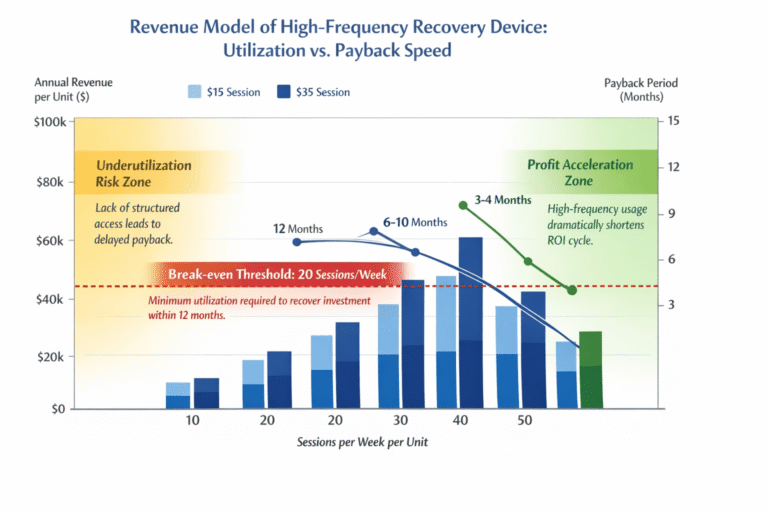
vibration therapy boosts ROI in sports rehab7 when sequenced post-manual therapy (to prep tissues) and pre-active exercises (to enhance neuromuscular recruitment), reducing average rehab duration by 15–20%.
Effective integration requires:
-
Phase-Specific Protocols
- Acute Phase (0–72h): Ultra-low frequency (5 Hz) with <5 mm depth to modulate pain without disrupting healing.
- Subacute Phase (3–14d): 20–30 Hz at 6–8 mm depth to break down adhesions during PNF stretching.
- Functional Phase (>14d): High-frequency (40–50 Hz) bursts during plyometrics to improve eccentric control.
-
Efficiency Gains
- A 10-minute percussion session can replace 20 minutes of manual effleurage, freeing therapists for higher-value tasks.
-
Client Retention
- Athletes perceive advanced tools as superior care. Centers reporting “technology-aided rehab” see 25% higher repeat visitation.
Conclusion
Physiotherapy1 remains irreplaceable in sports rehab, but 3D percussion tools elevate its precision—when chosen and deployed with clinical rigor.
-
Explore how physiotherapy enhances recovery and performance in athletes, making it essential for sports rehab. ↩ ↩ ↩ ↩ ↩ ↩
-
Learn about the critical process of tissue repair and its importance in effective sports rehabilitation. ↩
-
Understand how restoring mobility is key to an athlete’s return to peak performance after injury. ↩
-
Find out how neuromuscular re-education helps athletes regain strength and coordination post-injury. ↩
-
Discover the innovative benefits of 3D percussion therapy for faster and safer recovery in athletes. ↩ ↩
-
Get insights on essential features of medical-grade equipment to ensure safety and effectiveness in rehab. ↩
-
Learn strategies to enhance return on investment in sports rehab through effective treatment protocols. ↩