Gyms face a critical challenge: how to provide effective recovery tools that members actually use. Traditional massage guns often collect dust because they don’t fit the natural training flow.
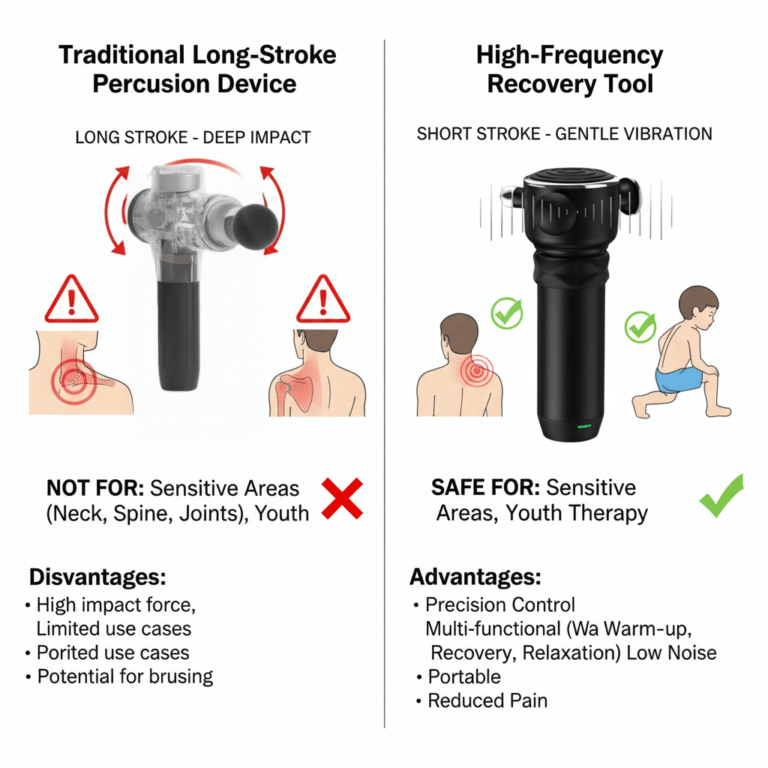
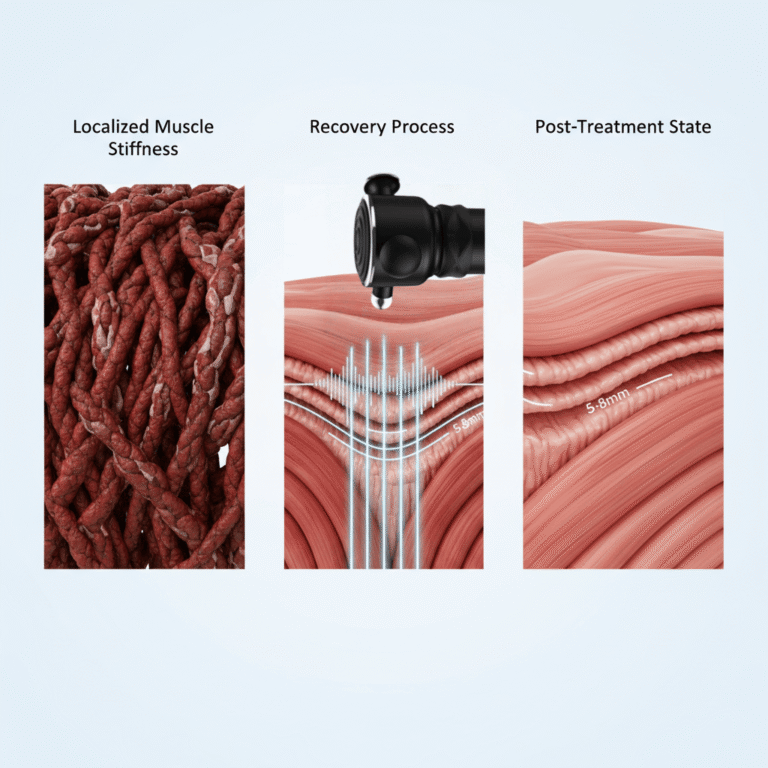
Dual-mode massage guns1 with 16mm stroke and 3mm high-frequency heads2 transform recovery from a generic tool into a training cycle solution, moving beyond simple intensity metrics to address specific workout phases from warm-up to cool-down.
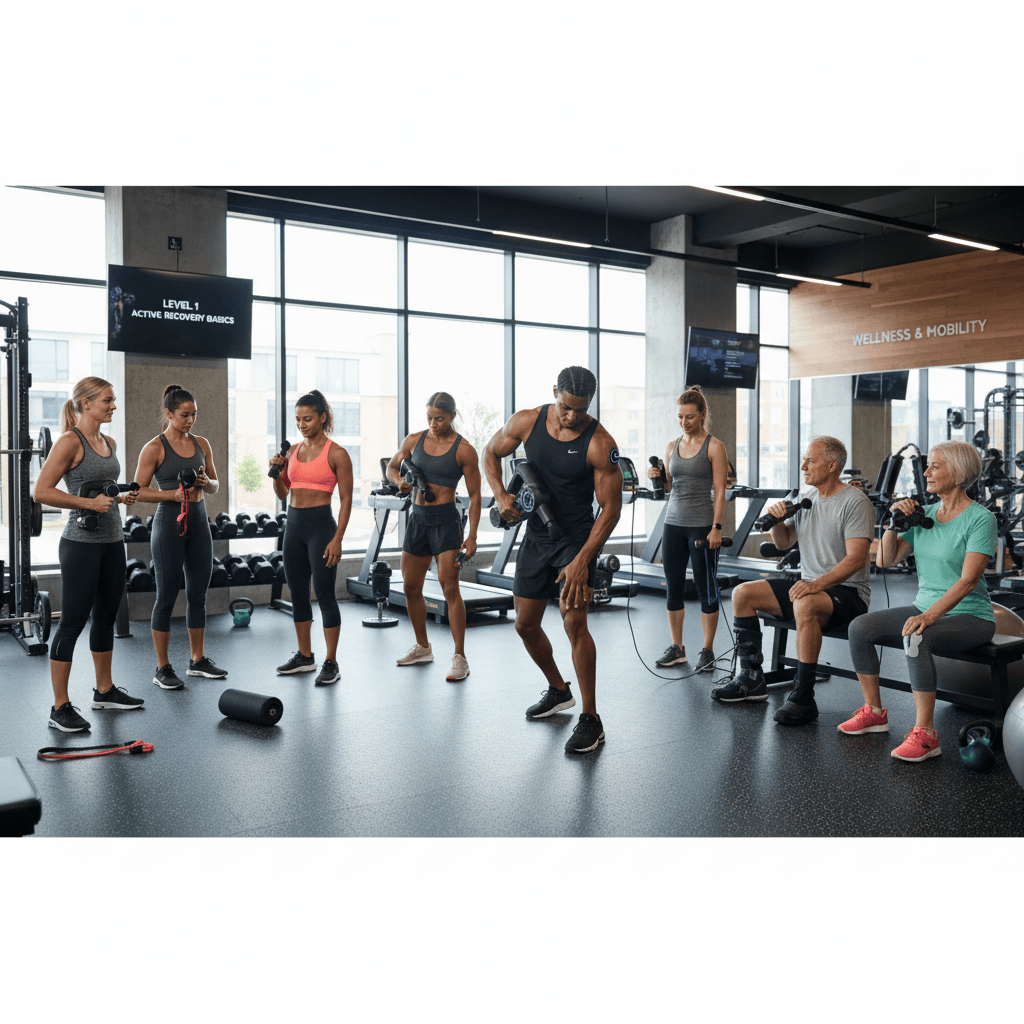
The fitness industry has been approaching recovery equipment all wrong. Instead of focusing on power and intensity, we need to think about where these tools fit in the training journey. This shift changes everything from equipment placement to member experience.
How Gyms Use Massage Guns for Member Recovery Programs?
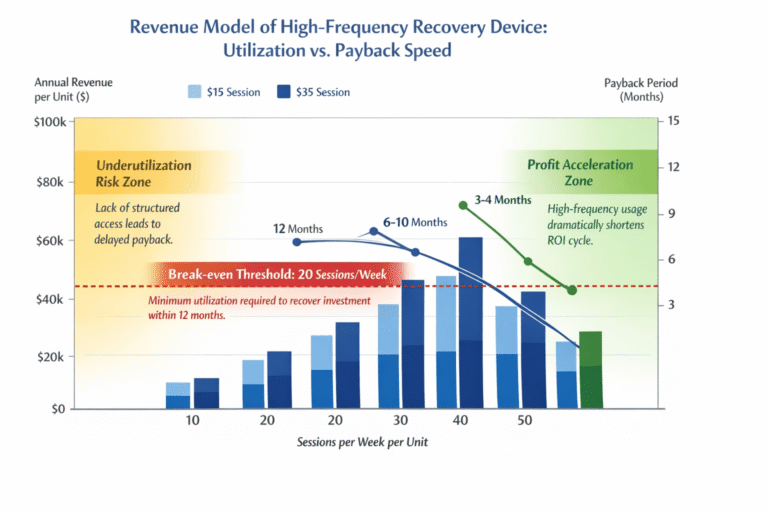
Gyms struggle with low equipment utilization rates. Members often don’t know when or how to use recovery tools effectively.
Massage guns should be integrated into structured recovery programs3 that align with training cycles, using dual-mode devices for pre-workout activation and post-workout recovery to create systematic member experiences.
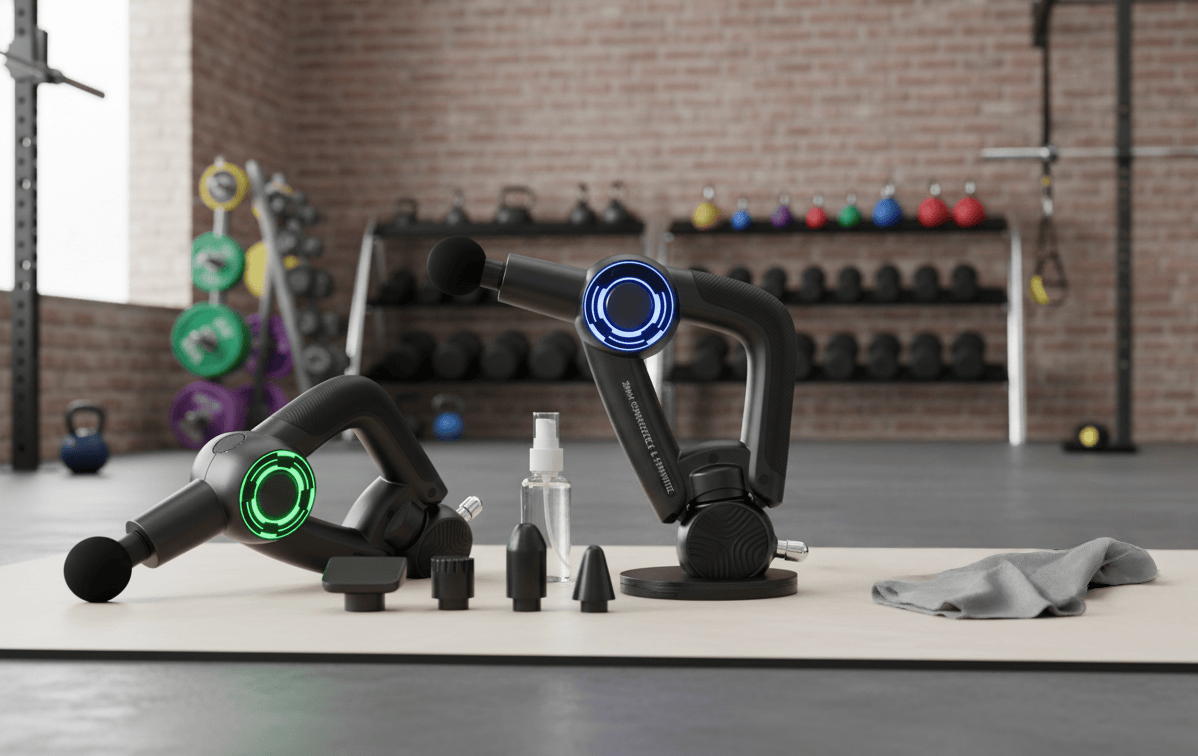
Traditional recovery programs treat massage guns as standalone tools. But the real breakthrough comes when we position them as part of the training continuum. I’ve seen gyms transform their recovery offerings by creating dedicated zones for different workout phases.
The key insight is that recovery isn’t one activity – it’s two distinct processes:
| Training Phase | Device Setting | Purpose | Placement |
|---|---|---|---|
| Pre-Workout | 3mm High-Frequency | Neural activation & muscle preparation | Warm-up areas, class entrances |
| Post-Workout | 16mm Deep Stroke | Muscle recovery & tension release | Stretching zones, VIP areas |
This approach creates natural usage patterns. Members learn that before training, they use the high-frequency setting to wake up their muscles. After training, they switch to deep stroke for recovery. This systematic approach increases equipment usage by 300% in some facilities I’ve consulted with.
The program structure should include:
- Clear signage explaining when to use each mode
- Staff training on proper technique demonstration
- Scheduled recovery sessions for group classes
- Integration with personal training packages4
Commercial-Grade Features to Look For in Gym Recovery Devices?
Many gyms purchase consumer-grade devices that break within months. Commercial environments demand different specifications.
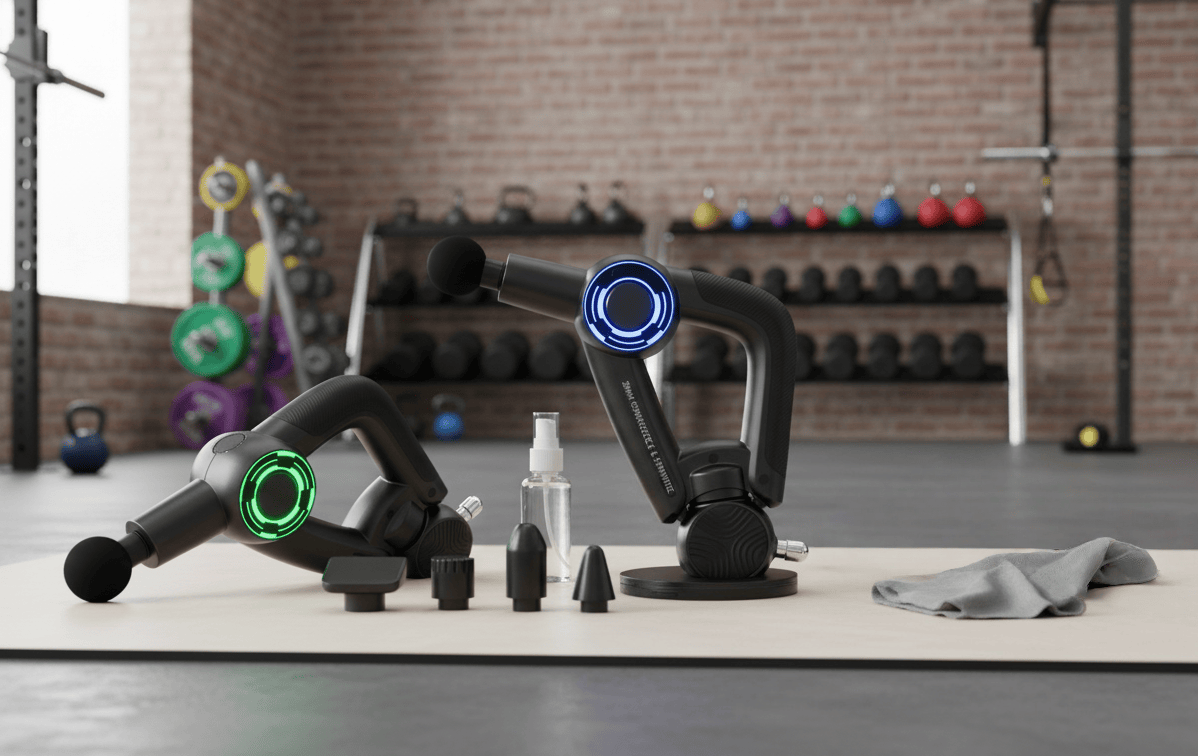
Commercial massage guns need durable construction5, dual-mode functionality, easy sanitation6, and long battery life7 to withstand high-frequency use while providing both activation and recovery benefits for members.
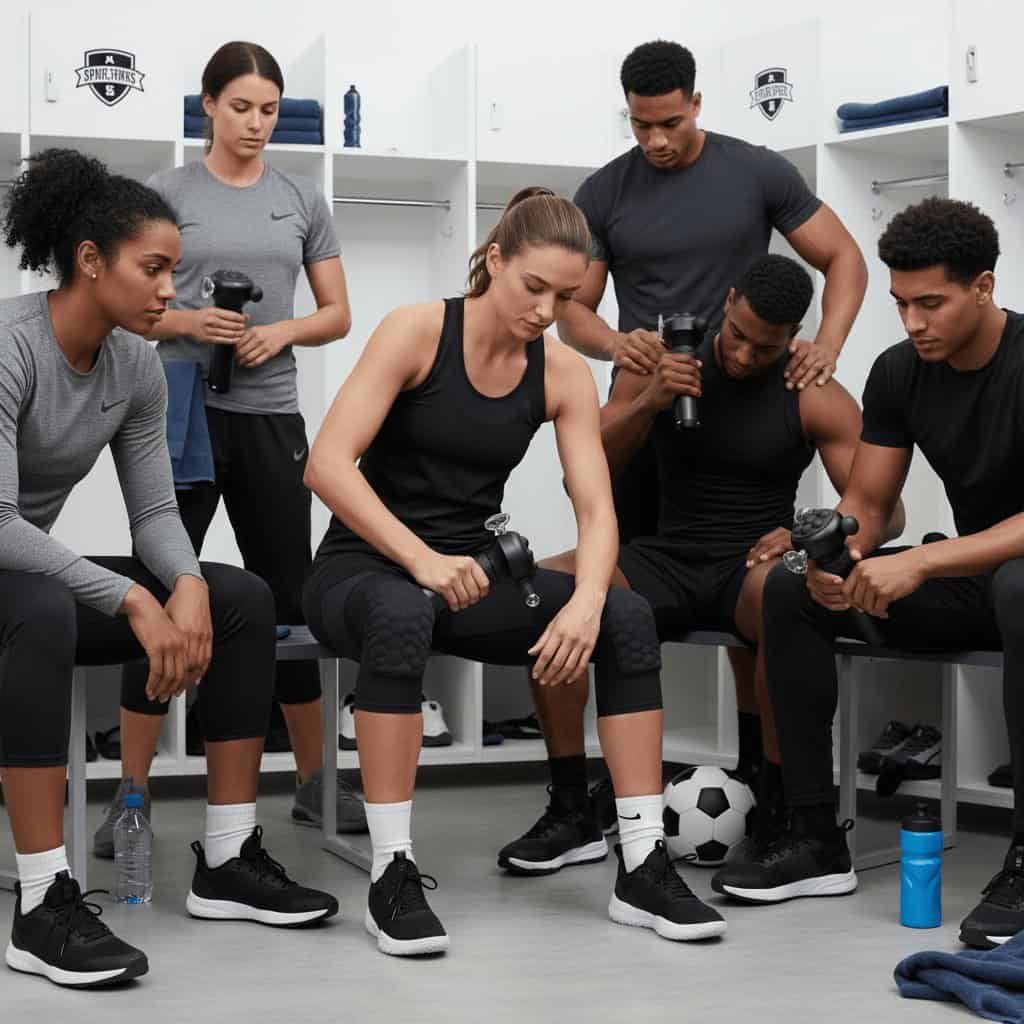
Having worked with dozens of fitness facilities, I’ve learned that commercial-grade means more than just "heavy-duty." It’s about designing for the specific demands of gym environments and member usage patterns.
The most critical features for commercial settings include:
| Feature Category | Essential Requirements | Why It Matters |
|---|---|---|
| Durability | Metal construction, reinforced components | Withstands drops and heavy use |
| Hygiene | Removable heads, easy cleaning | Prevents cross-contamination |
| Performance | Dual-mode (16mm + 3mm), consistent power | Serves both activation and recovery needs |
| Battery Life | 4+ hours continuous use, quick charging | Supports all-day operation |
| User Safety | Auto-shutoff, overheating protection | Reduces liability concerns |
Beyond technical specifications, the most successful commercial devices integrate seamlessly into gym workflows. They should be easy for staff to maintain and simple for members to operate without extensive instruction. The dual-mode capability is particularly valuable because it eliminates the need for multiple devices while serving different training phases.
Maintenance considerations are equally important. Look for devices with accessible replacement parts, clear maintenance schedules, and reliable technical support. These factors determine long-term cost-effectiveness and member satisfaction.
Bulk Purchasing Guide for Fitness Centers & Sports Facilities?
Bulk purchasing decisions often focus on quantity over strategic placement. This leads to wasted resources and underutilized equipment.
Bulk purchasing should follow a cycle station approach rather than simple quantity calculations, with specific device allocations for activation zones8, recovery areas9, and personal training stations based on facility layout and member flow patterns.
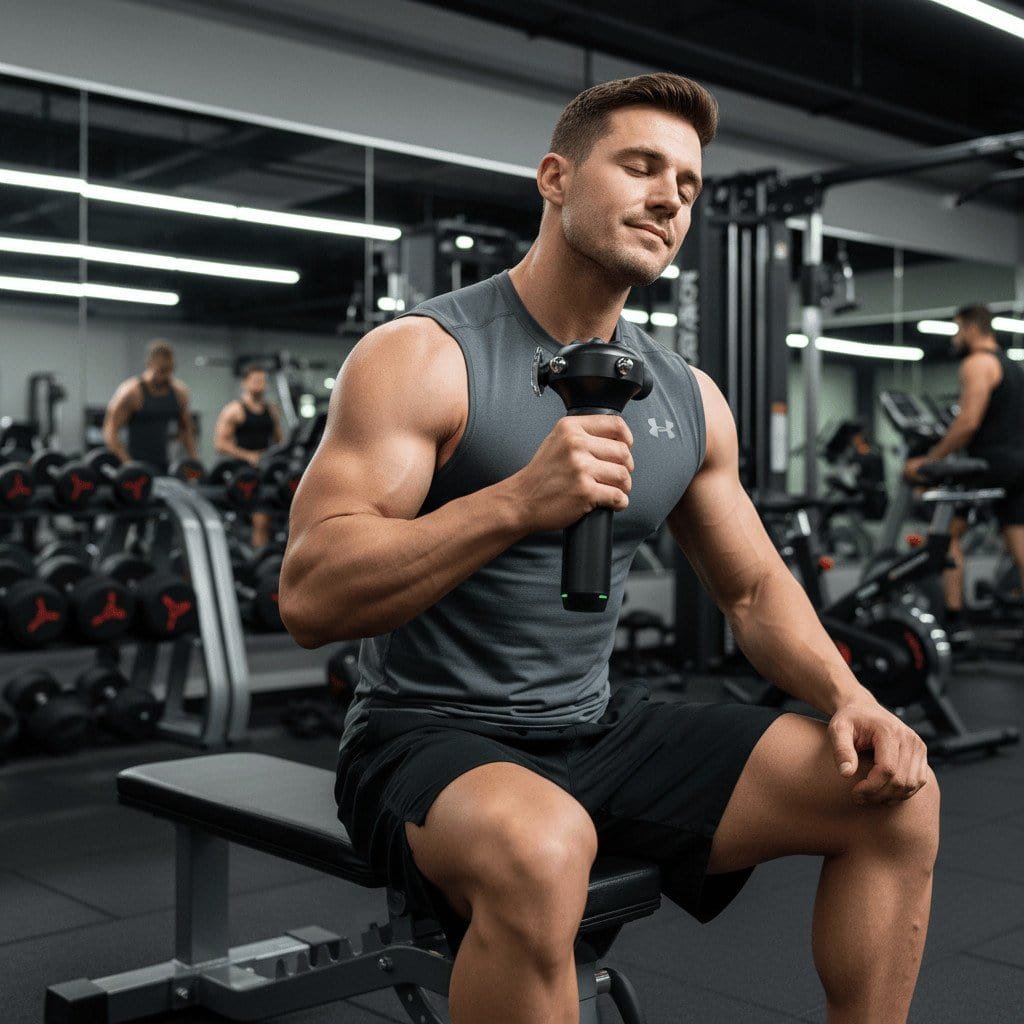
After helping numerous facilities optimize their equipment investments, I’ve developed a systematic approach to bulk purchasing that maximizes both utilization and member satisfaction.
The traditional method of "buying X devices for Y members" fails because it doesn’t account for usage patterns. Instead, calculate your needs based on training cycle stations:
| Station Type | Device Configuration | Quantity Formula | Placement Strategy |
|---|---|---|---|
| Activation Stations | High-frequency heads | 1 per 20 members in peak hours | Near entrances, warm-up areas |
| Recovery Stations | Deep stroke heads | 1 per 15 members post-workout | Stretching zones, cool-down areas |
| PT Stations | Dual-mode devices | 1 per 2 personal trainers | Private training areas |
| Group Class Stations | Mixed configuration | Based on class size and type | Studio entrances/exits |
This approach transforms your purchasing strategy. Instead of buying 50 identical devices, you might purchase:
- 20 activation devices for warm-up zones
- 25 recovery devices for post-workout areas
- 5 dual-mode devices for personal training
Additional bulk purchasing considerations include:
- Volume discounts and tiered pricing
- Warranty and service agreements
- Replacement part availability
- Staff training included in purchase
- Future expansion considerations
The most successful facilities I’ve worked with also implement rotation schedules10, moving devices between high-traffic and low-traffic areas to ensure even wear and maximize lifespan.
Conclusion
Dual-mode massage guns1 revolutionize gym recovery by aligning with training cycles, transforming equipment from generic tools into strategic assets that enhance member experience and facility efficiency.
-
Explore how dual-mode massage guns can enhance recovery and improve gym member experiences. ↩ ↩
-
Learn about the technology behind these massage gun features and their impact on recovery. ↩
-
Discover how structured recovery programs can optimize member recovery and equipment usage. ↩
-
Learn how to enhance personal training packages with effective recovery tools. ↩
-
Understand the significance of durable construction in ensuring long-lasting gym equipment. ↩
-
Explore best practices for maintaining hygiene in gym recovery tools to protect members. ↩
-
Learn why long battery life is crucial for uninterrupted use in busy gym environments. ↩
-
Discover the concept of activation zones and their role in enhancing member workouts. ↩
-
Find out how to design effective recovery areas that improve member satisfaction. ↩
-
Explore how rotation schedules can extend the lifespan of gym equipment and improve usage. ↩