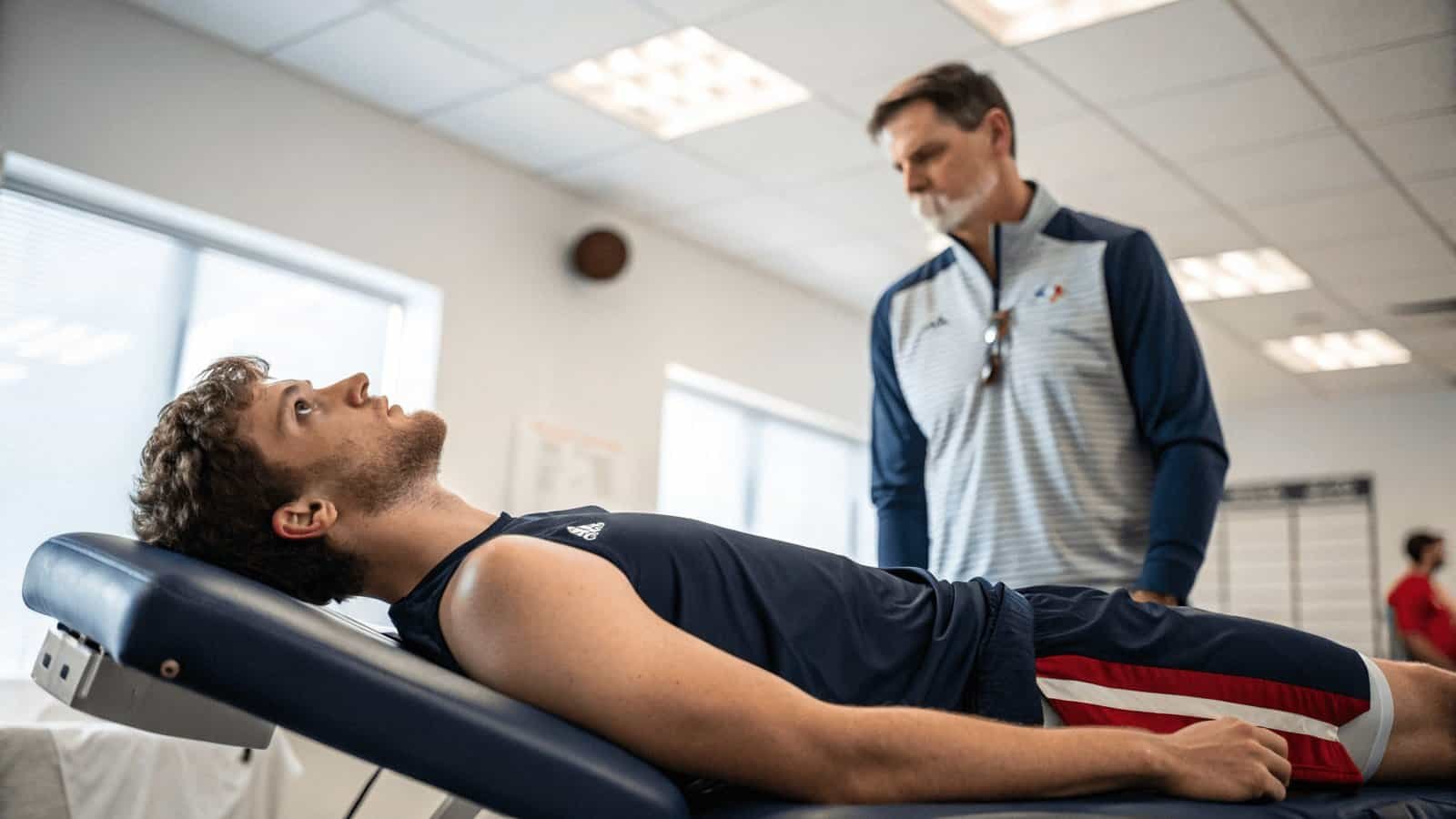
Coming back from a sports injury isn’t just about physical healing – the mental battle can be even tougher for athletes.
Psychological readiness1 is as important as physical recovery when returning to sports after injury. Fear of re-injury, loss of confidence, and performance anxiety2 are common mental hurdles athletes face during rehabilitation.
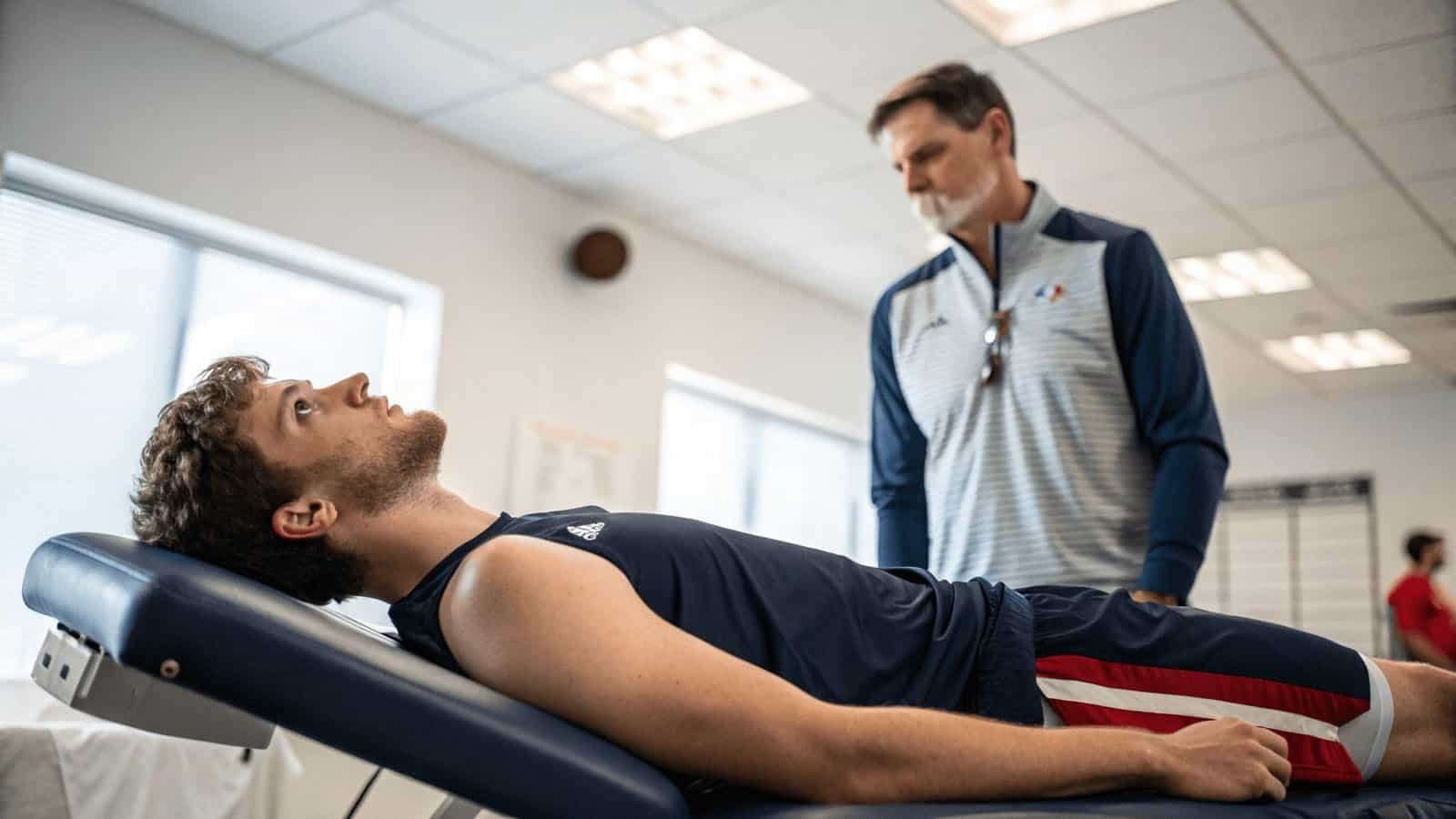
The journey back to peak performance requires addressing both body and mind. While physical therapy focuses on healing tissues, sports psychology3 helps rebuild mental strength. This dual approach ensures athletes return stronger, both physically and mentally. Let’s explore how psychology plays a vital role in complete sports recovery.
Psychology of Recovering from a Sports Injury: What Goes Through an Athlete’s Mind?
The moment of injury can trigger a whirlwind of emotions that last throughout the recovery process.
Athletes often experience frustration, anger, depression, and anxiety during injury recovery. These emotional responses4 are normal but must be managed to prevent delayed healing.

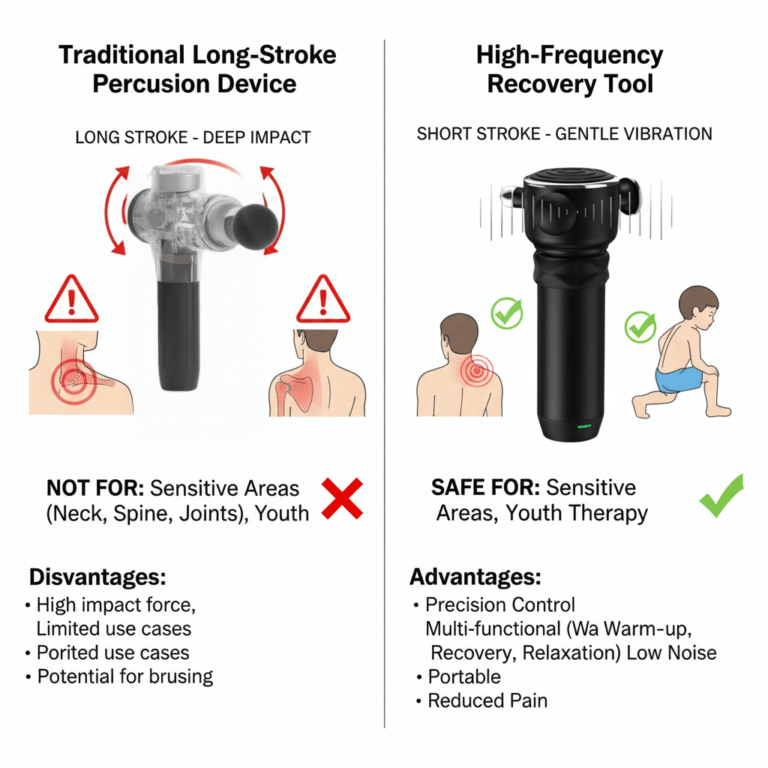
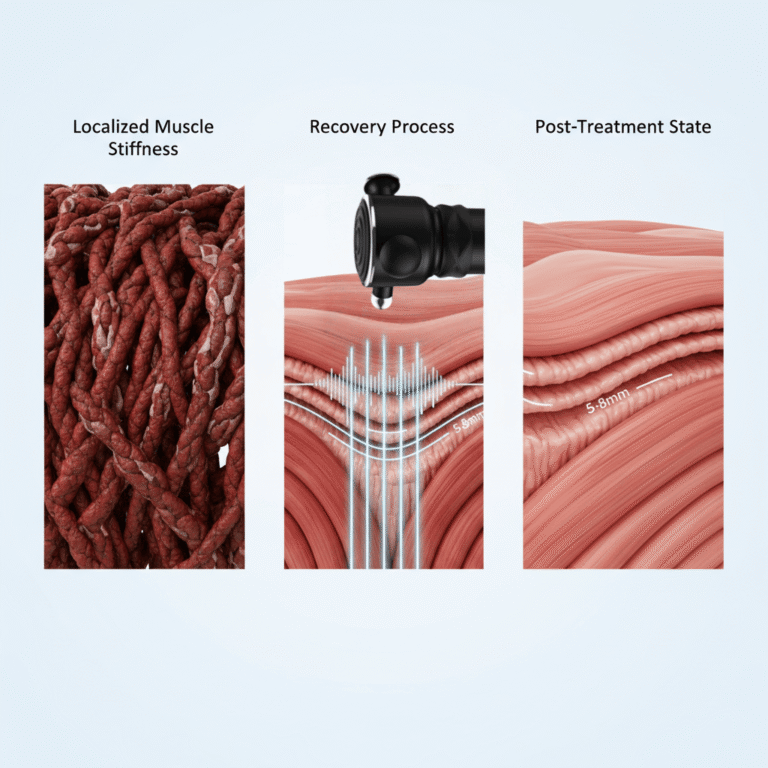
Understanding these psychological responses5 helps create better recovery plans. The YD023 therapy gun’s rapid treatment capability addresses physical pain immediately, which can significantly reduce psychological stress. Quick pain relief means less time dwelling on discomfort and more focus on positive recovery. This innovative tool bridges the gap between injury and professional treatment, maintaining both physical and mental wellbeing.
Psychological Factors in Sports Injury Rehabilitation: Which Matter Most?
Not all psychological factors affect recovery equally – some play more critical roles than others.
Key psychological factors include motivation, pain tolerance, stress management, and self-efficacy. Athletes with strong mental skills typically recover faster and return to form sooner.

The 3D vibration technology6 in our therapy gun supports these psychological factors by:
- Providing immediate pain relief (boosting motivation)
- Offering comfortable treatment (improving pain tolerance)
- Enabling independent use (enhancing self-efficacy)
- Reducing treatment waiting time (lowering stress)
This combination of physical and psychological support creates an optimal environment for complete recovery, making the rehabilitation journey less daunting for injured athletes.
Sports Psychology in Rehabilitation7: Role & Impact?
Sports psychology techniques can dramatically transform an athlete’s recovery experience and outcomes.
Psychological interventions improve rehabilitation adherence, speed recovery, and enhance performance upon return. Techniques include goal-setting, visualization, and positive self-talk.
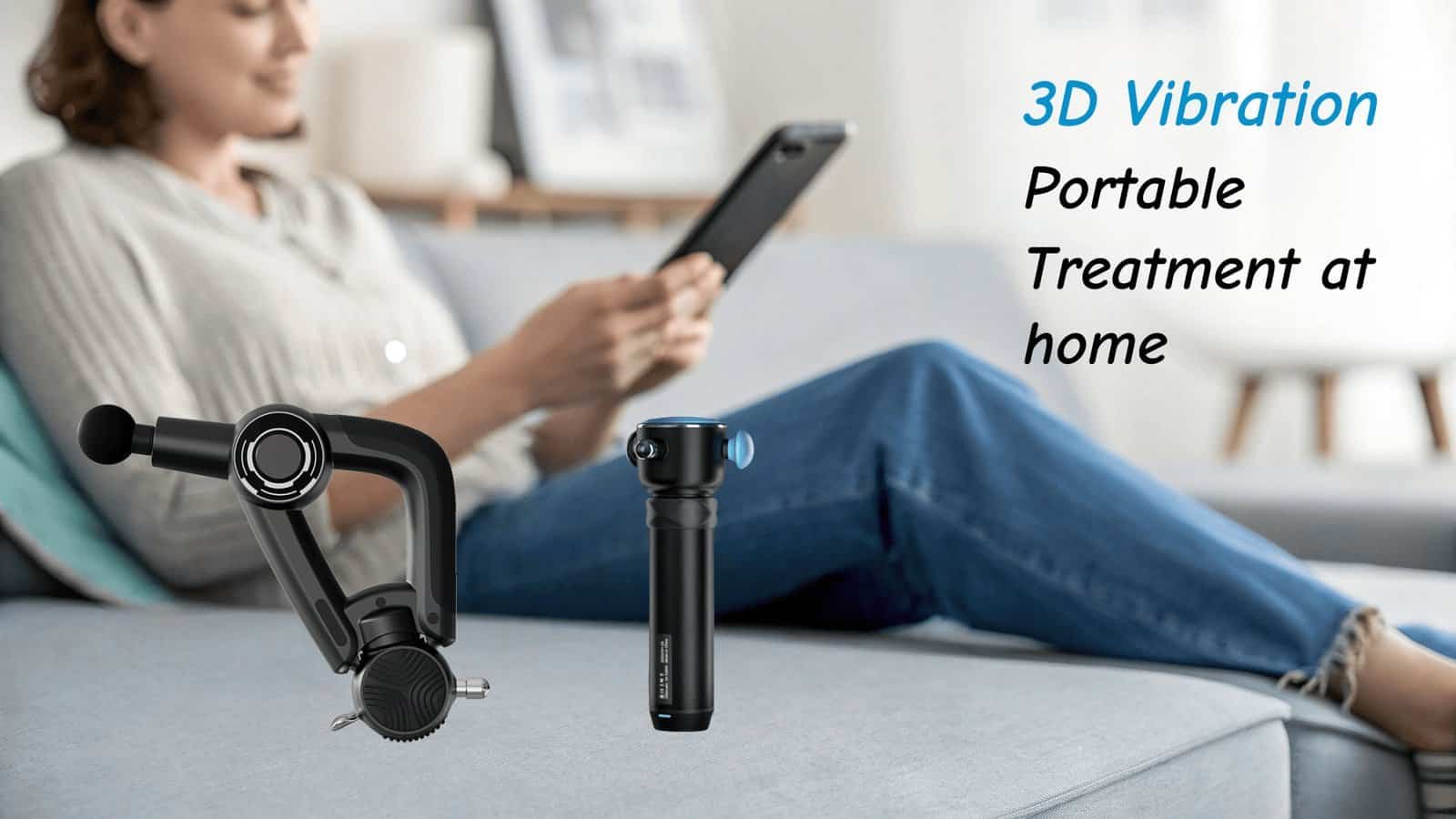
Our therapy gun complements psychological approaches8 by:
- Building confidence: Visible progress in pain reduction reinforces recovery beliefs
- Maintaining routine: Portable design allows consistent treatment anywhere
- Reducing anxiety: Quick access to pain relief minimizes worry about discomfort
- Enhancing control: Athletes actively participate in their recovery process
The synergy between psychological strategies and advanced recovery technology like the YD023 creates a comprehensive rehabilitation system that addresses all aspects of sports injury recovery.
Conclusion
Mental preparation is vital for athletic recovery, combining psychological resilience with innovative tools like the YD023 therapy gun for complete rehabilitation.
-
Understanding psychological readiness can help athletes overcome mental barriers and enhance their recovery process. ↩
-
Exploring strategies to manage performance anxiety can empower athletes to regain confidence and improve their performance. ↩
-
Understanding sports psychology can enhance recovery strategies, helping athletes manage emotions and improve performance. ↩
-
Exploring emotional responses provides insights into mental health during recovery, crucial for holistic healing. ↩
-
Understanding psychological responses can enhance recovery strategies and improve overall athlete wellbeing. ↩
-
Explore how 3D vibration technology can enhance recovery and pain relief, making rehabilitation more effective. ↩
-
Discover the crucial role of sports psychology in improving recovery outcomes and athlete performance. ↩
-
Explore this link to understand how psychological strategies can enhance recovery and performance. ↩