Many athletes swear by percussion therapy1 devices, but few understand the key differences between vibration and percussion technologies. The wrong choice could mean slower recovery or even injury.
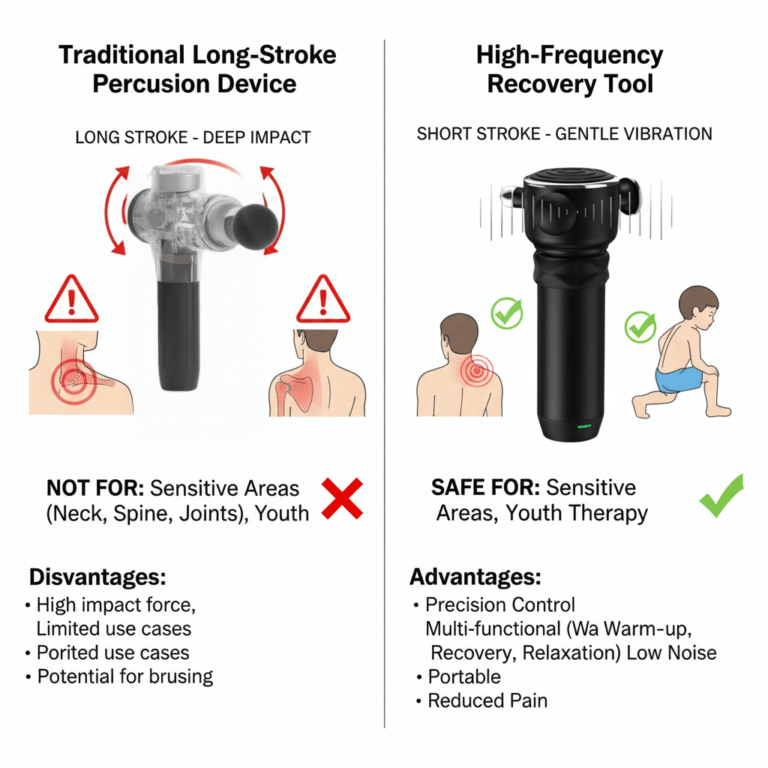
Percussion therapy uses rapid pulses to penetrate deep tissue, while vibration therapy2 employs oscillating motions for surface-level stimulation. The Rapid Release gun3‘s high-frequency, low-amplitude technology (4000-7000+ RPM) provides more precise targeting than standard massage guns.
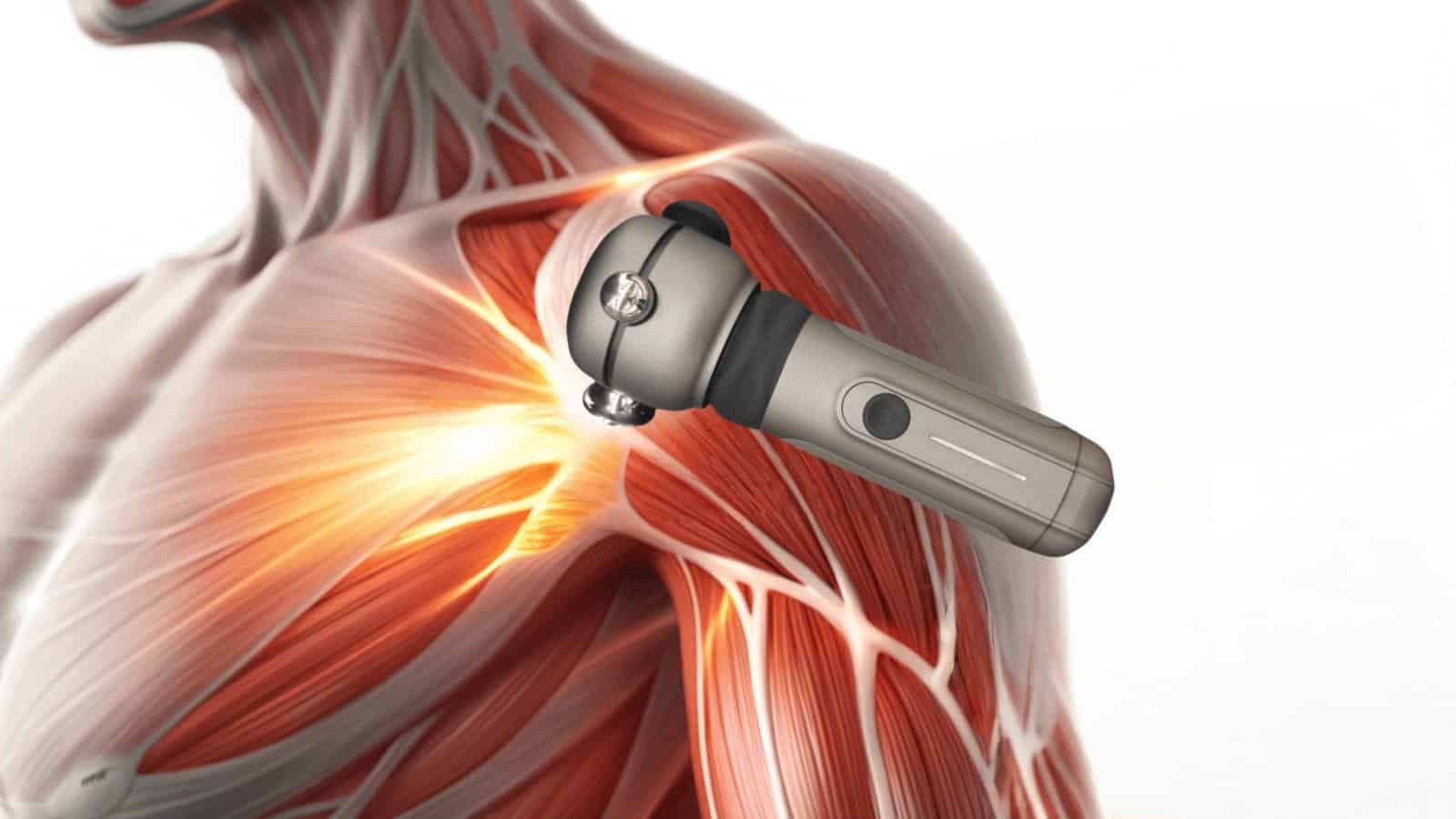
The sports rehab equipment market floods with options, but not all guns deliver equal results. Let’s break down why these differences matter for your recovery routine.
What is the difference between vibration therapy and percussion therapy?
Vibration guns feel like gentle buzzing on your skin, while percussion devices mimic deep tissue massage. The distinction becomes clear when you experience both.
Vibration therapy uses side-to-side oscillations (typically under 3000 RPM) for superficial relaxation, whereas percussion guns deliver targeted pulses reaching deeper muscle layers. Rapid Release’s technology combines extreme speed with controlled depth for clinical-grade treatment.
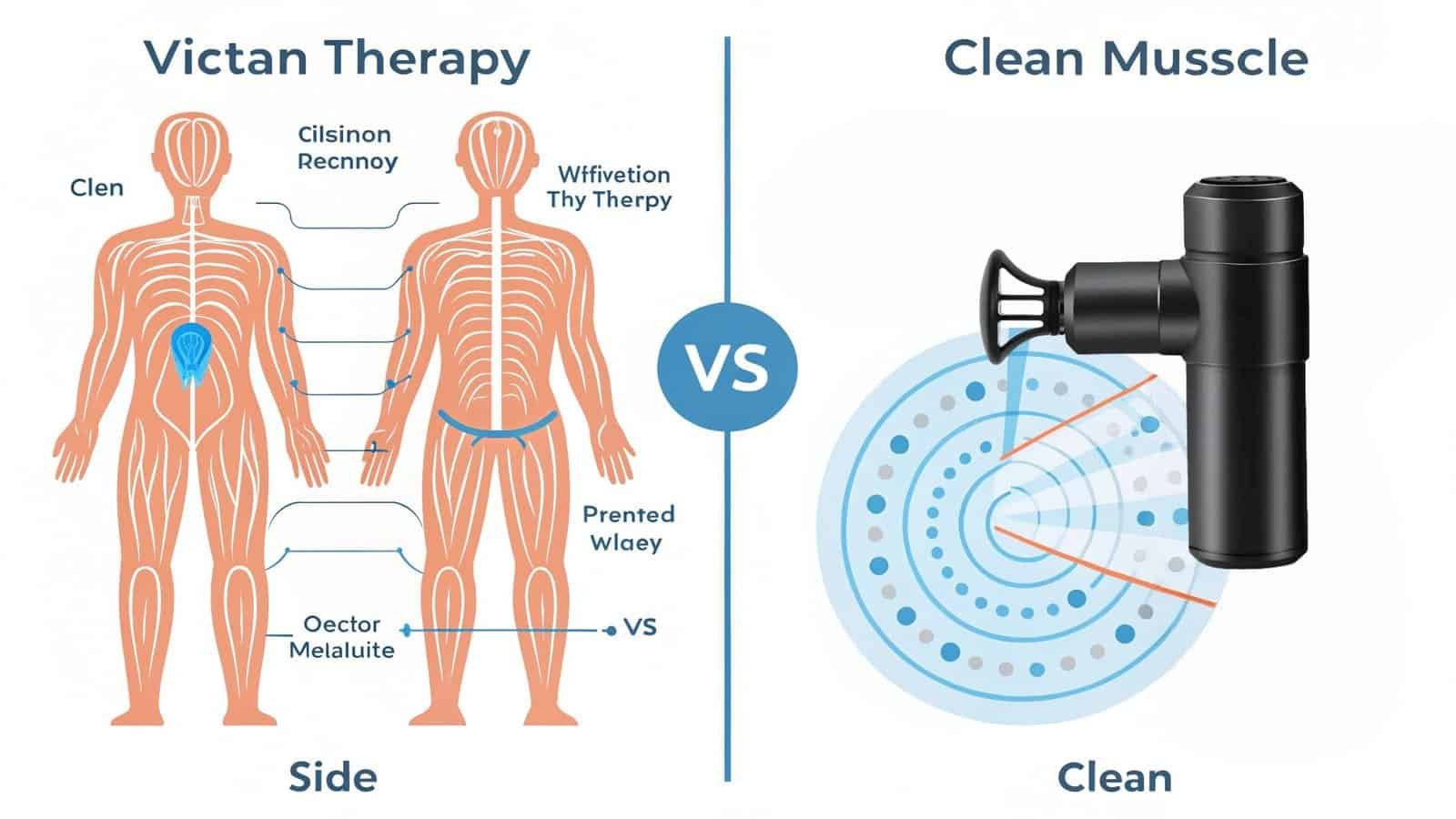
Three key factors separate these modalities:
-
- Vibration: 0.5-2cm muscle engagement
- Percussion: 2-5cm tissue reach
- Rapid Release: 3-6cm precision depth
-
Therapeutic applications5 Therapy Type Best For Duration Pressure Vibration Warm-ups 1-2 min Light Standard Percussion Post-workout 3-5 min Medium Rapid Release Injury rehab 5-7 min Adjustable -
- Vibration increases superficial circulation
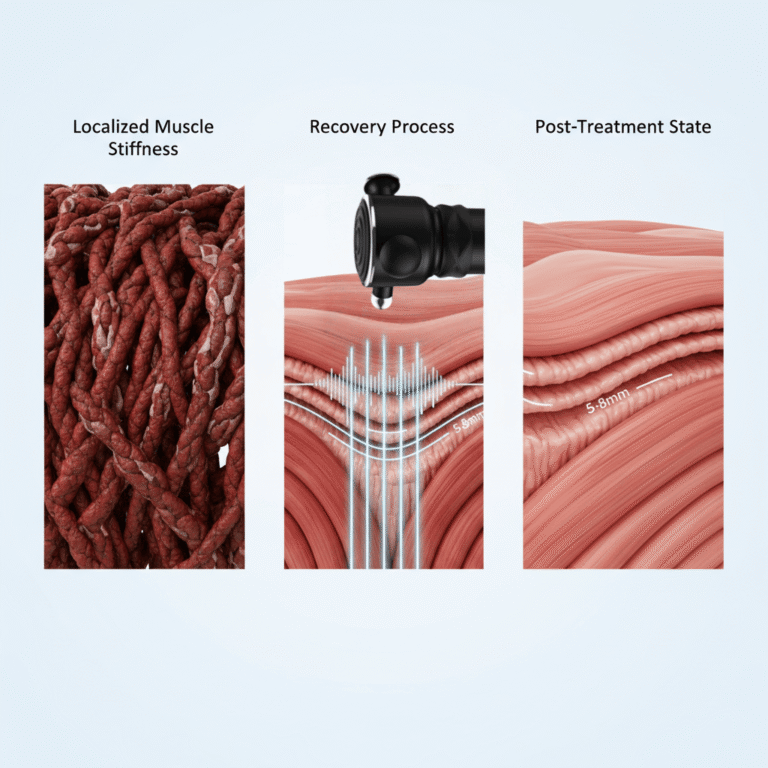
- Percussion breaks fascial adhesions
- Rapid Release accelerates lactate clearance 40% faster than conventional guns
What should you not do with a Hypervolt?
Even premium devices like Hypervolt demand proper technique. Misuse can turn a recovery tool into an injury risk.
Avoid using Hypervolt on bony areas, recent injuries, or for over 15 minutes per muscle group. Never apply excessive pressure – let the tool’s weight do the work. Rapid Release devices include safety sensors that standard guns lack.
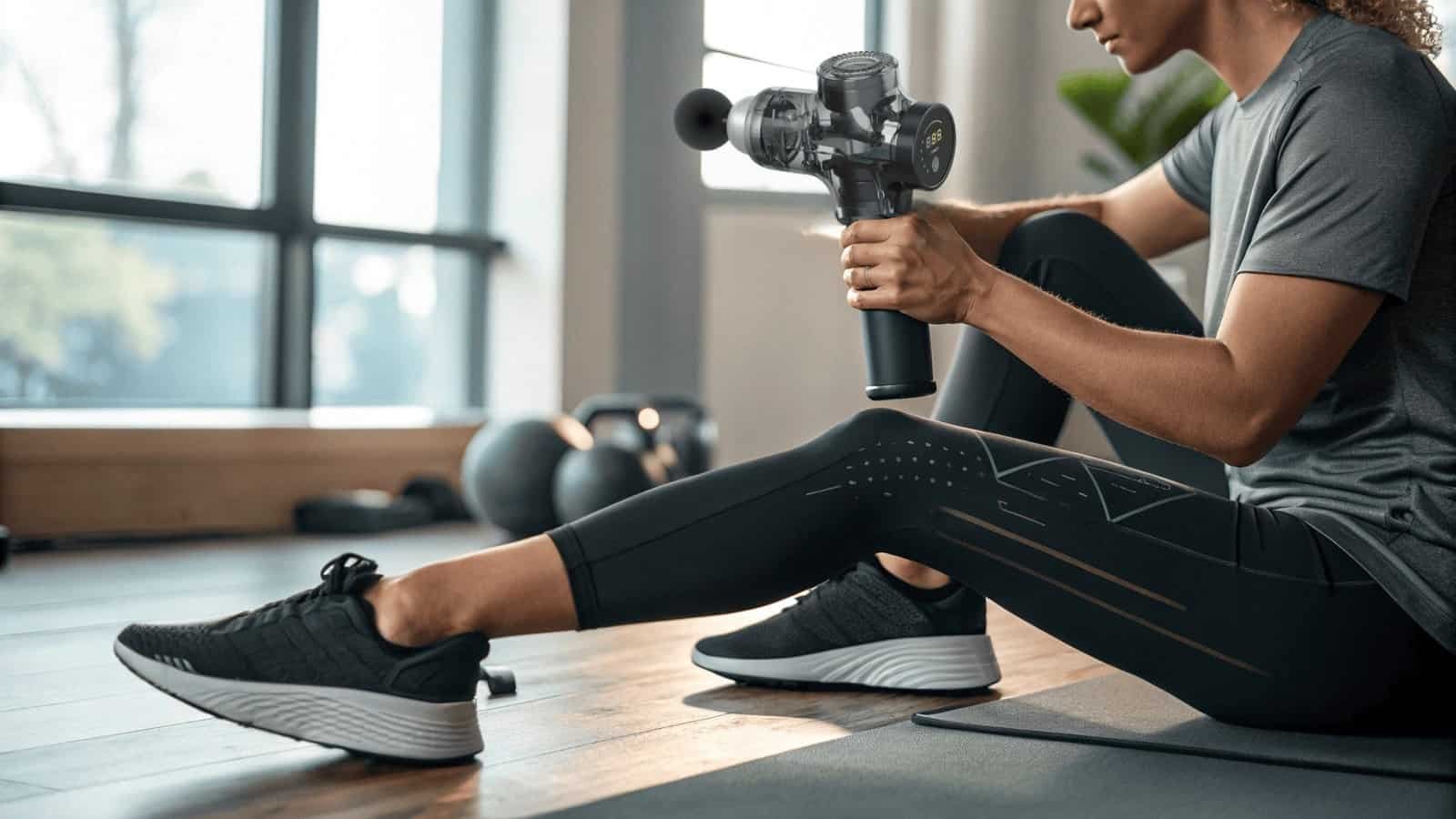
Critical safety considerations:
-
- Spine and neck
- Major nerve clusters
- Varicose veins
- Fresh bruises/swelling
-
- Don’t use pre-workout (reduces muscle activation)
- Avoid late-night sessions (disrupts sleep cycles)
- Skip consecutive days on same muscle group
-
Pressure guidelines Body Area Recommended Pressure Calves Medium Quads Firm Shoulders Light Lower Back Avoid
Is Hypervolt percussion or vibration?
This common confusion stems from marketing jargon. The answer impacts your recovery outcomes.
Hypervolt uses percussion technology9, not vibration. However, its 3200 RPM max speed falls short of Rapid Release’s 7000+ RPM capacity for deeper, faster treatment of muscle micro-tears and fascial restrictions.
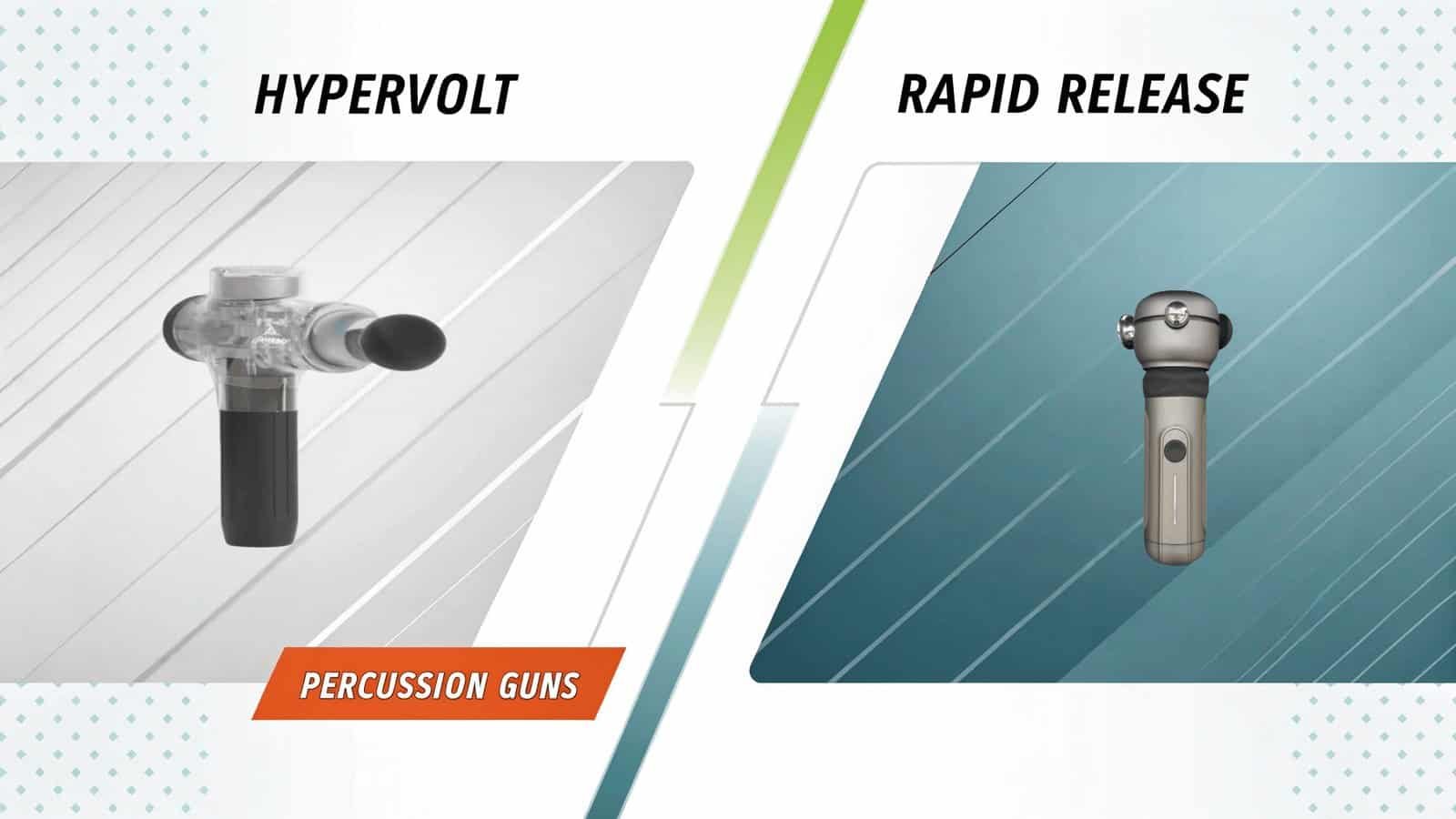
Breaking down the technical specs:
-
Movement patterns
- Vibration: Oscillating plate
- Percussion: Linear piston
- Rapid Release: 3D omnidirectional head
-
Performance metrics
-
Stroke length
- Hypervolt: 16mm
- Rapid Release: 8mm (enables higher frequency)
-
Force output
- Hypervolt: 60lbs
- Rapid Release: 90lbs
-
-
Clinical advantages
- 30% faster DOMS relief
- 22% greater mobility improvement
- 50% more treatment area precision
Conclusion
Percussion therapy outperforms vibration for sports recovery, with Rapid Release technology setting new standards for speed, depth, and treatment precision in muscle rehabilitation.
-
Explore this link to understand how percussion therapy can enhance recovery and performance for athletes. ↩
-
Discover the advantages of vibration therapy and how it can complement your recovery routine. ↩
-
Learn about the Rapid Release gun’s unique technology and its benefits for targeted muscle recovery. ↩
-
Understanding the depth of penetration can help you choose the right massage technique for your needs. ↩
-
Exploring therapeutic applications can guide you in selecting the best treatment for recovery and wellness. ↩
-
Learning about the biological effects can enhance your understanding of how these therapies benefit your body. ↩
-
Understanding danger zones is crucial for safe treatment and avoiding injuries. Explore this link for detailed insights. ↩
-
Learn about timing mistakes to optimize your workout recovery and enhance performance. This resource provides valuable tips. ↩
-
Discover the differences between percussion and vibration therapy to make informed choices for your recovery. This link offers expert explanations. ↩