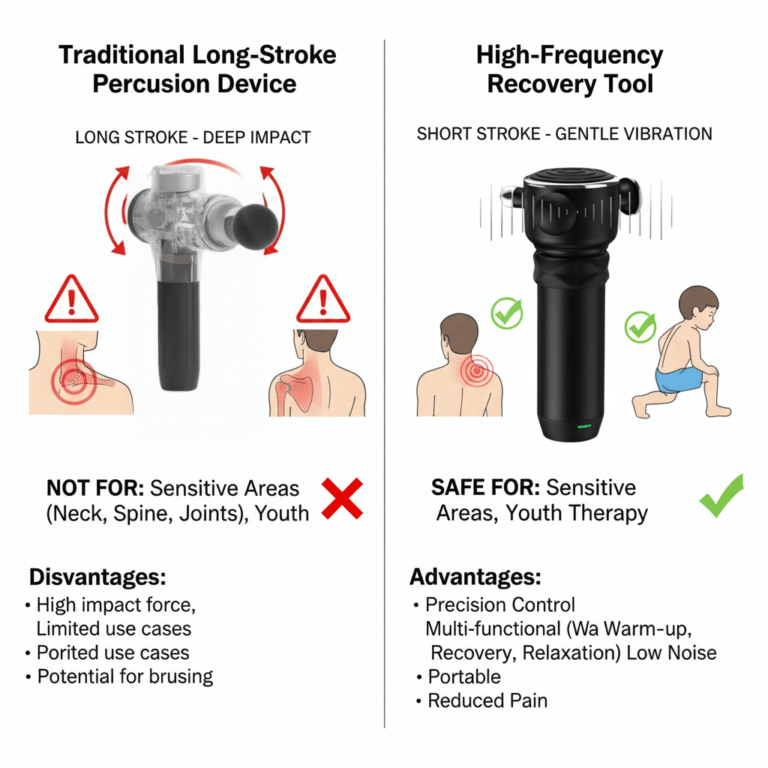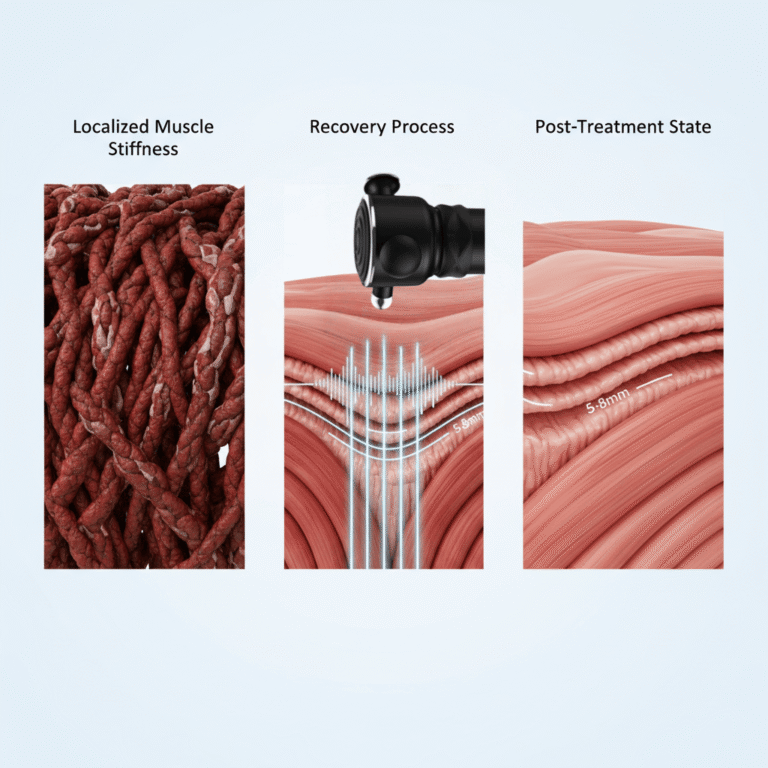
Physical therapy helps people move better and feel less pain. New tools are changing how it works. Fast vibration tools now help without even touching the skin.
Physical therapy uses movement and exercises to heal the body. New high-speed tools (4500-7000 RPM)1 work better than old methods. They stop pain signals fast and help sensitive patients heal without touch.
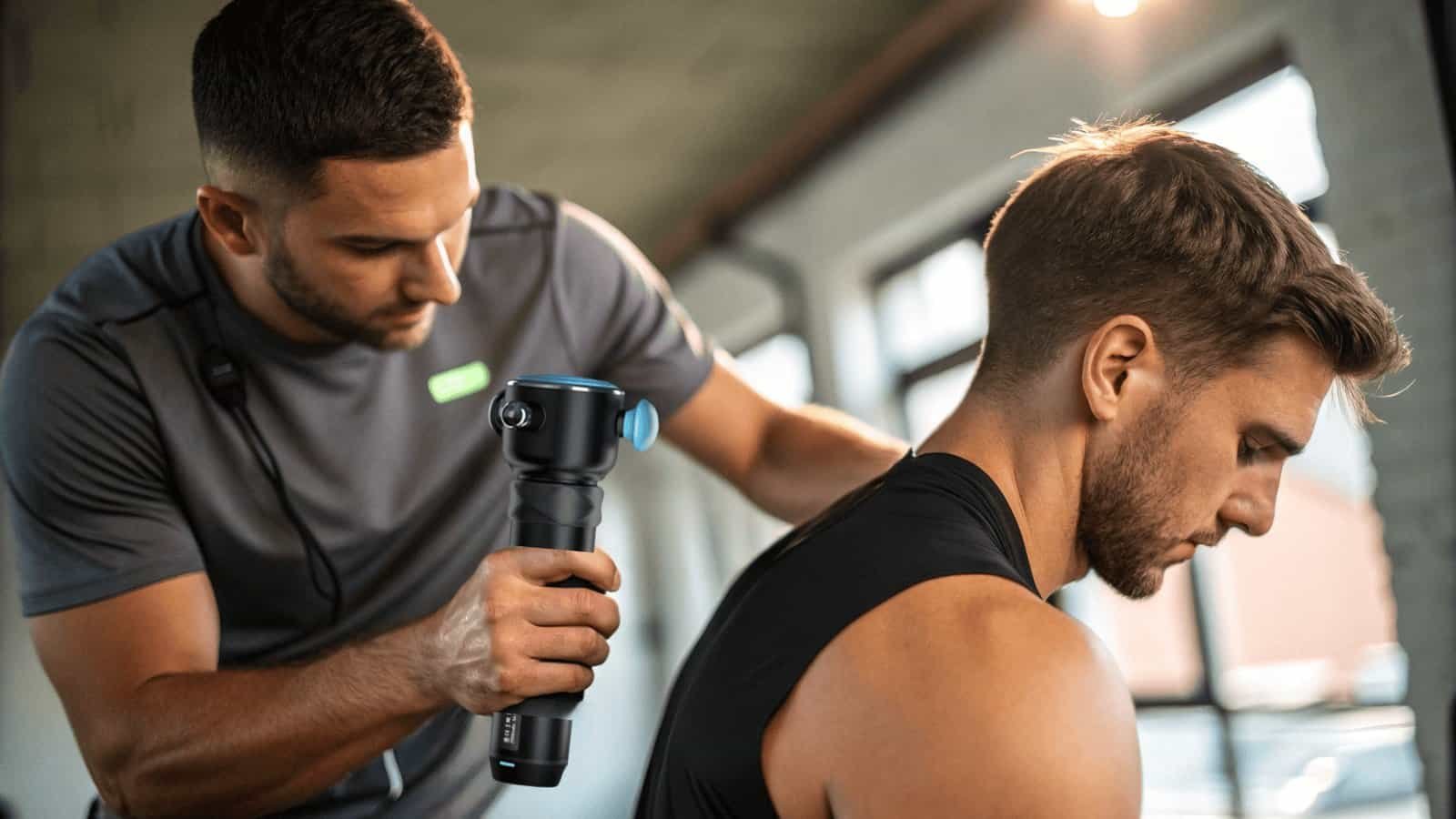
The way we treat pain is changing fast. Old methods took longer and sometimes hurt more. Now we have better options. Keep reading to learn how these new tools solve old problems.
What is the difference between physiotherapy and physical therapy?
Many people get confused by these two terms. The truth is simpler than you think.
Physiotherapy and physical therapy are the same thing. Different countries use different names. Both help people move better and reduce pain through exercises and special treatments.

The words come from different medical traditions:
- Physiotherapy: More common in Europe and Commonwealth countries
- Physical therapy: Preferred term in the United States
Key similarities:
- Same education requirements
- Same treatment methods
- Same goals for patients
Modern tools like rapid release therapy guns2 work the same way in both fields. The 3D vibration technology3 helps no matter what you call the treatment.
What are the four main types of physical therapy?
Not all physical therapy works the same way. Different problems need different approaches.
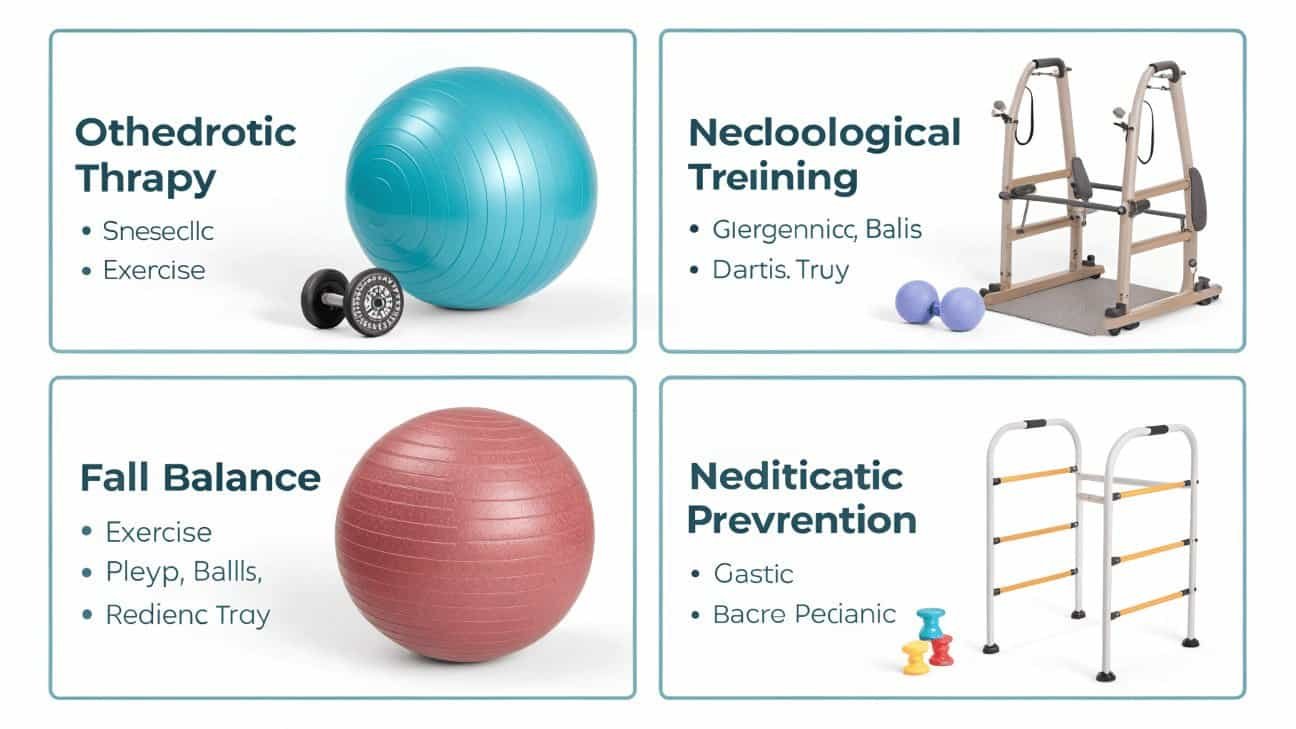
The four main types are orthopedic, neurological, pediatric, and geriatric physical therapy4. Each type focuses on specific patient needs and uses different treatment methods.
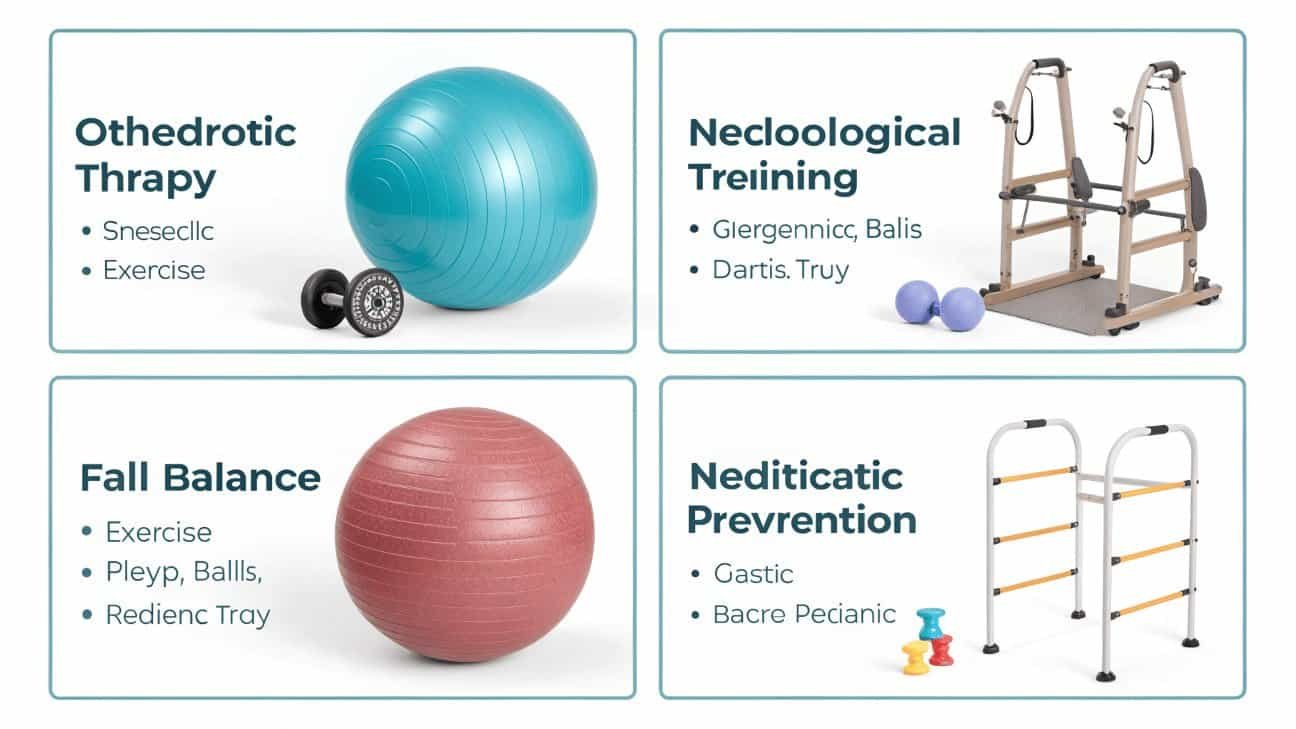
Let’s look deeper at each type:
-
Orthopedic Physical Therapy
- For: Muscle and bone injuries
- Tools: Exercise, massage, therapy guns
- Example: Knee surgery recovery
-
Neurological Physical Therapy
- For: Brain and nerve conditions
- Tools: Balance training, coordination exercises
- Example: Stroke recovery
-
Pediatric Physical Therapy
- For: Children with movement problems
- Tools: Play-based exercises
- Example: Cerebral palsy treatment
-
Geriatric Physical Therapy
- For: Older adults
- Tools: Fall prevention, strength training
- Example: Arthritis pain relief
New vibration tools help all four types. The rapid release technology works for muscle recovery and nerve pain.
Which is better for back pain, a chiropractor or a physiotherapist?
Back pain sufferers often face this choice. The answer depends on your specific problem.
For most back pain, physiotherapy works better long-term. Chiropractors adjust joints quickly, while physiotherapists teach lasting movement solutions5. New vibration tools combine both benefits safely.
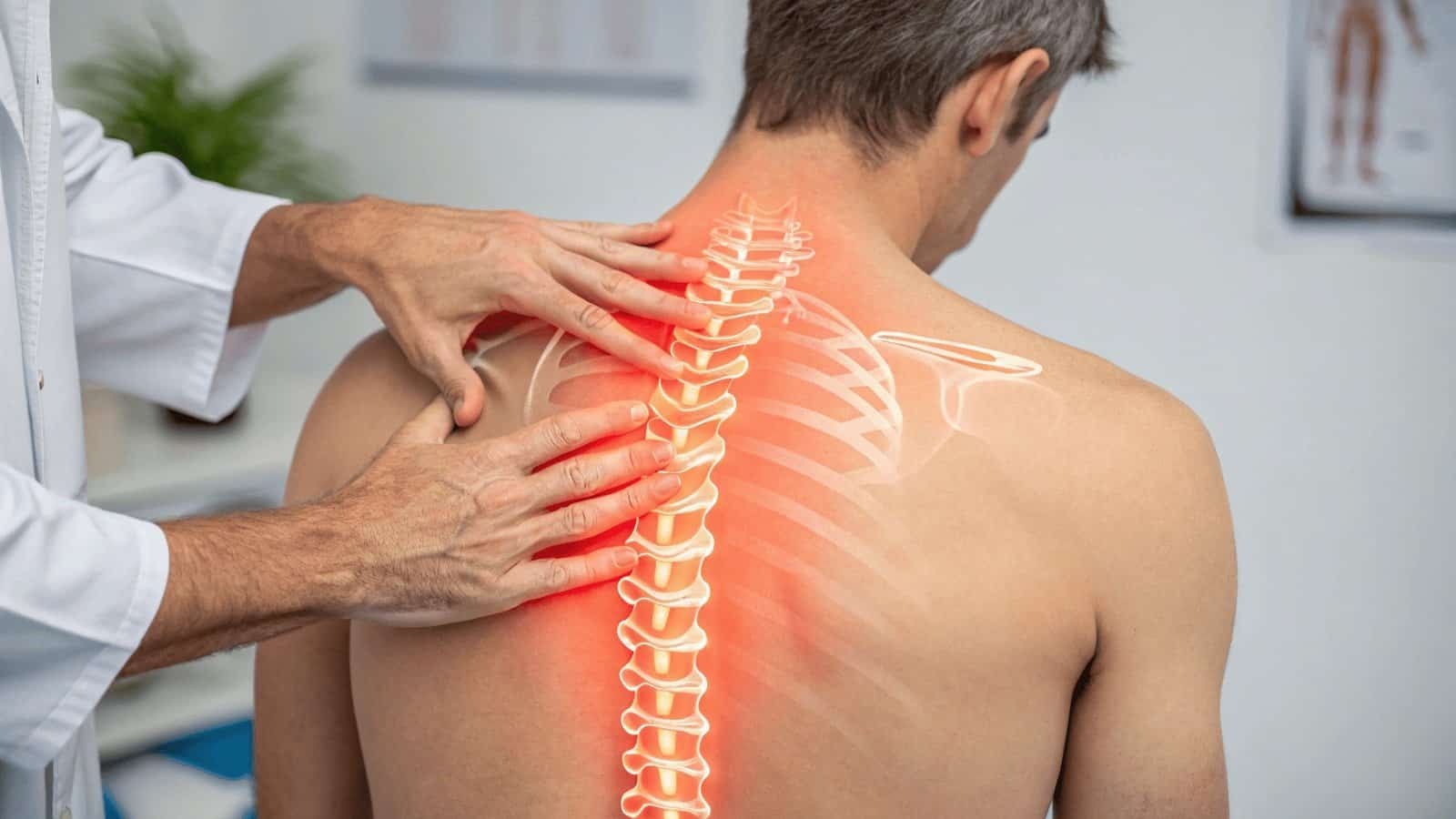
Here’s why physiotherapy often wins:
Chiropractor Pros:
- Quick joint relief
- Immediate results
Physiotherapist Pros:
- Lasting solutions
- Whole-body approach
- Prevention focus
New technology advantages:
- 3D vibration reaches deep muscles
- Low amplitude (2-3.5mm) is safer than cracking
- Works while you relax (no forceful adjustments)
The rapid release therapy gun helps both:
- Loosens tight back muscles
- Activates core stabilizers
- No spinal manipulation needed
Conclusion
Physical therapy keeps improving with new tools. Fast vibration devices now offer safer, more effective pain relief and recovery.
-
Explore how high-speed tools enhance recovery and pain relief in physical therapy. ↩
-
Learn about the benefits of rapid release therapy guns in treating muscle and nerve pain. ↩
-
Find out how 3D vibration technology is revolutionizing physical therapy treatments. ↩
-
Discover the different types of physical therapy and their specific applications for various conditions. ↩
-
Understand how lasting movement solutions can provide long-term relief from pain and improve mobility. ↩