Waking up with stabbing heel pain1? You’re not alone. Plantar fasciitis2 affects millions, turning simple steps into painful challenges.
Plantar fasciitis occurs when the thick band of tissue connecting your heel to toes becomes inflamed. Proper treatment combines rest, stretching, and targeted therapy to promote healing and prevent recurrence.
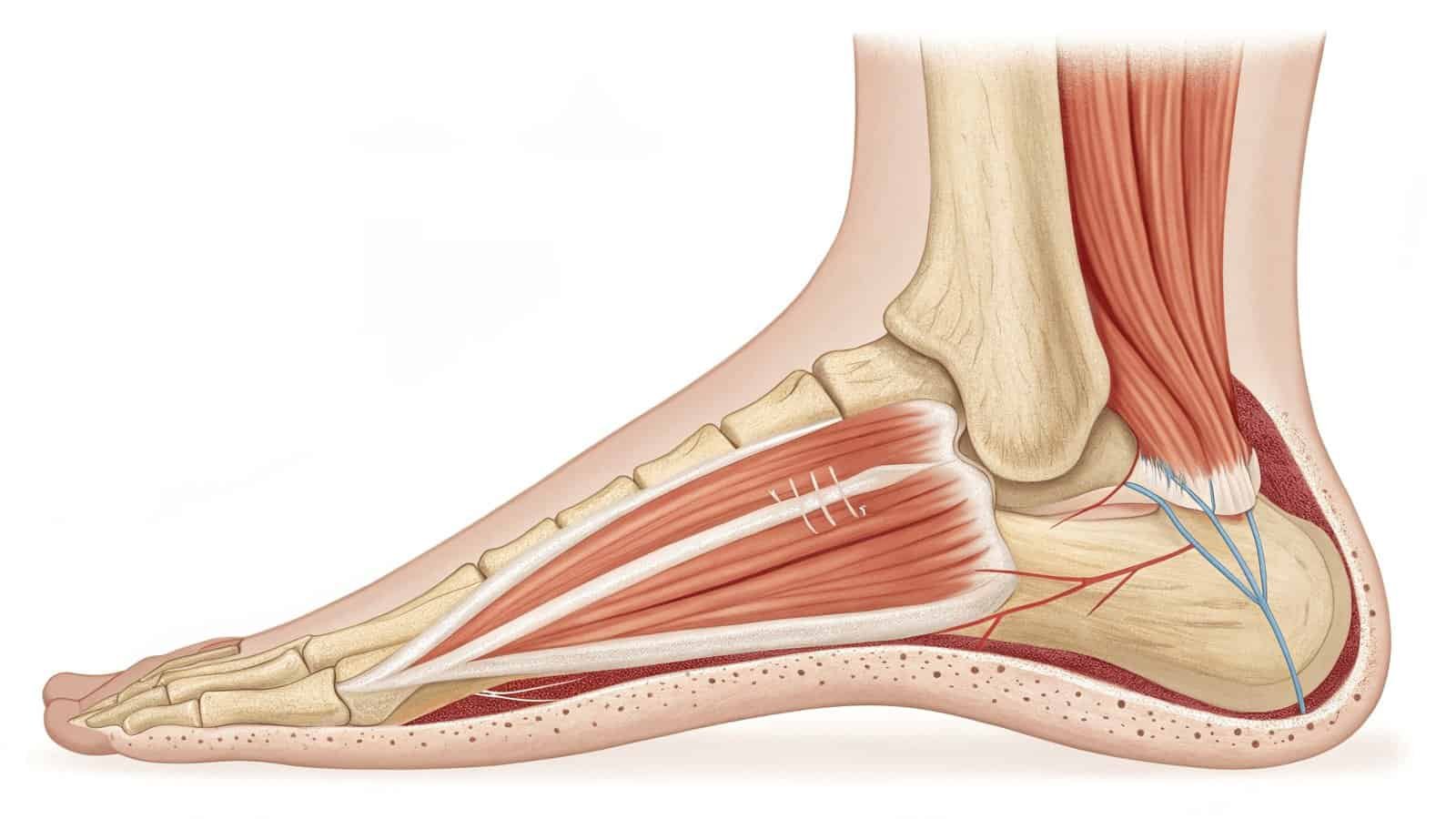
Understanding what causes this condition is the first step toward effective treatment. Let’s examine why your feet hurt and how to fix it.
Symptoms, Causes, and Treatments?
That first morning step feels like walking on needles? These telltale signs signal plantar fasciitis needs attention.
Key symptoms include sharp heel pain3, especially after rest periods. Treatment focuses on reducing inflammation through ice, rest, stretching, and specialized therapy devices for lasting relief.
Understanding the Pain Cycle
Plantar fasciitis develops through three stages:
| Stage | Characteristics | Recommended Action |
|---|---|---|
| Acute | Sharp morning pain, improves with movement | Rest, ice, gentle stretching |
| Chronic | Constant dull ache, worse after activity | Targeted therapy, orthotics |
| Recurrent | Periodic flare-ups | Maintenance routine, preventive care |
The condition often stems from:
- Excessive running or jumping
- Poor footwear support
- Tight calf muscles
- Abnormal foot mechanics
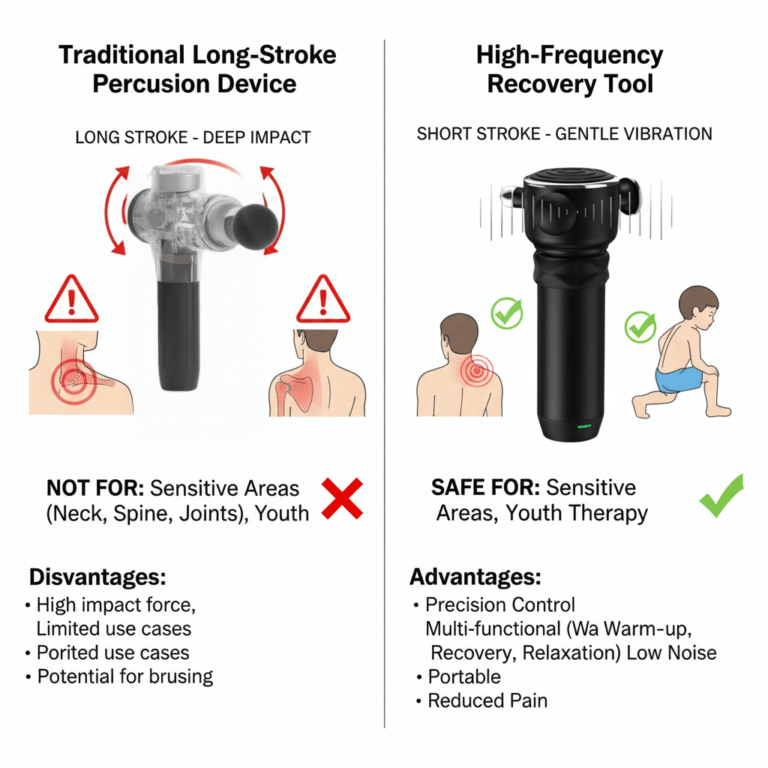
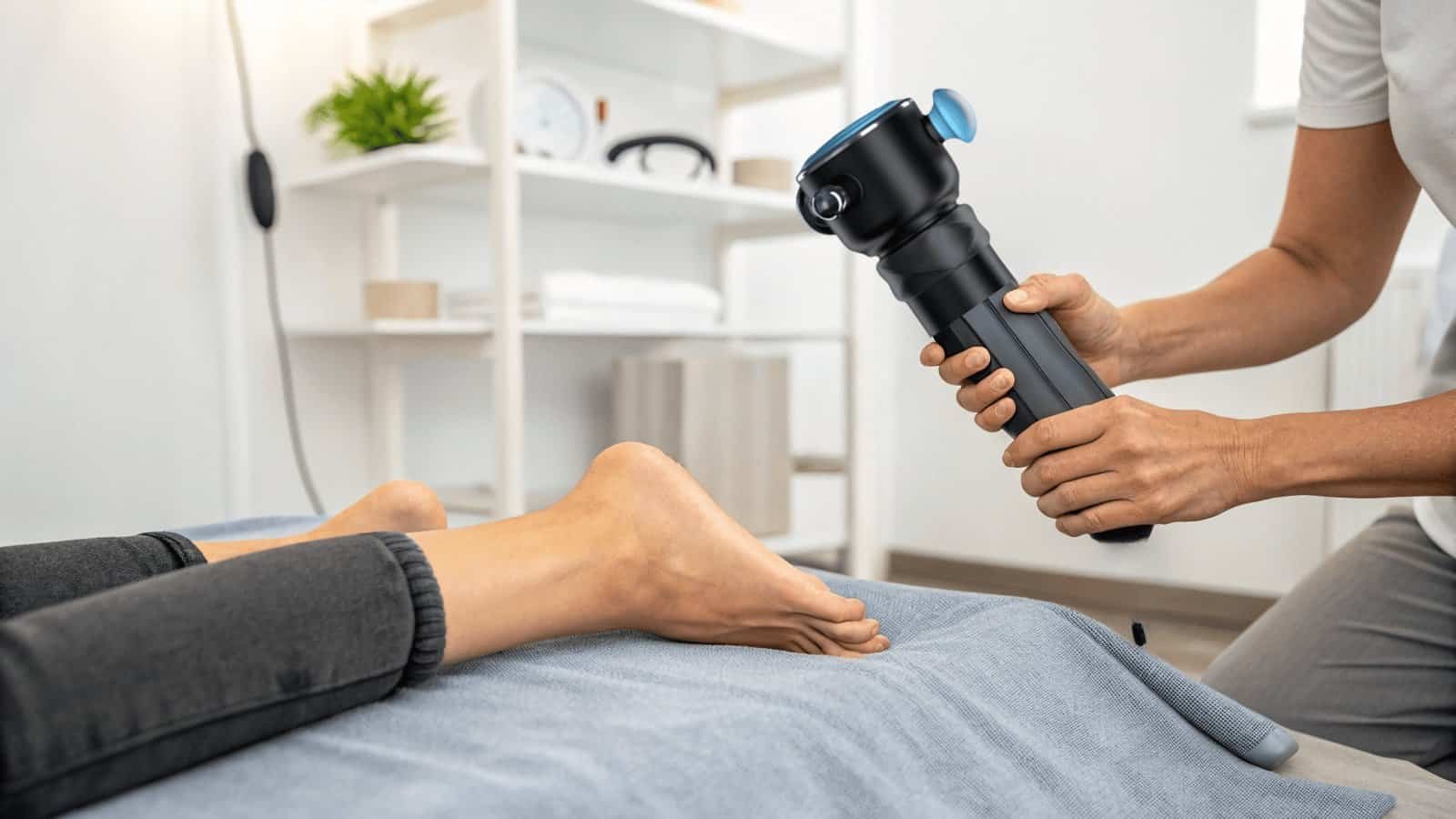
Our YD023 therapy gun combines two treatment approaches:
- Broad muscle relaxation (16mm amplitude)
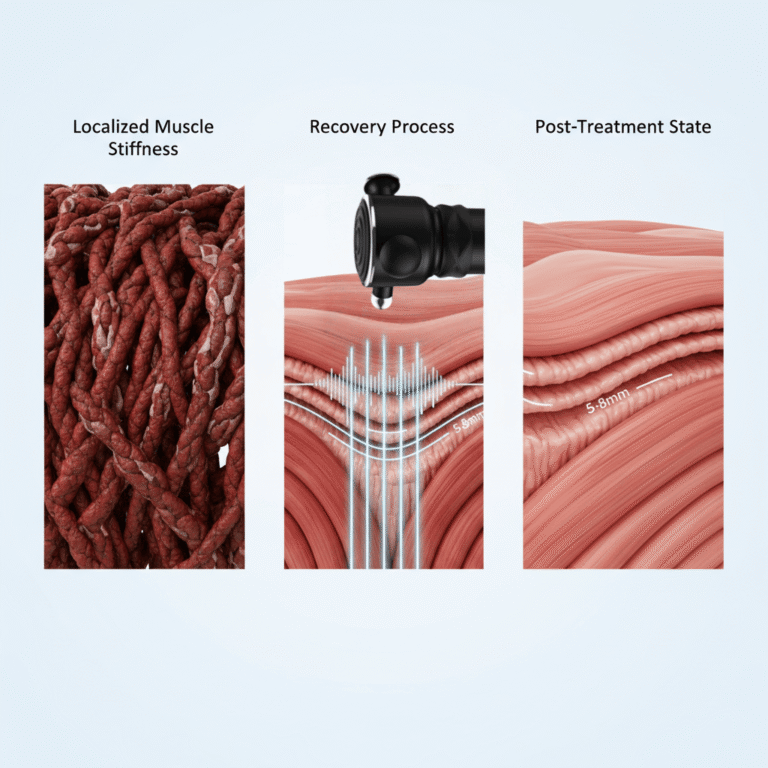
- Precise fascial release (2mm 3D vibrations reaching 6-8mm depth)
This dual-action technology addresses both the large muscle groups and deeper fascial layers that contribute to plantar pain. Unlike traditional massage guns that only treat surface muscles, our 3D vibration technology penetrates to the inflamed fascia for more complete relief.
Affected Areas and Causes of Plantar Fasciitis?
Why does your foot hurt in specific spots? The answer lies in your unique movement patterns and anatomy.
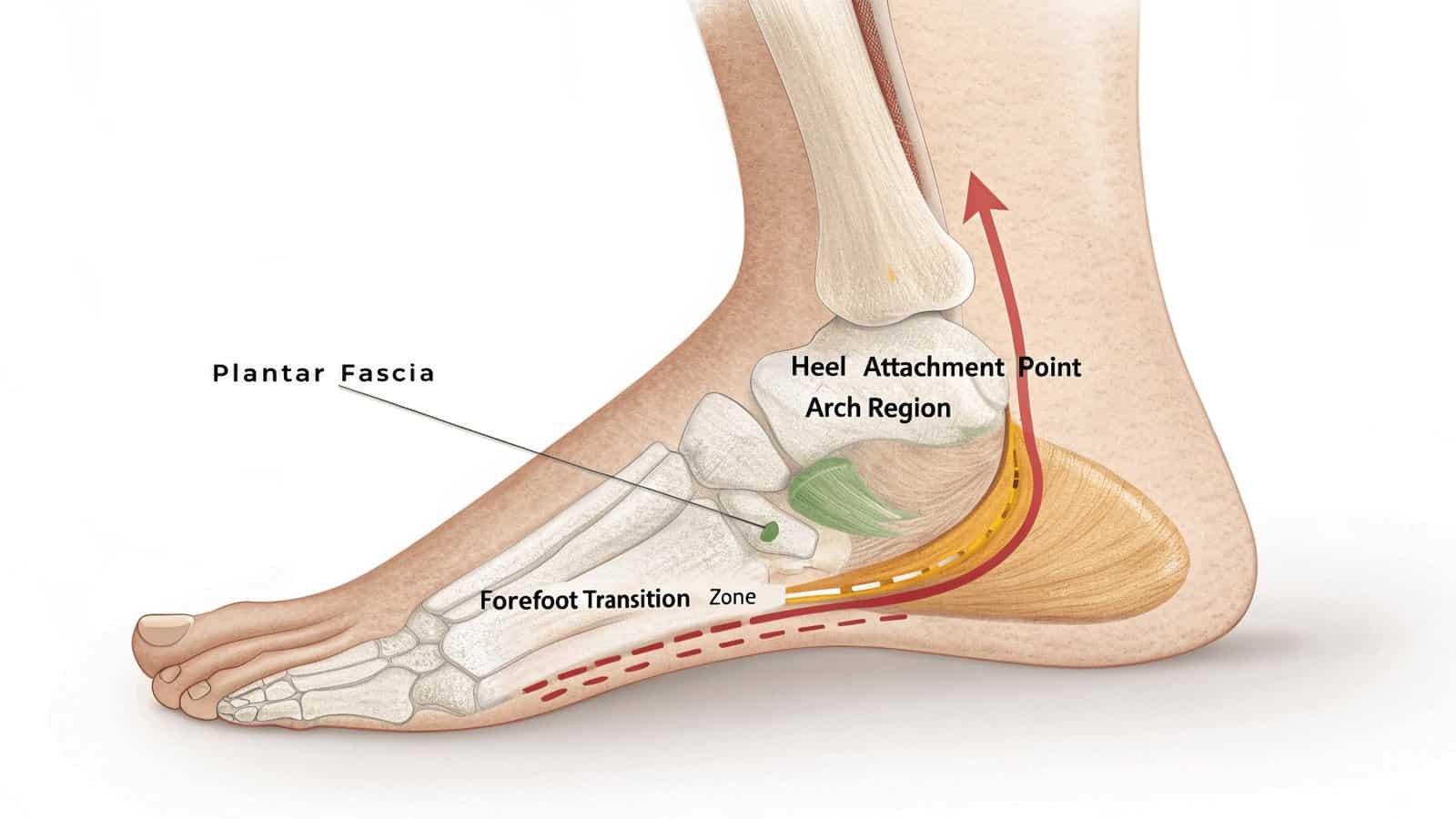
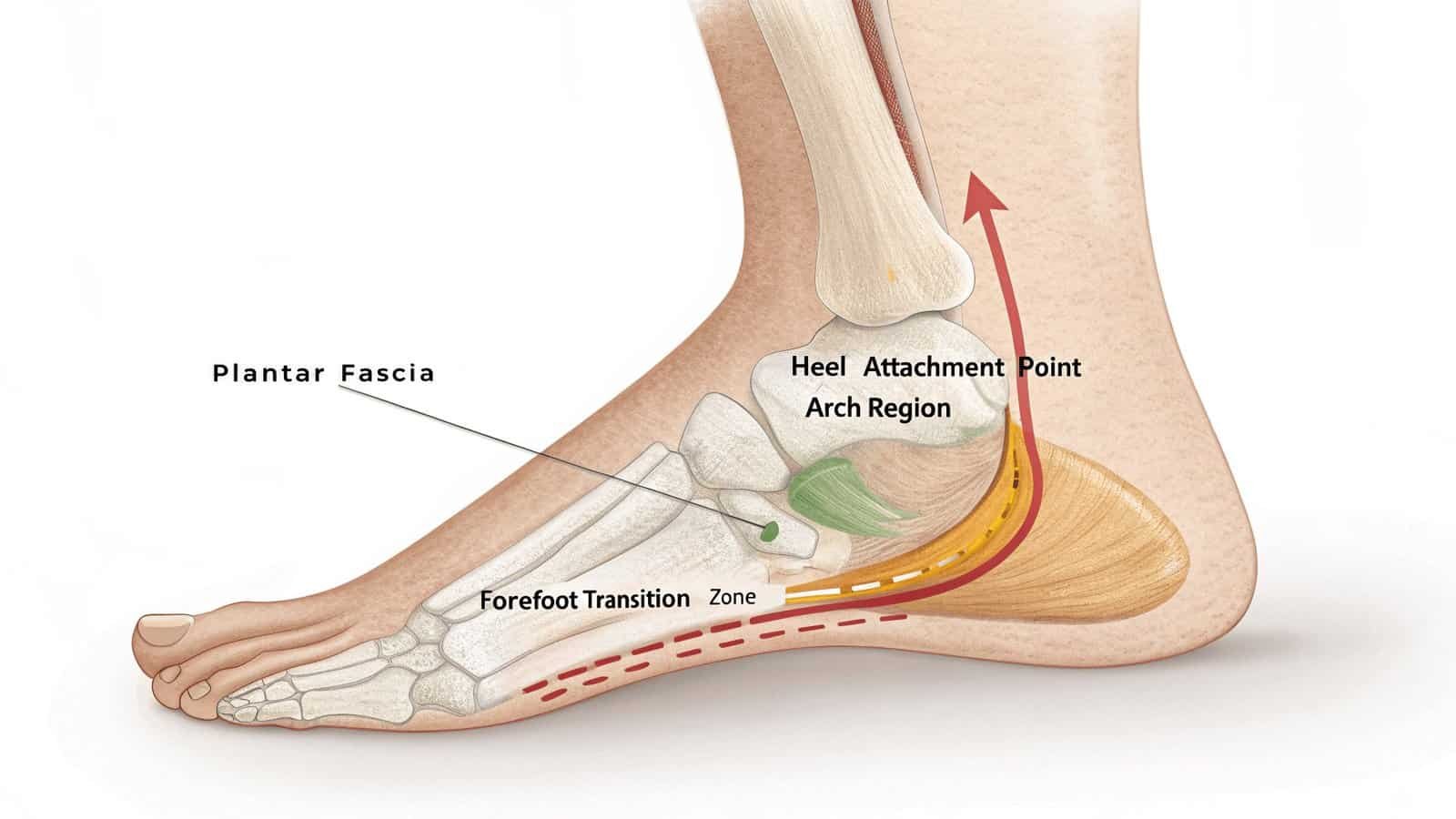
The plantar fascia absorbs shock during movement. Overuse, poor mechanics, or sudden increases in activity strain this tissue, causing microtears and inflammation at its weakest points.
Critical Stress Zones
The plantar fascia suffers most at these key locations:
1. Heel Attachment Point
- Bears maximum tension during push-off
- Poor cushioning increases impact forces
- Our therapy gun’s rapid pulses (4000-6500 RPM) break pain cycles here
2. Arch Region
- Collapsed arches overstretch the fascia
- High-frequency vibrations improve tissue elasticity
- 3D motion stimulates blood flow for healing
3. Forefoot Transition Zone
- Where fascia fibers fan out
- Requires precise 2mm amplitude treatment
- Horizontal+vertical vibrations address multidirectional stiffness
Common aggravating factors include:
- Sudden weight gain
- Prolonged standing on hard surfaces
- Worn-out athletic shoes
- Tight Achilles tendons
The YD023’s unique design combines broad muscle relaxation with focused fascial treatment. First, the 16mm stroke prepares large calf muscles. Then, the precision head delivers 3D vibrations4 exactly where needed. This sequential approach mimics professional therapy protocols you’d receive in a clinic.
Conclusion
Plantar fasciitis requires targeted treatment addressing both symptoms and causes. Proper care combines rest, stretching, and advanced therapy technology for complete recovery and prevention.
-
This resource will provide insights into the causes of heel pain and various treatment options, essential for understanding and addressing your discomfort. ↩
-
Explore this link to discover effective treatments and management strategies for Plantar fasciitis, helping you alleviate pain and regain mobility. ↩
-
Learn more about the causes of sharp heel pain and find solutions to alleviate your discomfort. ↩
-
Exploring the benefits of 3D vibrations can enhance your recovery strategies and optimize your therapy sessions. ↩