Do you wake up with stabbing heel pain? Plantar fasciitis affects millions, but most treatments fail to address the root cause. The pain can last for months without proper care.
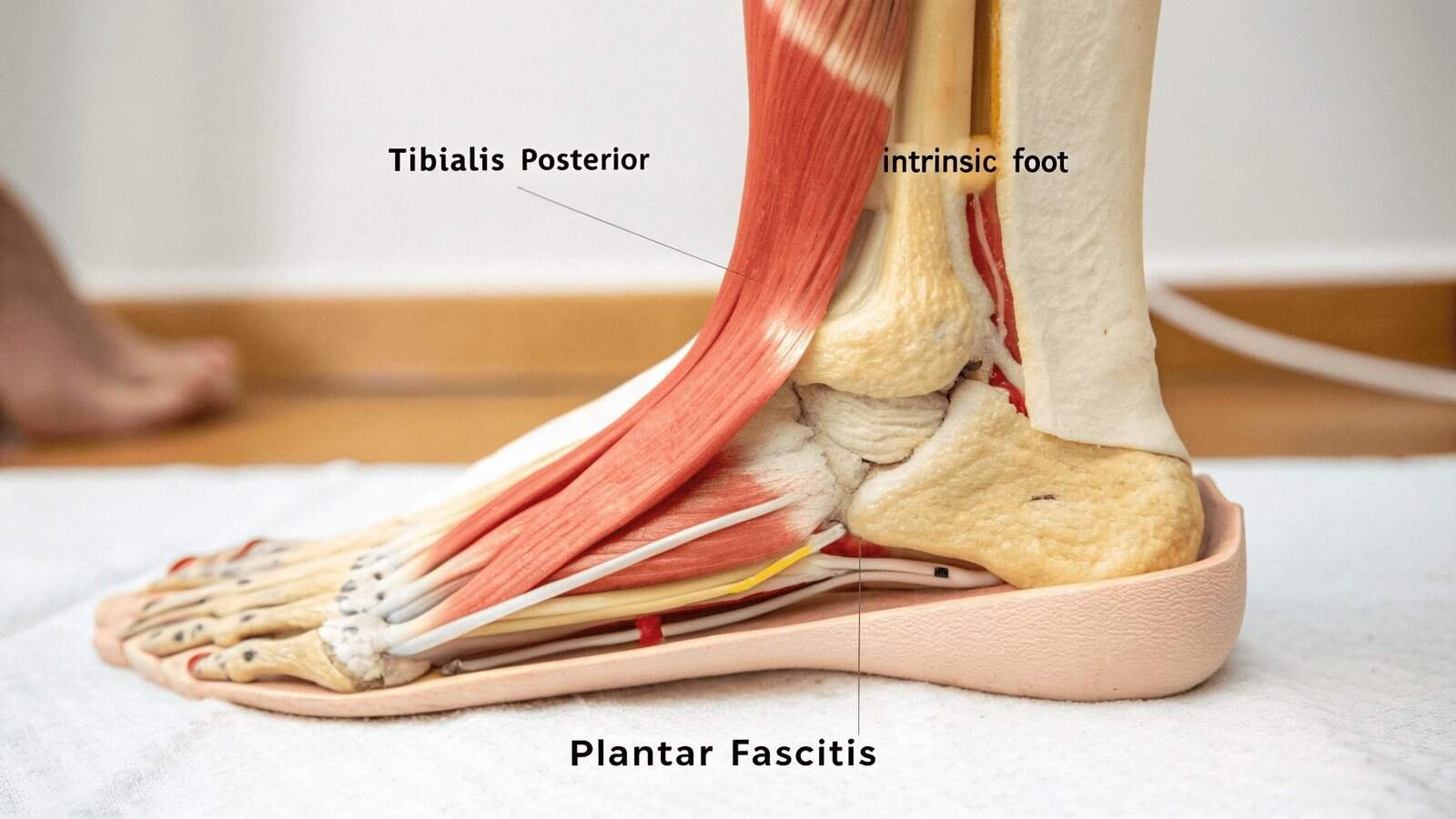
Plantar fasciitis1 occurs when the thick band of tissue connecting your heel to toes becomes inflamed. Proper treatment combines muscle relaxation2 with targeted fascia release for lasting relief.
Ignoring plantar fasciitis can lead to chronic pain. Many sufferers waste months on ineffective treatments before finding real solutions. The right approach combines immediate relief with long-term healing.
What is the root cause of plantar fasciitis3?
That morning heel pain doesn’t happen by accident. Plantar fasciitis develops when repetitive strain damages the thick tissue under your foot.
The main cause is excessive tension in the plantar fascia combined with tight calf muscles4. This creates constant pulling on your heel bone, leading to inflammation and micro-tears.
Several factors contribute to this condition:
- Biomechanical issues5: Flat feet or high arches change how weight distributes across your foot
- Muscle imbalances6: Tight calves increase strain on the plantar fascia
- Activity patterns: Sudden increases in walking or running distance
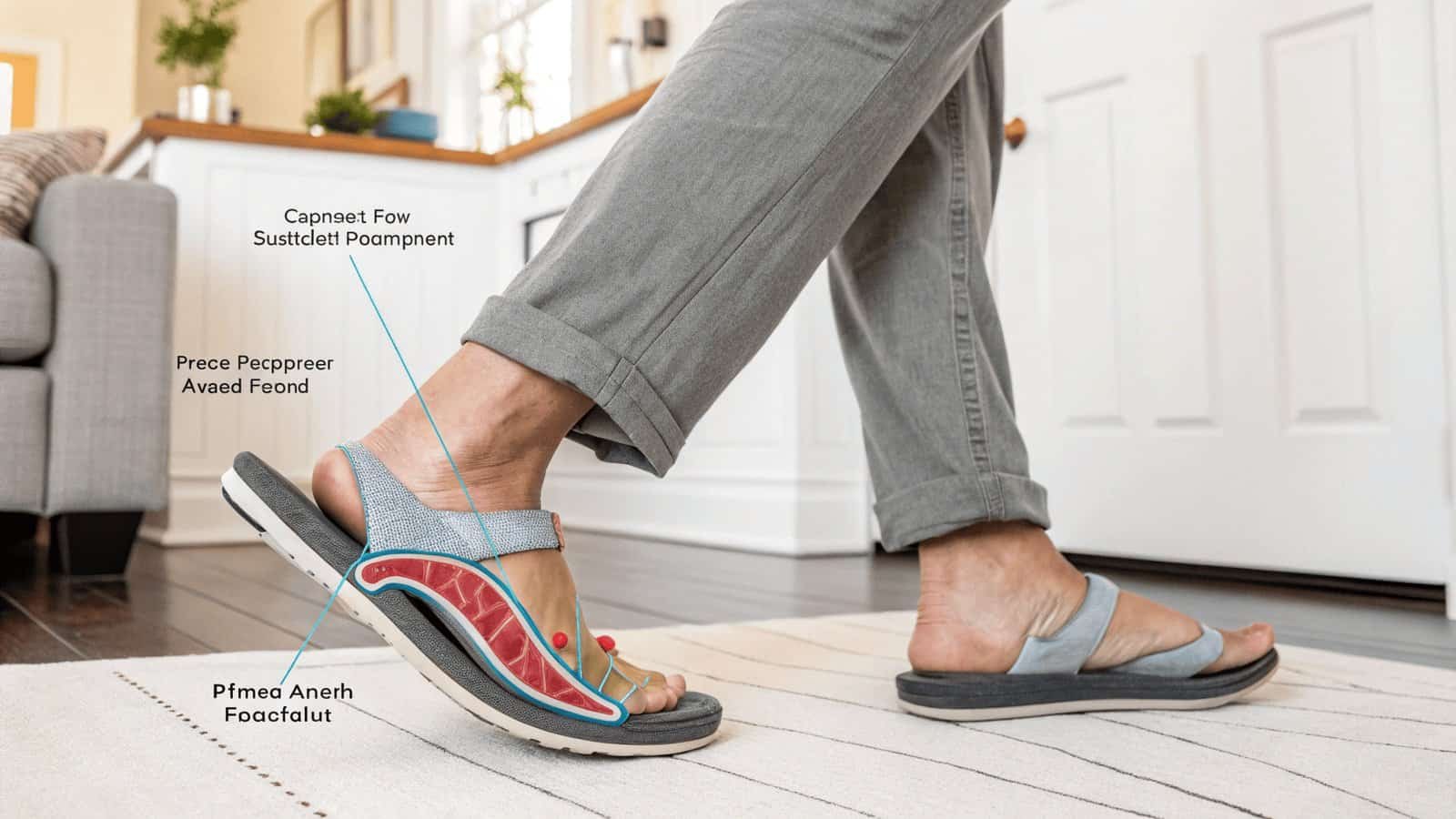
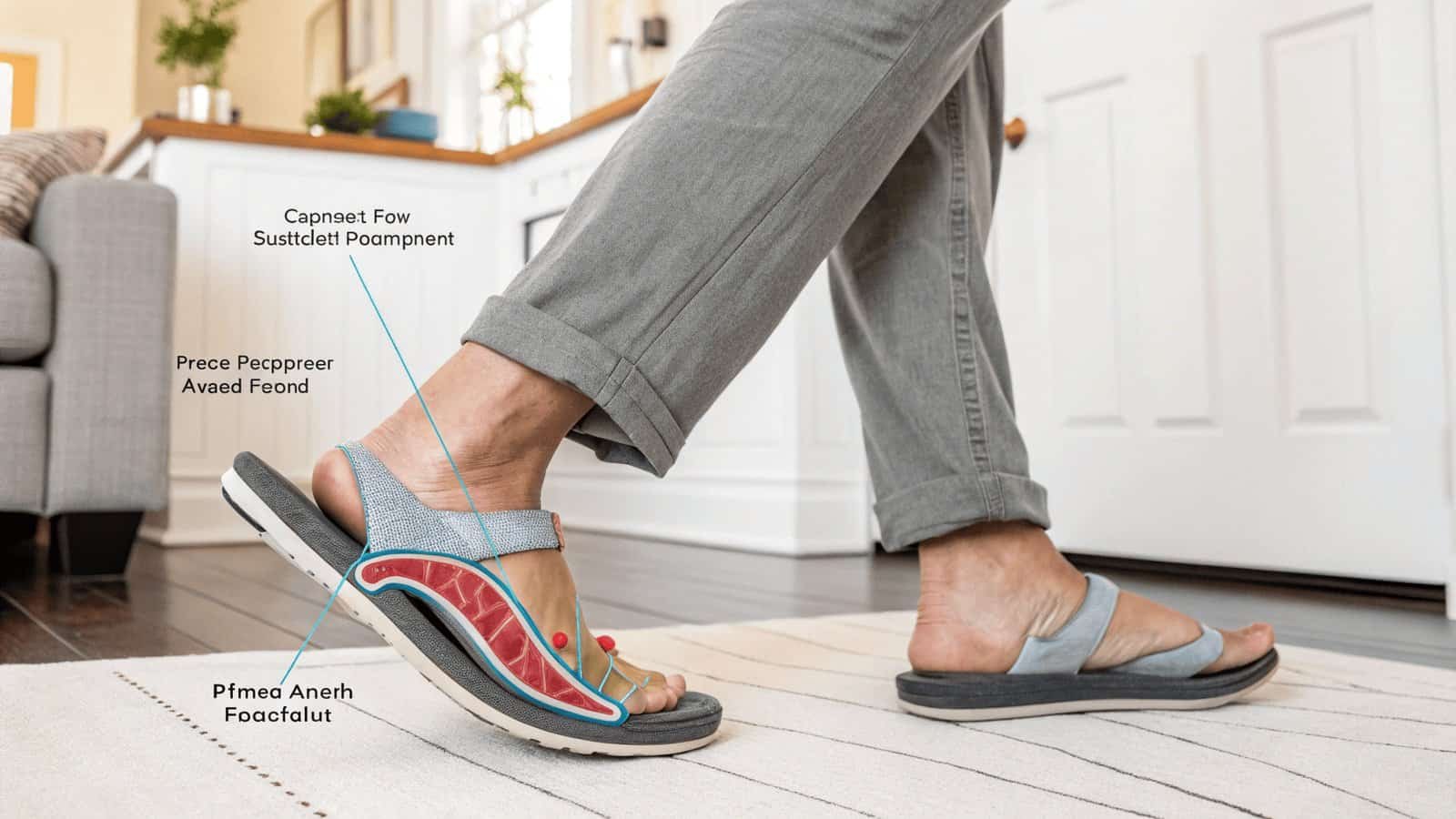
- Footwear choices: Shoes without proper arch support
The key is addressing both the fascia and surrounding muscles. Most treatments focus only on one aspect, which explains why they often fail. A complete solution requires:
- Releasing tension in calf muscles
- Breaking up adhesions in the plantar fascia
- Improving foot mechanics
What’s the worst thing you can do for plantar fasciitis?
Many sufferers unknowingly make their condition worse. Some common mistakes actually delay healing and increase pain.
Continuing high-impact activities while ignoring pain is the worst approach. Rest alone won’t heal plantar fasciitis – you need active recovery with proper techniques.
These practices worsen plantar fasciitis:
| Mistake | Why It’s Bad | Better Alternative |
|---|---|---|
| Walking barefoot | Removes all arch support | Wear supportive slippers indoors |
| Stretching cold | Can tear inflamed tissue | Warm up first with massage |
| Only using ice | Reduces inflammation but doesn’t fix cause | Combine with targeted therapy |
| Ignoring calf tightness | Maintains tension on fascia | Daily calf release exercises |
The biggest error is treating only symptoms without fixing the underlying mechanical issues. Pain relief should come with functional improvement.
What is the fastest way to treat plantar fasciitis?
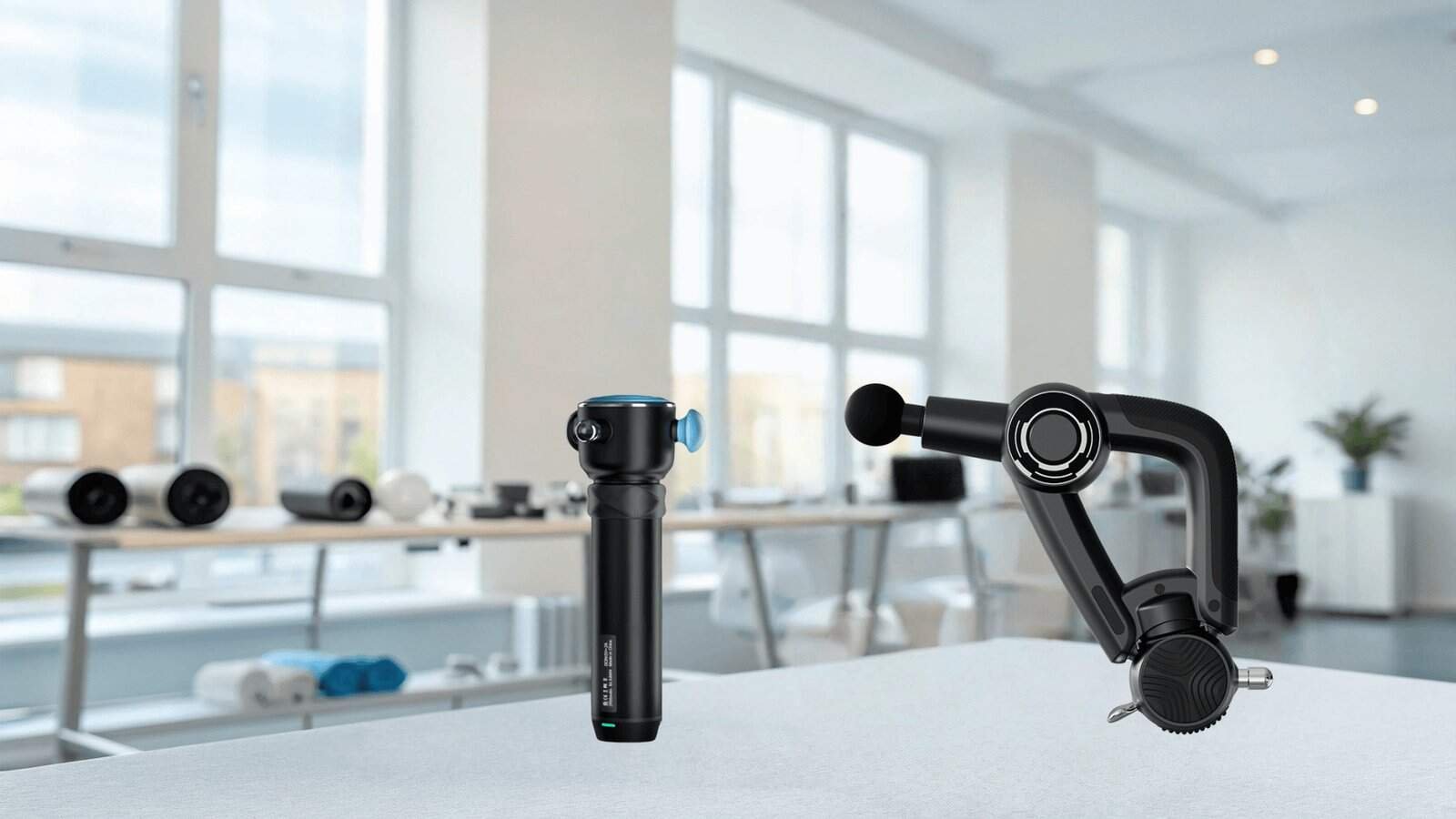
Effective treatment requires a multi-step approach. The YD023 therapy gun combines two treatment modalities for faster results.
For fastest relief, alternate between deep muscle relaxation and precise fascia release. The YD023’s dual-action design addresses both aspects in one device.
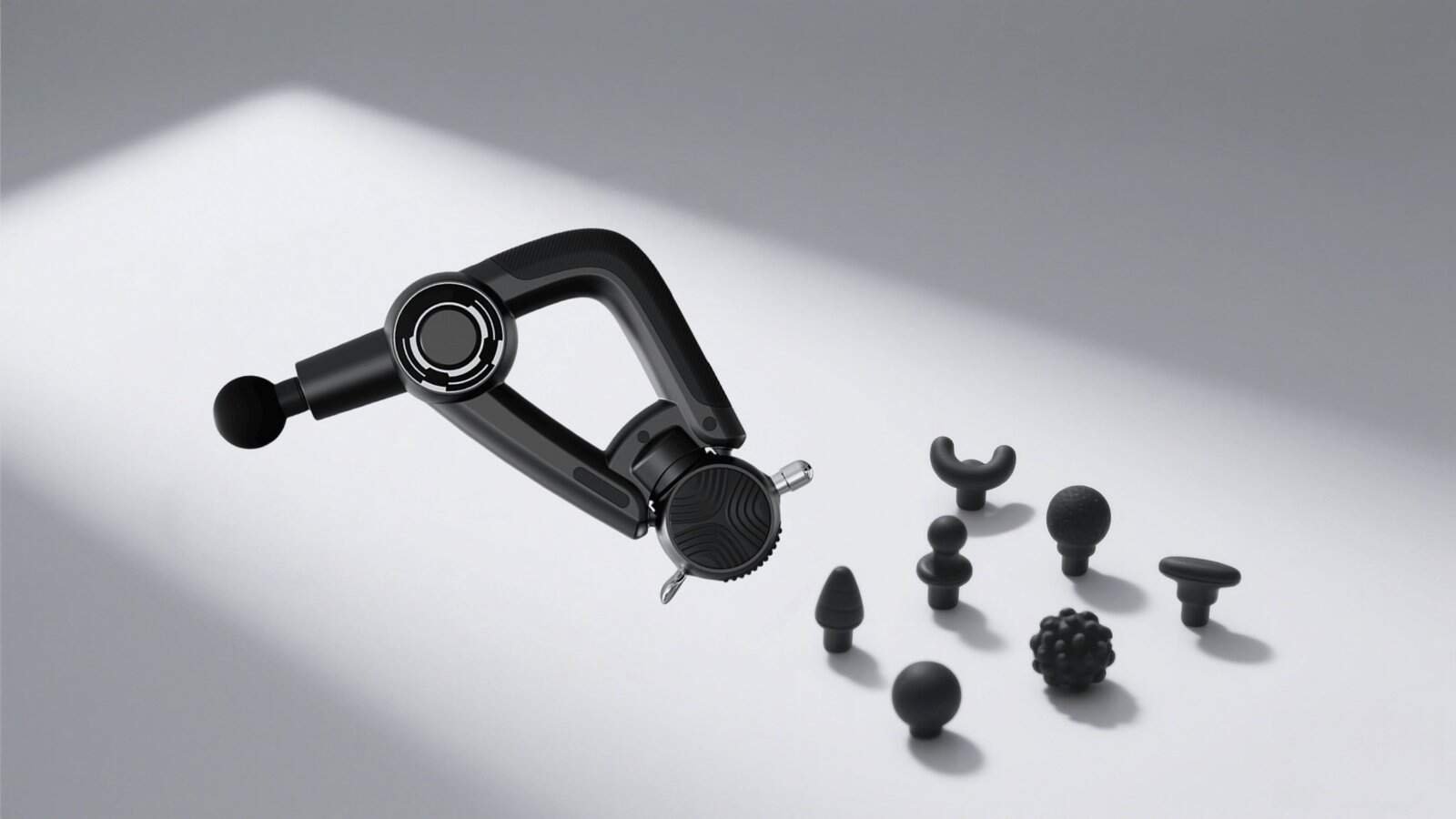
The optimal treatment protocol:
-
Muscle Preparation (4 minutes)
- Use 16mm stroke setting on calf muscles (2 minutes)
- Switch to plantar surface (2 minutes)
-
Fascia Release7 (5-6 minutes)
- Apply therapy gun on plantar fascia (3-4 minutes)
- Focus on painful areas (1-2 minutes)
Key benefits of this approach:
- 3D vibration reaches deeper tissue layers
- High frequency breaks up adhesions
- Low amplitude ensures comfort
- Combats both muscle tightness8 and fascial restrictions
Unlike traditional methods, this provides immediate pain reduction while promoting long-term healing. The compact design allows easy access to foot and calf areas.
Conclusion
Plantar fasciitis requires treating both muscles and fascia. The right combination of therapies brings faster relief and lasting results.
-
Explore this link to discover effective treatments and insights on managing Plantar fasciitis for long-term relief. ↩
-
Learn how muscle relaxation techniques can alleviate heel pain and improve your overall foot health. ↩
-
Explore this link to discover effective treatments and expert advice for managing plantar fasciitis. ↩
-
Learn how tight calf muscles can affect your foot health and discover stretching techniques to alleviate pain. ↩
-
Understanding biomechanical issues can help you prevent foot problems and improve overall health. ↩
-
Exploring muscle imbalances can provide insights into effective treatment strategies for plantar fasciitis. ↩
-
Explore this link to discover effective techniques for fascia release that can enhance your recovery from plantar fasciitis. ↩
-
This resource offers valuable insights and methods to alleviate muscle tightness, improving your overall foot health. ↩