
Plantar fasciitis1 is a common cause of debilitating heel pain2, often overlooked until it interferes with daily life.
Plantar fasciitis is caused by inflammation of the plantar fascia, the thick band of tissue connecting the heel bone to the toes. Symptoms include sharp heel pain, especially after rest or exercise.
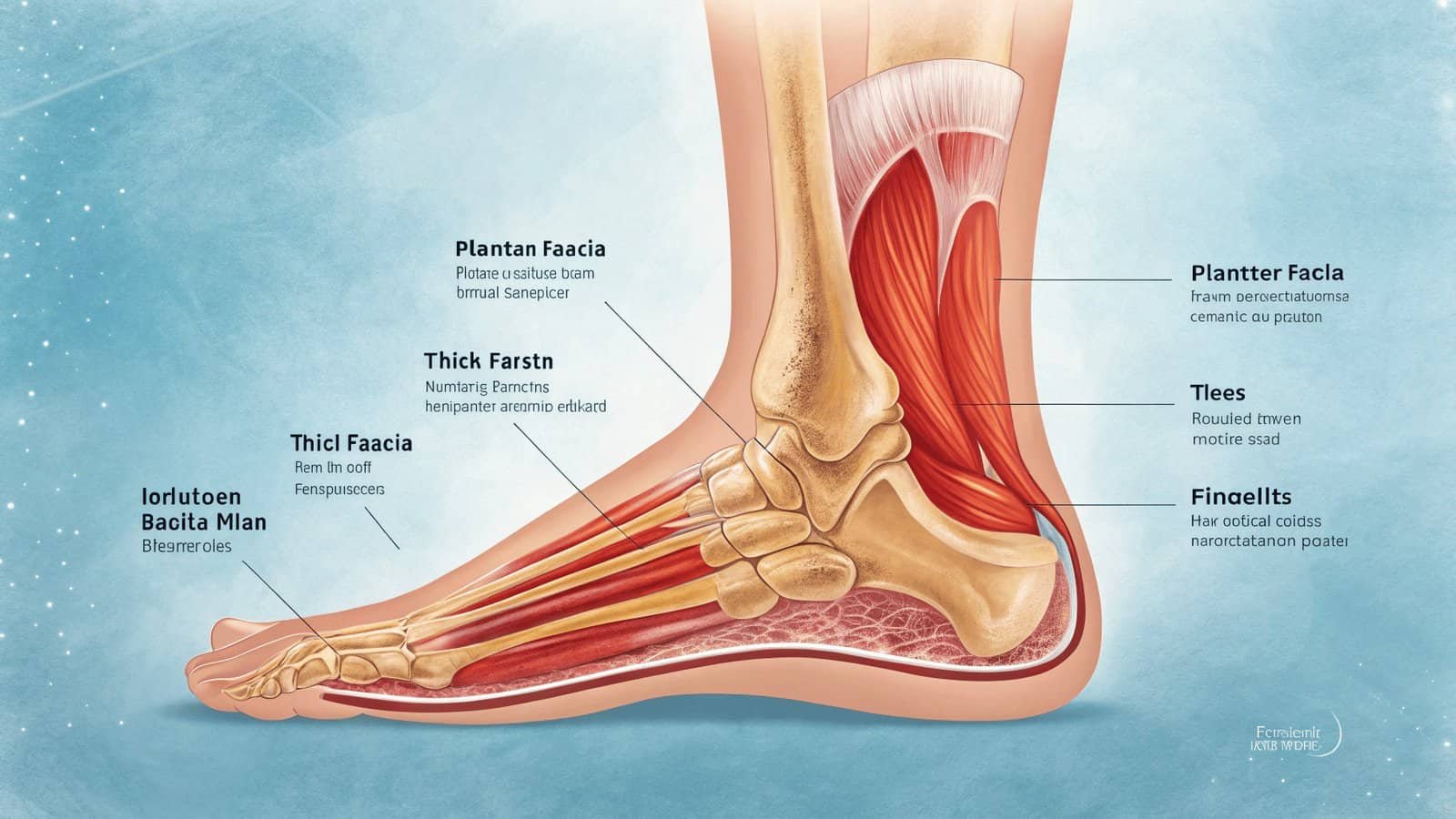
Understanding the root causes helps in managing the pain effectively. Overuse, improper footwear, and misalignments can contribute to this condition. Painless solutions range from exercise to specialized equipment, offering relief without immediate professional intervention. This brings us to the options available for treatment and pain management.
Plantar Fasciitis Causes & Treatments: Foot Pain Solutions?
Persistent foot pain can disrupt daily activities, making exercise challenging and frustrating.
Treatment methods for plantar fasciitis include rest, stretching exercises, footwear modifications3, and physical therapy. These help alleviate pain and reduce inflammation.

Recovery involves understanding chronic strains and swift action. New portable therapeutic devices can handle injuries efficiently, providing specialized care immediately. Pain relief no longer requires waiting for therapy appointments, especially for chronic conditions4. But, persistent problems require ongoing treatment. Timely intervention can prevent minor injuries from escalating, ensuring quality of life is maintained.
How does plantar fasciitis affect other joints in the body?
Foot health impacts overall physical well-being, and plantar fasciitis may influence more than just the foot.
Plantar fasciitis can indirectly affect knees, hips, and back because altered foot mechanics change how joints function. This may lead to compensatory injuries.
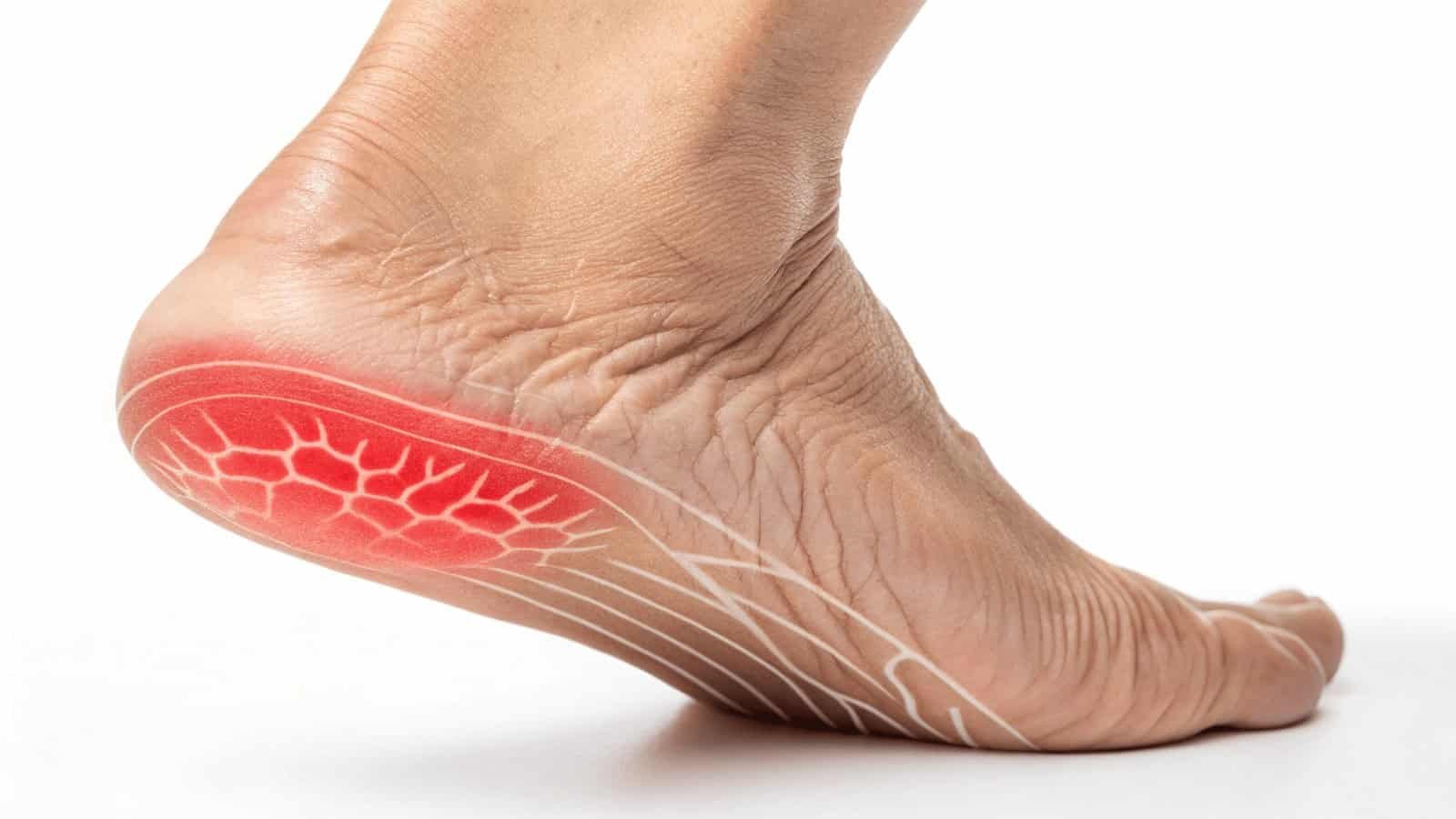
The connection between foot pain and joint problems5 highlights the body’s interconnected systems. Poor foot alignment can lead to improper gait, causing stress on other joints. Continuous incorrect posture can start causing strain across various parts of the body. Addressing the root issue promptly is essential to preventing secondary injuries. Understanding this link allows for better management of pain and improves the strength and resilience of essential joints.
In plantar fasciitis6, does the fascia hurt to the touch?
Understanding pain levels aids in comprehending injury severity and tailoring appropriate treatment methods.
In plantar fasciitis, the fascia may be tender when touched due to inflammation and micro-tears in the tissue.

The sensitivity is usually a marker of underlying tissue damage. Diagnosis often involves palpating the fascia to assess pain and stiffness levels. Vigorous activities can exacerbate the sensitivity, suggesting a need for temperature control, rest, and gentle stretching. Warm therapies and surface treatments can ease tenderness, allowing the tissue to heal progressively. Careful monitoring and intervention ensure a balanced recovery, reducing flare-ups.
Conclusion
Plantar fasciitis entails understanding symptoms and treatments to effectively manage heel pain, while also avoiding impact on other joints.
-
Exploring treatment options for Plantar fasciitis can help alleviate pain and improve mobility, enhancing your quality of life. ↩
-
Understanding the causes and remedies for heel pain can empower you to take proactive steps towards relief and recovery.
sciitis is caused by inflammation of the plantar fascia, the thick band of tissue connecting the heel bone to the toes. Symptoms include sharp heel pain, especially after rest or exercise. ↩ -
Discover how proper footwear can significantly alleviate foot pain and improve your overall comfort. ↩
-
Exploring innovative solutions for chronic conditions can enhance recovery and improve quality of life. ↩
-
Exploring this link can enhance your understanding of how foot health impacts overall joint function. ↩
-
Learning about plantar fasciitis can help you identify symptoms early and seek effective treatments. ↩