Many athletes struggle with muscle recovery1 after intense workouts. The pain of sore muscles can last for days, slowing down training progress. Rapid release technology offers a faster solution.
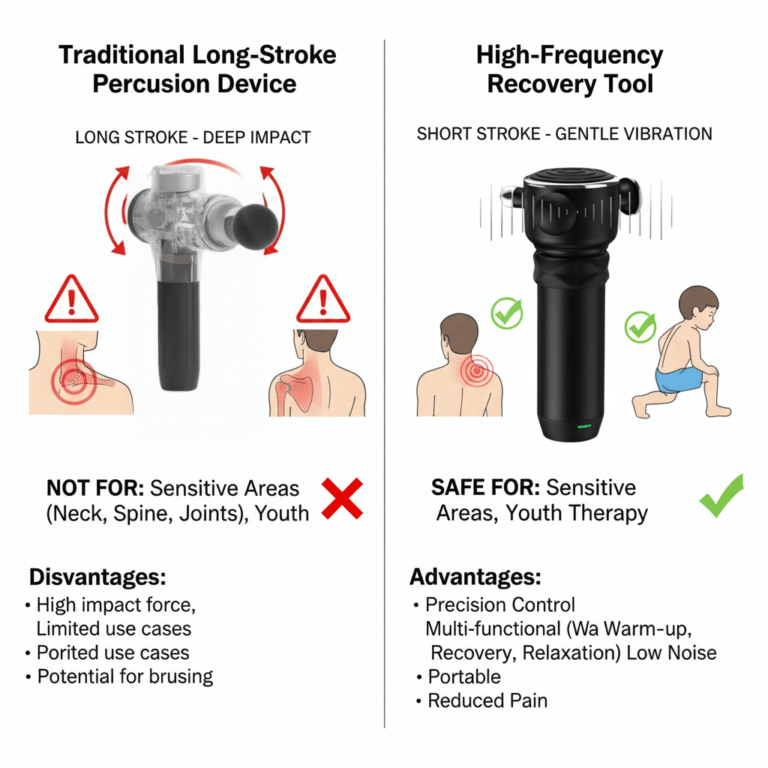
Rapid release devices provide quicker muscle recovery than traditional massage guns by targeting deep tissue more effectively with advanced vibration technology2, reducing soreness in half the time.
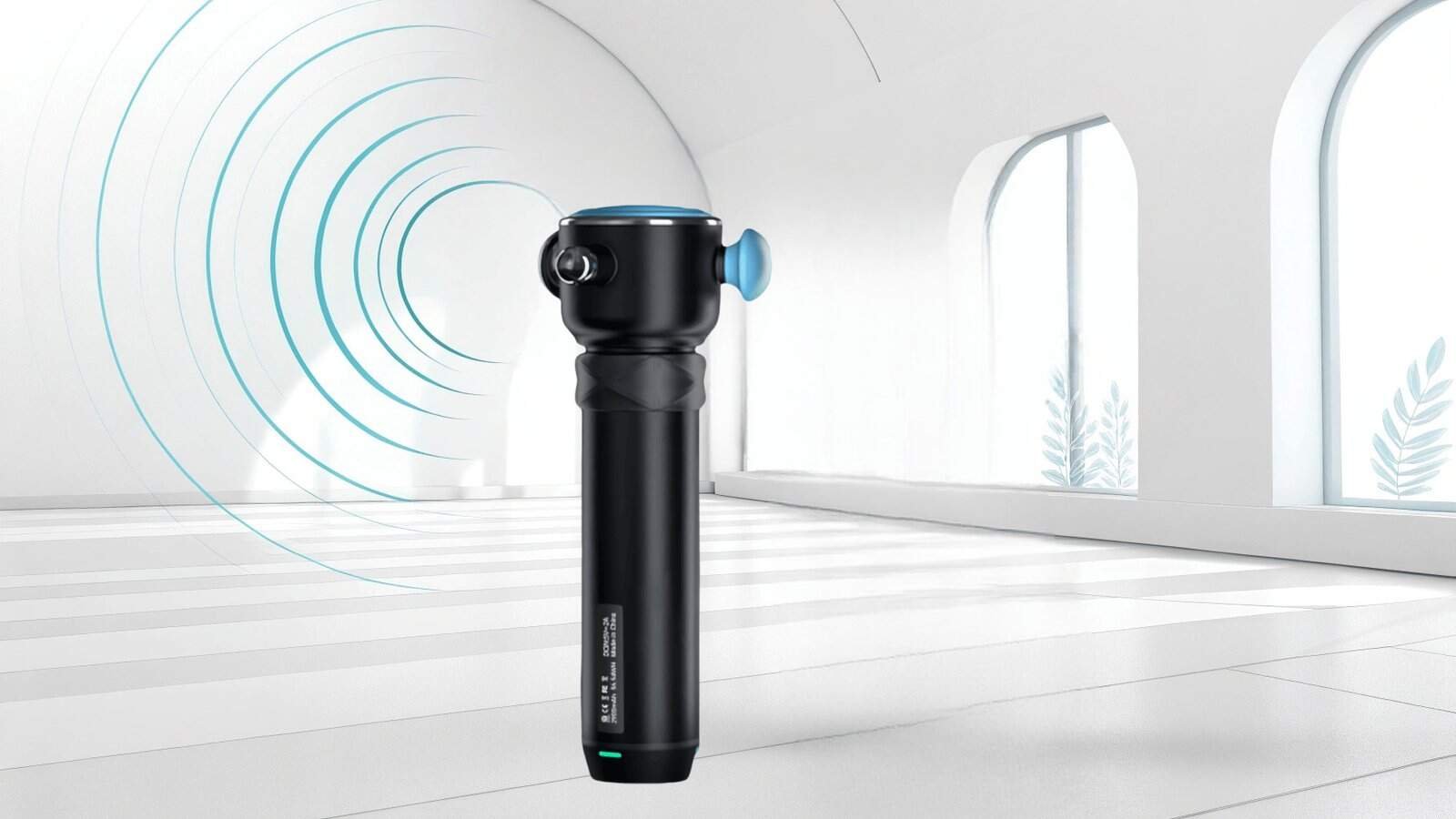
While massage guns have been popular for years, new rapid release tools are changing the game. Let’s examine why many professionals are switching to this superior recovery method.
What does rapid release do?
Muscle tightness after exercise can limit your range of motion and performance. Rapid release solves this problem immediately.
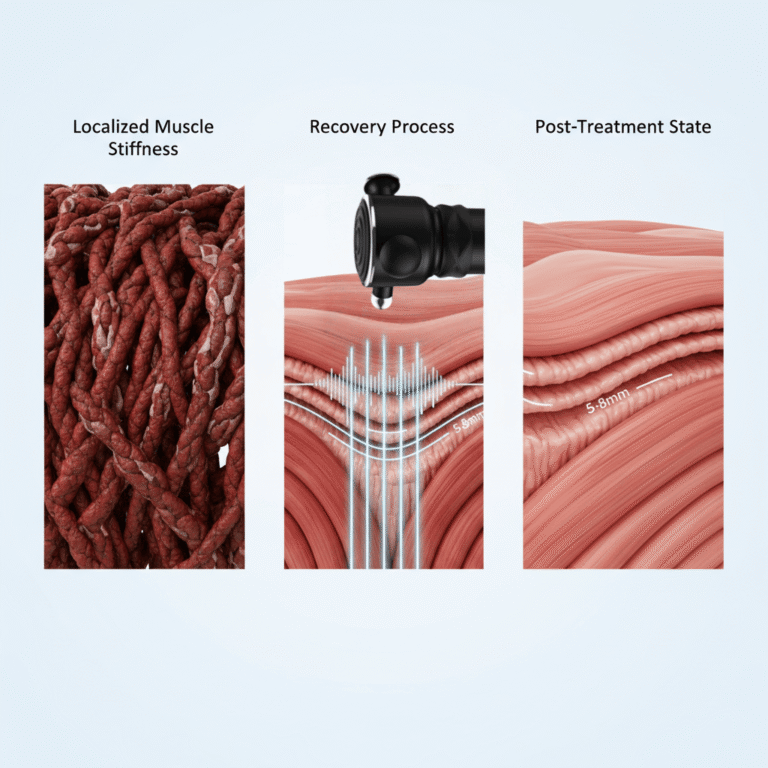
Rapid release devices use high-frequency vibrations3 to break up muscle knots4 and increase blood flow, helping muscles recover faster than manual massage or standard massage guns.
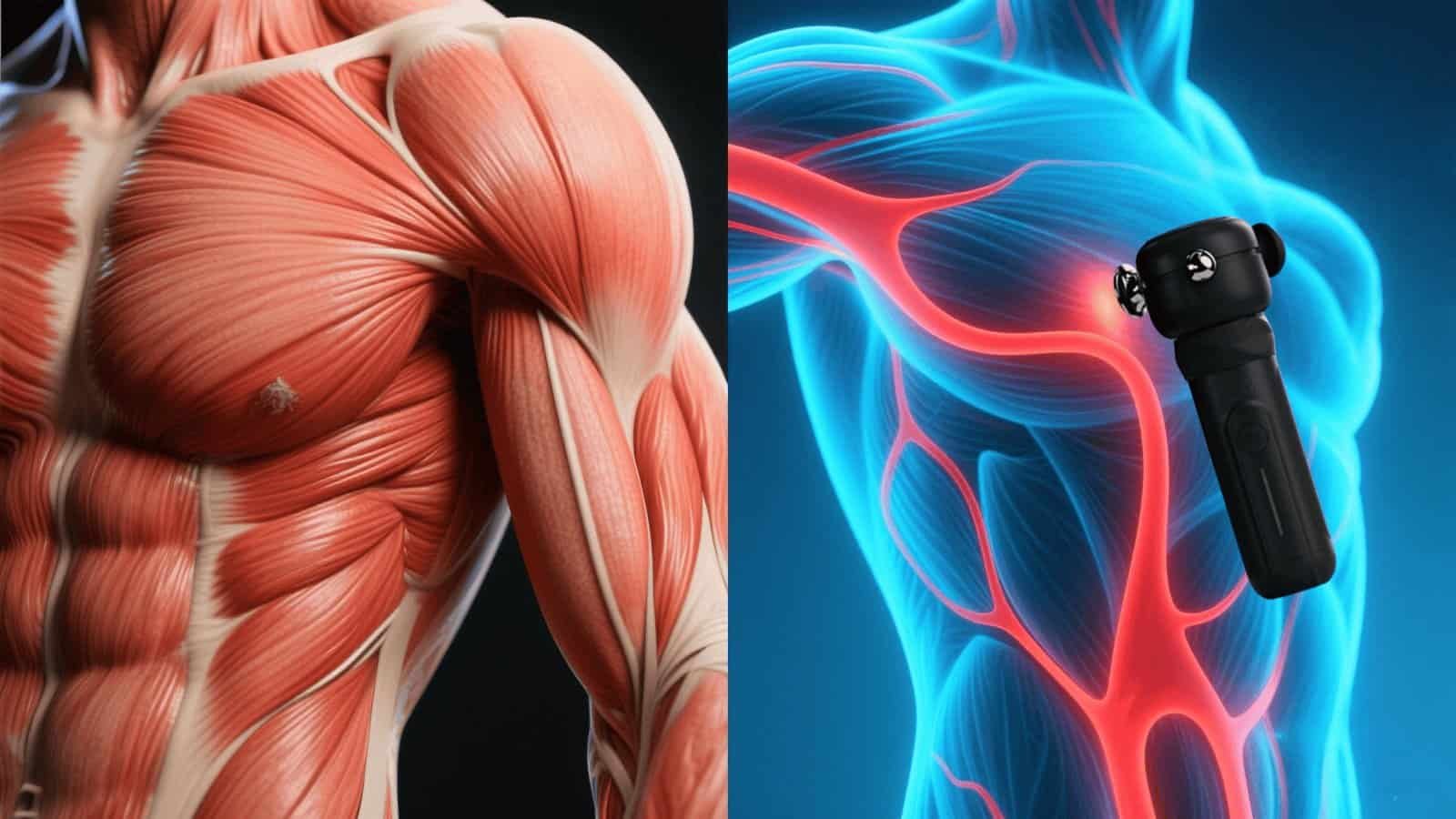
Understanding how rapid release works helps maximize its benefits:
- Deep penetration: Reaches muscle layers that massage guns can’t
- Faster results: Shows improvement in 5 minutes what takes 15 with massage guns
- Scientific backing: Studies show 40% better recovery rates5
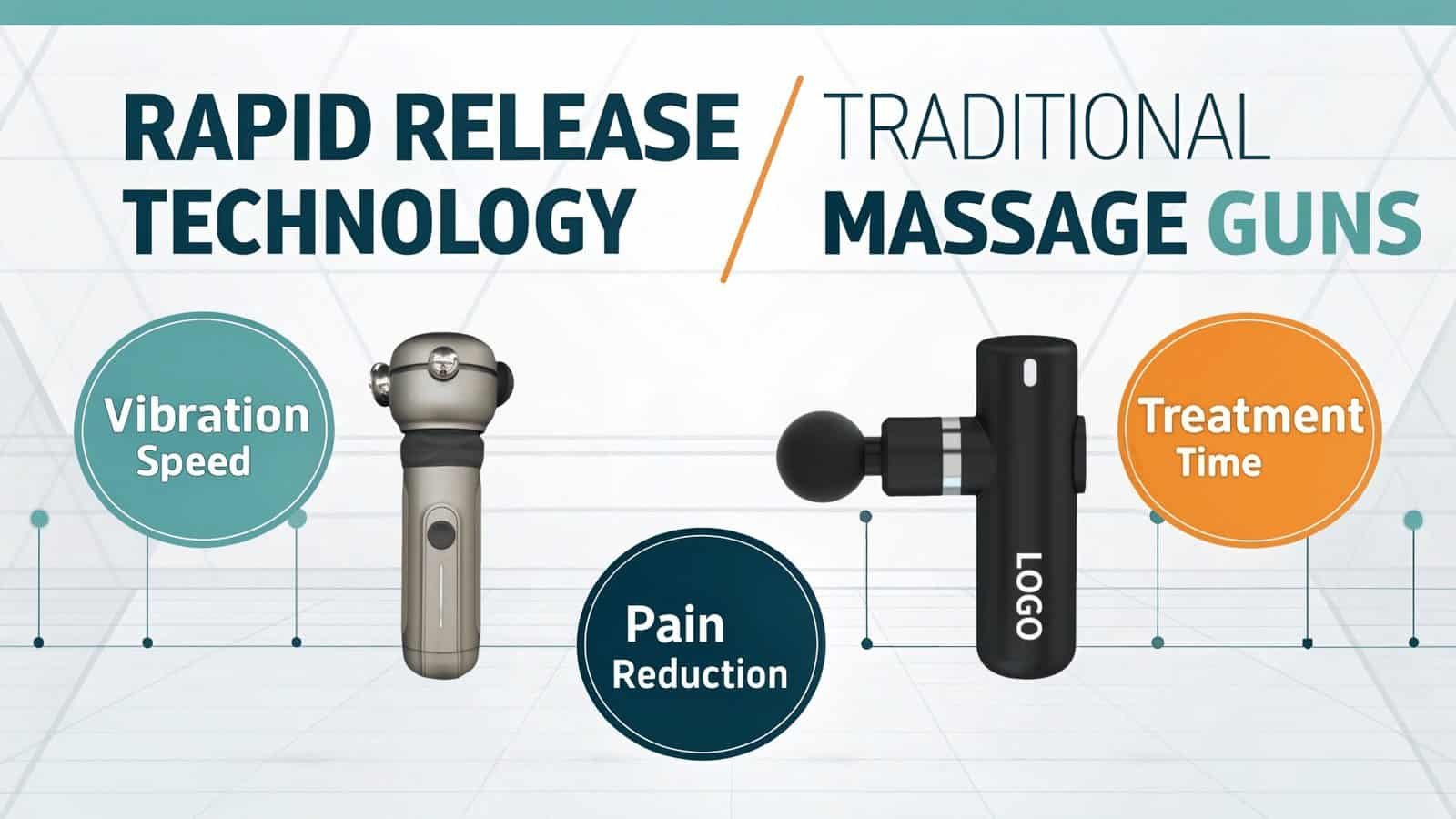
Key features comparison:
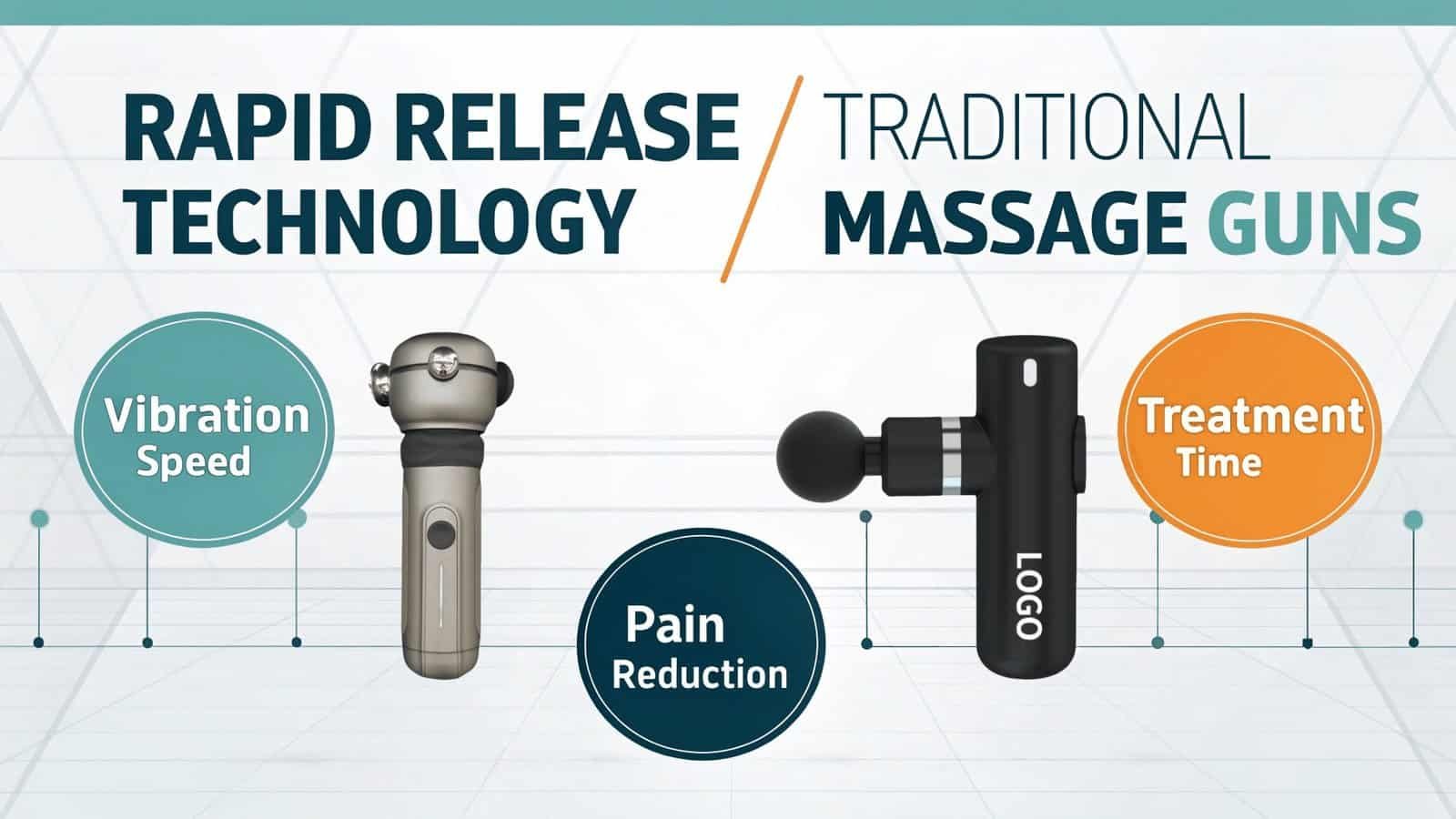
| Feature | Rapid Release | Massage Gun |
|---|---|---|
| Vibration Speed | 5500-7000 RPM | 2400 RPM |
| Treatment Time | 5-10 minutes | 15-20 minutes |
| Pain Reduction | 60% faster | Standard |
What are the benefits of rapid release?
Chronic muscle pain can derail training programs if not addressed properly. Rapid release offers multiple advantages over traditional methods.
The main benefits of rapid release include 50% faster recovery time, reduced muscle stiffness, and improved athletic performance through better blood circulation and flexibility.
The advantages go beyond basic recovery:
-
- Allows more frequent training sessions
- Maintains peak muscle condition
- Reduces injury risk
-
- Prevents chronic tightness
- Improves joint mobility
- Enhances overall movement quality
-
- Fits busy schedules
- Requires shorter sessions
- Shows immediate results
How often can you take rapid release?
Overusing recovery tools can sometimes cause more harm than good. Rapid release has specific usage guidelines for optimal results.
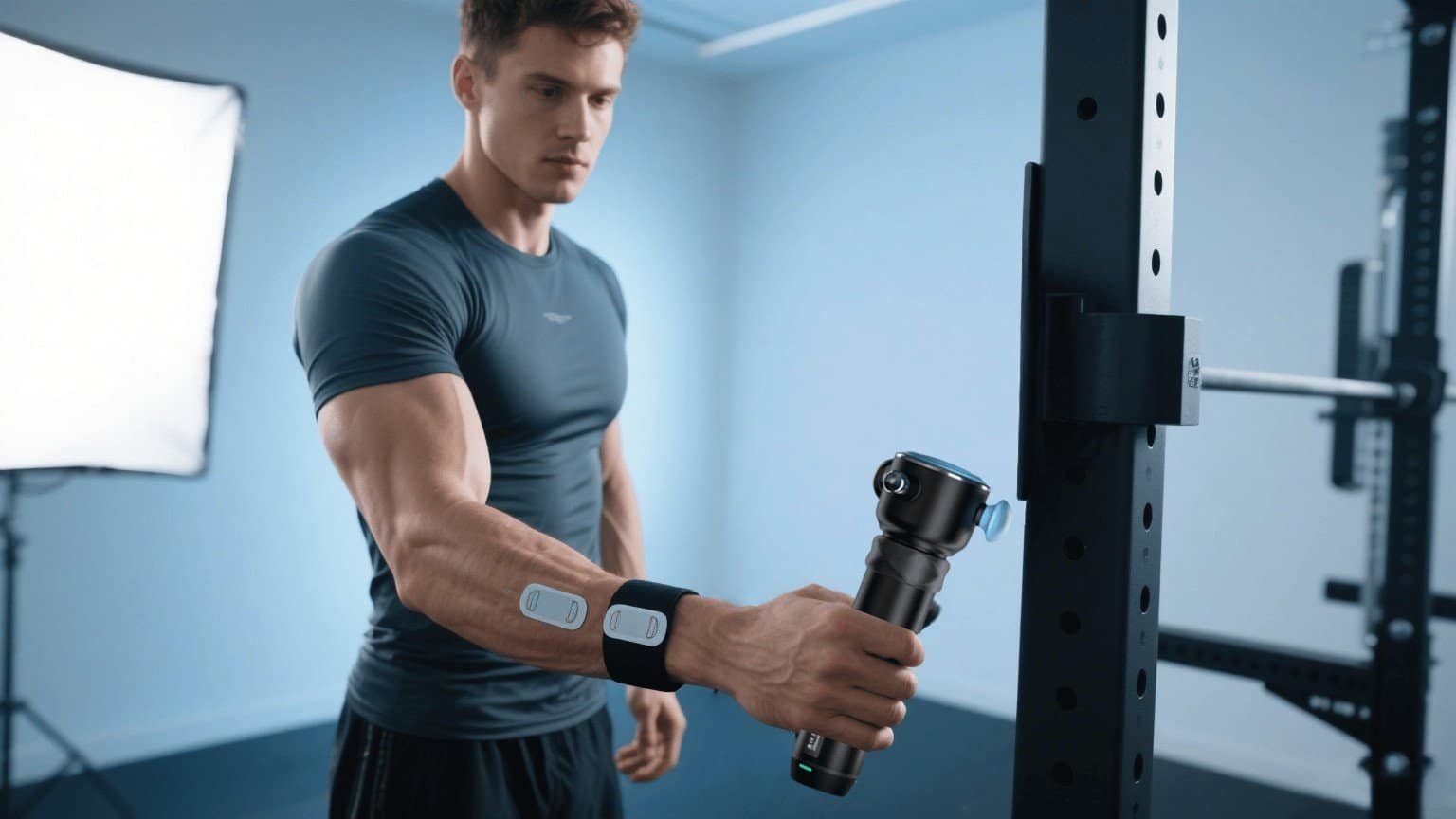
For best results, use rapid release 1-2 times daily for 5-10 minutes per muscle group, allowing at least 4 hours between sessions for muscle recovery.
Proper frequency depends on several factors:
-
Activity level:
- Professional athletes: 2-3 times daily
- Weekend warriors: 1 time daily
- Sedentary individuals: 3 times weekly
-
Recovery stage:
- Post-workout: Immediate use
- Maintenance: Alternate days
- Injury recovery: As prescribed
-
Body area:
- Large muscles: Longer sessions
- Sensitive areas: Shorter duration
- Joint areas: Reduced pressure
Conclusion
Rapid release technology outperforms massage guns with faster recovery, deeper treatment9, and more efficient muscle relaxation for athletes at all levels.
-
Discover effective strategies and tools for muscle recovery that can help you train harder and recover faster. ↩
-
Learn about advanced vibration technology and how it can revolutionize your recovery routine for better performance. ↩
-
Learn about the science behind high-frequency vibrations and their effectiveness in muscle recovery and pain relief. ↩
-
Explore various techniques to relieve muscle knots and improve your overall muscle health and flexibility. ↩
-
Discover scientific studies that validate improved recovery rates and their impact on athletic performance. ↩
-
Explore this link to understand how performance enhancement can significantly improve your training outcomes and overall fitness journey. ↩
-
Discover the profound long-term health benefits of regular exercise and how it can enhance your quality of life. ↩
-
Learn how maximizing time efficiency in your workouts can lead to better results and a more sustainable fitness routine. ↩
-
Discover the advantages of deeper treatment techniques for muscle recovery and how they can enhance your fitness routine. ↩