The moment you finish exercising, your body starts repairing itself. But what if you could actively control this process instead of just waiting?
Modern recovery tools like therapy guns1 now allow real-time muscle optimization, turning passive waiting into active physiological tuning. With advanced vibration technology, recovery happens at the cellular level within minutes, not hours.
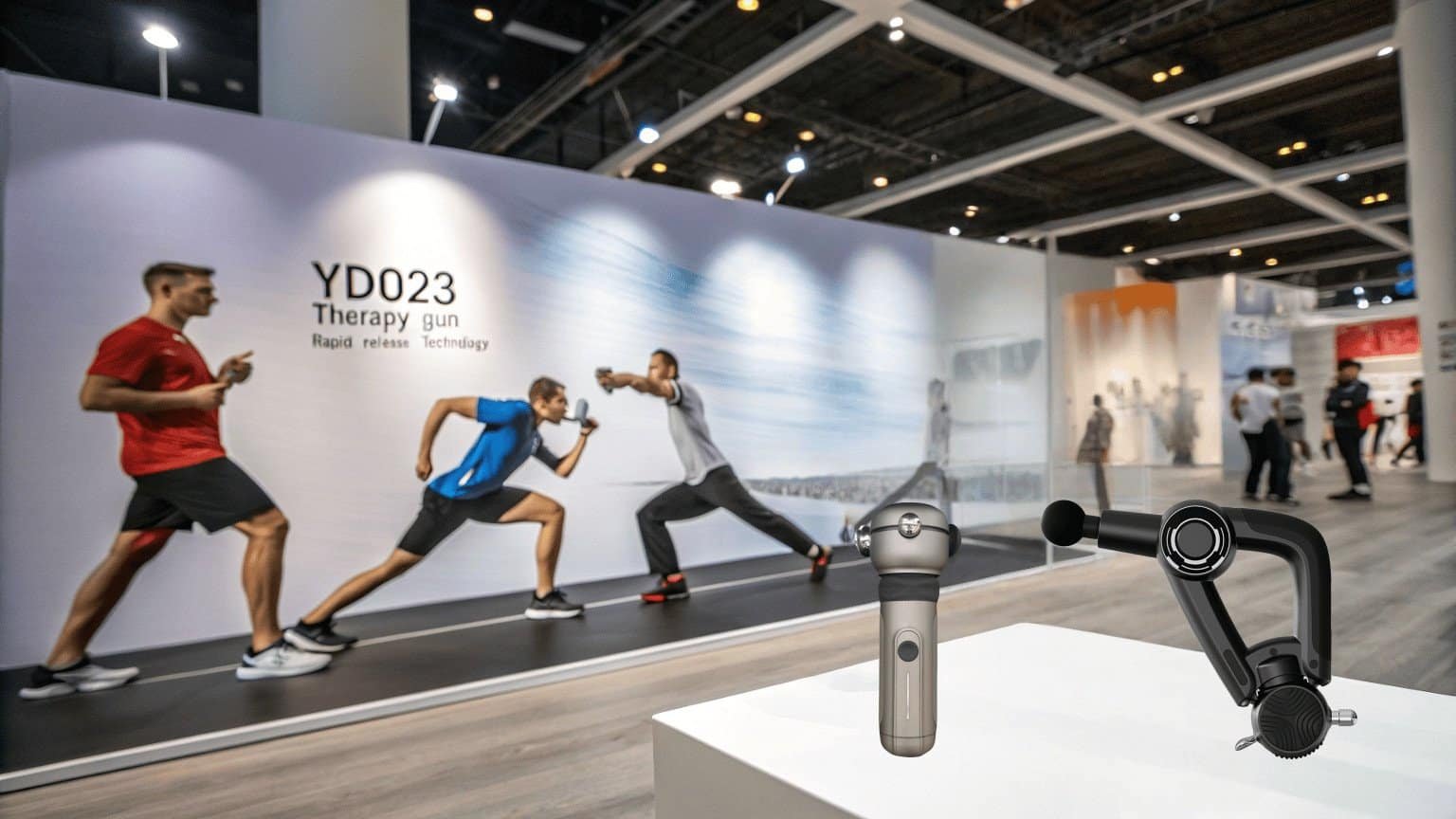
Gone are the days when athletes simply rested after training. Today’s recovery is a science-driven process where every minute counts. Let’s explore how this revolution works.
What is the recovery phase after exercise?
Most people think recovery begins when they stop moving. In reality, it starts the instant your workout intensity drops.
The recovery phase is your body’s process of returning to baseline after physical stress, now enhanced by technology that accelerates cellular repair2. Modern tools like therapy guns with 3D vibration can shorten this process dramatically.
The science behind faster recovery
Traditional recovery methods have three key limitations:
-
Time lag in damage detection
- Nerve signals take hours to register muscle microtears
- By then, inflammation has already started
-
Passive fluid rebalancing
- Natural lymphatic drainage is slow
- Metabolic waste lingers in tissues
-
Random repair patterns
- The body prioritizes some areas over others
- Some microtears get missed entirely
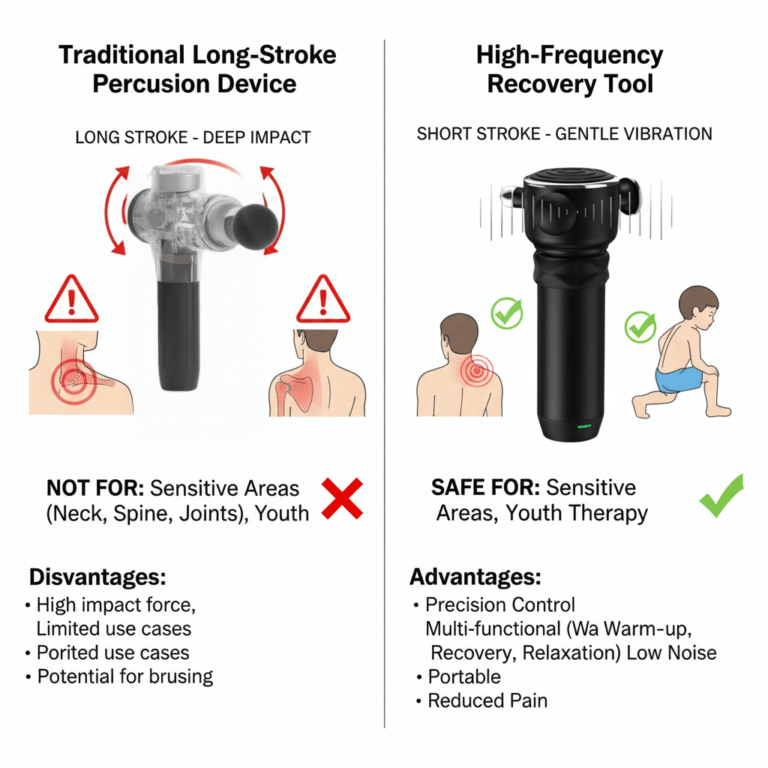
Modern therapy guns address these issues through:
| Feature | Benefit |
|---|---|
| 4500-7000 RPM vibration | Breaks up lactic acid clusters |
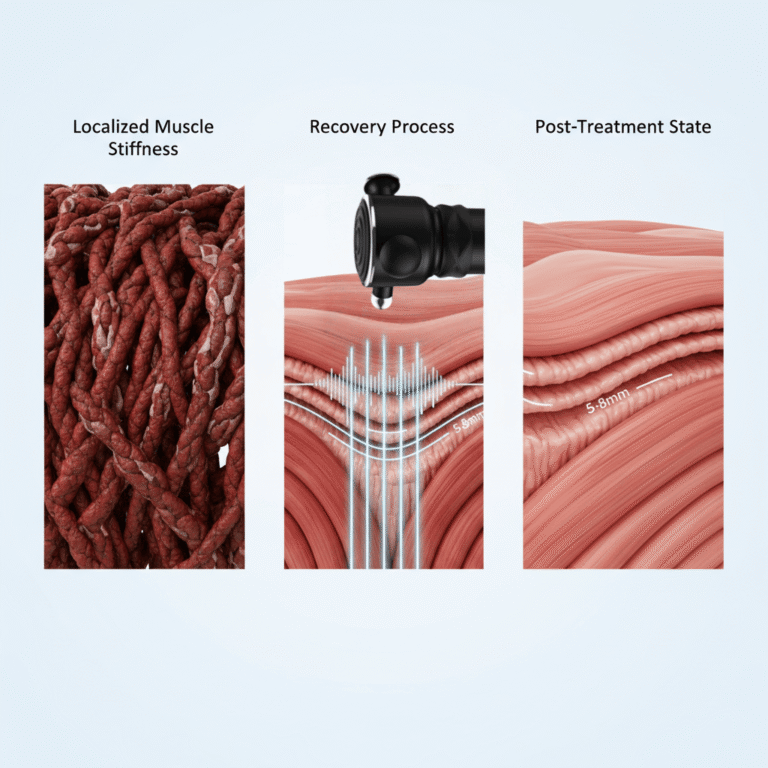
| 3D amplitude (2-3.5mm) | Reaches 6-8mm into muscle tissue |
| Multi-directional movement | Mimics natural massage patterns |
| Rapid Release technology | 180% faster relaxation than standard massage |
The "Golden 10 Minutes" after exercise are crucial. Applying vibration therapy3 during this window:
- Increases hyaluronic acid flow by 160%
- Boosts capillary blood flow to 180% of resting rate
- Reduces perceived soreness by 23% compared to passive recovery
What happens during the recovery period after activity?
Your muscles don’t wait until you’re showered and rested to start repairing. Damage control begins immediately.
Post-activity recovery involves cellular cleanup, fluid rebalancing, and neural reset4 – processes that vibration therapy can accelerate by 3x. The right tools turn hours of recovery into minutes.
The invisible battle inside your muscles
When you stop exercising, three critical processes begin simultaneously:
-
Metabolic Waste Clearance
- Lactic acid concentration peaks within 15 minutes
- Natural removal takes 1-2 hours
- Vibration therapy cuts this to 20-30 minutes
-
Fascial Rehydration
- Connective tissue loses water during exercise
- Dehydrated fascia causes stiffness
- 3D vibration restores fluid balance in 90 seconds
-
Neural Reset
- Pain signals travel slowly through nerves
- Vibration blocks these signals at the source
- This "tricks" muscles into relaxing faster
Therapy guns outperform traditional methods because they:
- Work on 15% more body areas (including neck and knees)
- Operate at 160% higher RPM than standard massagers
- Reduce operation noise by 23% for more comfortable use
What is the recovery phase in sports?
Elite athletes no longer measure recovery in hours slept. They track real-time physiological metrics.
In professional sports, recovery means actively resetting muscle pH, hydration levels, and electrical activity to pre-workout baselines. This process now happens during games, not just afterward.
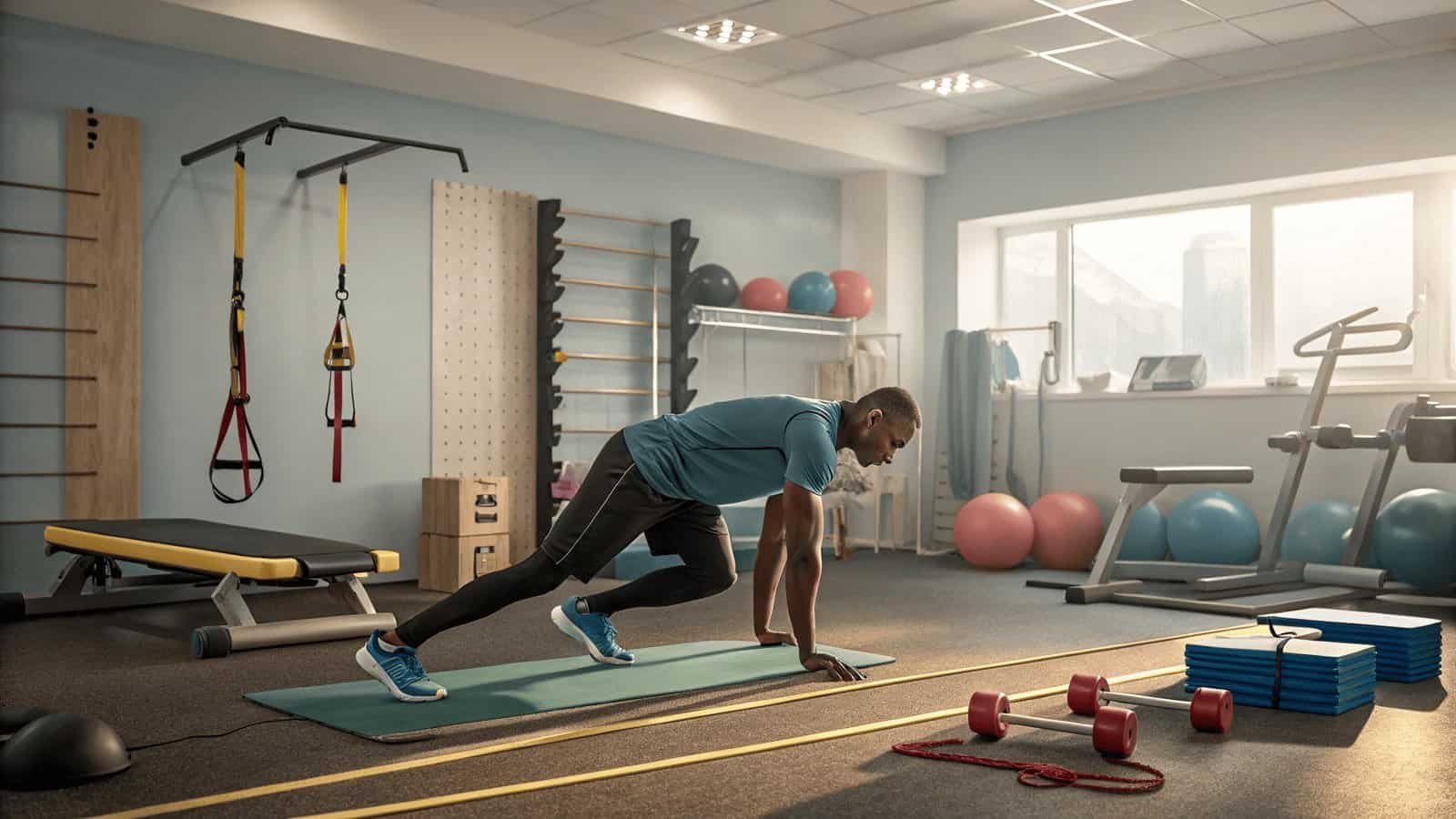
From guesswork to precision
Traditional recovery relied on subjective feelings. Modern athletes use objective data:
-
Muscle Microenvironment Metrics
- pH levels
- Water content
- Electrical noise
-
Intervention Tools
- Therapy guns for rapid reset
- Compression systems
- Cryotherapy
-
Timing Strategies
- Between plays (football)
- During timeouts (basketball)
- Between sets (tennis)
Key advantages of active recovery5:
| Aspect | Traditional | Modern |
|---|---|---|
| Time | 24-72 hours | 10-90 minutes |
| Method | Passive rest | Active intervention |
| Measurement | Subjective feel | Objective data |
| Equipment | None | Therapy guns, sensors |
The best athletes recover faster because they:
- Treat recovery as part of training
- Use technology to cheat biology
- Never let microdamage accumulate
Conclusion
Modern recovery is no longer about waiting – it’s about actively resetting your muscles using science and technology that works at the cellular level.
-
Explore how therapy guns can enhance your recovery process and optimize muscle repair. ↩
-
Understand the importance of cellular repair in the recovery process after workouts. ↩
-
Learn about the science behind vibration therapy and its impact on recovery times. ↩
-
Explore the concept of neural reset and its role in reducing pain and enhancing recovery. ↩
-
Understand the benefits of active recovery techniques for athletes. ↩