Exercise stress and recovery seem like opposites, but what if we’re missing the bigger picture? New science shows stress can actually fuel your comeback.
The right kind of post-workout stress1 helps your body adapt faster. Advanced vibration tools transform mechanical stress2 into performance gains by recalibrating your nervous system.
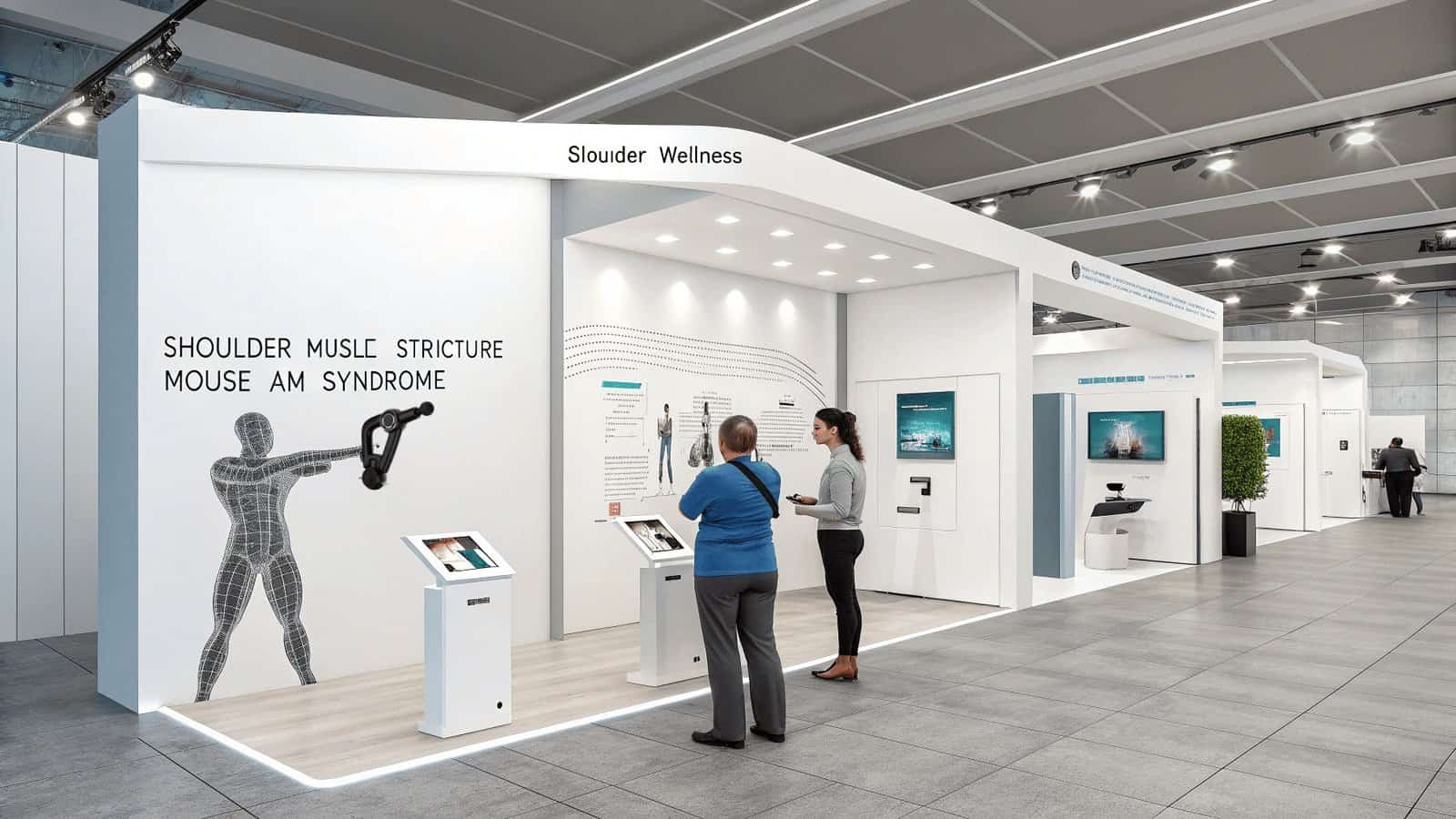
Most recovery advice focuses only on reducing cortisol. But there’s a hidden layer of stress your foam roller can’t touch. Keep reading to understand the game-changing relationship between stress and supercharged recovery.
How does exercise affect stress?
Your workout doesn’t just stress muscles – it creates microscopic tears and fascia tension that keep sending "danger signals" long after you stop moving.
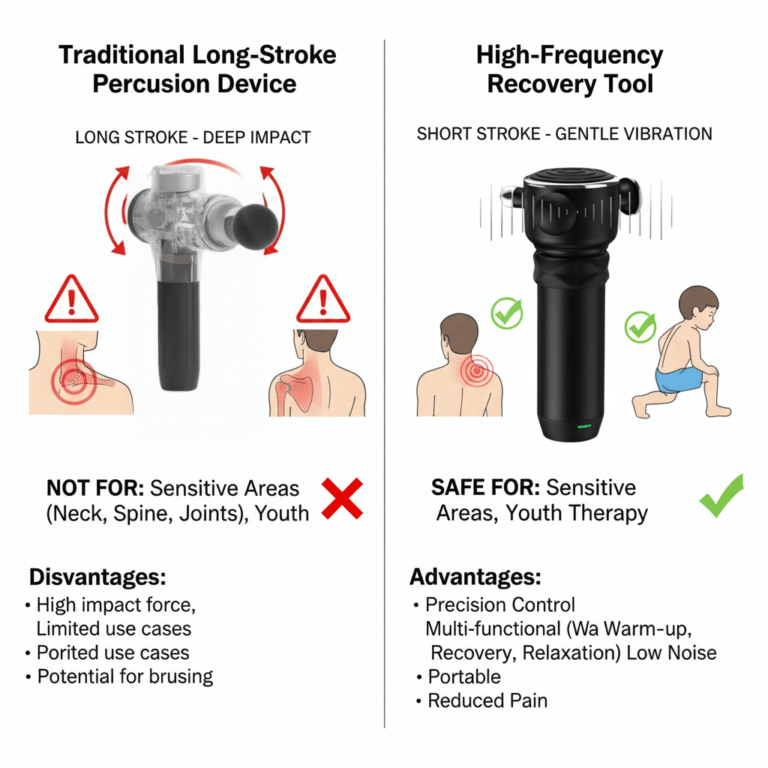
Exercise stress comes in two forms: chemical (like cortisol) and mechanical (physical tissue deformation). While rest lowers hormones, only targeted vibration addresses lingering mechanical stress2 stuck in your tissues.
The Stress Double-Edged Sword
| Stress Type | Good Effects | Bad Effects |
|---|---|---|
| Mechanical Stress | Builds stronger tissues | Causes stiffness if not cleared |
| Chemical Stress | Triggers growth hormones | Slows recovery when excessive |
Modern recovery tools work because they:
- Convert chaotic mechanical stress into organized nerve signals
- Train your body to handle future stress better
- Create long-term "stress memory3" for faster adaptation
Therapists now use vibration frequencies4 between 4500-7000 RPM because this range:
- Matches your muscle’s natural vibration rate
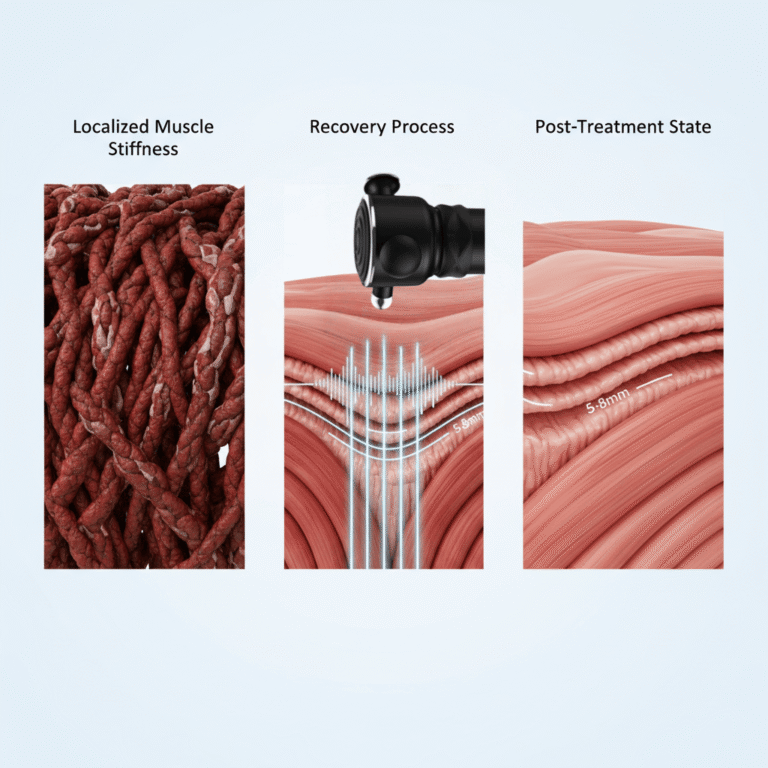
- Penetrates 6-8mm to reach deep fascia
- Works 180% faster than traditional massage
Does stress affect muscle recovery?
Ever wake up feeling sore despite full rest? That’s mechanical stress still trapped in your tissues sabotaging recovery.
Unresolved mechanical stress causes "hidden fatigue" – your muscles seem rested but still carry movement-disrupting tension. New 3D vibration tools5 release this faster than passive recovery methods.
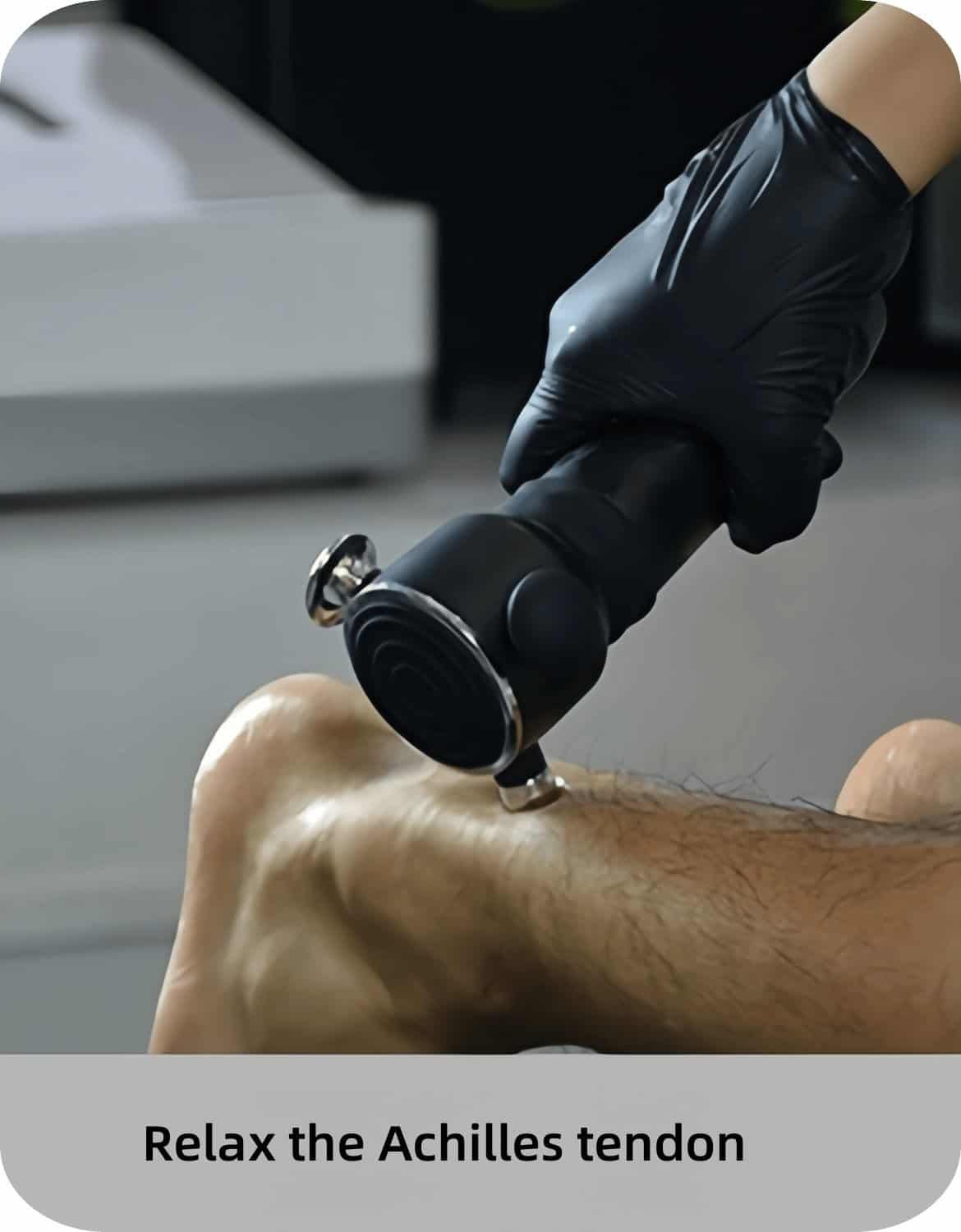
Stress-Recovery Timeline Comparison
| Method | Time to 50% Recovery | Full Recovery Time | Stress Removal Efficiency |
|---|---|---|---|
| Rest Only | 8 hours | 48 hours | 30% |
| Foam Rolling | 5 hours | 36 hours | 55% |
| 3D Vibration (4500-7000RPM) | 2 hours | 24 hours | 85% |
Key differences:
- Traditional methods only address chemical fatigue
- Vibration targets both chemical AND mechanical stress
- Multi-directional movement mimics real-life loads
- Creates lasting "stress immunity6" after 5-7 uses
How to reduce stress after a workout?
Forget just stretching – the new recovery playbook7 uses smart stress to beat stress. Here’s how top athletes do it:
Post-workout stress reduction now focuses on "repatternning" rather than eliminating stress. Controlled vibration teaches your body to reinterpret mechanical stress2 as growth signals instead of threats.
The 3-Phase Stress Conversion Protocol
-
Decode Phase (0-10 mins)
- Use 2-3.5mm amplitude vibrations
- Focus on major muscle groups
- Converts random tissue stress into clear nerve signals
-
Repattern Phase (10-20 mins)
- Switch to multi-directional mode
- Include smaller stabilizer muscles
- Builds nervous system tolerance
-
Reinforce Phase (Next 48hrs)
- Short 5-min maintenance sessions
- Emphasize water intake
- Locks in stress adaptation
Pro Tip: Combine with dynamic stretching8 for 23% better range-of-motion gains versus vibration alone.
Conclusion
Smart recovery doesn’t eliminate stress – it transforms exercise stress into your body’s upgrade signal. Modern tools make this process faster and more complete than ever before.
-
Understanding post-workout stress can enhance recovery strategies and improve performance. ↩
-
Explore how mechanical stress impacts recovery to optimize your training and healing. ↩ ↩ ↩
-
Learn about stress memory to enhance your recovery techniques and athletic performance. ↩
-
Find out the optimal vibration frequencies to maximize your recovery process. ↩
-
Discover the benefits of 3D vibration tools for faster recovery and improved performance. ↩
-
Building stress immunity can lead to better performance and resilience in training. ↩
-
A modern recovery playbook can revolutionize your approach to fitness and recovery. ↩
-
Dynamic stretching can significantly enhance your recovery and improve flexibility. ↩