When we push our bodies in sports, recovery becomes just as important as the workout itself. Without proper care, those gains can quickly turn into pains.
Sport rehabilitation1 is a specialized form of therapy focused on helping athletes recover from injuries and improve performance. It combines exercises, manual therapy, and often tools like therapy guns to speed up healing and prevent future issues.
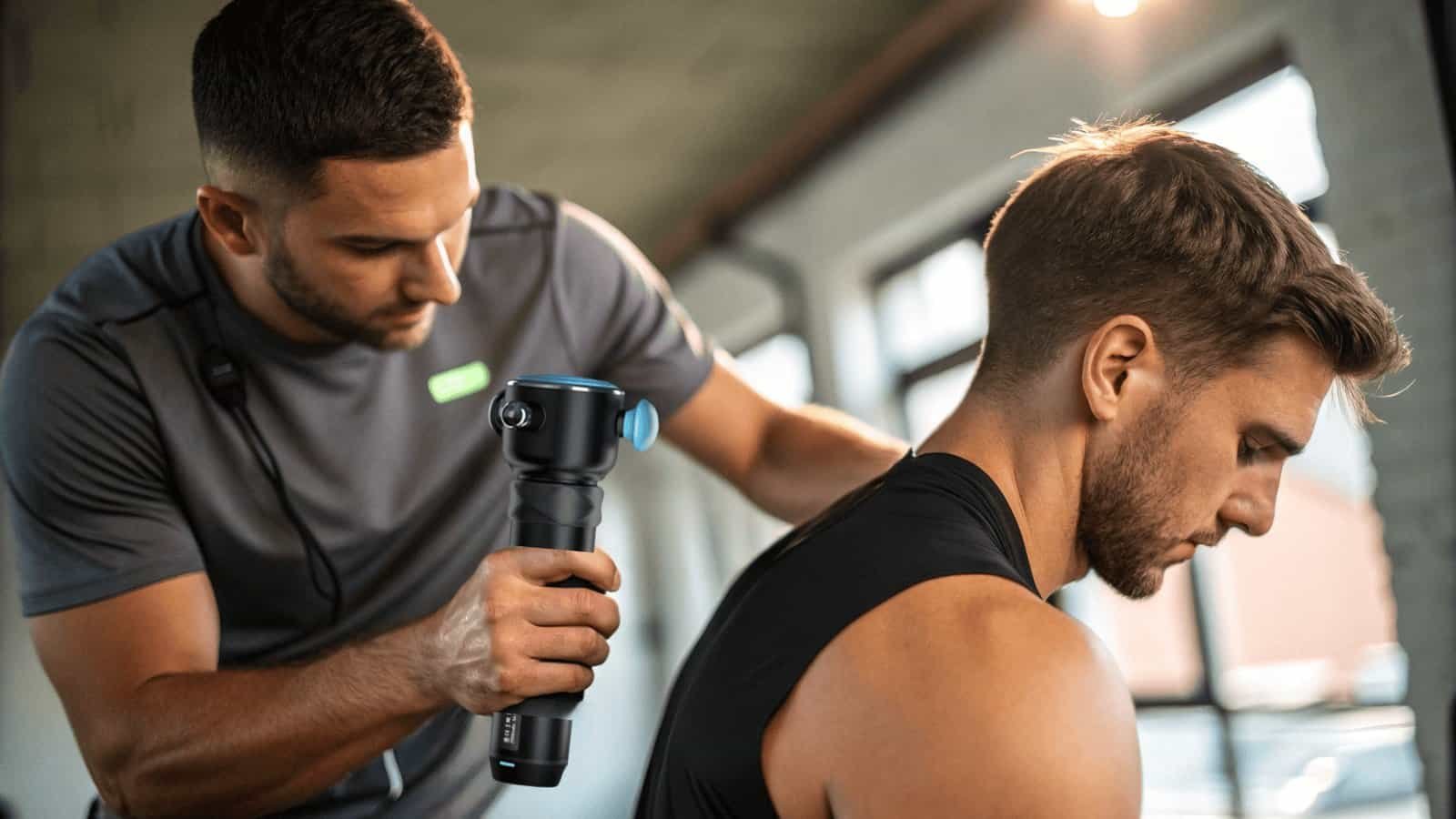
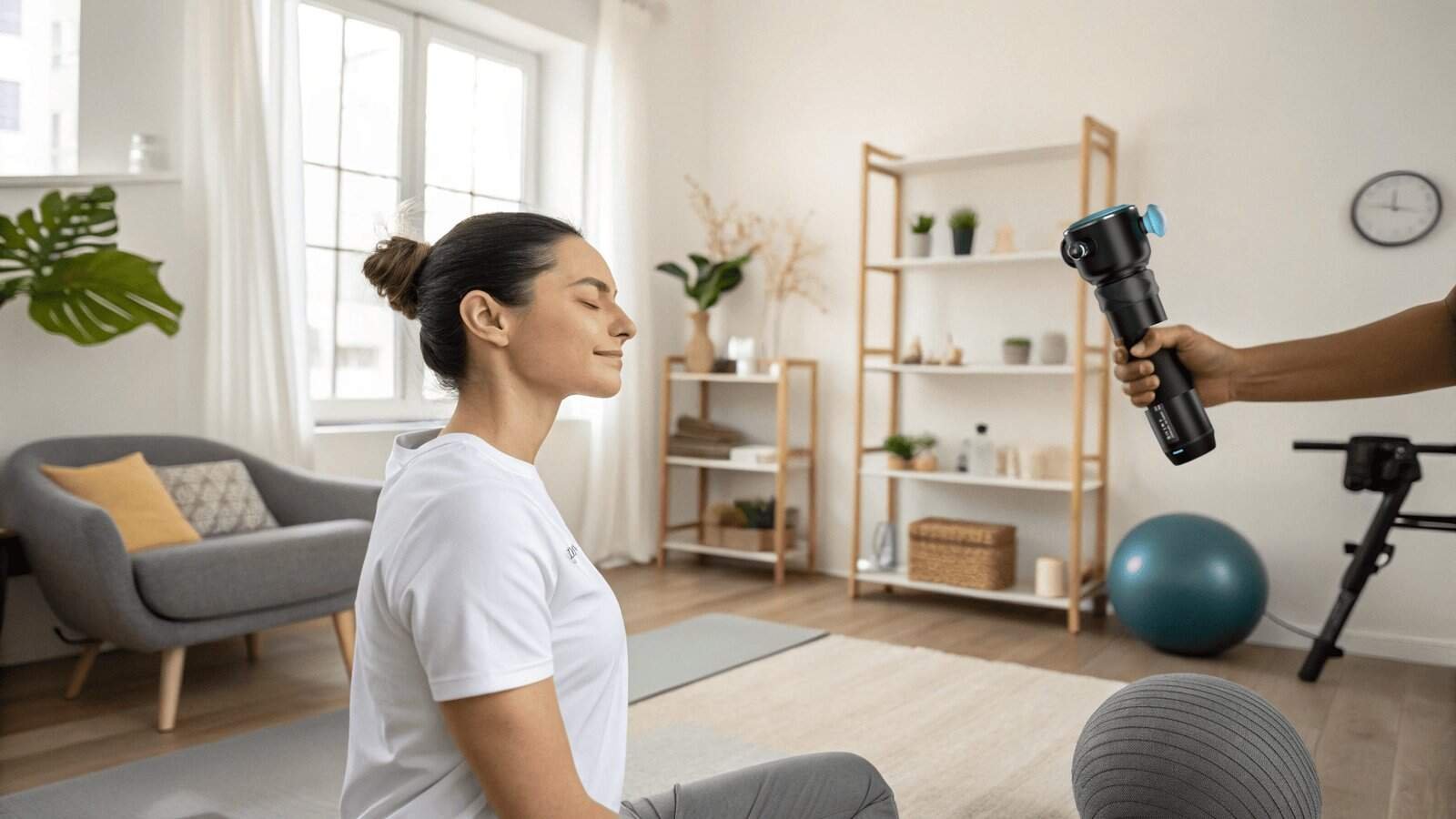
The need for quick, effective recovery solutions is why many turn to portable devices like therapy guns. These tools deliver targeted relief exactly when and where it’s needed most.
What Is a Sport Rehabilitation?
Injuries happen, but how we recover makes all the difference. Sport rehabilitation isn’t just about getting back to normal – it’s about coming back stronger.
Sport rehabilitation is a targeted treatment process that helps athletes restore function, reduce pain, and prevent re-injury through customized exercises, manual therapy, and advanced recovery technologies like 3D Vibration therapy devices2.
Therapy guns have changed the game in sports rehab. I remember seeing professional athletes using these on the sidelines years ago, thinking "I need that for my weekend warrior pains." Now these devices fit in your gym bag:
- Weighing just 0.54kg (about 1.2lbs)
- Compact 90×90×187mm size
- Delivering 5500-7000 RPM vibrations
- With only 2mm amplitude for precise targeting
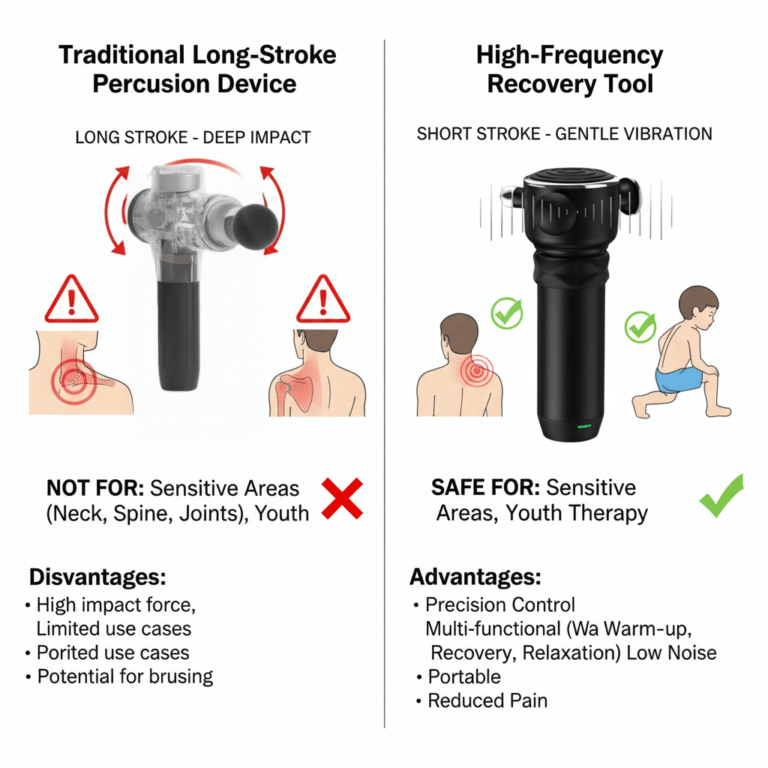
What makes them so effective is their 3D vibration technology. Unlike traditional massage guns that just push up and down, these devices combine:
- Vertical vibrations (up/down)
- Horizontal vibrations (side-to-side)
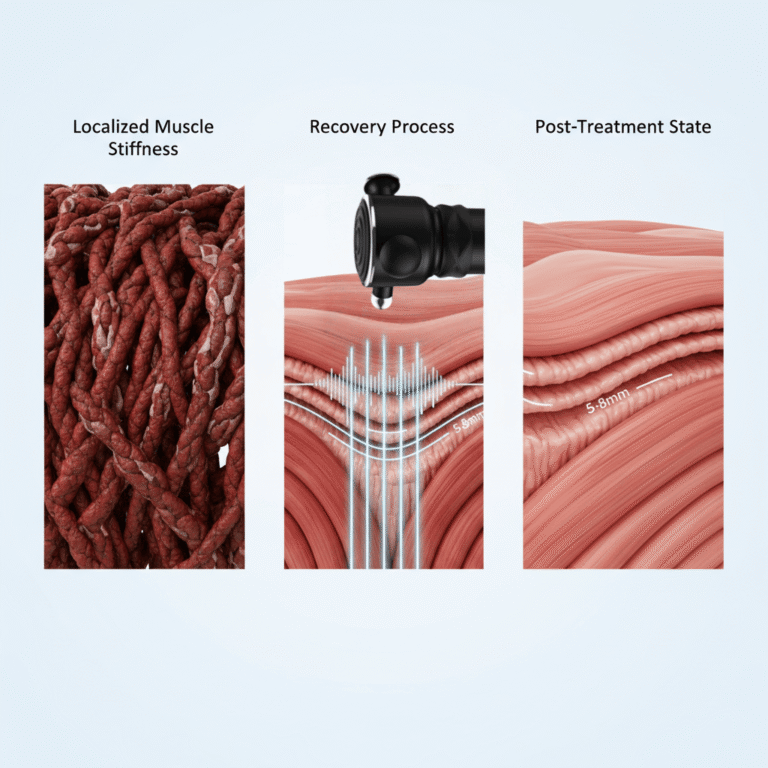
- Deep tissue reach (6-8mm penetration)
This unique action helps with:
| Benefit | How It Works |
|---|---|
| Fascia Release3 | Breaks up scar tissue and adhesions |
| Pain Relief | Triggers vibration reflexes to reduce spasms |
| Quick Recovery | Increases blood flow without discomfort |
What’s the Difference Between Sports Therapy and Sports Rehabilitation?
Many use these terms interchangeably, but they serve different roles in athlete care. It’s like comparing a pit stop to a full engine rebuild.
Sports therapy focuses on immediate injury treatment and prevention, while sports rehabilitation is a comprehensive recovery process that restores full function after injury, often using advanced techniques like vibration therapy for deeper tissue work.
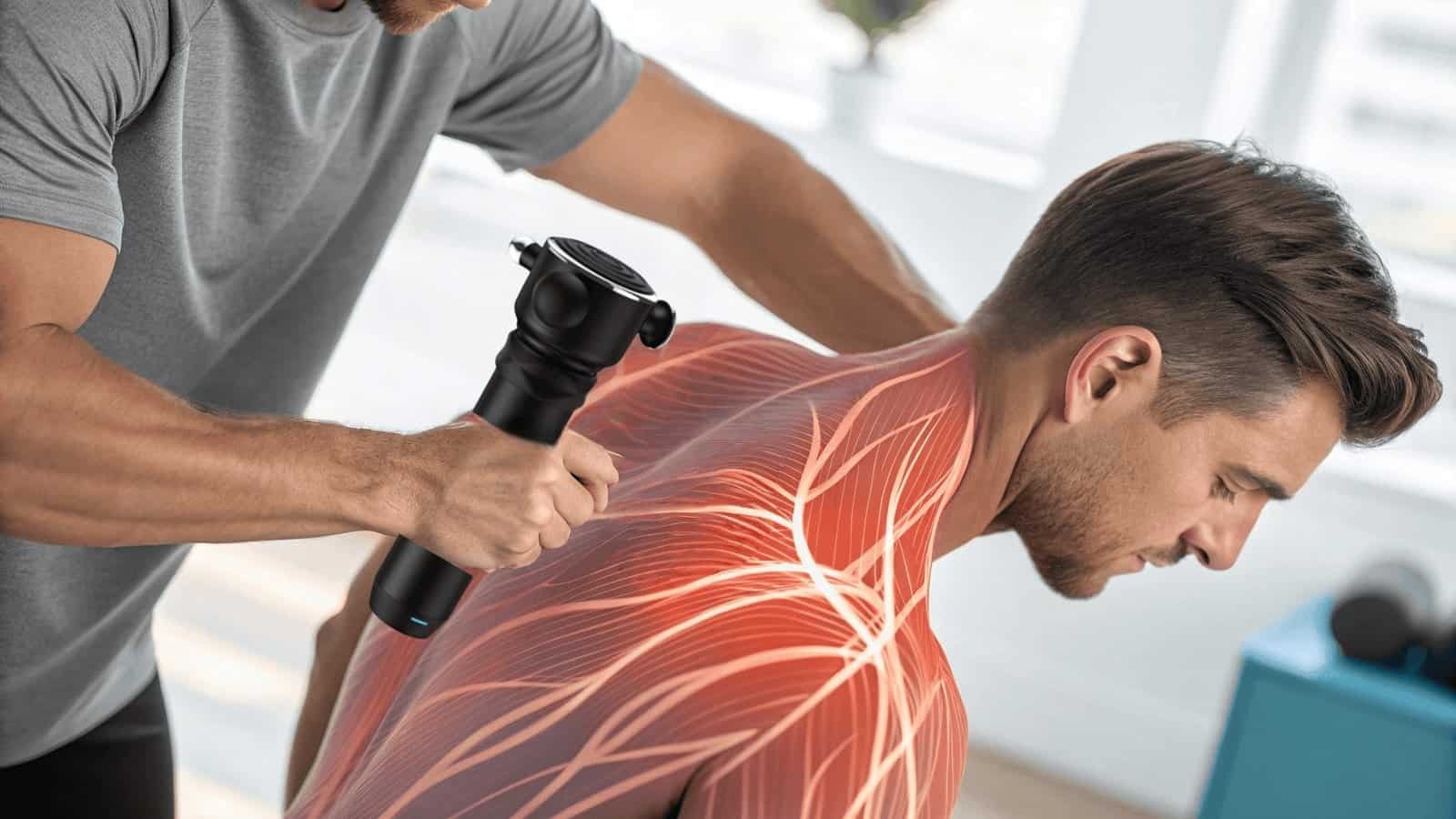
Here’s how they differ in practice:
Sports Therapy:
- Immediate injury management
- Often happens courtside or pitchside
- Includes taping, first aid, basic massage
- Prevents minor issues becoming major
Sports Rehabilitation:
- Longer-term recovery program
- Typically in clinics or rehab centers
- Uses advanced equipment like therapy guns
- Restores full range of motion and strength
The therapy gun’s role bridges both worlds. Its portability makes it perfect for immediate therapy needs, while its deep tissue capabilities support long-term rehabilitation. The high-frequency vibrations work especially well for:
- Myofascial pain syndrome
- Chronic fatigue symptoms
- Post-workout soreness
- Joint mobility issues
How Much Does Sports Rehab Cost?
Recovery shouldn’t break the bank, but quality care comes at a price. The good news: New technologies are making professional-level rehab more accessible.
Sports rehabilitation costs vary widely from $50-$150 per session, but investing in a quality therapy gun ($100-$300) can provide ongoing relief at a fraction of repeated clinic visit costs, especially for chronic issues needing frequent attention.
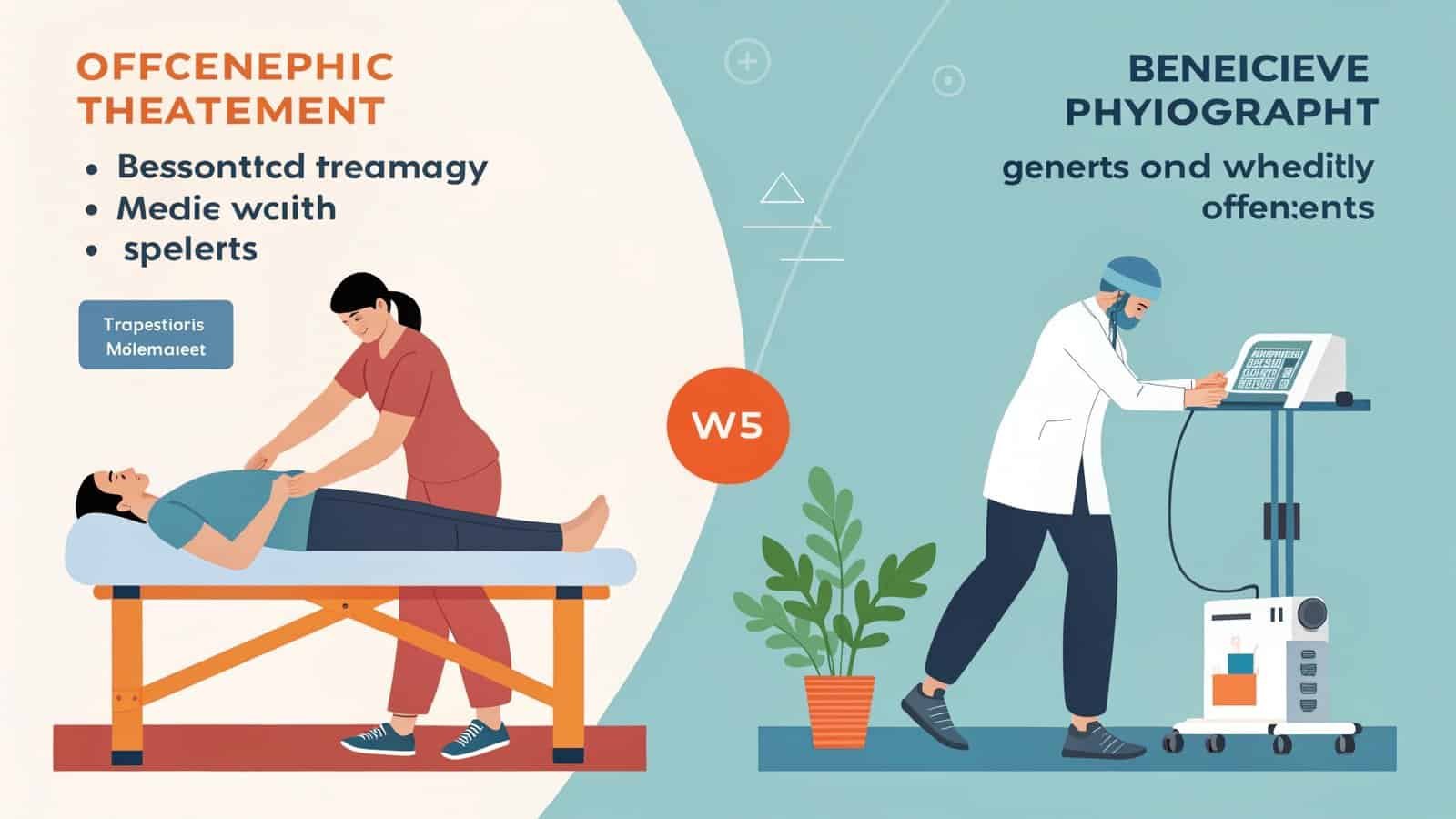
Let’s break down the numbers:
| Option | Cost Range | Duration | Best For |
|---|---|---|---|
| Clinic Sessions | $50-$150/session | 30-60 mins | Acute injuries |
| Therapy Gun | $100-$300 one-time | Years of use | Maintenance & prevention |
| Combination | Initial clinic + home care | Varies | Serious injuries |
The economic case for personal therapy devices becomes clear when you consider:
- Average 12-session rehab plan: $600-$1800
- Quality therapy gun: About $200
- 3 years of daily use: Under $0.20 per use
These devices excel in treating tricky areas that need regular attention:
- Neck and shoulder tension
- Knee and ankle stiffness
- Forearm and wrist overuse
- Lower back tightness
Conclusion
Sport rehabilitation combines advanced techniques with cutting-edge tools to keep athletes moving better for longer. With portable solutions like therapy guns, professional recovery is now within reach anywhere, anytime.
-
Explore this link to understand how sport rehabilitation can enhance recovery and performance for athletes, ensuring they stay at their best. ↩
-
Explore how 3D Vibration therapy devices enhance recovery and performance for athletes, making them a game-changer in rehabilitation. ↩
-
Discover the importance of Fascia Release in injury recovery and how it can improve your overall athletic performance. ↩