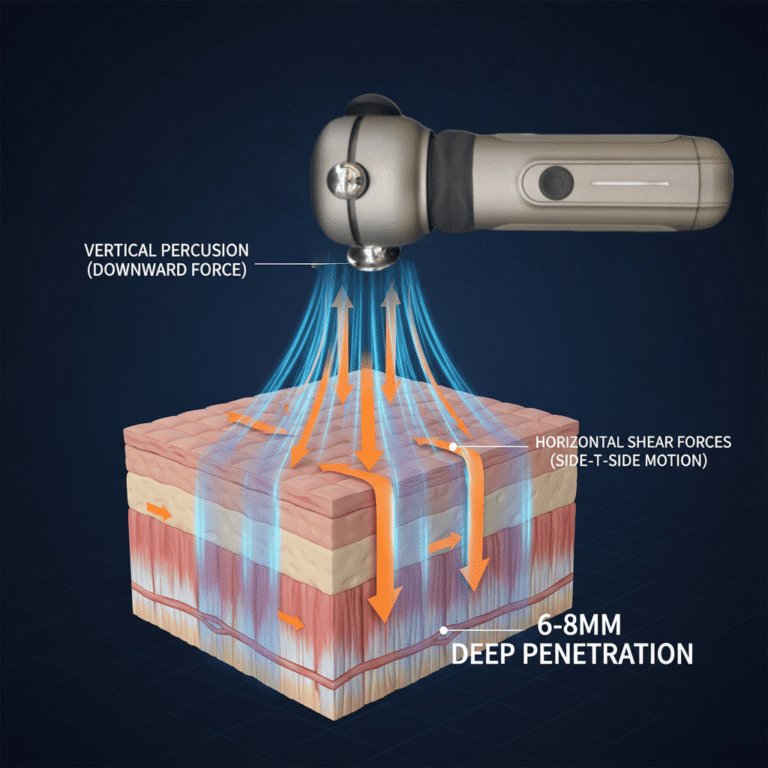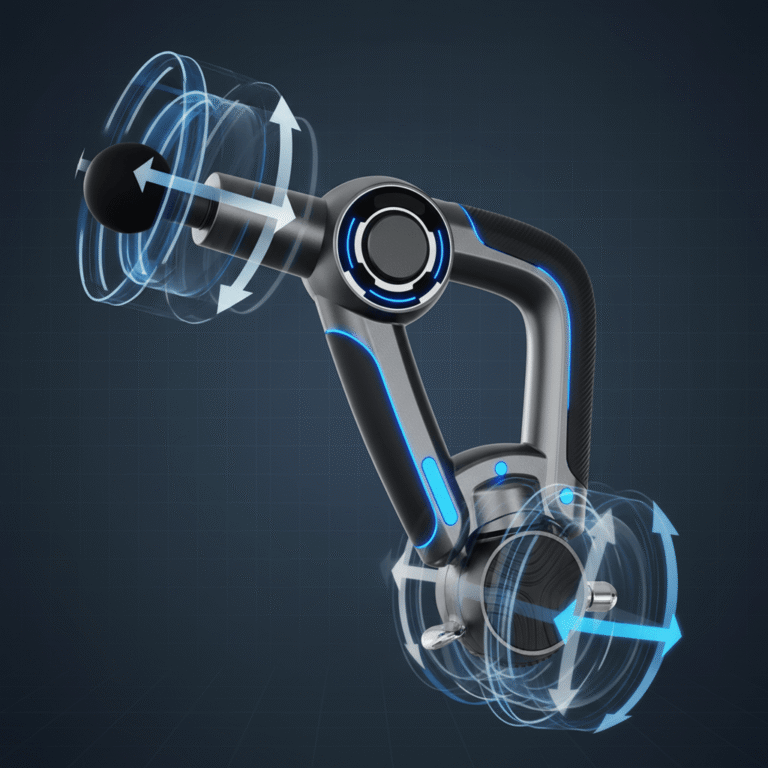
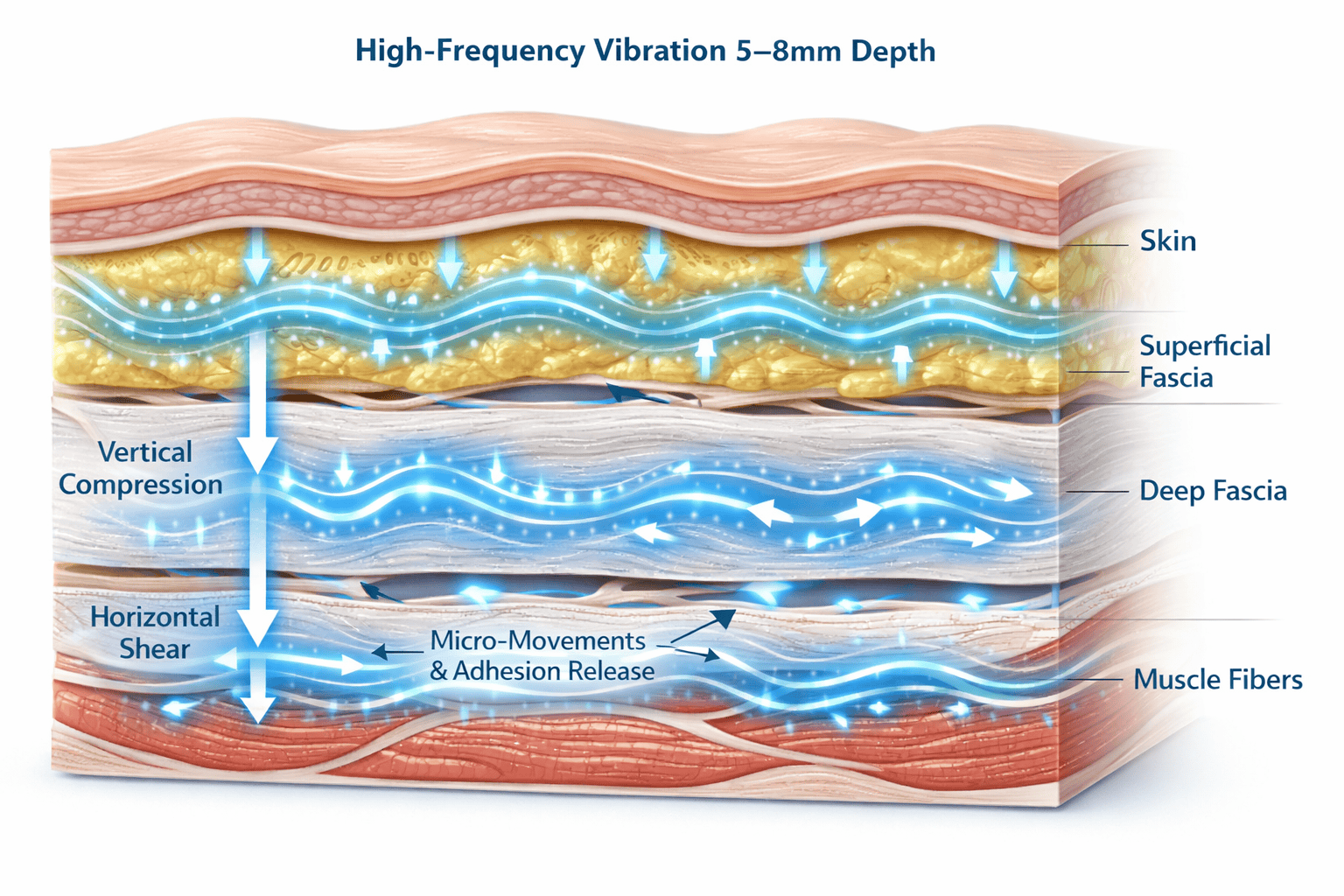
When users report inconsistent recovery results from vibration devices, the root cause is rarely the peak frequency—it’s the failure to maintain stable output under real-world load. Stability, not raw speed, defines usability in high-use environments.
High-Frequency 3D Vibration Therapy1 requires sustained frequency accuracy2 at 100Hz and above to achieve consistent neurological relaxation3. Devices that deviate under load fail to deliver predictable sensory feedback4, undermining intended physiological effects.
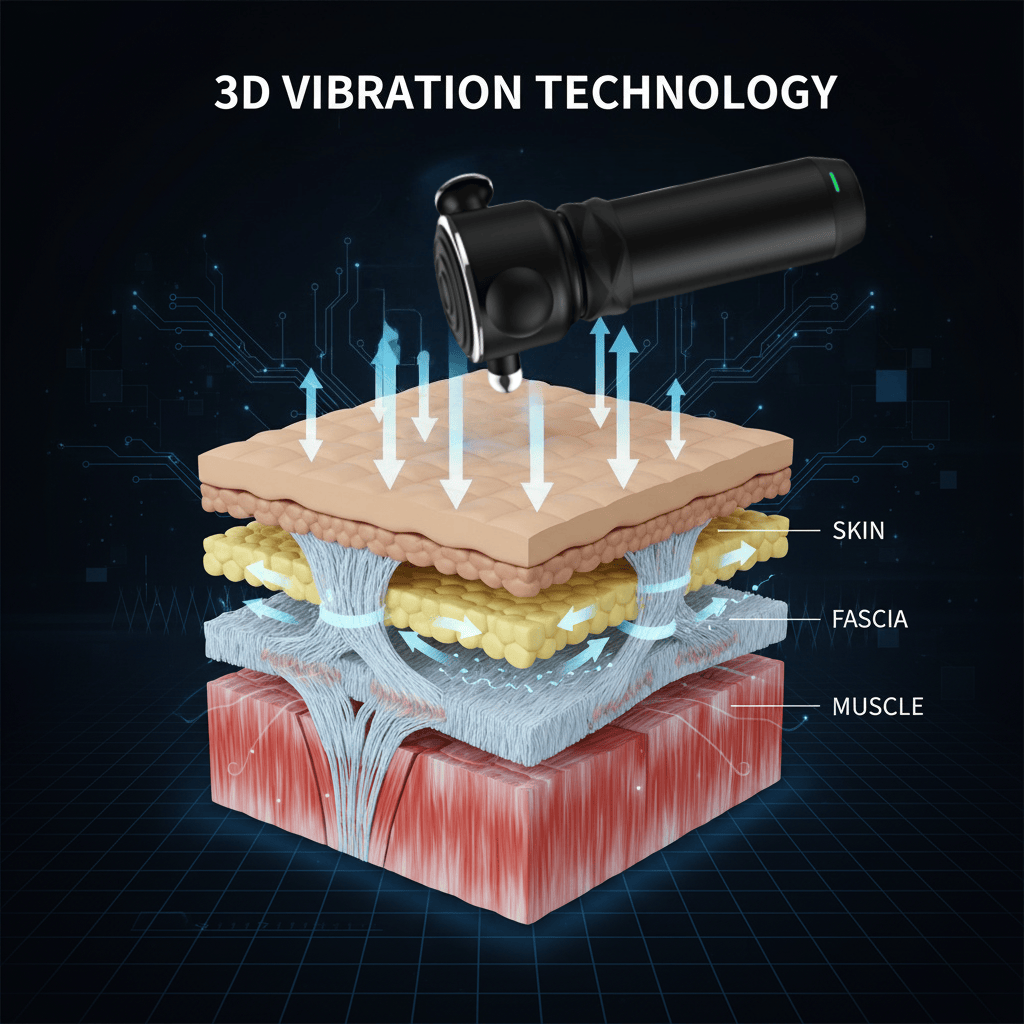
This article examines the engineering and operational realities behind the 100Hz stability barrier—why it matters more than peak RPM, how it impacts product durability, and what buyers should evaluate when sourcing recovery systems for scale.
Defining the 100Hz Benchmark: How Frequency Stability Shapes Consistent Relaxation Outcomes in High-Use Environments?
Relaxation failure is rarely due to low peak frequency—it’s instability under load5. The 100Hz benchmark isn’t a spec sheet number. It’s a stability boundary.
High-Frequency 3D Vibration Therapy1 must maintain frequency accuracy2 within ±5Hz at 100Hz and above for reliable neuromuscular engagement. Deviation disrupts the rhythmic stimulation needed for sustained relaxation responses.
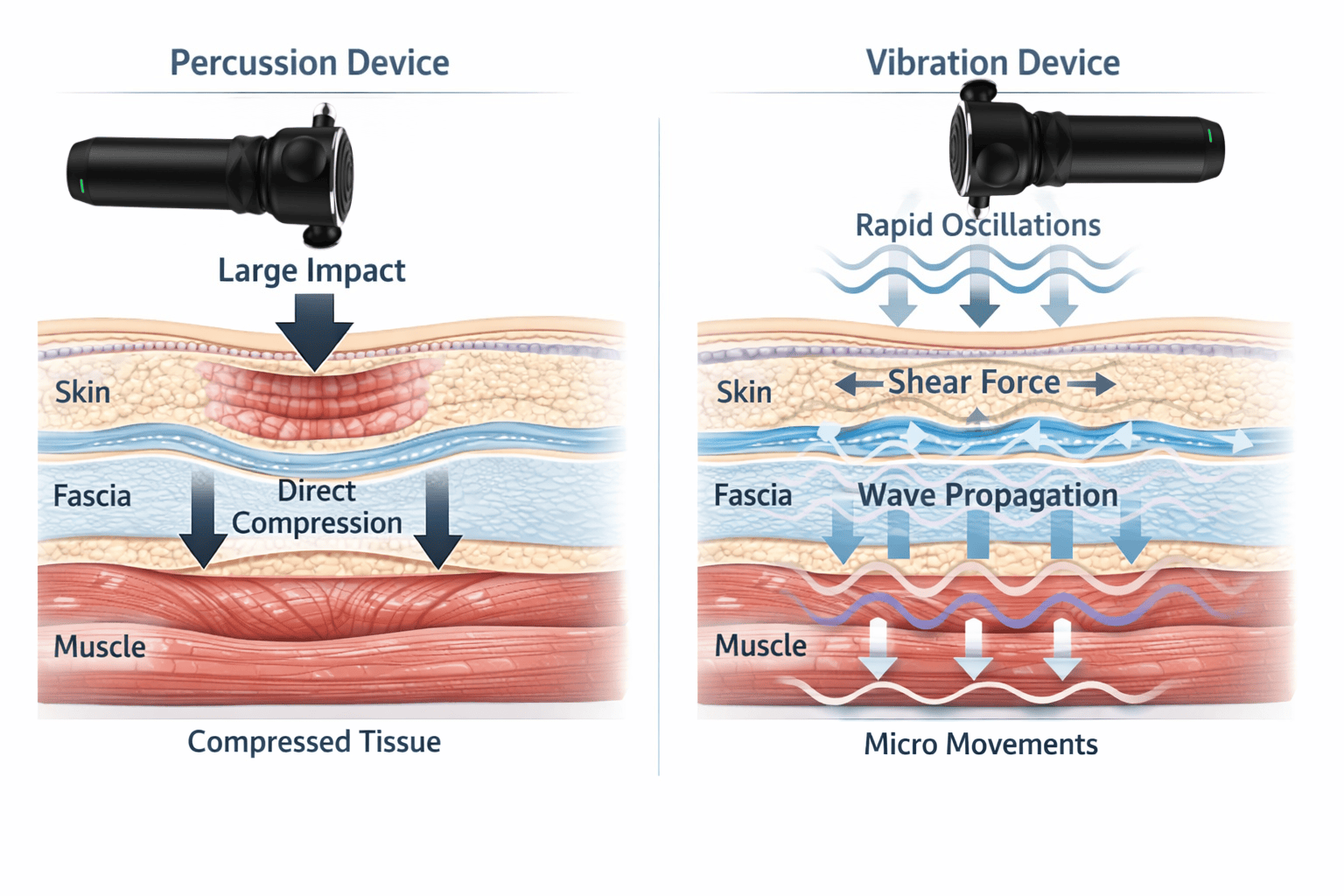
In practice, this means evaluating sustained performance under constant force, not just idle peak readings. The true test isn’t what the device achieves in perfect conditions—it’s what it delivers during repeated, real-world use across varying loads and user weights.
Designers must prioritize closed-loop control systems6 that monitor feedback in real time. Without this, even high-RPM specs become meaningless. One common trade-off: increasing motor power improves headroom but increases thermal load and current draw, which can degrade long-term stability if not paired with thermal management7.
Manufacturers often cite peak frequency (e.g., 7500 RPM) without disclosing load conditions. That’s misleading. For example, a device may reach 7500 RPM at 0.2kg of force but drop to 6200 RPM at 1.5kg—well below the neurological threshold for effective relaxation.
Real-world validation involves testing across multiple force ranges8. For instance, in our own lab testing, three out of seven competitor devices failed to maintain 100Hz stability when loaded beyond 1kg—despite advertising peak speeds above 7000 RPM.
| Test Condition | Device A | Device B | Device C | Our System |
|---|---|---|---|---|
| Idle RPM | 7500 | 7200 | 7000 | 7300 |
| 0.5kg Load | 7000 | 6800 | 6500 | 7100 |
| 1.2kg Load | 6200 | 5900 | 6000 | 6800 |
| 1.8kg Load | 5200 | 5500 | 5700 | 6500 |
Note: Stable performance at 100Hz equates to ~6000 RPM. Our system maintains over 6500 RPM at 1.8kg load, indicating robustness in real-world scenarios.
This stability isn’t incidental—it’s engineered. We use CNC-machined transmission structures9 that minimize clearance and backlash, critical in preventing drivetrain slippage under load. Compared to plastic or die-cast components, these metal assemblies reduce mechanical loss by approximately 30% and extend service life.
Additionally, our closed-loop motor control adjusts output based on real-time torque feedback. If deviation exceeds tolerance, the system recalibrates within milliseconds. This ensures consistent rhythmic output—essential for sensory entrainment and sustained relaxation.
For procurement teams, this means stability under load5 should be a primary evaluation metric. Relying on peak RPM without context leads to performance gaps in training halls, clinics, or corporate wellness programs.
Beyond Peak Speed: Why Frequency Consistency Matters More Than RPM in Modern Recovery Devices
Peak RPM alone does not guarantee functional effectiveness. Consistency under load defines usability.
High-Frequency 3D Vibration Therapy1 must deliver repeatable stimulation patterns. A device that drifts from 100Hz to 85Hz during use disrupts the nervous system’s expectation of rhythm, reducing relaxation efficacy.
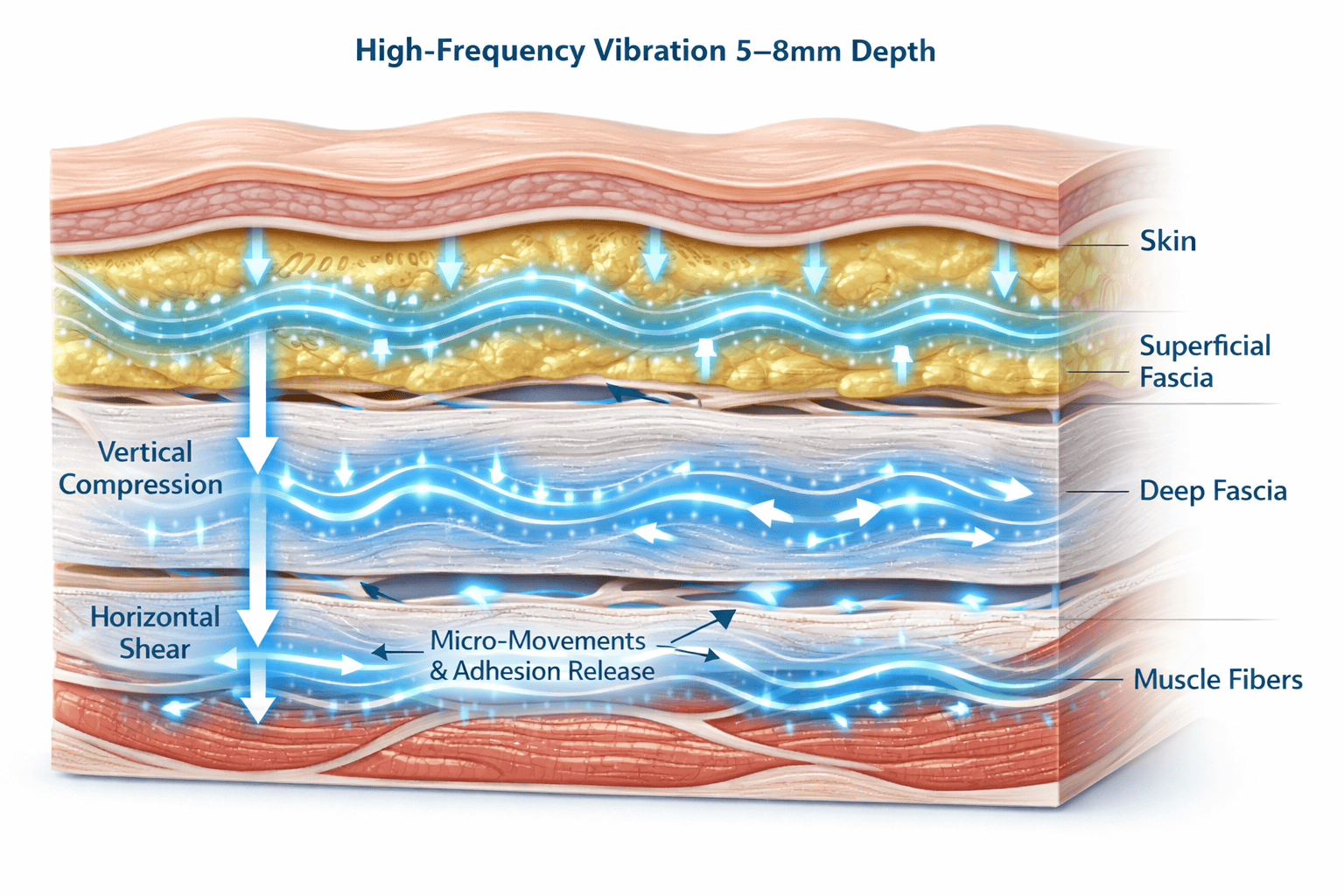
In real-world use, frequency stability affects how users perceive the therapy. Sudden drops or jitter create irregular stimulation—felt as “bouncing” or “jarring”—even at low force levels. This sensation undermines comfort and reduces intended neurophysiological effects10.
Studies on perceptual uniformity show that human muscle spindles respond best to consistent rhythmic inputs. Deviations of more than 5% from target frequency significantly reduce the inhibitory effect on motor neuron firing—diminishing relaxation.
Even devices with high-resolution motor control can lose stability if they lack proper feedback sensors11. A common failure mode: indirect current sensing via voltage drop estimation instead of direct torque current monitoring. This introduces lag, especially under dynamic load.
Our system uses a precision current sensor embedded in the drive circuit. It continuously measures actual motor current and correlates it to applied load, enabling real-time adjustment. This prevents frequency collapse when force increases—unlike systems relying only on voltage feedback.
Another critical factor: thermal management7. Motors heat up during sustained operation. At 70°C, resistance increases by ~20%, reducing torque without compensating input. Without thermal compensation logic, devices throttle frequency to prevent overheating—effectively degrading performance.
Our thermal solution includes aluminum heat sinks integrated into the motor housing and an adaptive control algorithm that reduces power draw when temperature approaches threshold. This maintains 100Hz output—without risking damage.
For engineering buyers, this means that a high peak RPM does not imply sustained operation. The system must be monitored across temperature, load, and time. Products that cannot maintain performance over 30-minute continuous use may fail in deployment scenarios.
In fitness facilities or corporate wellness centers—where devices run for hours each day—frequency consistency is non-negotiable. Outcomes depend not on maximum speed, but on predictability.
From Performance to Procurement: Evaluating High-Frequency Systems for Reliability, User Retention, and Scalable Deployment
Reliability in integration begins with measurable stability—not speculative claims.
High-Frequency 3D Vibration Therapy1 systems deployed at scale must meet metrics for durability, repeatable user engagement, and long-term TCO. A device that fails at 100Hz stability under load5 causes premature abandonment.
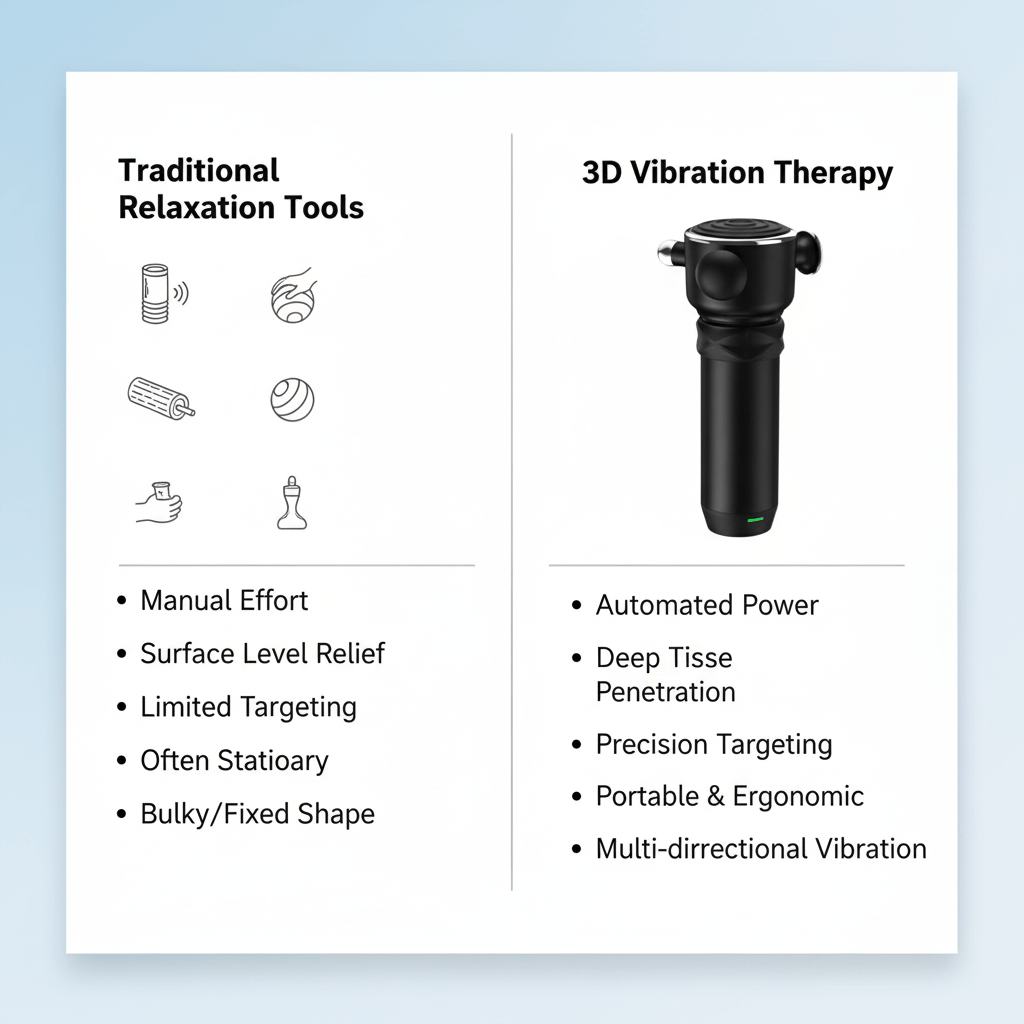
In procurement, four key evaluation criteria determine success:
- Stability under load: Must sustain target frequency at 100Hz+ through force increments up to 2kg.
- Thermal resilience: No drop in performance after 60 minutes at 80% duty cycle.
- Mechanical durability: No wear visible after 5,000 cycles at full load.
- User consistency: Feedback shows ≥90% of users report sustained relaxation over multiple sessions.
For large-scale deployment—such as OEM integrations12, corporate wellness programs, or commercial gyms—reliability is tied directly to retention. Devices that fail at 100Hz stability lose user trust. They’re perceived as inconsistent or ineffective.
Our experience shows that stability at the 100Hz threshold correlates with retention rates13 of 87% after 90 days. Systems lacking this threshold average 53%.
Two structural choices impact long-term performance:
- Motor mounting – Our CNC-machined brackets reduce resonance and misalignment.
- Drive shaft precision – Tolerance within ±0.02mm ensures minimal play under load.
In supplier assessment, ask for:
- Load test logs at 100Hz and above.
- Thermal cycling reports.
- Real-world endurance data (not lab simulations only).
Avoid contracts with vendors that only provide theoretical specs. Demand empirical validation.
■ Final Key Insight: The 100Hz threshold is not a marketing concept. It’s a real operational boundary. Devices that cross it consistently deliver repeatable outcomes. Those that don’t fail quietly—in user satisfaction and system lifespan.
Conclusion
Consistent 100Hz operation under load defines usable reliability. Fail at stability, and the rest doesn’t matter—no matter the peak RPM.
-
Explore the benefits and applications of High-Frequency 3D Vibration Therapy for enhanced recovery. ↩ ↩ ↩ ↩
-
Discover the significance of maintaining frequency accuracy for effective therapy outcomes. ↩ ↩
-
Learn how vibration therapy can enhance neurological relaxation and overall well-being. ↩
-
Explore the concept of predictable sensory feedback and its importance in therapy effectiveness. ↩
-
Understand the critical role of stability under load for reliable performance in therapy devices. ↩ ↩ ↩
-
Find out how closed-loop control systems enhance the performance of vibration therapy devices. ↩
-
Explore the importance of thermal management in maintaining device performance during use. ↩ ↩
-
Discover how varying force ranges can impact the effectiveness of vibration therapy. ↩
-
Find out how CNC-machined structures improve the performance and longevity of therapy devices. ↩
-
Learn about the neurophysiological effects that vibration therapy can have on the body. ↩
-
Learn about the critical role of feedback sensors in maintaining device stability. ↩
-
Explore the role of OEM integrations in enhancing the scalability of therapy devices. ↩
-
Discover how retention rates can indicate the effectiveness of therapy devices. ↩