Pain holds you back. I felt that way too. Vibration therapy1 breaks the cycle and helps restore function through targeted stimulus.
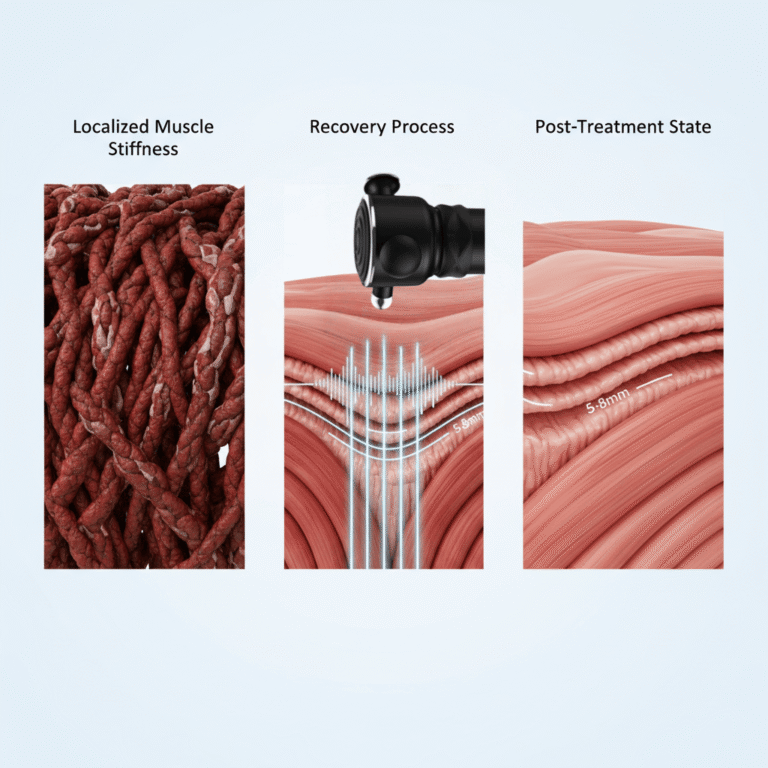
Vibration therapy1 uses high-frequency, multidirectional stimulation to mobilize fascia, joints, and nerves. It reduces pain by easing fascial stiffness2, improving blood flow3, and restoring motor control, which supports faster healing and better movement.

If you want to move without fear, keep reading. I explain practical steps and how this therapy helps seniors, back pain sufferers, and athletes.
Vibration Therapy for Seniors: Enhancing Mobility & Bone Strength?
Older people often fear falling. I have seen that fear shrink activity. Vibration therapy1 can reduce that fear and help maintain strength and balance.
Vibration therapy1 for seniors improves balance, proprioception4, and bone-loading signals5. It boosts willingness to move by improving sensory feedback and confidence. The result is more activity and better long-term health.
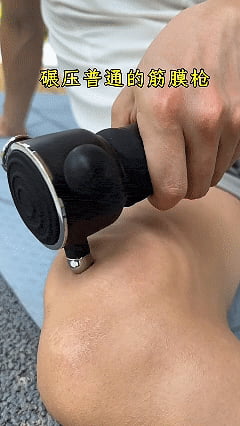
I worked with older clients who avoided movement because of weakness and fear. I used 3D vibration6 sessions with low impact. I started twice weekly. I watched balance improve and confidence grow. The vibration targets fascia and proprioceptors. It increases sensory input from feet and joints. This input helps the brain sense position better. Better sensing leads to better balance. Better balance leads to more walking and activity. More activity leads to improved bone loading and density over time. I also controlled intensity. I chose frequencies and amplitudes that felt safe. I monitored dizziness and pain. I adapted sessions to each person. Below is a simple comparison of goals and practical settings.
| Goal | Typical setting | Expected effect |
|---|---|---|
| Improve balance | 30–60 Hz, low amplitude | Better proprioception4 |
| Stimulate bone | 2–10 minutes, standing platform | Micro-loading signals |
| Increase confidence | Supervised sessions | More activity, less fear |
| Reduce stiffness | Local 3D device, 4500–7500 rpm | Fascia mobility |
I kept sessions short at first. I added sensory tasks like weight shifts. I encouraged safe walking after vibration. I saw a clear chain. Sensory input improved. Movement became easier. Activity increased. Bone and muscle health followed.
Vibration Therapy for Back Pain: Does It Really Help & How to Try It?
Back pain creates fear and guarding. I have treated people who avoided bending. Vibration therapy1 can break the pain-guarding cycle and allow safe movement.
3D vibration6 helps by loosening fascial restrictions, reducing muscle inhibition, and restoring movement patterns. When combined with guided movements, it helps people regain trust in their bodies and resume bending and turning.
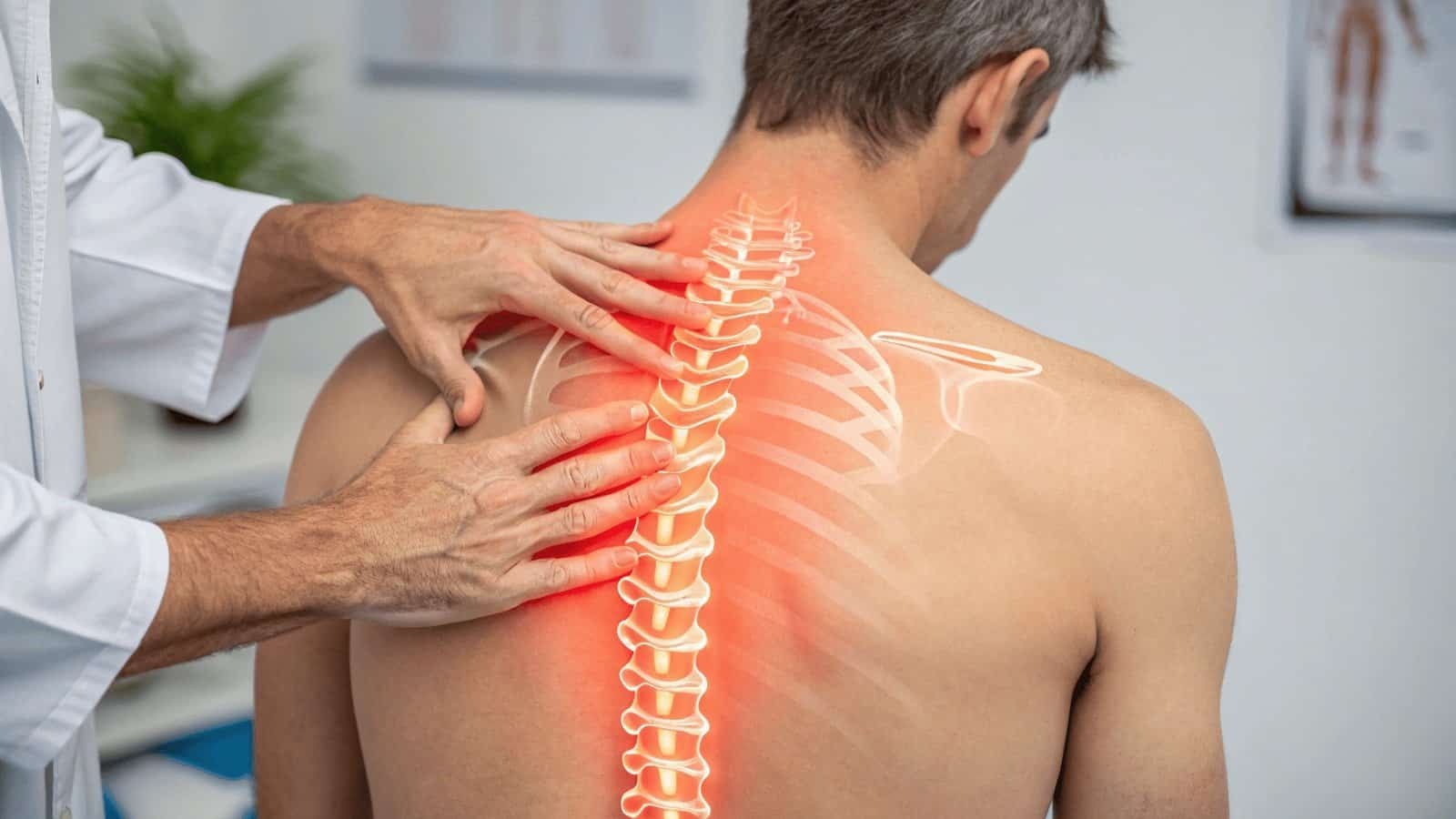
I treated a client with chronic low back stiffness7. He avoided bending and had weak movement patterns. I used localized 3D vibration6 on the posterior chain. I set the device to 4500–6000 rpm with 2.5 mm amplitude. I applied short bursts to the lumbar fascia and glutes. I followed with simple, pain-free bending drills. I noticed immediate reductions in perceived stiffness. The client reported less fear when bending. The vibration likely reduced fascial tightness and helped muscles re-engage. The restored movement led to gradual strengthening. Here is a stepwise protocol I used.
- Assess movement and pain triggers.
- Apply 3D vibration6 to stiff fascia for 1–2 minutes per area.
- Re-assess movement and pain.
- Introduce simple, graded movement tasks.
- Repeat and progress intensity gradually.
I monitored responses. I reduced pressure if pain increased. I emphasized slow progression. I encouraged clients to try normal tasks they had avoided. Many regained function and confidence.
"Best Vibration Therapy Machines of 2025: Expert Reviews & Comparisons?
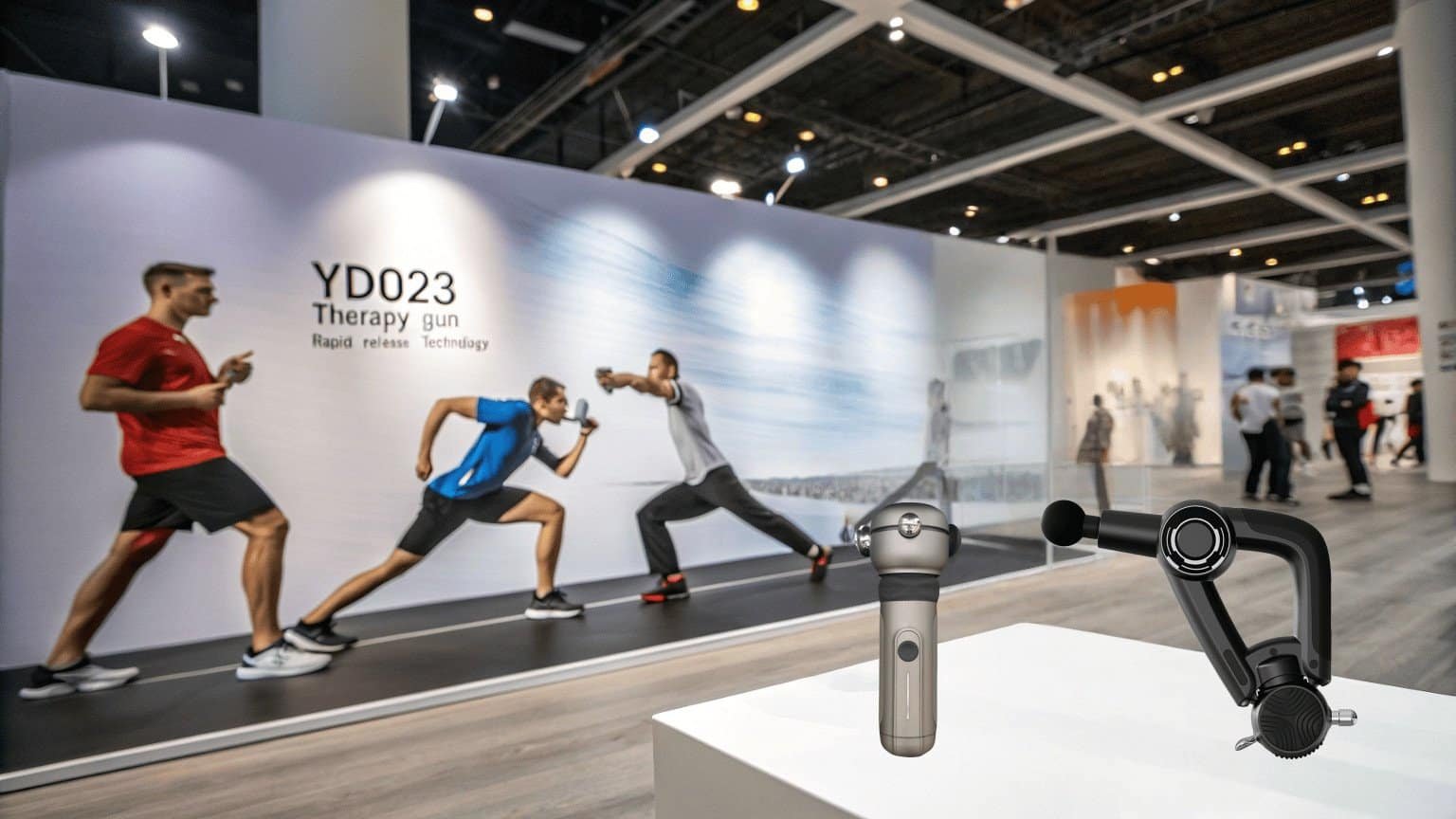
Choosing a device is confusing. I tested devices and compared technology and outcomes. I focused on rapid release therapy guns8 and 3D platforms.
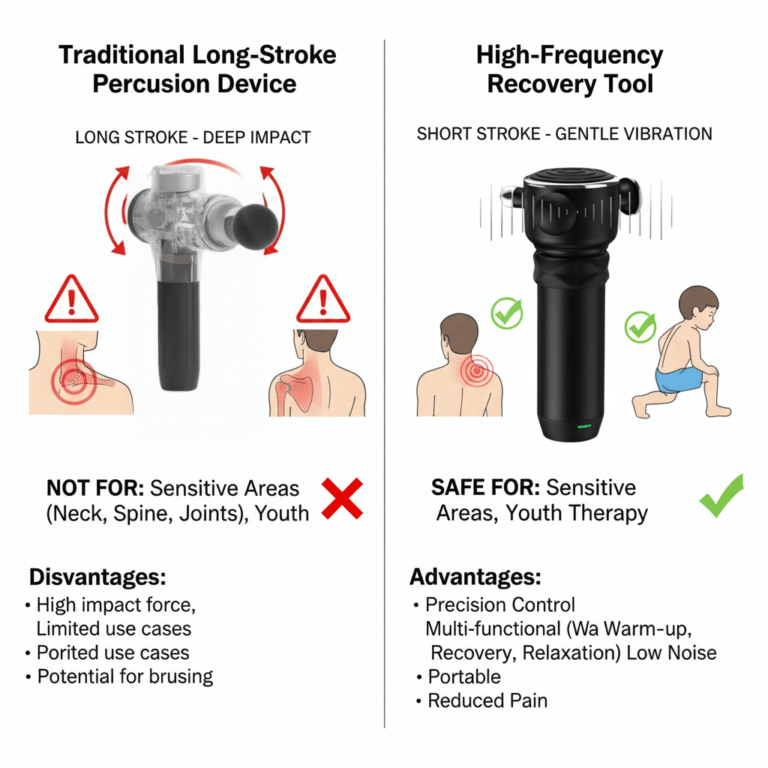
The best devices offer 3D vibration6 (vertical + horizontal), 4500–7500 rpm, 2–3.5 mm amplitude, and subcutaneous wave depth of about 6–8 mm. Rapid release guns give faster, deeper, and quieter performance than older fascia guns.
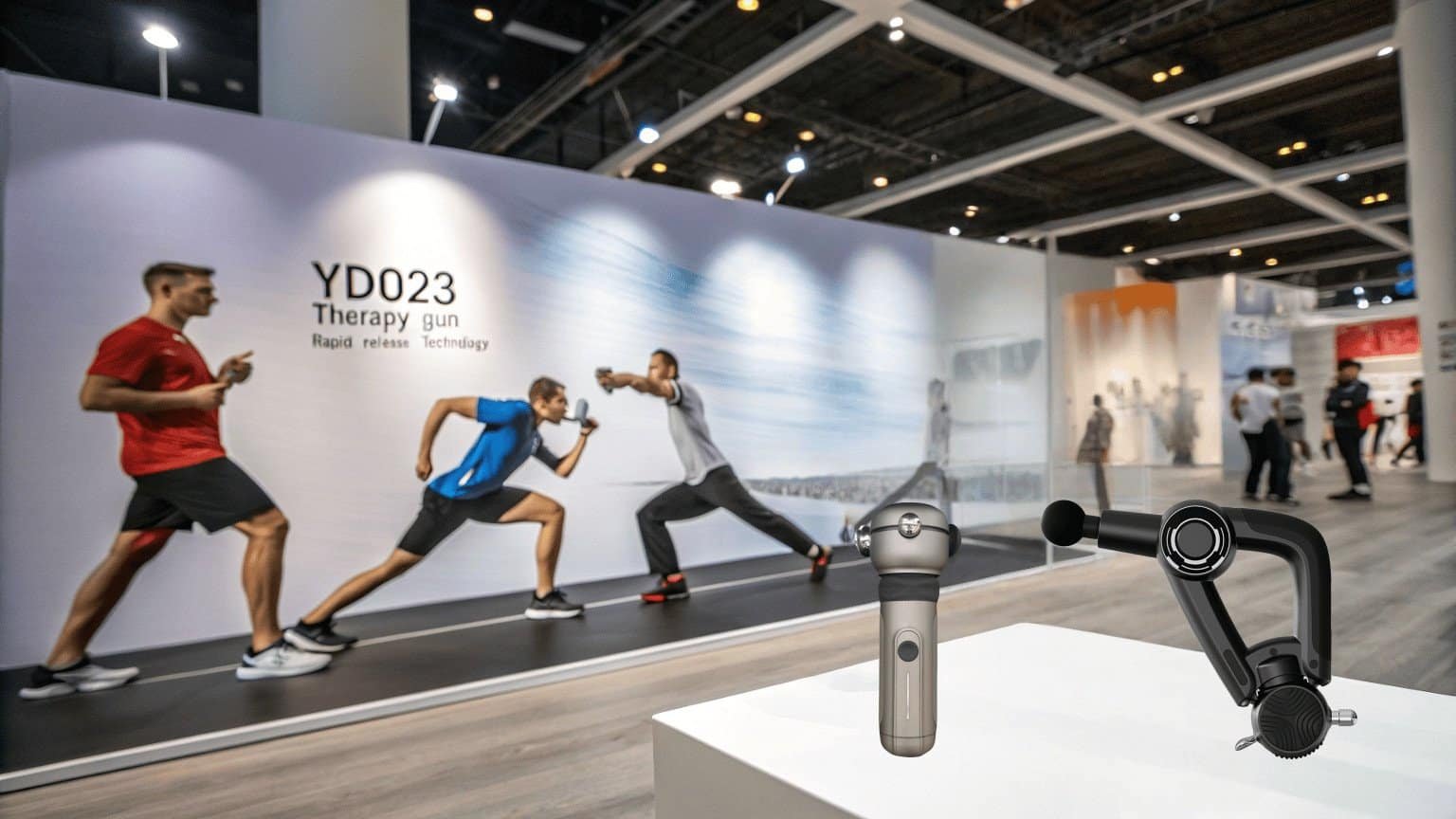
I compared several units in real sessions. I measured usability, noise, and clinical effect. Rapid release devices showed clear gains. They reached deeper tissues and worked on small areas like the neck, knee, and foot. I compiled a simple comparison below.
| Feature | Rapid Release Therapy Gun | Traditional Fascia Gun |
|---|---|---|
| Reachable areas | +15% (neck, knee, foot) | Standard |
| Max speed | +160% rpm | Lower rpm |
| Relaxation efficiency | +180% | Standard |
| Noise | -23% | Louder |
| Vibration type | 3D (vertical + horizontal) | Mostly vertical |
I also looked at practical matters. I checked battery life and attachments. I noted how people held each device. I listened for noise and tested how quickly tissues felt relieved. I gave higher preference to devices that felt safer for seniors and back pain users. I favored devices with adjustable depths9 and clear speed labels. I preferred units that allowed short, targeted bursts10. I also valued clinical protocols11 and support from manufacturers. In my experience, device choice matters. Proper use matters more. I trained users to start low and progress slowly.
Conclusion
Vibration therapy1 rebuilds bodily availability and confidence. It eases stiffness, improves blood flow, and restores safe movement.
-
Explore this link to understand the fundamentals of vibration therapy and its benefits for pain relief. ↩ ↩ ↩ ↩ ↩ ↩
-
Discover how fascial stiffness impacts your body and ways to alleviate it. ↩
-
Find out why improving blood flow is crucial for recovery and overall health. ↩
-
Understand the significance of proprioception in maintaining balance and preventing falls. ↩ ↩
-
Explore the connection between bone-loading signals and maintaining strong bones. ↩
-
Learn about the advantages of 3D vibration therapy over conventional techniques. ↩ ↩ ↩ ↩ ↩
-
Discover various treatment options for chronic low back stiffness and their effectiveness. ↩
-
Explore how rapid release therapy guns can enhance your therapy sessions. ↩
-
Learn how adjustable depths in devices can enhance therapy effectiveness. ↩
-
Discover how targeted bursts can improve the outcomes of vibration therapy. ↩
-
Understand the importance of clinical protocols in ensuring safe and effective therapy. ↩