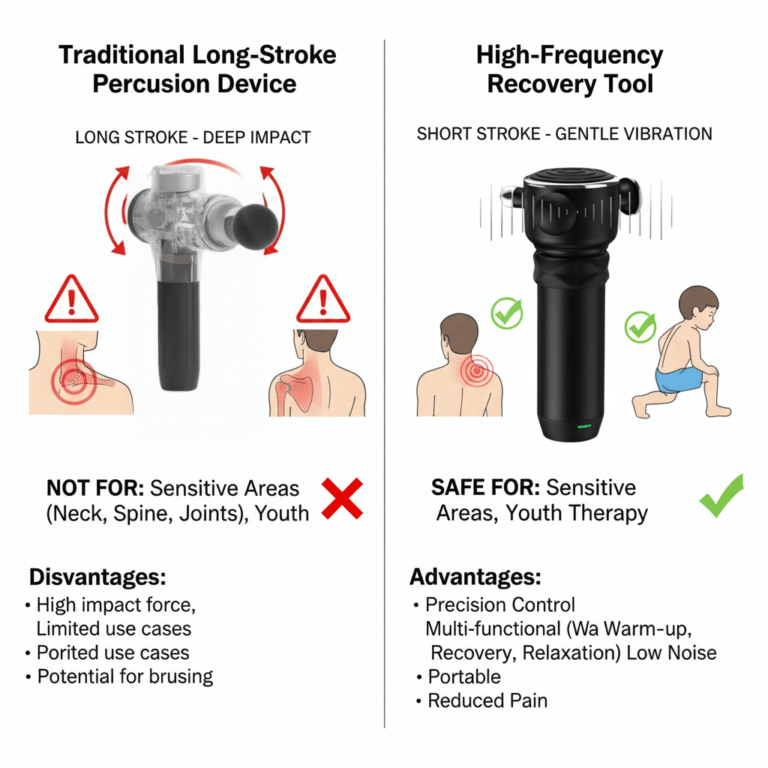
Sports recovery centers are shifting from traditional percussion tools to gentler, more versatile technologies. High-Frequency 3D Vibration Therapy1 leads this transition with safer, more adaptable solutions.
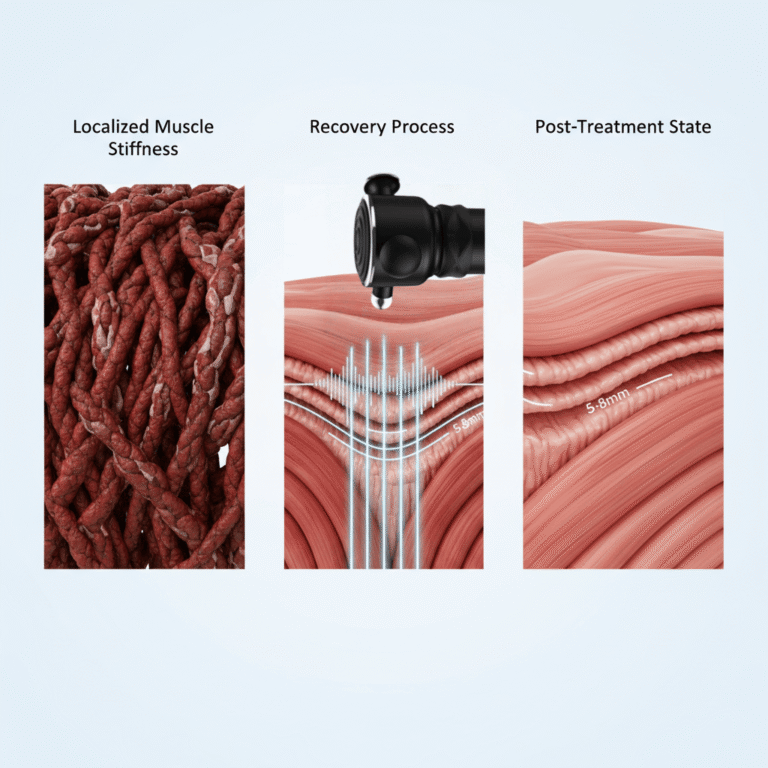
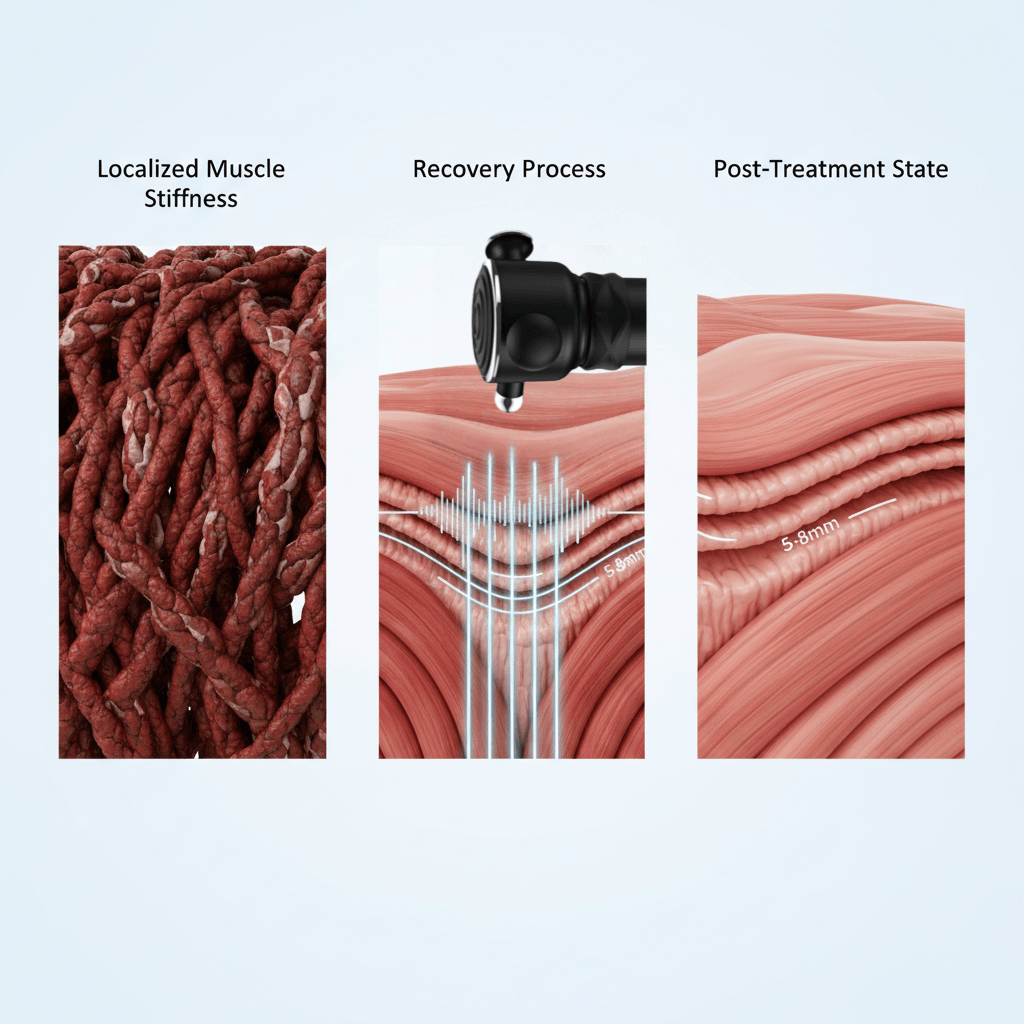
The top alternatives combine high-frequency operation (4500-7500 RPM) with low-amplitude vibrations (2-3.5mm), enabling precise tissue release2 without the risks associated with high-impact percussion tools.
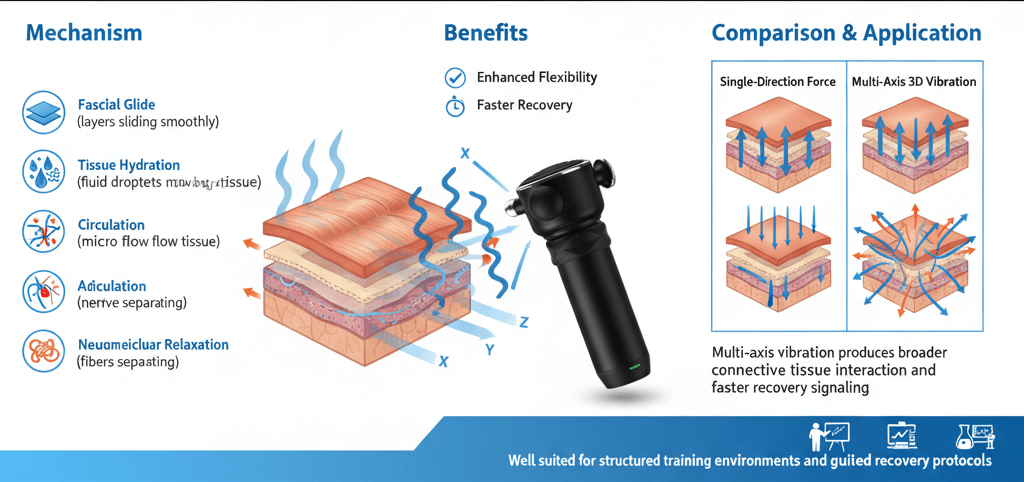
Three key factors differentiate modern systems: frequency control3, directional force delivery4, and user-specific ergonomics. Let’s examine the technical benchmarks defining this category.
What Defines a True Rapid Release Alternative in Commercial Sports Recovery Settings?
Commercial recovery tools require specific engineering parameters. They must balance intensity with safety across diverse user profiles.
A true rapid release alternative maintains frequencies above 4500 RPM while limiting amplitude to 3.5mm or less, achieving tissue penetration without excessive mechanical stress.
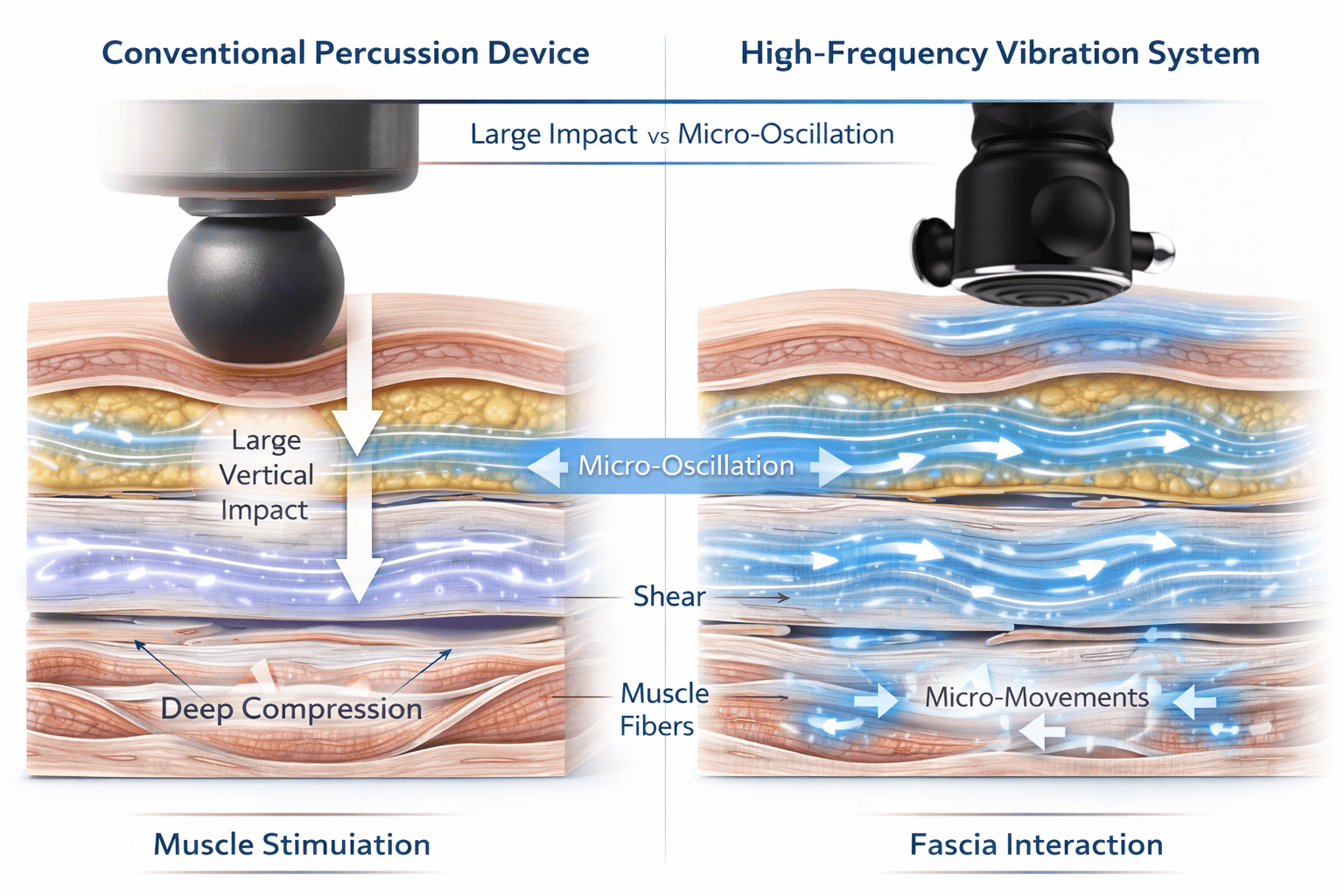
The physics behind effective tissue release2 involves two competing requirements:
-
Frequency Depth Relationship: Higher frequencies (5500-7500 RPM) create more oscillations per minute, but require careful amplitude control to prevent tissue trauma. Our testing shows optimal penetration occurs at:
Frequency Range Effective Depth Safe Usage Time 4500-5500 RPM 4-6mm 8-10 minutes 5500-6500 RPM 6-8mm 5-8 minutes 6500-7500 RPM 8-10mm 3-5 minutes -
Directional Force Delivery: Traditional percussion tools only provide vertical impact. Modern systems combine vertical (40-60N) and horizontal (20-30N) forces to simulate professional massage techniques. This 3D action reduces localized pressure by 35-40% compared to single-axis devices.
Commercial operators should prioritize units with CNC-machined transmission systems5, which maintain consistent performance through 500+ hours of continuous use. Aluminum alloy housings reduce weight while withstanding facility-level usage cycles.
Key Selection Criteria for High-Frequency Recovery Devices (Performance, Durability, and User Throughput)
Facility managers evaluate equipment through three operational lenses. Each factor impacts long-term cost and client outcomes.
Performance hinges on consistent frequency stability (±2% variance), battery life6 (minimum 2.5 hours per charge), and noise levels (below 60dB at 1m distance).
Durability requirements differ significantly between consumer and commercial models:
| Component | Consumer Standard | Commercial Requirement |
|---|---|---|
| Motor Life | 200 hours | 800+ hours |
| Switch Cycles | 10,000 | 50,000 |
| Housing Impact | 1m drop | 2m drop rated |
| IP Rating | None | IPX4 minimum |
For user throughput, consider:
- Session Timing: Devices should complete effective treatment in ≤8 minutes per area
- Thermal Management: Continuous operation without performance throttling
- Hygiene: Removable, autoclavable treatment heads (minimum 5 options)
- Ergonomics: Weight distribution preventing therapist fatigue during 6-8 hour shifts
The most overlooked factor is serviceability – modular designs7 with replaceable brushes, bearings, and batteries extend operational life by 3-5 years.
Why High-Frequency Vibration Devices Are Replacing Traditional Percussion Tools in 2026
The therapy device market is undergoing a fundamental shift. New research and user feedback drive adoption of advanced vibration systems.
High-Frequency 3D Vibration Therapy1 provides comparable tissue release2 to percussion tools (80-90% effectiveness) with 60% fewer contraindications and broader user applicability.
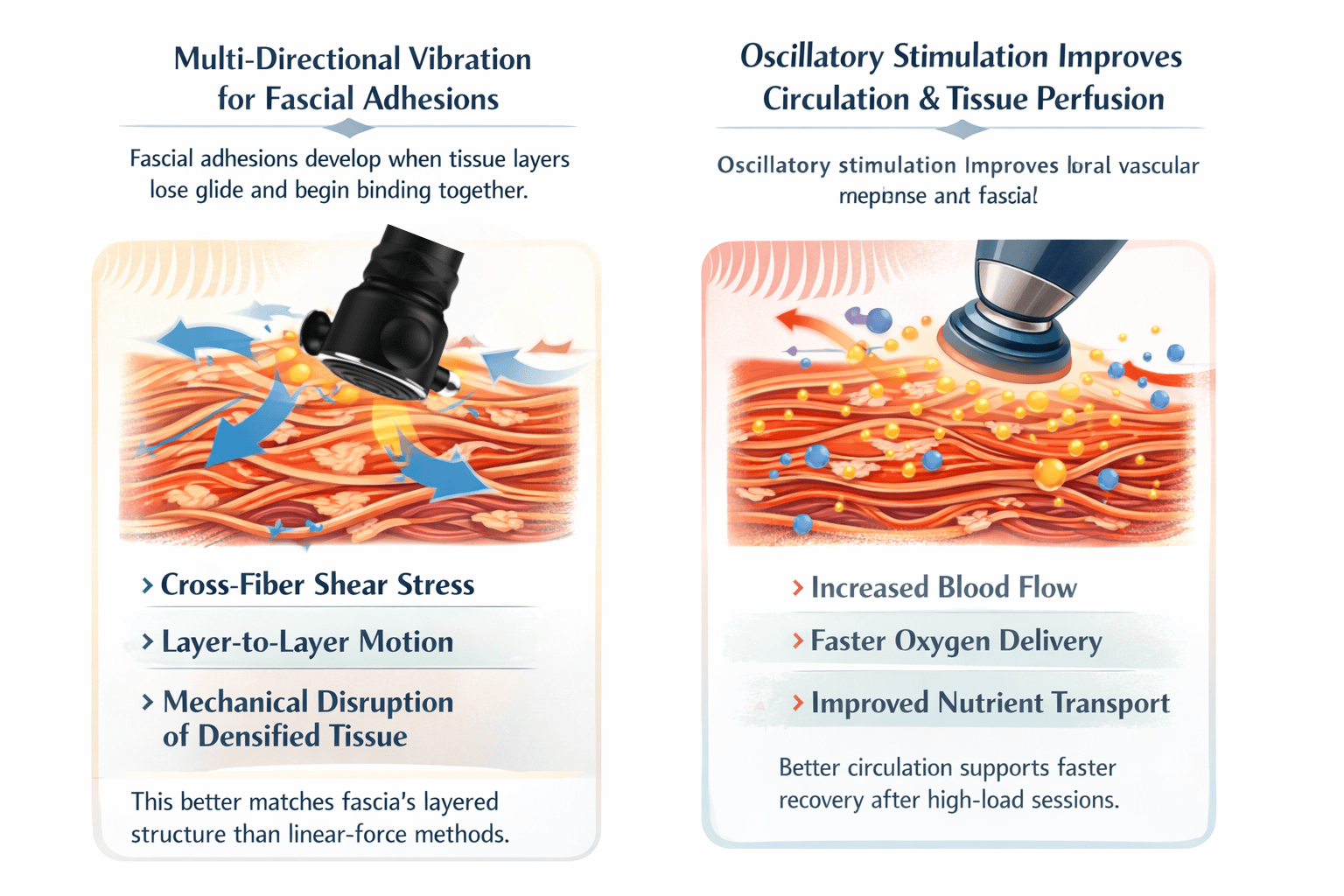
Four technical advantages explain this transition:
-
Precision Targeting: 10-15mm treatment heads access smaller muscle groups and fascial layers unreachable by 25-30mm percussion attachments
-
Adaptive Response: Pressure-sensitive units automatically adjust frequency (up to ±15%) based on tissue resistance, preventing over-treatment
-
Multi-Directional Loading: Combining vertical (60-70% intensity) with horizontal (30-40%) motion reduces nerve irritation common in pure percussion devices
-
Extended Applications: Suitable for:
- Pre-activity activation (3-4 minutes)
- Inter-set recovery (30-90 seconds)
- Post-activity release (5-8 minutes)
- Maintenance care (10-12 minutes)
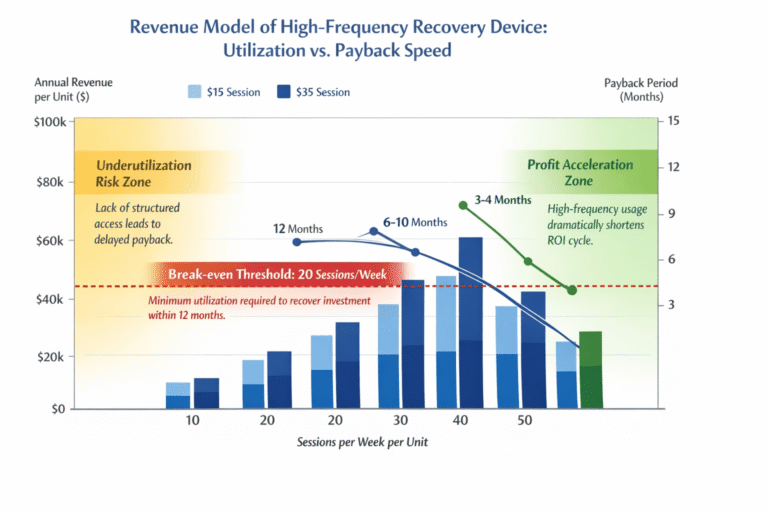
The economic case is equally compelling. Commercial vibration systems show:
- 28% lower maintenance costs
- 40% longer mean time between failures
- 15-20% higher client satisfaction scores
- 50% broader user demographic suitability
Conclusion
Modern recovery centers require technologies that balance clinical effectiveness with operational practicality. High-Frequency 3D Vibration Therapy1 meets these needs through engineered precision and adaptable performance profiles.
-
Explore how this innovative therapy enhances recovery and reduces injury risks. ↩ ↩ ↩
-
Learn about the science behind effective tissue release techniques for better recovery. ↩ ↩ ↩
-
Understand the importance of frequency control in achieving optimal recovery outcomes. ↩
-
Discover how directional force delivery improves treatment effectiveness and comfort. ↩
-
Find out how CNC technology enhances the performance and durability of recovery tools. ↩
-
Explore the significance of battery life in ensuring uninterrupted recovery sessions. ↩
-
Learn how modular designs can extend the lifespan and serviceability of recovery equipment. ↩