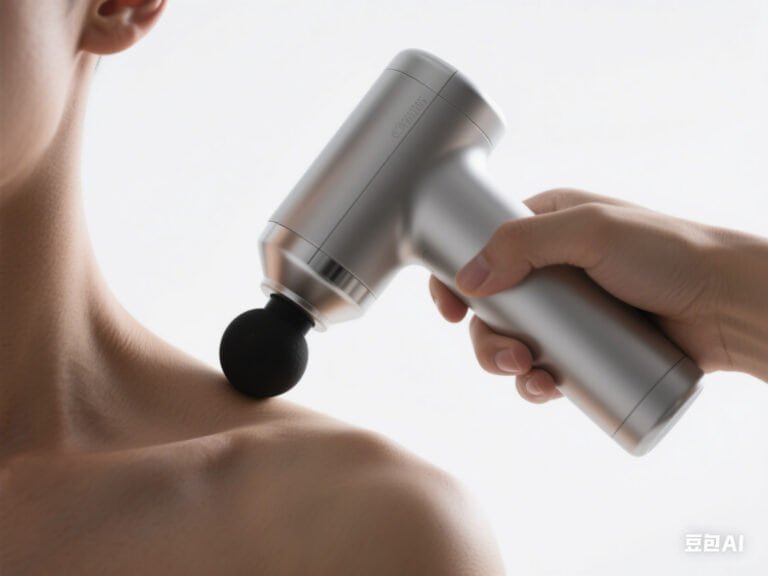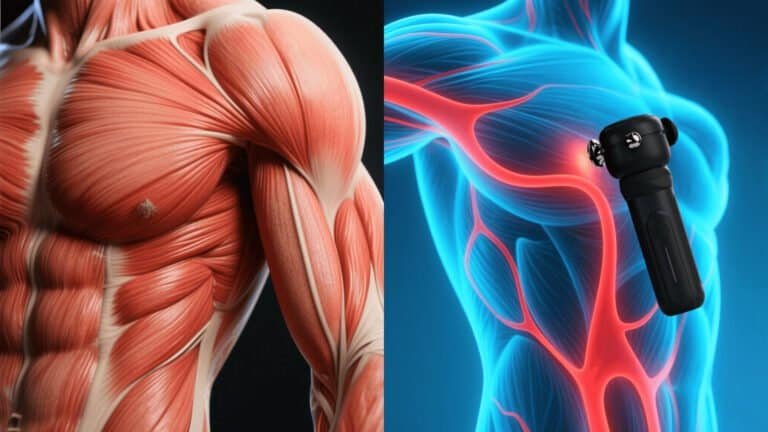
Experiencing knee pain while running? It could be Iliotibial Band Syndrome (ITBS)1. Let’s explore how high-frequency percussion massage2 can help.
High-frequency percussion massage may help ITBS by loosening the surrounding muscles, improving blood flow, and reducing pain. However, it’s important to note that it is a supportive therapy3 and needs to be used with other interventions.
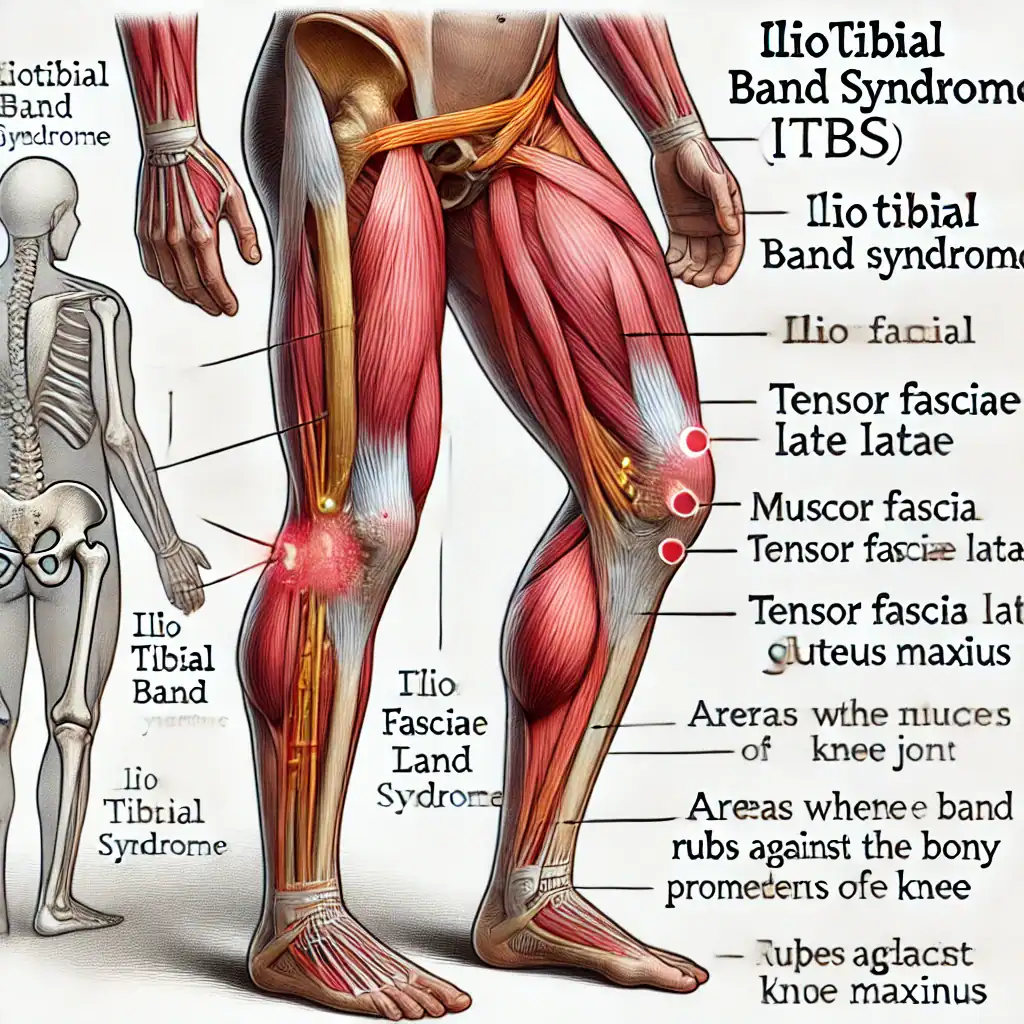
Let’s take a closer look at ITBS and how you can manage it.
Does a Massage Gun Help ITBS?
ITBS can be a runner’s worst nightmare. It’s that sharp, burning pain on the outside of your knee that just won’t go away.
Yes, a massage gun can help ITBS by targeting the muscles around the IT band, which can help to release tension4 and reduce pain. But it’s not a standalone cure.
Here’s what you need to know about using massage guns for ITBS relief.
How Massage Guns Help with ITBS
ITBS occurs when the iliotibial (IT) band, a thick band of tissue that runs along the outside of your thigh from your hip to your knee, becomes tight and inflamed. This can cause it to rub against the bony prominence of your knee, resulting in pain.
Massage guns can help in several ways:
- Releasing Muscle Tension: By targeting the surrounding muscles (like the TFL, glutes, and quads), massage guns can help reduce tension and tightness that contributes to IT band issues.
- Improving Blood Flow5: Increased blood flow to the area can promote healing and reduce inflammation.
- Pain Relief: Percussion massage can help to disrupt pain signals and provide temporary relief.
- Improving flexibility: Massage guns can help to improve flexibility, thereby preventing future injuries
However, it’s important to remember that massage guns are just one piece of the puzzle. It’s important to combine them with other strategies, such as stretching, foam rolling, and strengthening exercises. If symptoms persist, see a healthcare professional for personalized care.
Should I Use Theragun Before or After Stretching?
Stretching is a key part of ITBS management. Should you use a massage gun before or after stretching?
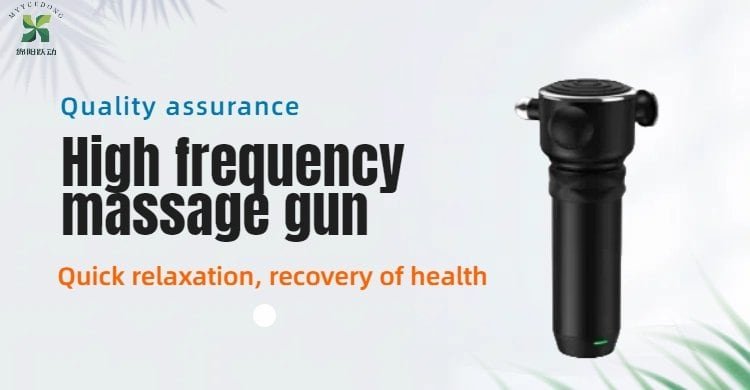
You can use a massage gun both before and after stretching, depending on your goals. Before stretching, it can help to loosen tight muscles6. After stretching, it can help to reduce soreness7 and promote recovery.
Let’s look at the benefits of each approach.
Using a Massage Gun Before and After Stretching
Here’s a breakdown of how massage guns can complement your stretching routine:
Before Stretching:
- Loosens Tight Muscles: Massage guns can help to relax tight muscles around the IT band, making stretching more effective.
- Increases Blood Flow: Increased blood flow can help prepare the muscles for stretching.
- Reduces Pain: By reducing muscle tension, massage guns can make stretching more comfortable.
After Stretching:
- Reduces Soreness: Massage guns can help to reduce muscle soreness and inflammation after stretching.
- Promotes Recovery: By improving blood flow, massage guns can help to speed up the recovery process.
- Maintains Flexibility: Massage guns can help to maintain the increased flexibility gained from stretching.
Ultimately, the best approach depends on your individual needs and preferences. Experiment with both methods to see what works best for you.
Is it Good to Use a Massage Gun on a Strained Muscle?
ITBS can feel like a muscle strain, but it’s not quite the same. So, should you use a massage gun on it?
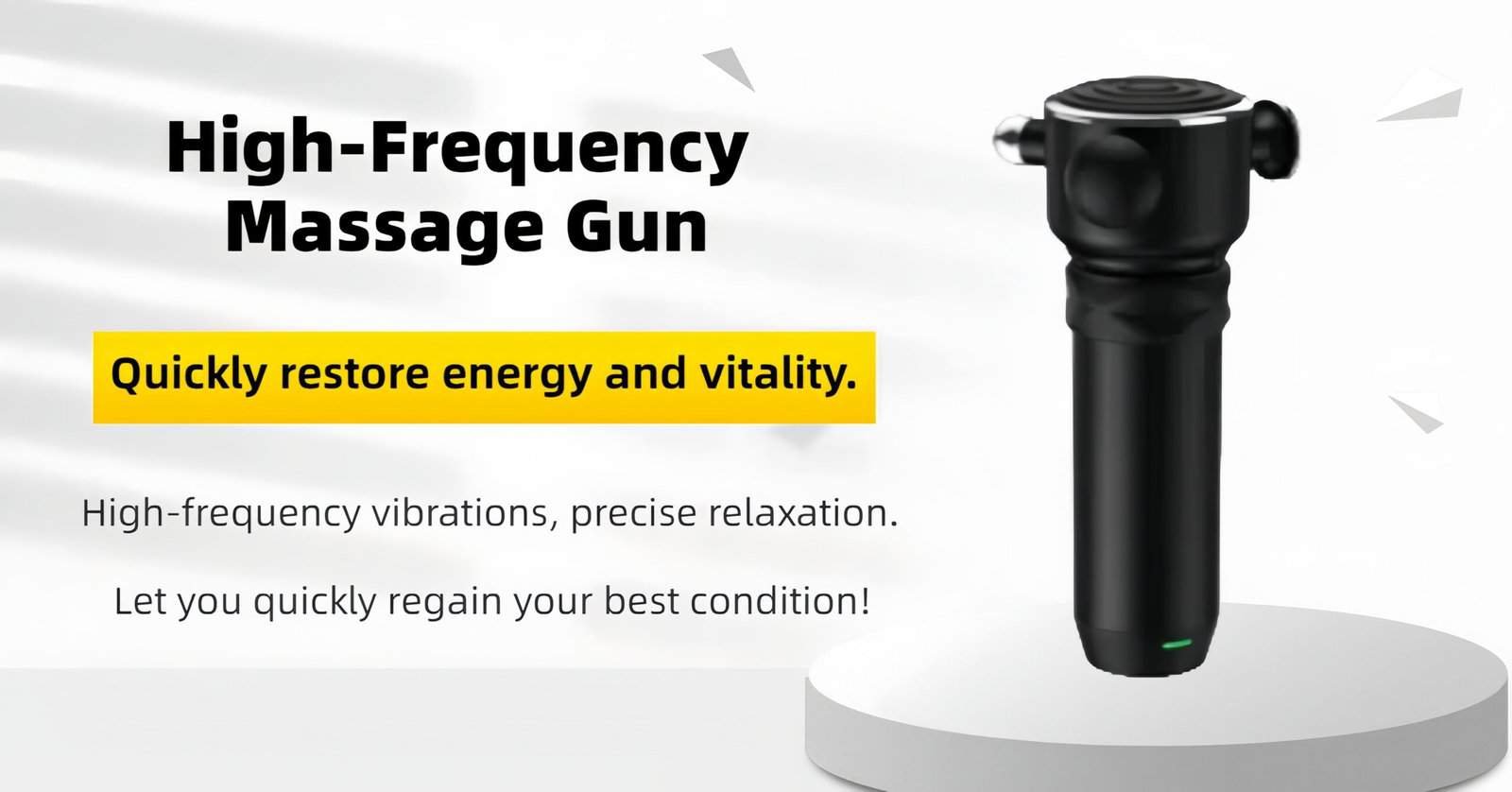
Using a massage gun directly on a strained muscle is generally not recommended, as it can aggravate the injury. However, you can use it on the surrounding muscles to relieve tension.
Let’s clarify how to approach ITBS and muscle strains with a massage gun.
Massage Guns and ITBS vs. Muscle Strains
Here’s the key difference: ITBS is an overuse injury that affects the IT band, while a muscle strain is a tear in the muscle fibers.
- ITBS: Focus on using the massage gun on the surrounding muscles (TFL, glutes, quads) to release tension and improve blood flow. Avoid direct pressure on the IT band itself.
- Muscle Strain: Avoid using the massage gun directly on the injured muscle, as this can worsen the injury. Instead, focus on gently massaging the surrounding muscles to relieve tension.
If you’re unsure whether you have ITBS or a muscle strain, it’s best to consult with a healthcare professional for a proper diagnosis.
Is a Percussion Massage Better Than Stretching?
Both percussion massage and stretching are commonly used for ITBS, but which one is better?
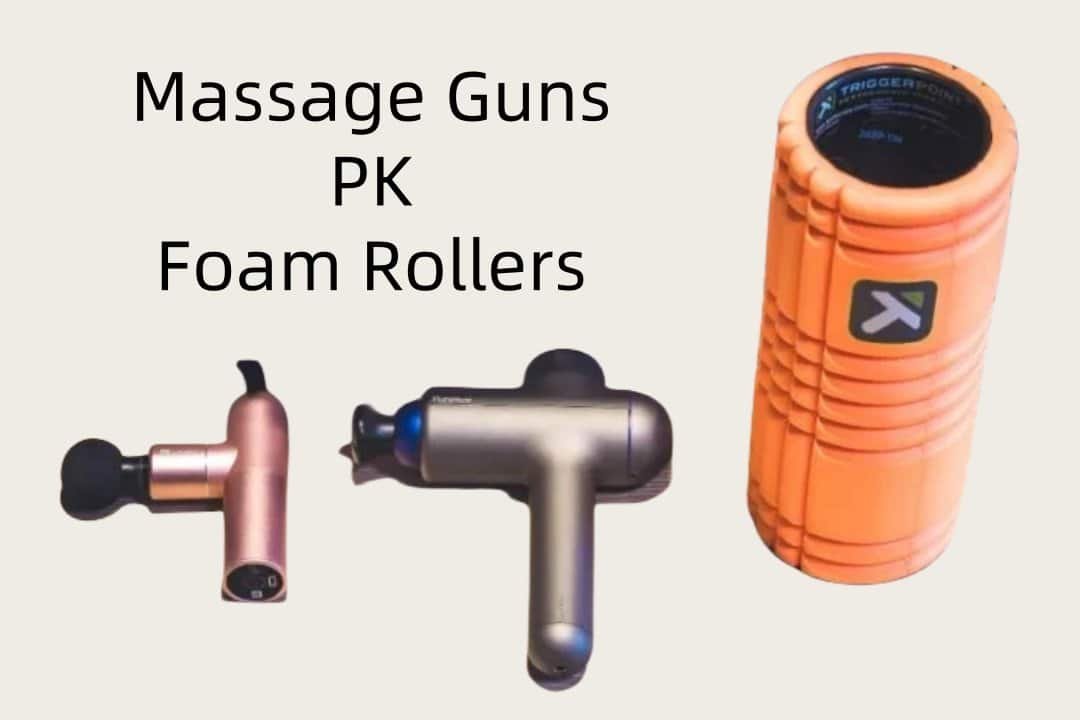
Percussion massage and stretching are both valuable tools for managing ITBS, but they work in different ways. Percussion massage focuses on loosening tight muscles and improving blood flow, while stretching focuses on increasing flexibility. Using both is the best approach.
Let’s understand their unique benefits.
Comparing Percussion Massage and Stretching
Here’s a comparison of the benefits of percussion massage and stretching for ITBS:
| Benefit | Percussion Massage | Stretching |
|---|---|---|
| Muscle Relaxation | Excellent for releasing muscle tension | Good for increasing muscle length |
| Blood Flow | Improves circulation | Can improve circulation |
| Pain Relief | Can provide temporary pain relief | Can reduce pain over time |
| Flexibility | Indirectly improves flexibility by relaxing tight muscles | Directly increases flexibility |
| Injury Prevention | Can help prevent injuries by addressing muscle imbalances | Can help prevent injuries by increasing flexibility and mobility |
Ideally, incorporate both percussion massage and stretching into your ITBS management routine for best results.
Conclusion
Percussion massage can be a helpful tool for managing ITBS. Combine it with stretching and other therapies for best results.
-
Understanding ITBS is crucial for effective treatment. Explore this link for comprehensive insights and management strategies. ↩
-
Discover the benefits of high-frequency percussion massage for muscle recovery and pain relief. This resource provides valuable information. ↩
-
Learn about various supportive therapies that can complement your treatment for knee pain, enhancing recovery and comfort. ↩
-
Learn various techniques to release tension in the IT band, which is essential for managing ITBS effectively. This link offers valuable methods. ↩
-
Learn how enhancing blood flow can aid in recovery and reduce inflammation, essential for managing ITBS effectively. ↩
-
Learn about the importance of loosening tight muscles for better flexibility and injury prevention. ↩
-
Discover effective techniques to reduce muscle soreness and enhance your post-workout recovery. ↩