High-Frequency 3D Vibration Therapy1 and TENS2 serve distinct roles in muscle recovery. Their effectiveness depends on workflow requirements rather than absolute performance.
High-Frequency 3D Vibration Therapy1 excels in high-throughput environments, while TENS2 is better suited for targeted, clinical-grade stimulation. Both technologies complement rather than compete with each other in professional settings.
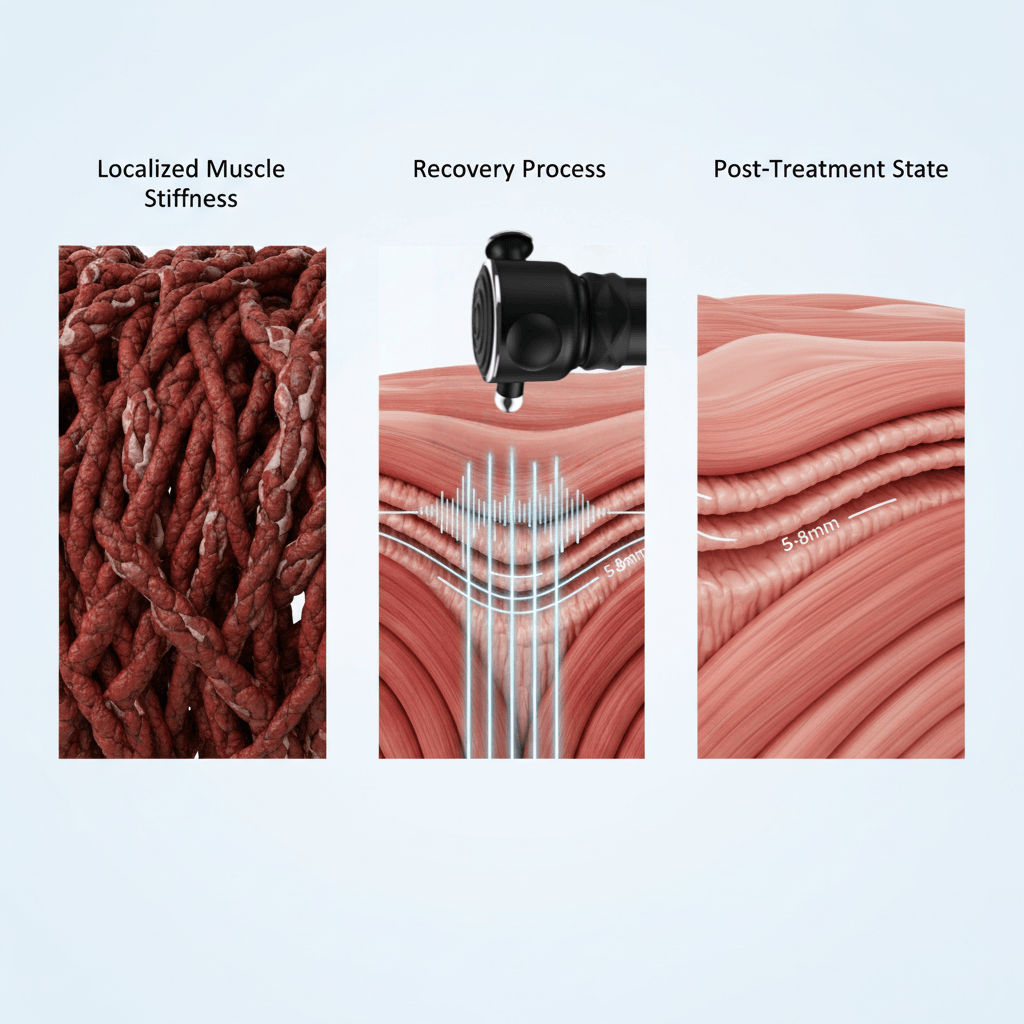
The choice between these systems involves fundamental trade-offs in treatment scope, user throughput, and equipment logistics. Let’s examine the key decision factors.
Different Mechanisms, Different Roles: Positioning Vibration and TENS2 in Modern Recovery Workflows
Muscle recovery technologies follow different design philosophies. Each serves specific physiological pathways.
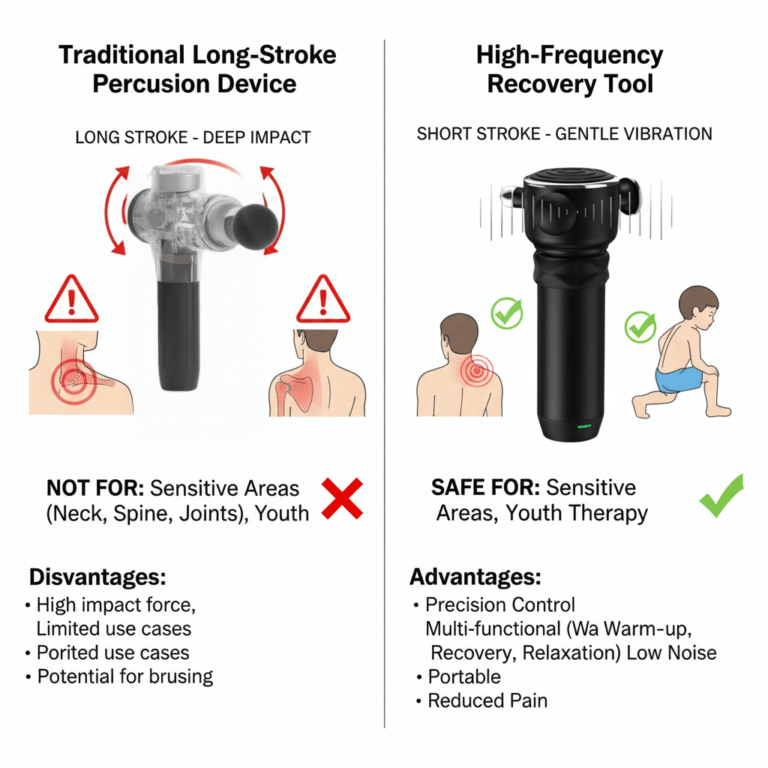
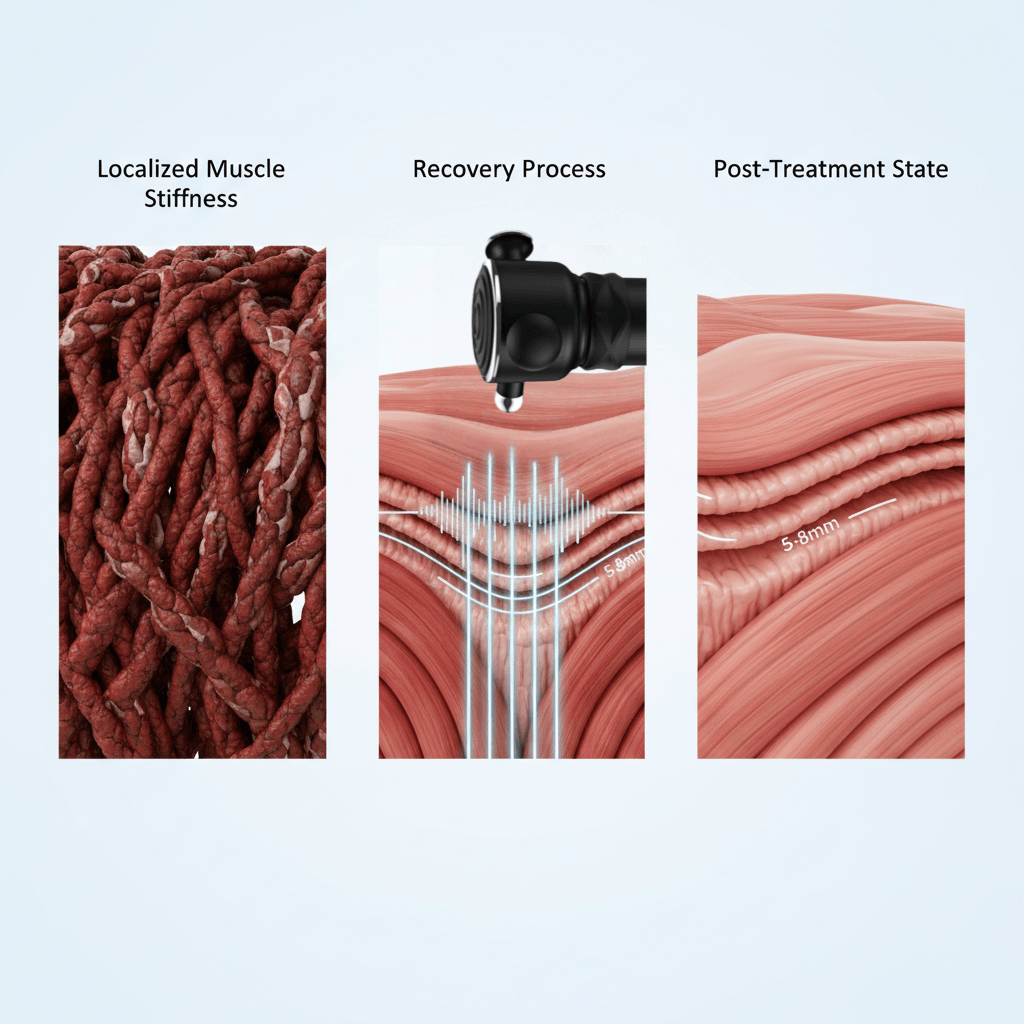
High-Frequency 3D Vibration Therapy1 uses mechanical oscillations3 (4500-7500 RPM) to stimulate muscle spindles and improve circulation. TENS2 employs electrical pulses4 (typically 2-150Hz) to modulate nerve signals. Their mechanisms create different operational profiles:
| Parameter | High-Frequency 3D Vibration Therapy1 | TENS2 |
|---|---|---|
| Stimulation Type | Mechanical vibration | Electrical current |
| Depth | 6-8mm muscle tissue | Nerve pathways |
| Session Duration | 5-10 minutes | 15-30 minutes |
| User Capacity | 15-20 users/hour | 4-6 users/hour |
| Training Required | Minimal | Moderate |
In professional sports facilities, we’ve observed vibration systems handling 3x more daily sessions than TENS2 units. The 3D oscillation pattern provides whole-muscle stimulation without electrode placement requirements. However, TENS2 offers superior precision for specific trigger points when administered by trained personnel.
From Setup to Throughput: Why Ease of Use and Session Efficiency Matter in High-Demand Environments
Recovery equipment must align with operational realities. Time and space constraints often dictate technology choices.
High-Frequency 3D Vibration Therapy1 requires about 30 seconds of setup per user – just power on and apply. TENS2 needs 3-5 minutes for electrode placement and parameter adjustment. This difference becomes critical in busy training centers:
- Vibration systems allow concurrent use by multiple athletes
- TENS2 units typically serve one user at a time
- Staff can supervise 4-5 vibration sessions simultaneously
- TENS2 requires dedicated attention per session
We’ve measured throughput differences in collegiate athletic programs:
The table below shows typical workflow comparisons:
| Workflow Stage | High-Frequency 3D Vibration Therapy1 | TENS2 |
|---|---|---|
| Preparation | Wipe down attachment | Apply gel, place pads |
| Application | Direct contact | Precision placement |
| Adjustment | 5 intensity levels | Frequency/width tuning |
| Cleanup | 10-second wipe | Pad disposal |
Procurement Perspective: Choosing Between Targeted Stimulation and Scalable Recovery Solutions
Equipment selection should match organizational recovery protocols. Consider both technical and operational factors.
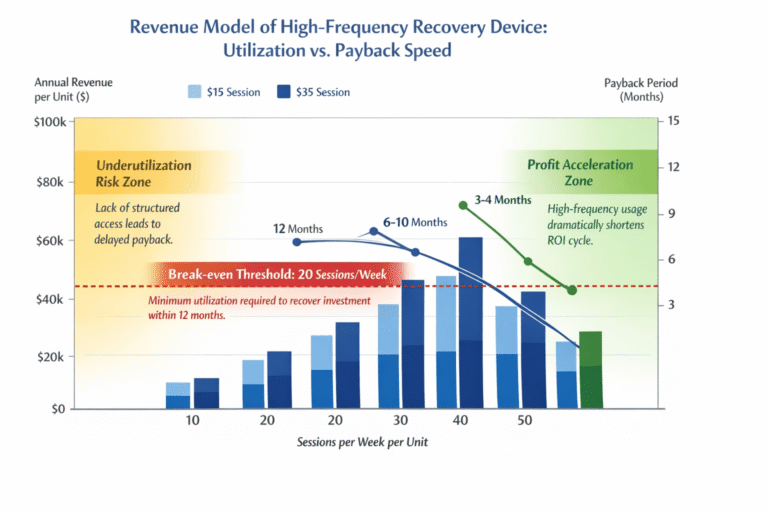
High-Frequency 3D Vibration Therapy1 systems typically cost $800-$1500 per unit with minimal consumables. TENS2 units range from $300-$800 but require ongoing pad replacements ($0.50-$1.00 per session). For facilities serving 50+ athletes daily, the math becomes clear:
- Vibration: $0.02/session (5-year lifespan)
Key procurement considerations:
- Staffing model (supervised vs. self-service)
- Treatment volume requirements
- Space allocation
- Maintenance capabilities
- Athlete preferences
In our consulting practice, we recommend vibration systems for:
- High-traffic weight rooms
- Team training facilities
- College athletic departments
While reserving TENS2 for: - Clinical therapy settings
- Specialized rehabilitation
- Individualized treatment plans
Conclusion
High-Frequency 3D Vibration Therapy1 offers superior scalability for group recovery, while TENS2 provides clinical-grade precision5. The optimal choice depends on your operational throughput requirements and staff resources.
-
Explore the advantages of this innovative therapy for enhancing muscle recovery and performance. ↩ ↩ ↩ ↩ ↩ ↩ ↩ ↩
-
Learn about TENS therapy’s mechanism and its effectiveness in targeted muscle recovery. ↩ ↩ ↩ ↩ ↩ ↩ ↩ ↩ ↩ ↩ ↩ ↩ ↩ ↩ ↩
-
Discover how mechanical oscillations can improve circulation and muscle function. ↩
-
Understand the role of electrical pulses in modulating nerve signals for effective recovery. ↩
-
Learn about the importance of precision in recovery therapies and its impact on treatment effectiveness. ↩