
Physical therapy1 helps with pain. But can help with more than that? Read on to find out!
Physical therapy addresses interrupted lives, not just diseases. While back pain2 and osteoarthritis3s](https://pmc.ncbi.nlm.nih.gov/articles/PMC9614272/)[^4] are common diagnoses, the real focus is restoring a patient’s ability to engage in essential life activities.
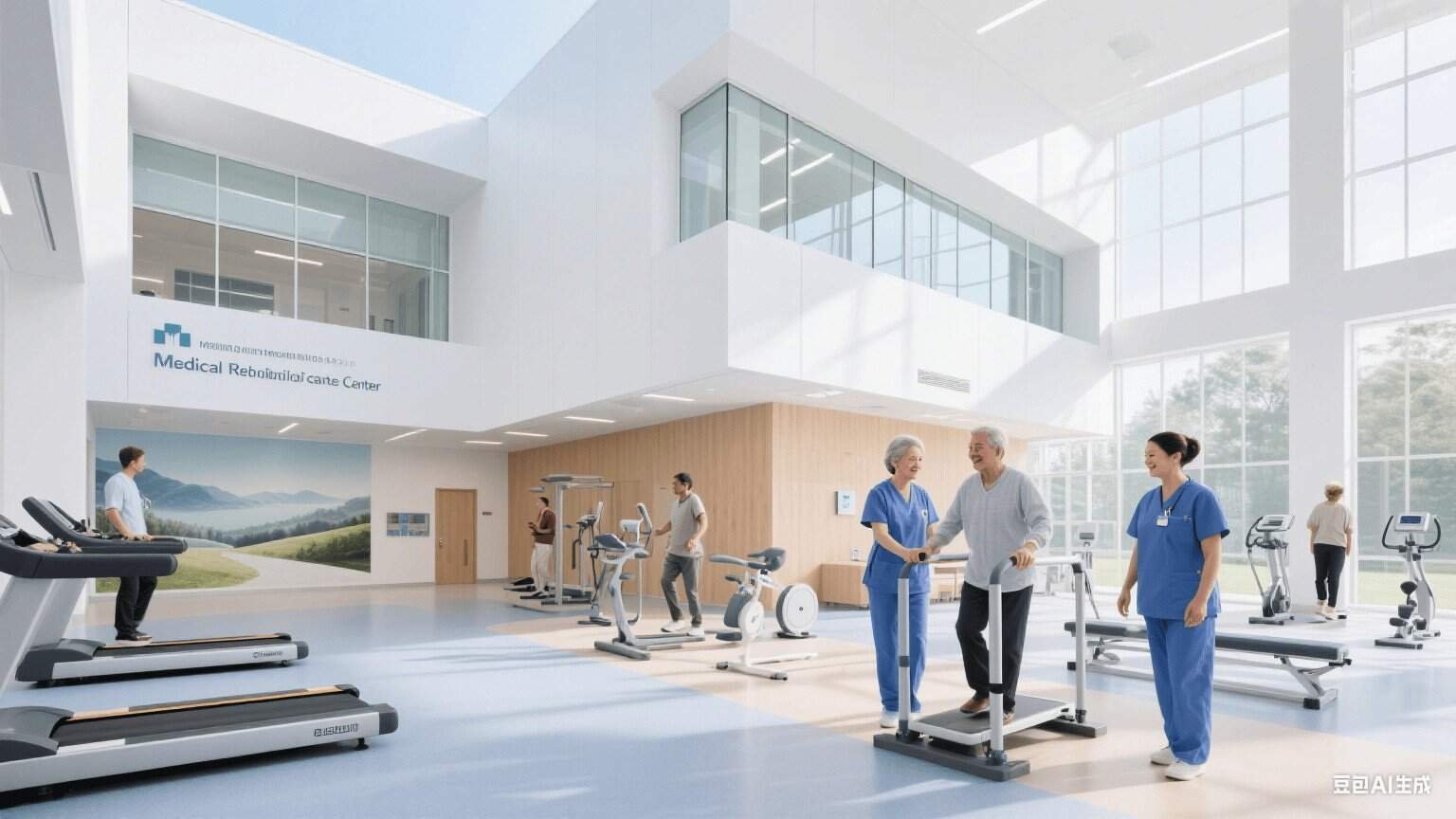
You might be wondering if physical therapy is right. Well, let’s dive into some specifics.
What Is the Most Common Physical Therapy Diagnosis?
Is it back pain? A sports injury perhaps? The answer might surprise you.
The most common physical therapy "diagnosis" is the disruption of a patient’s life story. It’s about helping people regain functional abilities4 and social roles5 they’ve lost due to pain or dysfunction6.

In the field, we often think of "lower back pain" or "osteoarthritis3" as the most common diagnoses. But, stepping back, what I see most is when a patient’s life narrative is interrupted. Think about an office worker who can’t sit long enough to finish projects because of back pain. Or grandparents who can’t play with grandkids because of knee arthritis. As therapists, we’re tackling the key life events and social roles5 patients have lost because they can’t function normally. We need to look at how we can get them back to their lives. For me, the value of physical therapy is changing from just easing pain to rebuilding how someone joins in society.
What Diseases Need Therapy?
What kind of illnesses require physical therapy? It can depend on your values.
Diseases requiring physical therapy are those that threaten an individual’s sense of purpose. When pain or dysfunction6 prevents someone from fulfilling important roles, physical therapy becomes essential.
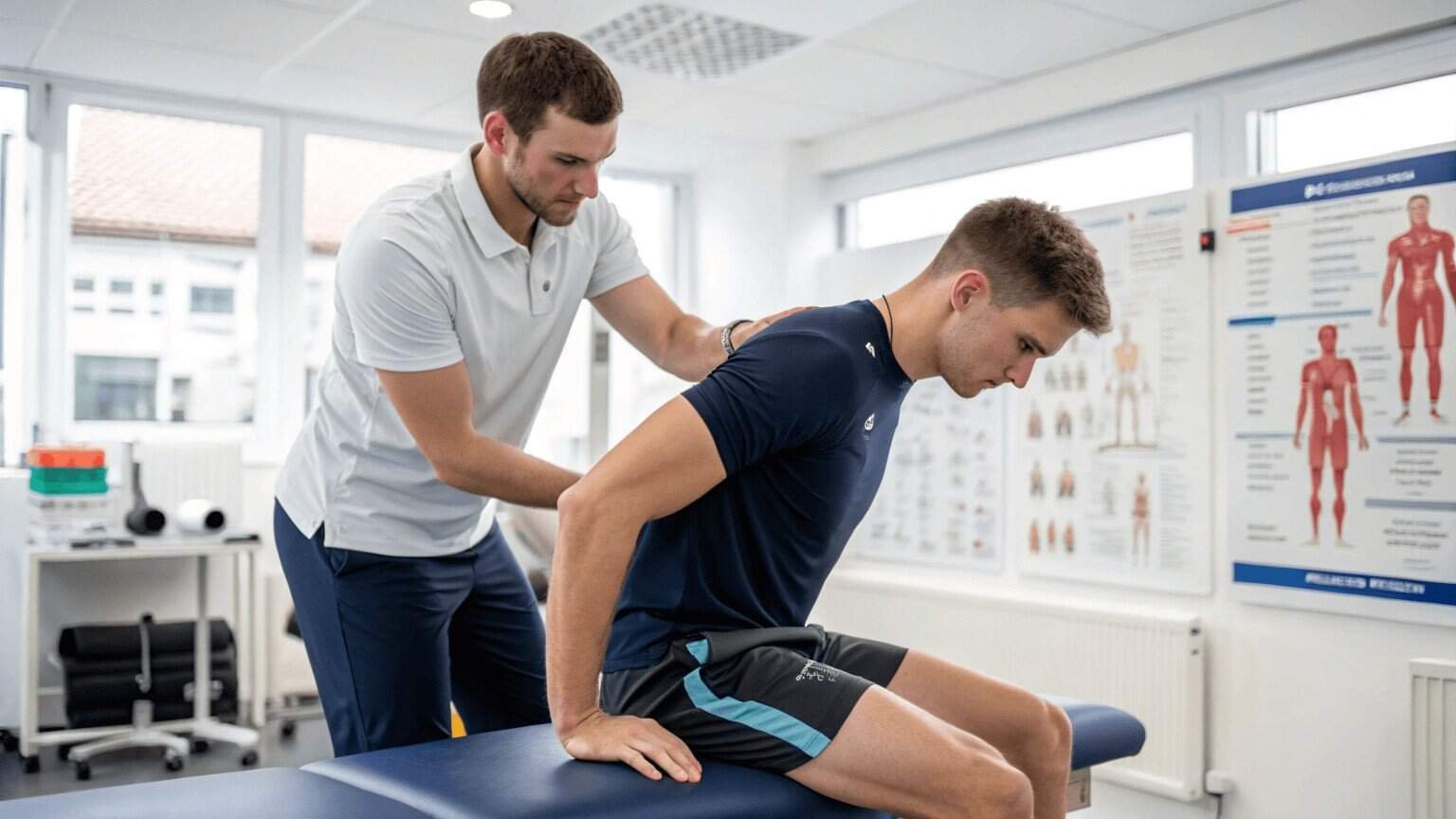
I think the diseases that really need physical therapy are the ones that mess with an individual’s "reason to be." When pain or trouble moving stops someone from doing what’s important to them—like work, family, or hobbies—then physical therapy becomes a must. This need isn’t about medical terms. Instead, it’s about what moments in someone’s life have been put on hold. In my opinion, we should see physical therapy as a way to fix those interrupted stories, not just deal with muscles and bones. We should aim to restart those paused chapters in people’s lives, and it goes beyond just fixing arthritis. I believe the value lies more in rebuilding someone’s ability to participate in society.
Does Physical Therapy Work for Arthritis?
Arthritis can be a pain to deal with daily. Can physical therapy ease the pain?
Physical therapy can be effective for arthritis. Its future lies in helping patients regain "social participation currency7." It’s not just about reducing pain or improving joint mobility, but enabling them to resume activities like hiking with family or shopping independently.

When you ask if physical therapy "works" for things like arthritis, people usually think about pain levels or how well joints move. But, I think the key is whether we can help patients build up their ability to take part in society again. For a person with arthritis, the real issue might be not being able to hike with their kids or feeling like they’ve lost their independence because they can’t shop on their own. If physical therapy just makes the body feel better but doesn’t help them do these things again (like climb stairs safely or lift groceries), then it’s "working," but not really giving them enough value. The reason why physical therapy is so important for diseases is that when your body stops you from joining in, therapy becomes like the path that connects you back to society. It’s what helps patients get back their "social money," like feeling fit and confident, and their "economic money," like being able to go back to work. Here’s how I see it: How well it works = feeling better physically × how much it helps you join in socially. I think physical therapy is great because it makes both of these better. Drugs or surgeries often only focus on the first part which is feeling better physically, in my opinion.
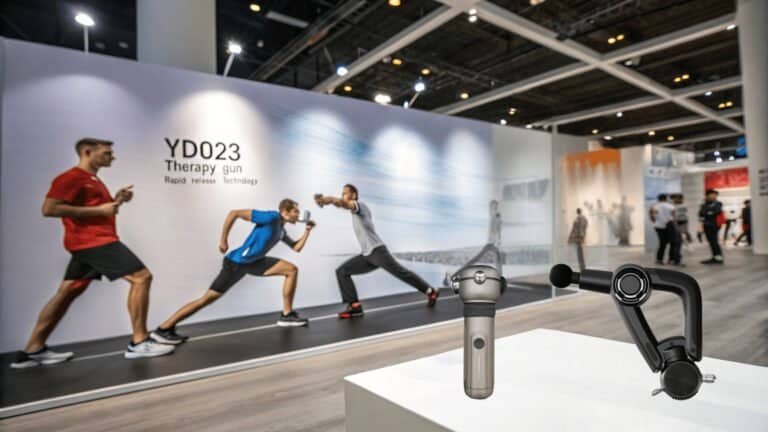
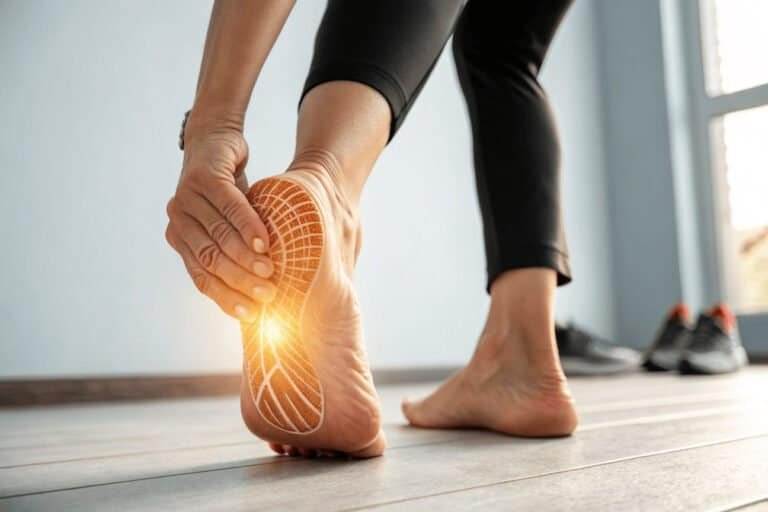
I also want to share information about a product that uses the latest technology, the rapid release device8 (therapy gun). Its vibration frequency is between 4500-7000 and uses 3D vibration technology (vertical vibration + horizontal vibration), with an amplitude of 2-3.5mm. The vibration wave travels 6-8mm under the skin, covering superficial to deep fascia. This can help professional athletes with rapid muscle recovery9 by reducing post-exercise soreness (delayed onset muscle soreness). Furthermore, it increases blood flow by promoting circulation, aiding in healing. It also relieves muscle tension by relaxing muscle knots and tight areas. Moreover, it improves flexibility and range of motion10 through work on the fascia and muscle tissues. It also helps remove lactic acid buildup and reduce fatigue, aiding in the recovery of athletic performance, while reducing sports injuries and repairing damaged scar tissue and adhesions. When compared to a regular massage gun, the therapy gun with rapid release technology has a 15% increase of available areas, such as the neck and shoulders, knees, and the back of the foot. It also increases the maximum RPM by 160%, increases relaxation efficiency by 180%, and reduces noise during operation by 23%.
Conclusion
Physical therapy helps you regain life by fixing interrupted stories, not just diseases.
-
Explore the comprehensive benefits of physical therapy and how it can enhance your quality of life. ↩
-
Discover effective treatments for back pain that can help you regain mobility and comfort. ↩
-
Learn how physical therapy can alleviate osteoarthritis symptoms and improve joint function. ↩ ↩
-
Understand the importance of functional abilities in rehabilitation and how they impact daily life. ↩
-
Find out how physical therapy can help individuals regain their social roles and improve their quality of life. ↩ ↩
-
Learn about the impact of pain or dysfunction on daily activities and the importance of therapy. ↩ ↩
-
Understand the concept of social participation currency and its significance in physical therapy. ↩
-
Explore the innovative rapid release device and its benefits for muscle recovery and pain relief. ↩
-
Discover effective methods for muscle recovery that can enhance athletic performance and reduce soreness. ↩
-
Learn how physical therapy techniques can enhance flexibility and range of motion for better movement. ↩