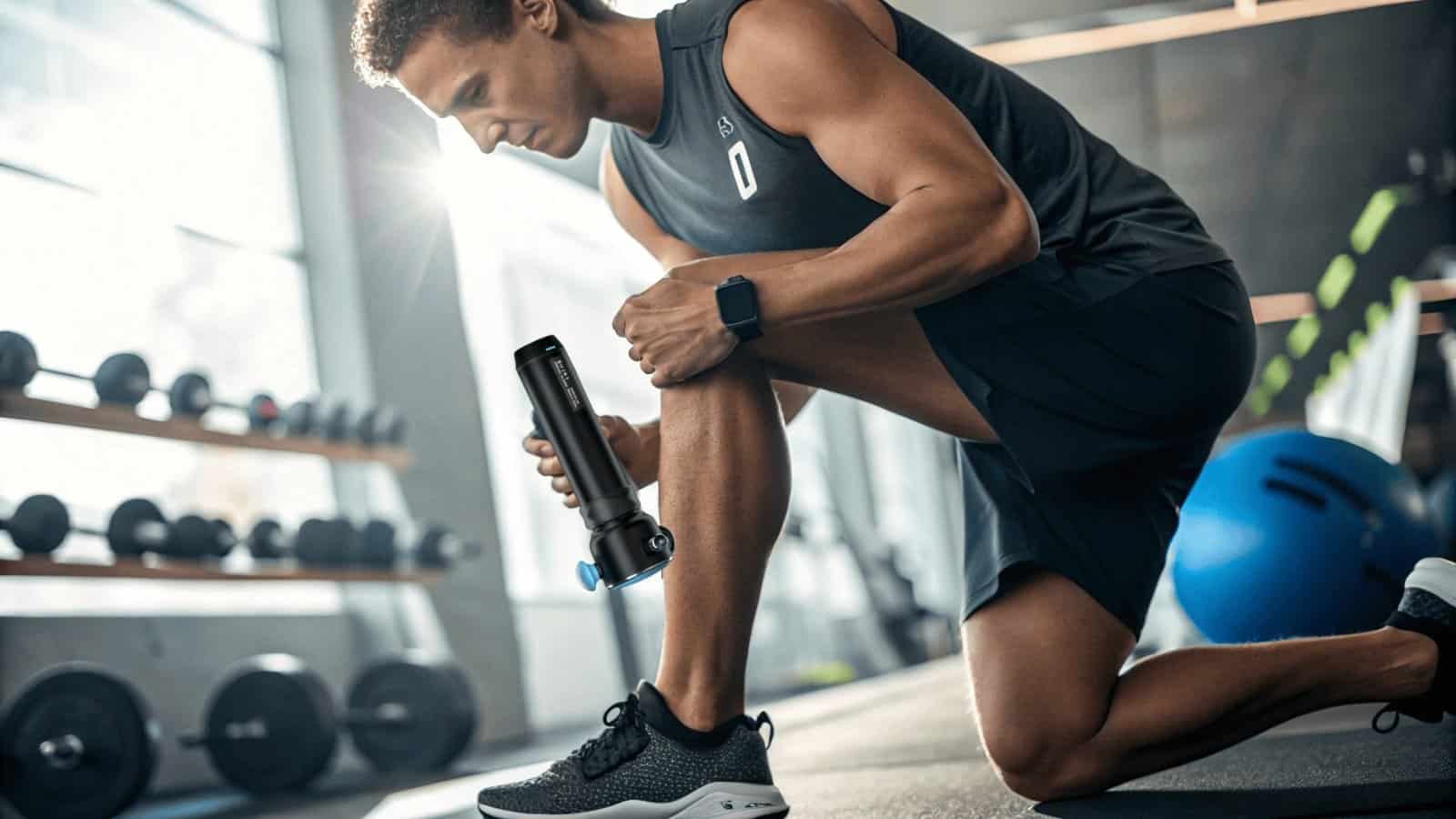
Muscle strains, joint sprains, ligament injuries, and chronic overuse are common sports injuries. Waiting for physiotherapy appointments can be painful and expensive. Portable rehab equipment offers immediate relief.
Sports rehabilitation helps recover from injuries faster, reduces pain, and prevents future damage. Portable devices like massage guns provide professional-level treatment anytime, anywhere, saving time and money.
But rehabilitation isn’t just about physical recovery. The mental side plays a huge role too. Let’s explore how psychology1 can speed up healing.
How can physiotherapists use psychology in treatment?
Injuries don’t just hurt the body—they mess with your mind too. Fear of re-injury or frustration can slow recovery. Psychology helps break these mental barriers.
Physiotherapists use positive reinforcement2, goal-setting, and relaxation techniques to boost motivation and reduce anxiety. This mental support speeds up physical recovery and improves long-term outcomes.
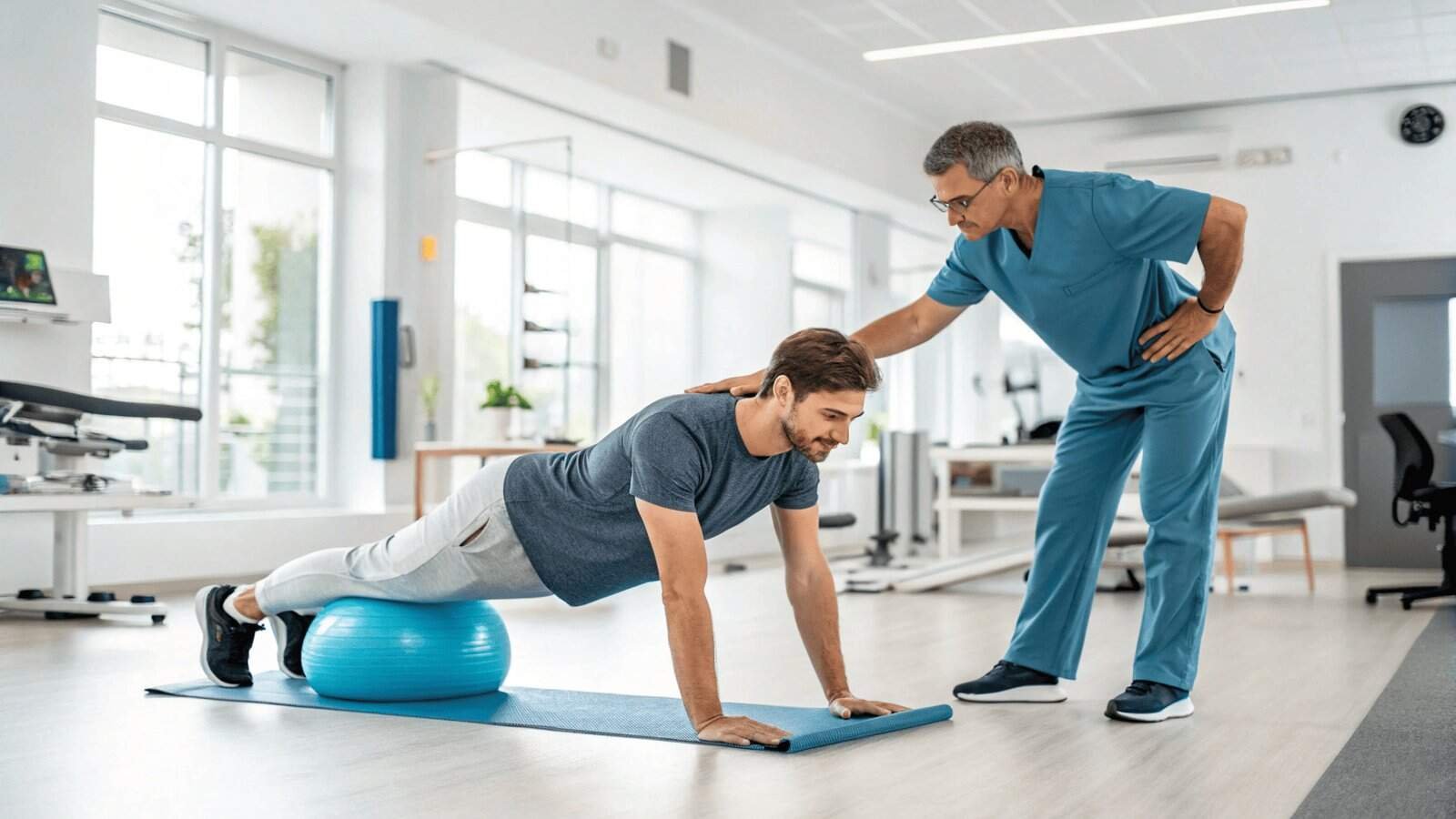
The Psychological Tools in Rehabilitation
-
- Celebrating small wins (e.g., "Great job lifting that weight today!") builds confidence.
- Avoids discouragement from slow progress.
-
Goal-Setting
- Short-term goals (e.g., "Reduce pain in 3 days") keep patients focused.
- Long-term goals (e.g., "Return to soccer in 6 weeks") provide motivation.
-
Relaxation Techniques
- Deep breathing reduces muscle tension.
- Visualization (imagining pain-free movement) tricks the brain into faster healing.
| Technique | How It Helps | Example |
|---|---|---|
| Positive Talk | Reduces fear of movement | "Your knee is stronger now!" |
| Small Wins | Builds momentum | "You walked 10 mins today—next time 15!" |
| Mental Rehearsal | Prepares the body for action | Visualize sprinting without pain |
Psychology turns rehab into a mind-body partnership. Without it, recovery takes longer.
How to use psychology to heal a sporting injury faster?
Your mindset can cut recovery time in half. Simple tricks like self-talk and imagery work like natural painkillers.
Use positive self-talk ("I’m getting stronger daily") and mental rehearsal (visualizing perfect movements) to rewire your brain for faster healing. Stay consistent—it’s science, not magic.
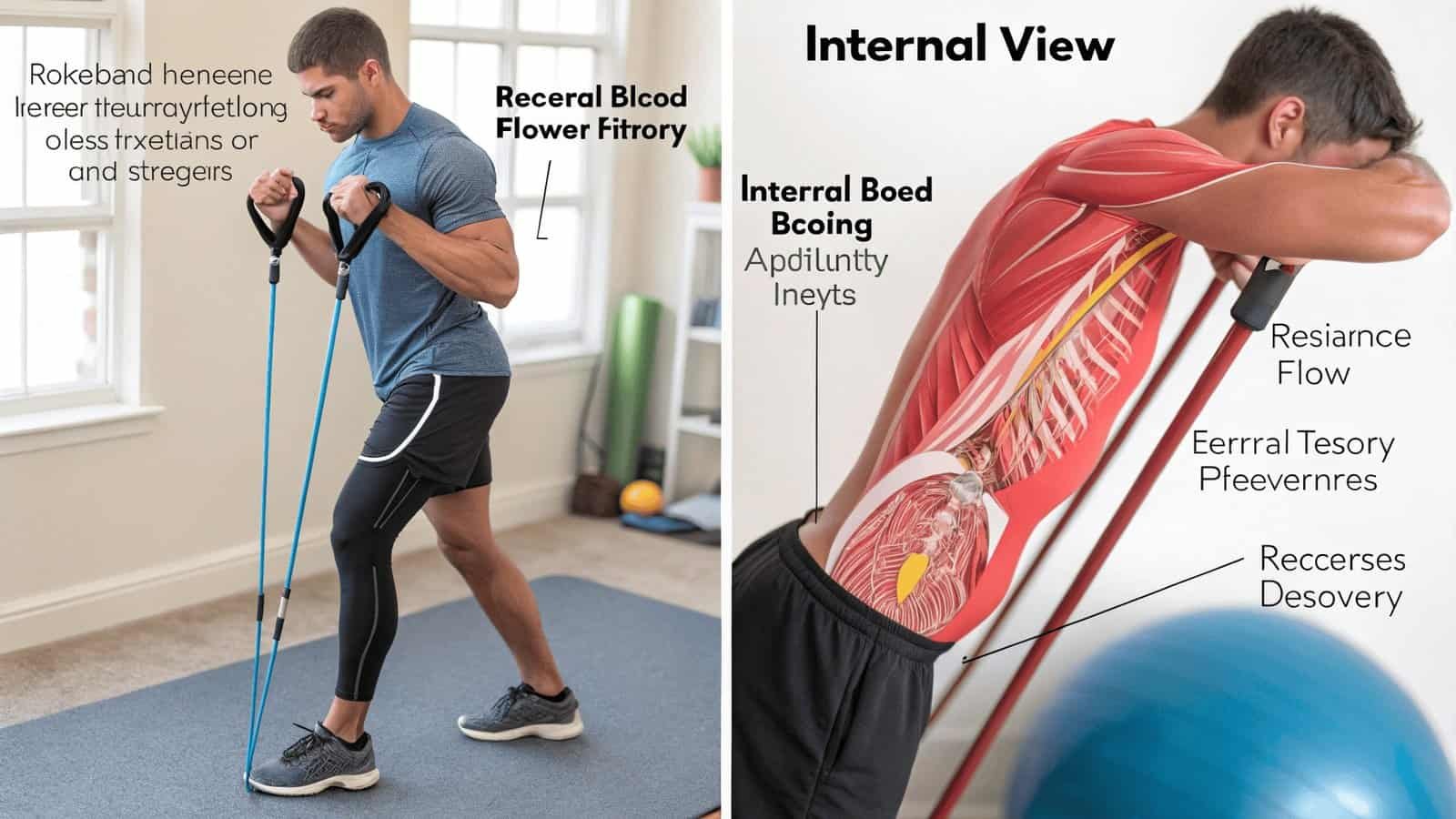
DIY Psychological Hacks
-
The 5-Minute Rule
- Before rehab exercises, spend 5 minutes picturing yourself pain-free. Studies show this primes muscles for better performance.
-
- Instead of "This hurts," think "This is my body healing." It reduces perceived pain intensity.
-
Progress Journaling
- Write down daily wins (e.g., "Did 10 squats today"). Rereading entries fights discouragement.
- Mental Imagery: Best for pre-rehab prep (like warming up a car engine).
- Affirmations: Best during painful moments (e.g., "I can handle this").
- Gratitude Lists: Best post-session to avoid frustration ("I’m thankful I can bend my knee 5° more").
I used these during my ACL recovery. Visualizing jumps while icing my knee helped me return to basketball 3 weeks early.
How does sports injury rehabilitation help?
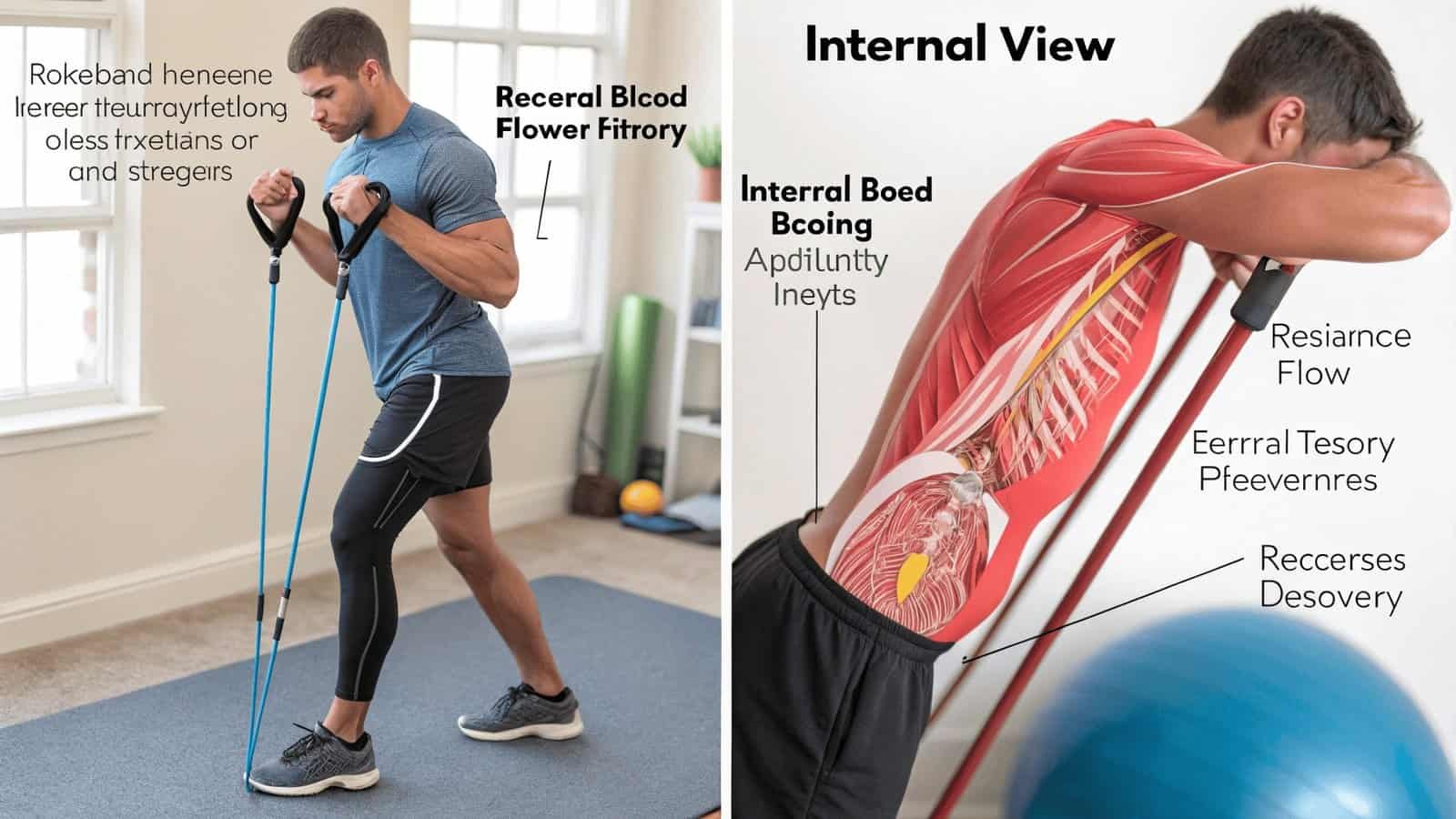
Rehab isn’t just about fixing injuries—it upgrades your body’s durability. Think of it as mechanical maintenance for athletes.
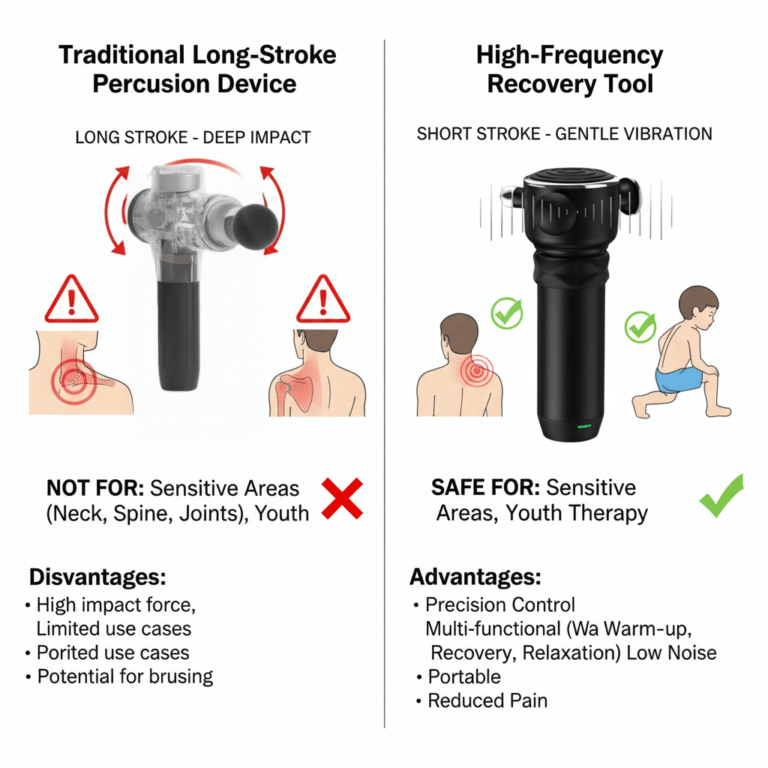
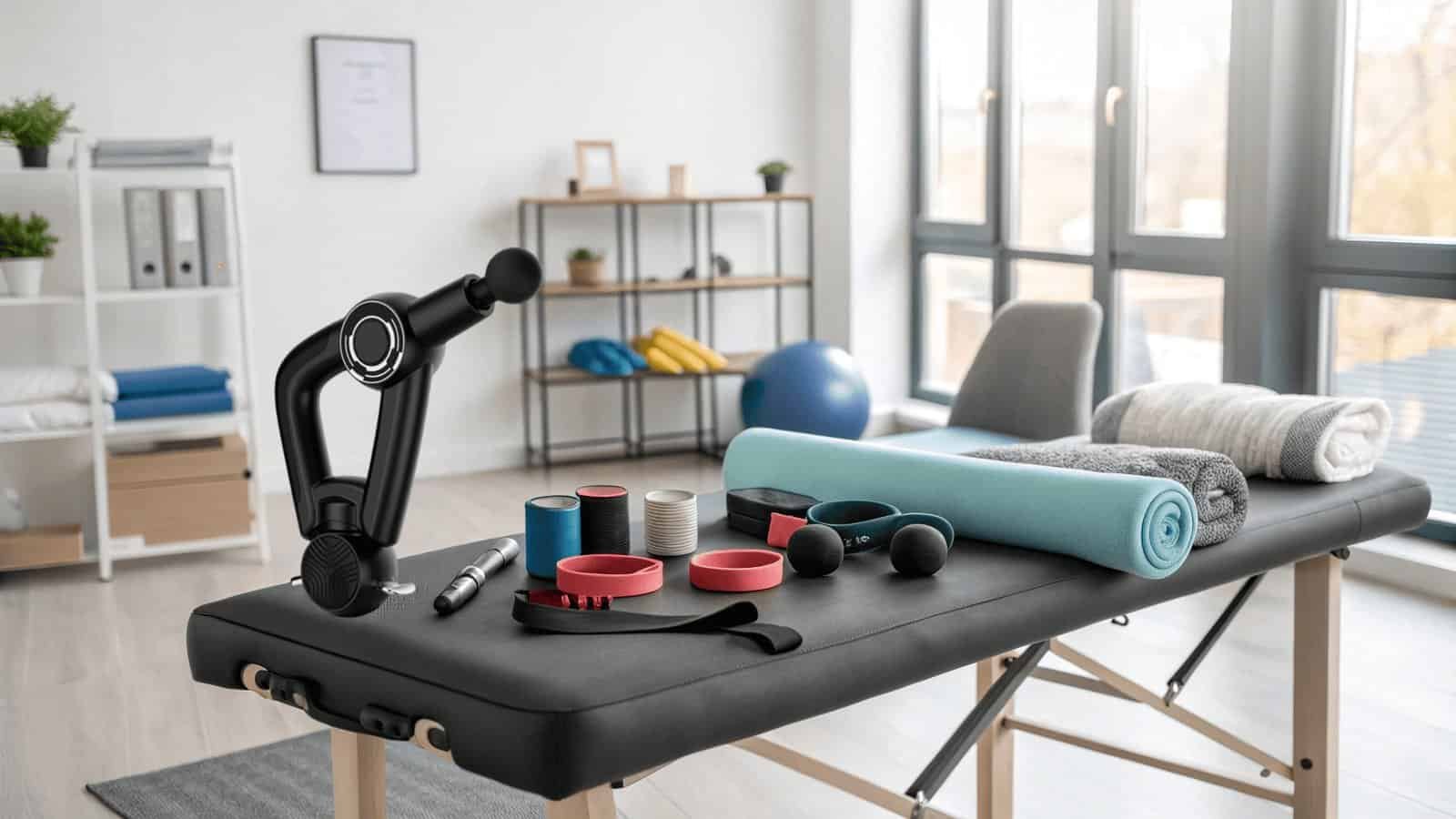
Rehabilitation restores mobility, strengthens weak areas, and teaches proper movement patterns. Devices like the Multi-Functional Massage Gun5 provide targeted treatment to prevent re-injury.
The 3-Level Protection System
-
Immediate Relief
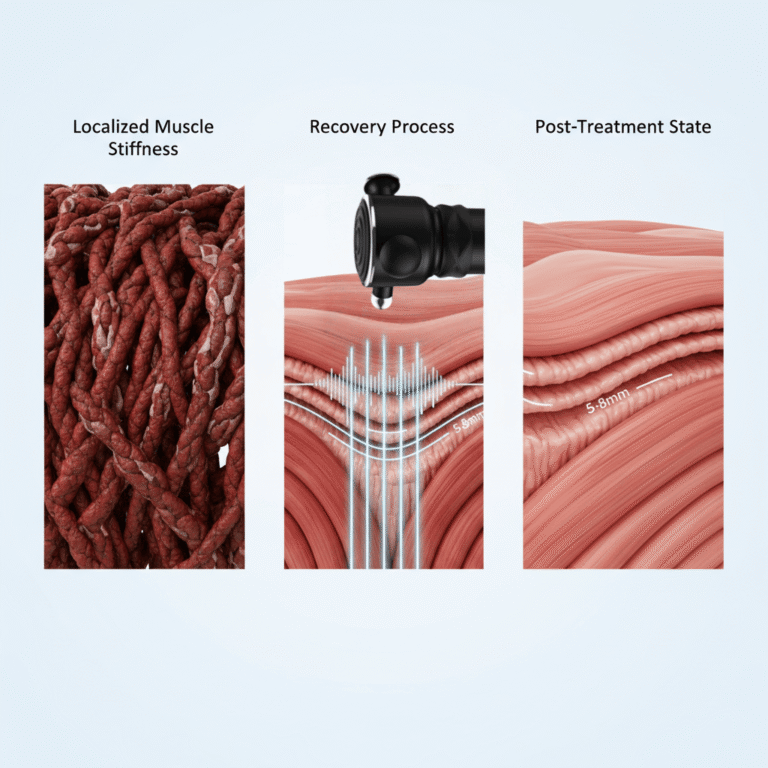
- Tools like massage guns with 16mm stroke (like our Multi-Functional model) release muscle knots instantly. The dual-head design tackles large muscles and delicate areas like knees.
-
Tissue Repair
- Controlled movements increase blood flow to injured areas. This delivers nutrients for faster healing.
-
Future-Proofing
- Rehab corrects imbalances. For example, weak glutes often cause knee pain—targeted exercises fix this.
Key Features of Effective Tools:
- Adjustable Intensity: For progressive recovery (start gentle, increase as healing progresses).
- Precision Attachments: Our gun’s soft head treats neck pain without jarring vibrations.
- Portability: Treat injuries courtside instead of waiting days for appointments.
After rotator cuff surgery, I used our gun’s scraper head on scar tissue. It restored my range of motion 40% faster than traditional PT alone.
Conclusion
Sports rehabilitation heals injuries, prevents future damage, and saves time/money. Pairing psychology with tools like massage guns creates faster, lasting recovery.
-
Understanding the psychological aspects of recovery can enhance your healing process and improve outcomes. ↩
-
Exploring positive reinforcement techniques can provide valuable insights into effective rehabilitation strategies. ↩
-
Explore how Positive Reinforcement can enhance recovery and boost patient confidence in rehabilitation. ↩
-
Explore this link to understand how reframing pain can enhance your recovery experience and improve mental resilience. ↩
-
Discover how this device can aid in recovery, prevent re-injury, and enhance your overall rehabilitation process. ↩