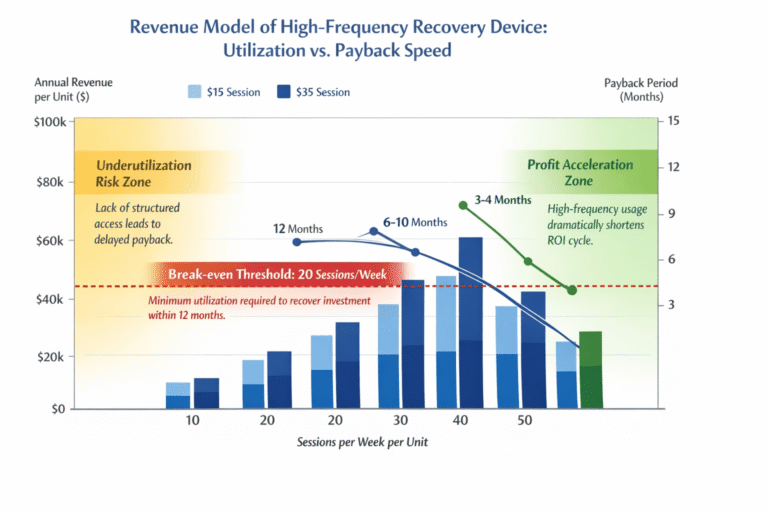

In sports and orthopedic physiotherapy clinics, the day-to-day workload typically involves many types of client needs—but operationally, clinics are less challenged by labeling those needs and more challenged by managing them consistently at volume. What is increasingly evaluated is workflow reliability1: smooth session transitions2, consistent client experience, and stable staff utilization3.
A practitioner-level insight is that scaling pressure shows up first in the “in-between” moments—intake flow, pre-session readiness4 steps, room turnover, and post-session support5. These steps often vary by practitioner and shift, creating variability that limits throughput and makes scalability harder, even when core professional skills are strong.

This is why the operational gap is rarely solved by technique alone. Clinics typically need system-level design—processes and tools that reduce variability and support consistent delivery across different staff members and busy schedules.
Why Managing Diverse Client Needs Becomes a Workflow Challenge
From an operational perspective, sports and orthopedic physiotherapy clinics typically handle recurring mobility and performance-related needs that pressure scheduling, staffing, and room flow more than they pressure decision-making frameworks.
In real-world clinic settings, the challenge appears as inconsistent preparation steps, uneven pacing across practitioners, and bottlenecks between sessions6. When demand rises, even small inconsistencies compound—affecting daily capacity, staff fatigue risk, and the client’s experience of consistency.

| Operational Factor | Without Structured Support | With Scalable Systems |
|---|---|---|
| Session pacing | Varies by practitioner | More predictable |
| Transitions & turnover | Frequent delays | Smoother flow |
| Staff load distribution | Uneven | More balanced |
| Peak-hour resilience | Fragile | More stable |
How Clinics Reduce Variability and Improve Consistency
How clinics improve outcomes is typically driven by reducing operational variability7 in repeatable parts of the client journey8 rather than relying on individual effort to “make it work.”
Operationally mature clinics increasingly separate what must be practitioner-led from what can be standardized. They design workflows so that common preparation and post-session support5 steps are repeatable, time-bounded, and less dependent on the individual on shift. This approach tends to hold up better as headcount changes, hours expand, or multiple rooms run simultaneously.
| Focus Area | Ad Hoc Approach | Structured Operational Approach |
|---|---|---|
| Pre-session steps | Improvised, person-dependent | Standardized, repeatable |
| Post-session support | Inconsistent by shift | Consistent service layer |
| Training burden | High to maintain consistency | Lower through systems |
| Scalability | Limited by individual capacity | Enabled by repeatability |
How High-Frequency 3D Vibration Devices Support Clinic Systems
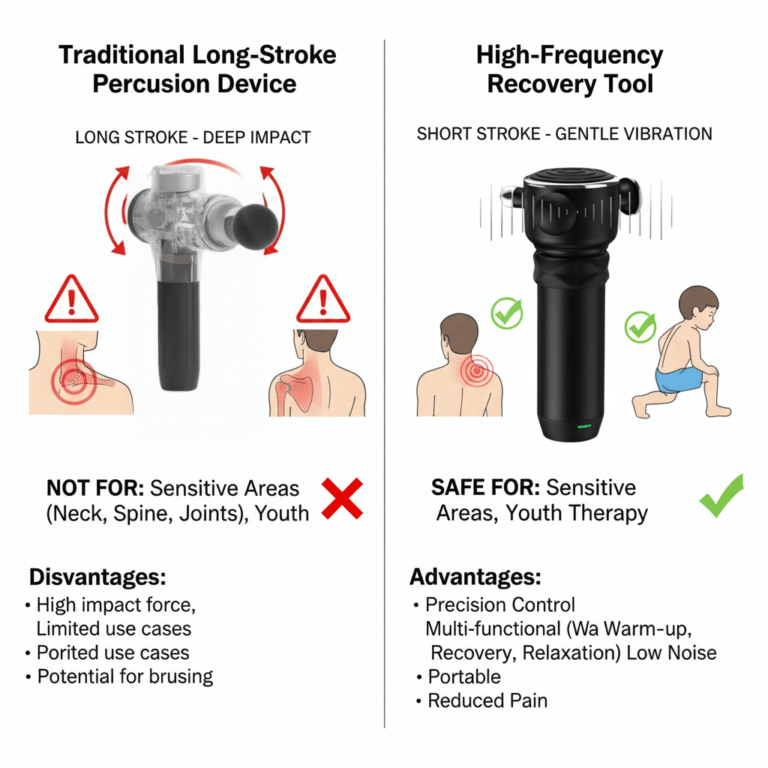
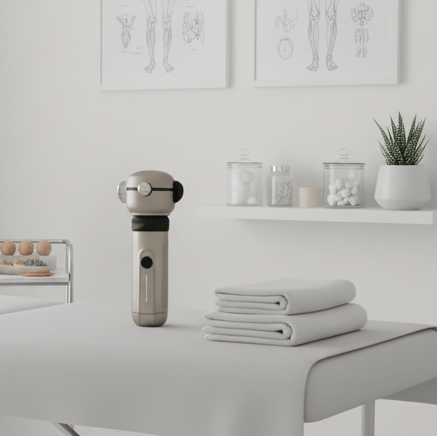
For physiotherapy clinics, selecting high-frequency 3D vibration devices9 is primarily an operational decision rather than a purely technical one.
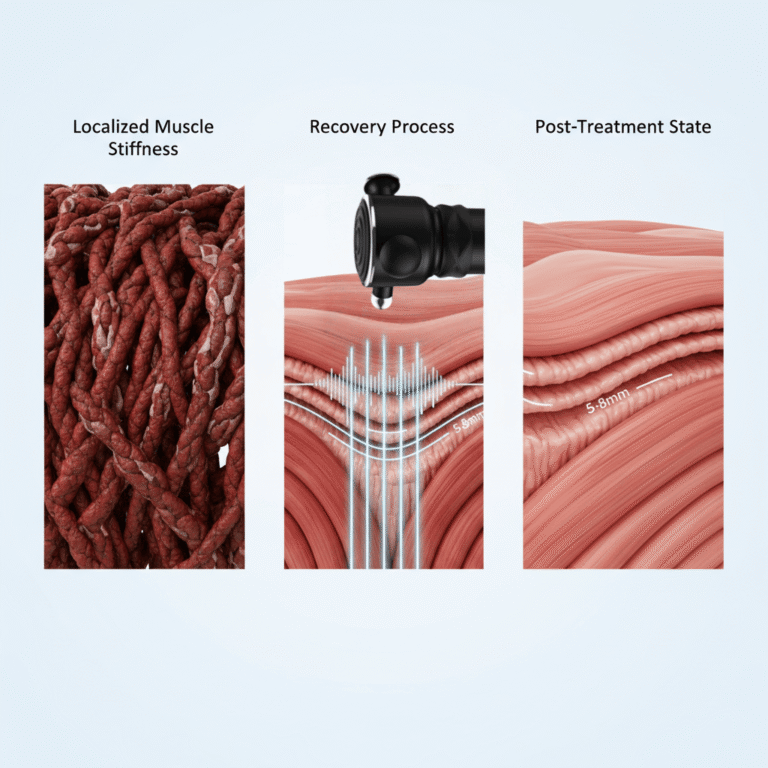
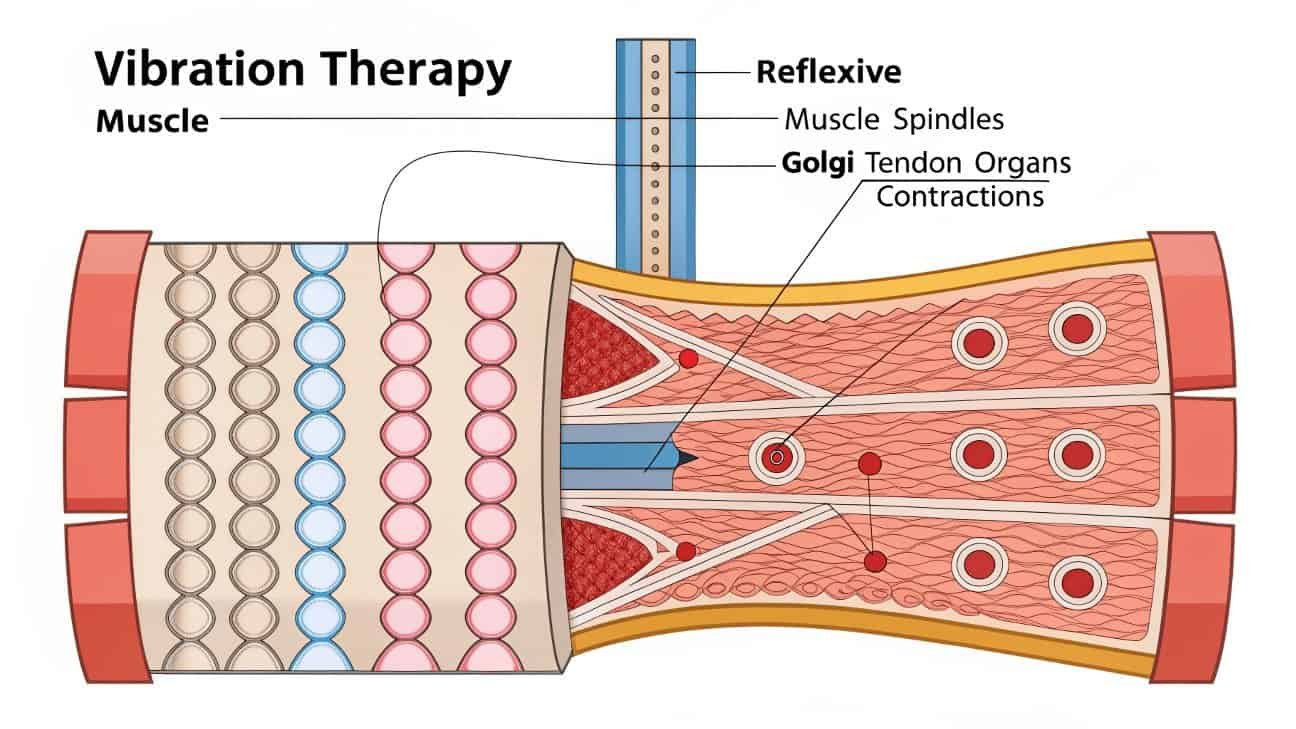
In practice, these devices are increasingly considered when clinics want a consistent, non-invasive input that can be integrated into the workflow without requiring high practitioner effort. The operational logic is not about making medical claims—it is about standardizing a repeatable step that fits short time windows and helps clinics reduce variability in how “support steps” are delivered across staff and shifts.
Multi-directional (3D) vibration is often evaluated as a consistency feature: it provides a more uniform experience across operators compared with purely manual approaches, which can vary widely depending on the person and the time available.
| Consideration | Why It Matters in High-Volume Clinics |
|---|---|
| Operator-to-operator consistency | Reduces variability across staff |
| Time-window fit | Supports predictable scheduling blocks |
| Workflow integration | Helps avoid transition bottlenecks |
| Standardization potential | Easier to scale across rooms/locations |
Conclusion
In sports and orthopedic physiotherapy clinics, the operational challenge is typically not the diversity of client needs—it is maintaining workflow consistency while volume, staffing complexity, and scheduling density increase. Variability in repeatable steps is often the hidden limiter of scalability.
Clinics increasingly reassess workflows and supporting tools to reduce bottlenecks and improve consistency across teams—without turning operational tools into medical promises. Any equipment discussion is best framed as system support for standardization and scalability, not as treatment or outcome claims.
This article reflects operational insights commonly observed by practitioners working in physiotherapy clinics and sports recovery facilities with high training volumes.
-
Understanding workflow reliability can help clinics enhance their operational efficiency and client satisfaction. ↩
-
Improving session transitions can lead to better client experiences and increased clinic throughput. ↩
-
Effective staff utilization strategies can optimize clinic operations and reduce burnout among practitioners. ↩
-
Implementing effective pre-session readiness can enhance client experience and session effectiveness. ↩
-
Standardizing post-session support can improve client retention and satisfaction. ↩ ↩
-
Eliminating bottlenecks can significantly improve clinic workflow and client satisfaction. ↩
-
Identifying causes of operational variability can help clinics implement solutions for smoother workflows. ↩
-
Optimizing the client journey can lead to better outcomes and increased client loyalty. ↩
-
Exploring the benefits of these devices can help clinics enhance treatment consistency and efficiency. ↩