Weight training can cause injuries like muscle strains1 or joint sprains if not performed properly. Are you making these mistakes that could lead to pain and setbacks?
Weight training without proper form or progression can lead to muscle strains, joint sprains, and even chronic issues. Understanding the risks and how to mitigate them is crucial for safe and effective training.

It’s easy to get caught up in the excitement of building strength. However, rushing the process or ignoring warning signs can turn your fitness journey into a painful one. Let’s explore the common pitfalls and how to avoid them.
What role does rest and recovery play in improving fitness?
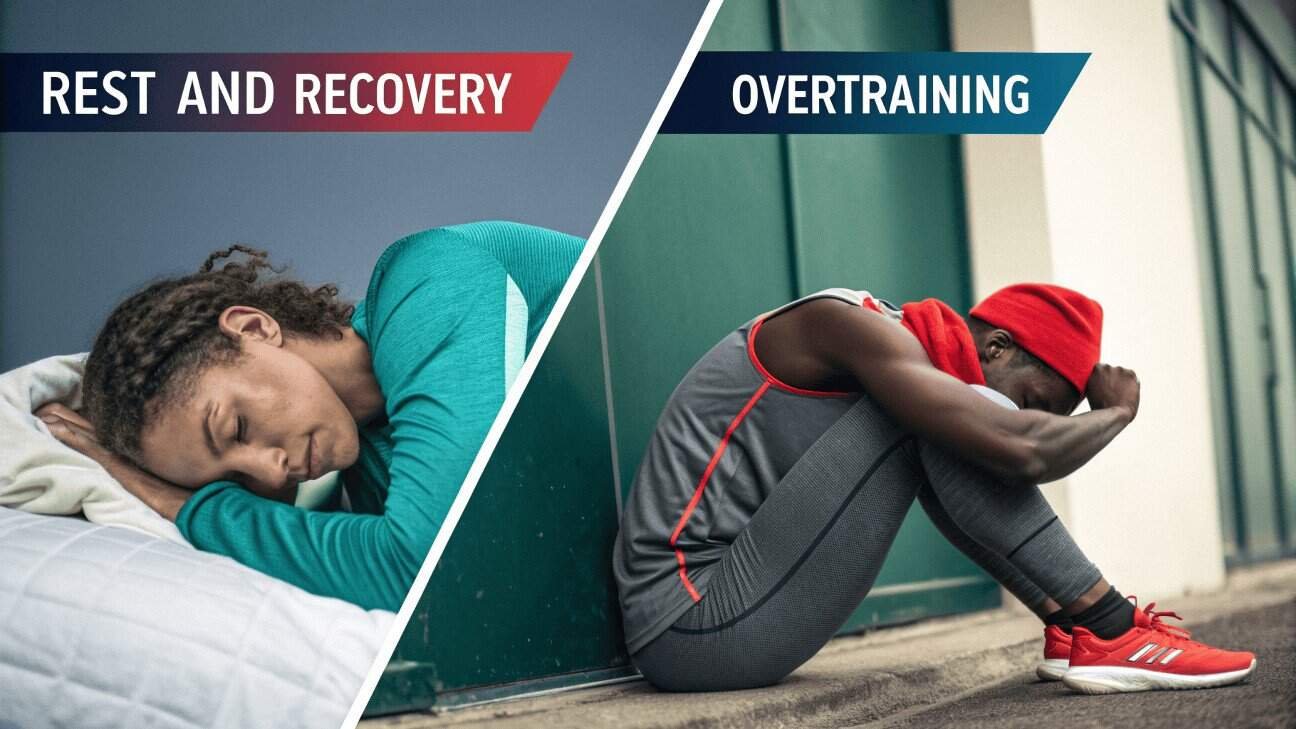
Rest and recovery are the unsung heroes of fitness, allowing your body to repair and rebuild stronger. Without them, you’re not progressing, you’re just breaking down.
Rest and recovery are essential for muscle repair2, growth, and preventing overtraining3. They are the times when your body adapts to the stresses of exercise, leading to improved strength, endurance, and overall performance.
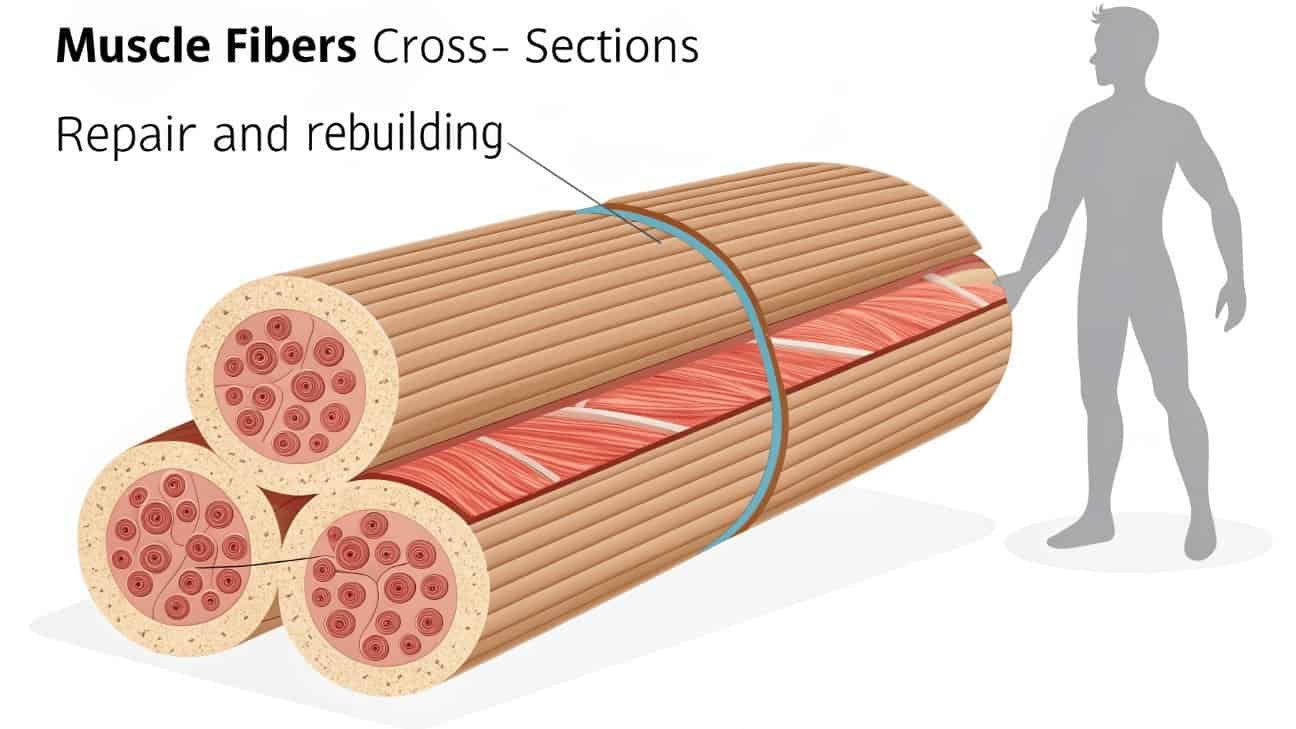
When we exercise, we create tiny tears in our muscle fibers. It’s during rest periods that our bodies go to work, repairing these tears and making the muscles stronger and bigger than before. This process is fundamental to seeing improvements in our weight training. Skipping rest days means skipping this vital rebuilding phase, which can stall progress and even lead to injuries like muscle strains or joint problems due to overuse. My own experience with this was when I first started lifting weights4. I thought more was always better and skipped rest days religiously. Soon enough, I developed a persistent ache in my shoulder that eventually led to a sprain. I had to take several weeks off, completely halting my progress. It taught me a valuable lesson about the importance of listening to my body and allowing it the time it needs to recover.
How do injuries happen in weight training?
Injuries in weight training often happen due to a combination of factors, including poor form, lifting too much weight too soon, and inadequate warm-ups.
When starting a new exercise or increasing weight, form is paramount. I’ve seen many people, myself included at times, get sloppy with their technique when pushing for a new personal best. This often leads to compensating with other muscles or body parts, putting undue stress on joints and ligaments. For example, when doing squats, if your knees cave inward, you’re risking ligament damage. Similarly, using a jerky motion to lift weights instead of a controlled one can easily cause muscle tears. I remember one instance where a friend tried to impress others by lifting a weight he wasn’t ready for; he ended up with a torn bicep. It’s a stark reminder that ego has no place in the gym.
What are the health risks of sleeping after a workout?
Contrary to some beliefs, sleeping shortly after a workout is generally beneficial for recovery, not a health risk. The key is how well you’ve fueled and hydrated yourself beforehand.
Sleeping soon after exercising aids muscle repair and growth by allowing the body to enter its restorative phases, releasing growth hormones. Napping post-workout can enhance recovery and reduce fatigue, provided basic recovery practices are followed.
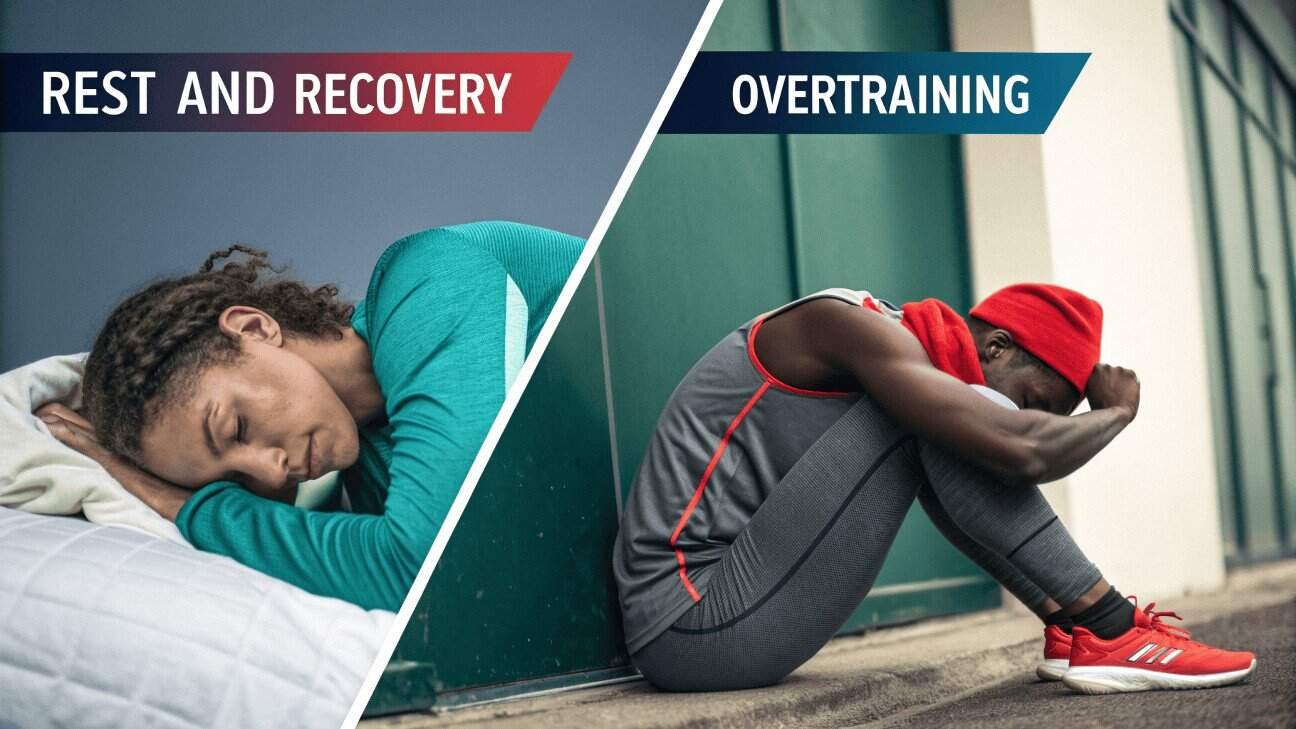
Many people worry about sleeping immediately after exercise, fearing it might hinder their metabolism or recovery. However, this is largely a myth. In fact, sleep is one of the most critical components of muscle recovery. During sleep, our bodies release growth hormone, which is essential for repairing muscle tissue damaged during exercise. It’s also during deep sleep that our bodies are most efficient at protein synthesis. The timing of your workout related to your last meal does matter, but the act of sleeping itself after exercise is restorative. If you’re concerned about feeling sluggish, ensure you’ve had a balanced meal and plenty of water before your workout and afterward. This will prepare your body for both the exertion and the subsequent recovery.
Does sleep affect protein synthesis in muscle recovery?
Yes, sleep significantly impacts protein synthesis, which is vital for repairing and rebuilding muscle tissue after exercise. Without enough quality sleep, this process is compromised.
Protein synthesis is the process by which our cells build new proteins. In the context of exercise, this means repairing the micro-tears in our muscle fibers and building them back stronger. Research shows that deep sleep, particularly stages like REM sleep, is where a significant amount of this muscle repair occurs. When you don’t get enough sleep, your body’s ability to synthesize protein efficiently is reduced. This means your muscles won’t recover as well, which can lead to them being weaker and more prone to injury. I’ve personally experienced this when I’ve had periods of intense training combined with poor sleep. I found my recovery time increased, and I felt weaker overall, even with adequate protein intake. It was a clear indication that sleep was the missing piece in my recovery puzzle.
| Aspect of Recovery | Role of Sleep | Potential Impact if Sleep is Lacking |
|---|---|---|
| Protein Synthesis | Sleep, especially deep sleep stages, is when the body is most effective at repairing muscle tissue and synthesizing new proteins to rebuild muscle fibers. Growth hormone release, crucial for this process, is also primarily during sleep. | Reduced protein synthesis leads to slower muscle repair, less muscle growth, and impaired recovery. Muscles may feel sore for longer, and strength gains can be hindered. |
| Muscle Glycogen Replenishment | Sleep helps in restoring muscle glycogen stores, which are the primary energy source for muscles during high-intensity exercise. | Inadequate sleep can lead to lower glycogen levels, resulting in reduced endurance and performance during subsequent workouts. You might feel fatigued more quickly. |
| Hormonal Balance | Sleep regulates crucial hormones like cortisol (stress hormone) and testosterone, both of which play roles in muscle recovery and growth. Poor sleep can disrupt this balance, increasing cortisol and potentially decreasing testosterone. | Elevated cortisol can break down muscle tissue and slow down recovery. Imbalanced hormones can negatively impact muscle growth, energy levels, and overall well-being. |
| Inflammation Reduction | Sufficient sleep helps reduce systemic inflammation, which is a natural response to exercise but can impede recovery if chronic. | Chronic inflammation due to lack of sleep can increase muscle soreness, stiffness, and delay healing, making you more susceptible to injuries. |
| Nervous System Recovery | Sleep allows the central nervous system to recover from the demands of training. This is important for coordination, reaction time, and the ability to generate force effectively. | A fatigued nervous system can impair motor control, reduce the mind-muscle connection, and potentially lead to poor exercise form, increasing the risk of injury. |
| Mental Recovery & Focus | Sleep is crucial for cognitive functions like focus, concentration, and motivation. Being well-rested improves your ability to perform exercises correctly and stay motivated during workouts. | Lack of sleep can lead to poor focus, reduced motivation, and an increased likelihood of making mistakes during workouts, which can result in injuries. |
Conclusion
Weight training requires proper form and adequate rest to prevent injuries and optimize recovery. Prioritize sleep for effective muscle repair and overall fitness gains.
-
Understanding the causes of muscle strains can help you avoid injuries and train safely. ↩
-
Understanding muscle repair can enhance your training and recovery strategies. ↩
-
Recognizing overtraining can help you adjust your routine and prevent injuries. ↩
-
Discover best practices to ensure safe and effective weight lifting. ↩