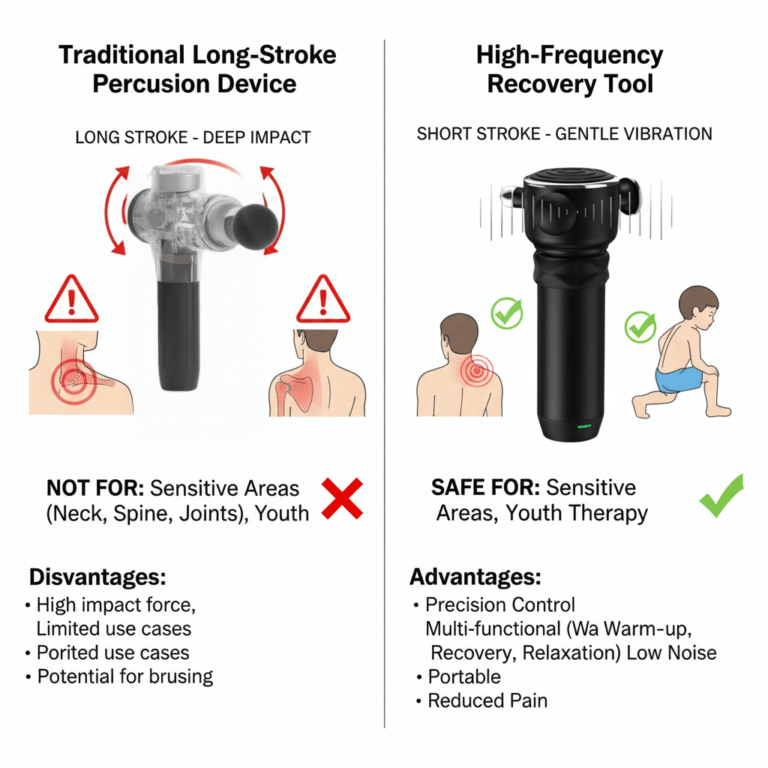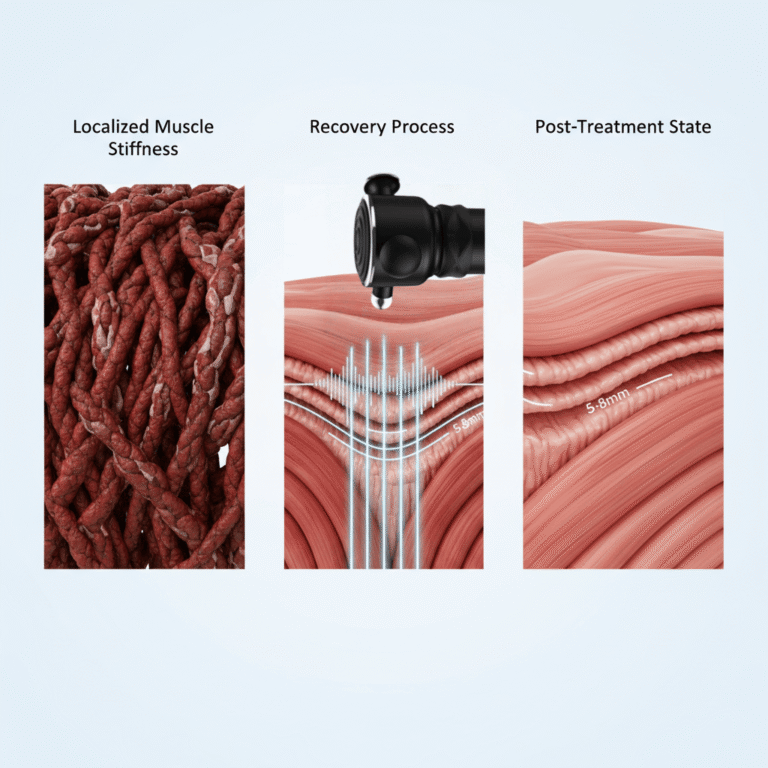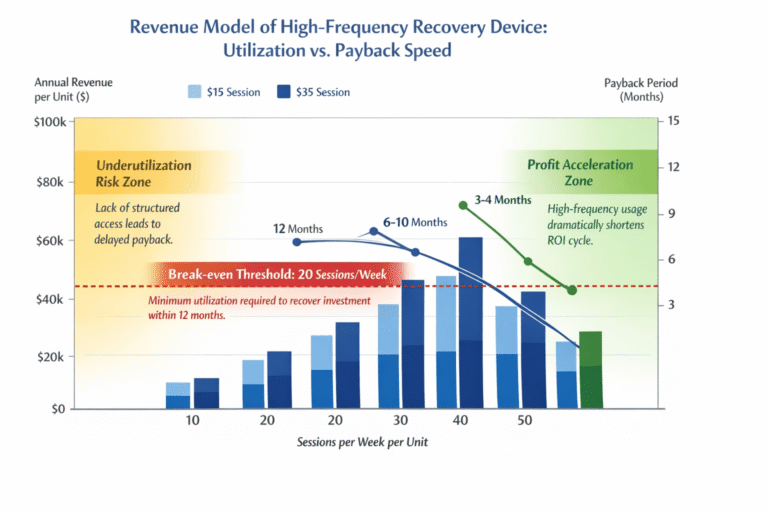

Muscle strains, joint sprains, ligament injuries, and chronic overuse are common sports injuries1 that require timely treatment. If left unattended, these can lead to prolonged pain and complicated recovery processes.
Sports injuries can include sprains, strains, fractures, and dislocations. Immediate and appropriate care helps prevent further damage and speeds recovery. Using advanced therapy products can assist in treating injuries effectively.

Ignoring or delaying treatment might worsen the injury. Portable therapy devices2 allow immediate care on site, offering relief from pain and aiding recovery. Combining professional therapy with on-site treatment accelerates healing and enhances athletic longevity.
What are the ways to cure a common sports injury?
Lingering pain from sports injuries often disrupts daily activities and exercise routines. Quick and effective treatment is essential to restore function and alleviate discomfort.
Common sports injuries can be treated using the RICE method3: Rest, Ice, Compression, and Elevation. Immediate care minimizes swelling and pain, speeding up recovery.
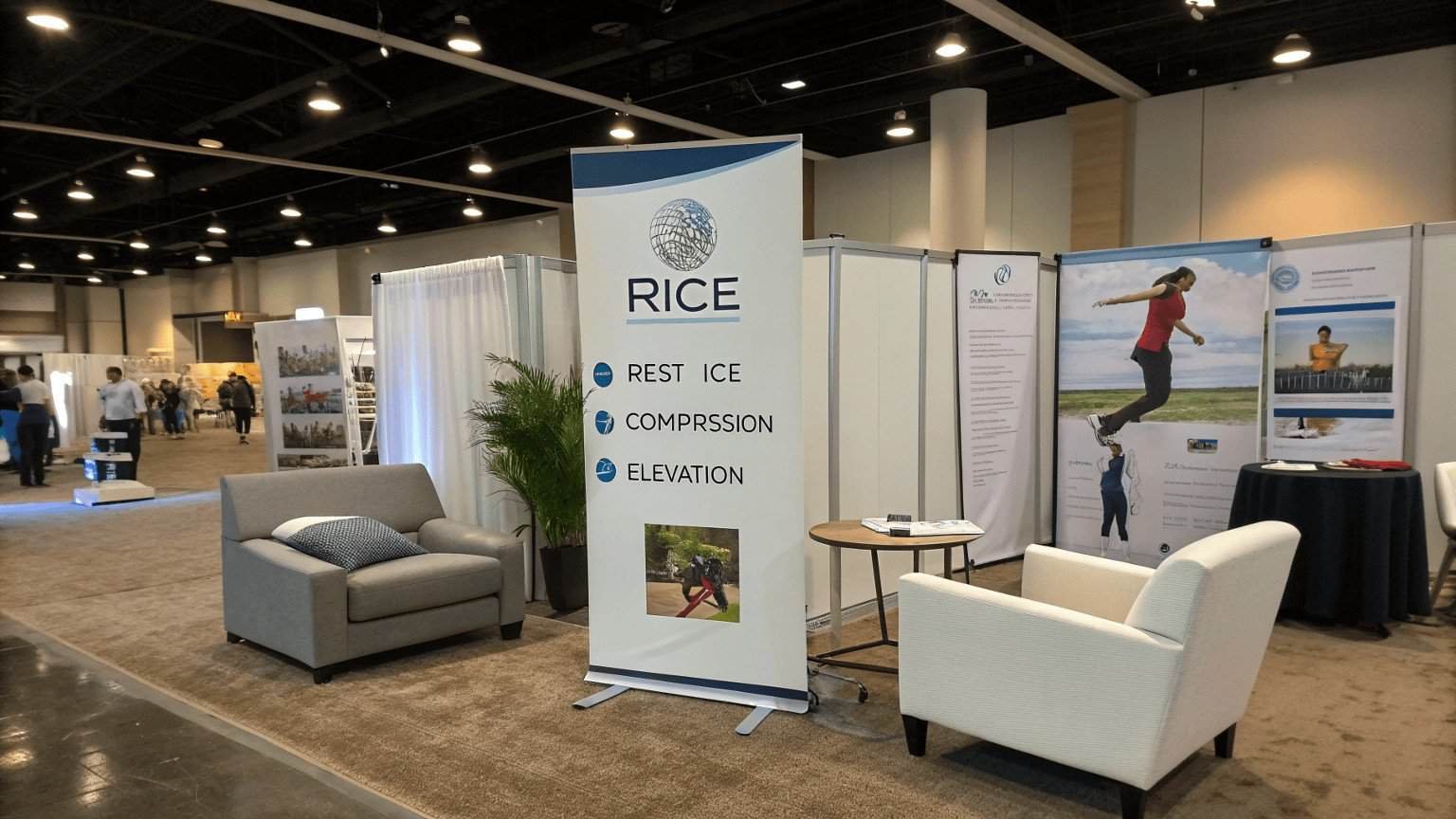
RICE is efficient for initial treatment of injuries like sprains and strains. However, chronic conditions may demand advanced approaches. Small, portable therapy devices can deliver high-frequency, low-amplitude vibrations4 directly to affected areas. This not only clears scar tissue but also alleviates stiffness and inflammation, promoting quicker recovery and preventing further damage.
| Treatment | Purpose | Description |
|---|---|---|
| Rest | Minimize motion | Prevents further injury |
| Ice | Reduce swelling | Numbs pain and reduces inflammation |
| Compression | Support and stabilization | Limits swelling |
| Elevation | Decrease blood flow | Reduces swelling, speeds healing |
Integrating these methods with advanced device therapy5 optimizes healing, offering relief and extended athletic performance.
What are the most common injuries seen in physical therapy?
Sports injuries are common among athletes and active individuals. These injuries can sideline activity and stunt progress. Early intervention can make a significant difference.
The most common physical therapy injuries include strains, sprains, tendinitis, and lower back pain. Addressing these issues promptly helps restore movement and reduce discomfort.
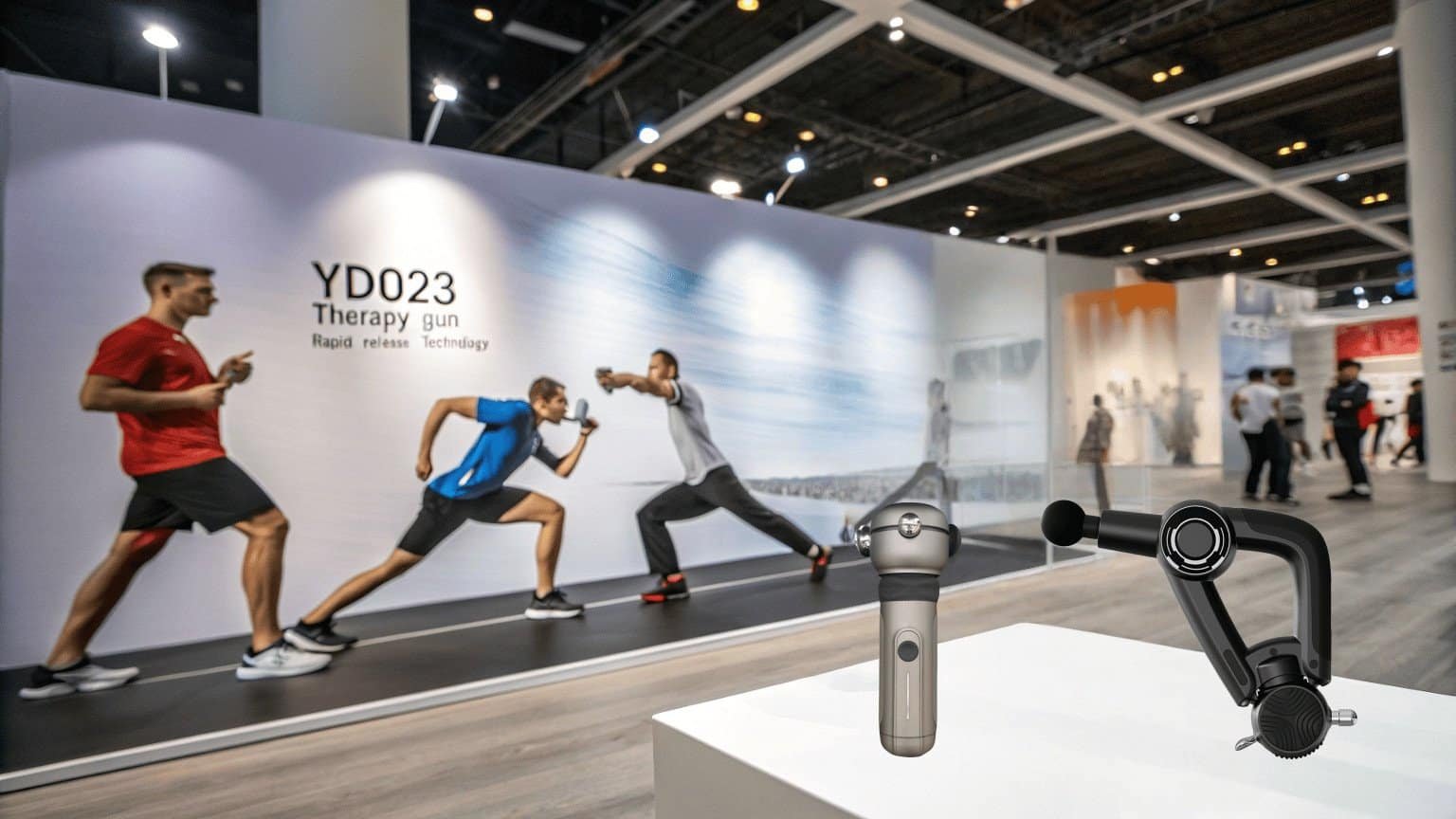
Physical therapy often targets muscle tears, joint sprains, and chronic conditions. Devices like the YD023 therapy gun6 offer precise dual-action release, addressing both large muscle groups and intricate fascia layers, reducing pain effectively. High-frequency vibrations can trigger muscle relaxation and break down scar tissue, facilitating recovery and preventing recurrence.
Utilizing therapy guns on sensitive areas like the neck and shoulders, combined with professional therapy, can significantly ease symptoms of myofascial pain syndrome7 and muscle fatigue.
| Injury Type | Symptoms | Treatment Options |
|---|---|---|
| Strains | Pain, swelling | RICE, therapy device, physical therapy |
| Sprains | Bruising, instability | Rest, therapy gun, compression wraps |
| Tendinitis | Irritation, stiffness | Ice, therapy device, stretching exercises |
| Lower Back Pain | Limited mobility | Alignment adjustment, therapy gun, yoga |
The innovative use of therapy devices provides convenient relief, enabling quick recovery and renewed physical activity.
How can sports injuries be prevented?
Preventing injuries is as crucial as treating them. Athletes must safeguard against incidents for consistent performance and longer-lasting careers.
Sports injury prevention involves proper warm-ups, conditioning exercises, protective gear use, and mindful training practices. These steps reduce injury risk and enhance performance.
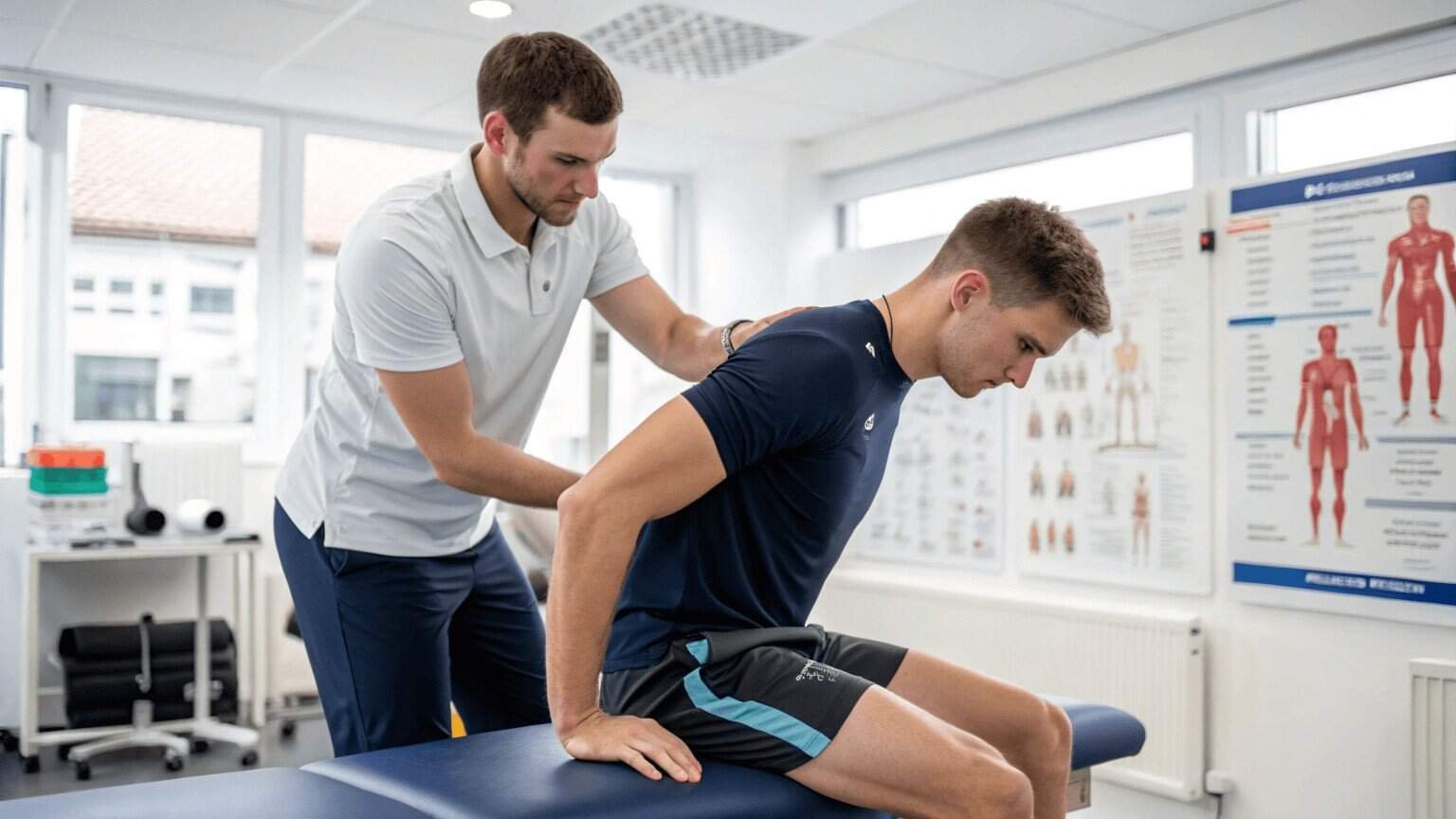
Warm-ups and conditioning are fundamental for preparing the body. Portable therapy devices8 can enhance prevention by offering regular muscle care. Devices combining fascia and muscle relaxation techniques reduce tension accumulation and prepare muscles for physical activity.
Incorporating therapy guns and professional therapy after exercise sessions can maintain muscle integrity9 and reduce chronic injury risks, optimizing athletic performance.
| Prevention Method | Benefits | Implementation |
|---|---|---|
| Warm-up Exercises | Increased blood flow | Dynamic stretching routines |
| Conditioning | Strengthened muscles | Targeted strength and endurance programs |
| Protective Gear | Reduced impact risk | Helmets, joint braces, padding |
| Mindful Training | Balanced stress on body | Gradual exercise increments, rest periods |
Regular use of therapy devices stabilizes muscle condition, extends athletic lifespan, and prevents common sports injuries effectively.
Conclusion
Timely care and advanced therapies transform sports rehabilitation by preventing and treating injuries efficiently, enhancing athletic longevity.
-
Exploring this resource will provide you with effective treatment options and recovery strategies for various sports injuries. ↩
-
Explore how portable therapy devices can provide immediate relief and enhance recovery for sports injuries. ↩
-
Learn about the RICE method’s effectiveness in minimizing pain and swelling for faster recovery from sports injuries. ↩
-
Discover the benefits of high-frequency, low-amplitude vibrations in promoting faster recovery and reducing inflammation. ↩
-
Explore this link to understand how advanced device therapy can enhance recovery and improve healing outcomes. ↩
-
Explore the benefits of therapy guns for muscle recovery and pain relief, enhancing your understanding of their effectiveness. ↩
-
Learn about myofascial pain syndrome and its treatments to better manage symptoms and improve your quality of life. ↩
-
Explore this link to discover top-rated therapy devices that can enhance your muscle care routine and prevent injuries. ↩
-
Learn effective strategies to maintain muscle integrity, ensuring optimal performance and reducing injury risks. ↩