What do you know about physical therapy1?
Are you tired of persistent knee pain2 holding you back from enjoying life? It’s time to understand how physical therapy can empower you.
Physical therapy is about equipping you with the tools and knowledge to take control of your recovery. It’s a journey of active participation, not passive treatment, fostering self-management for lasting well-being.
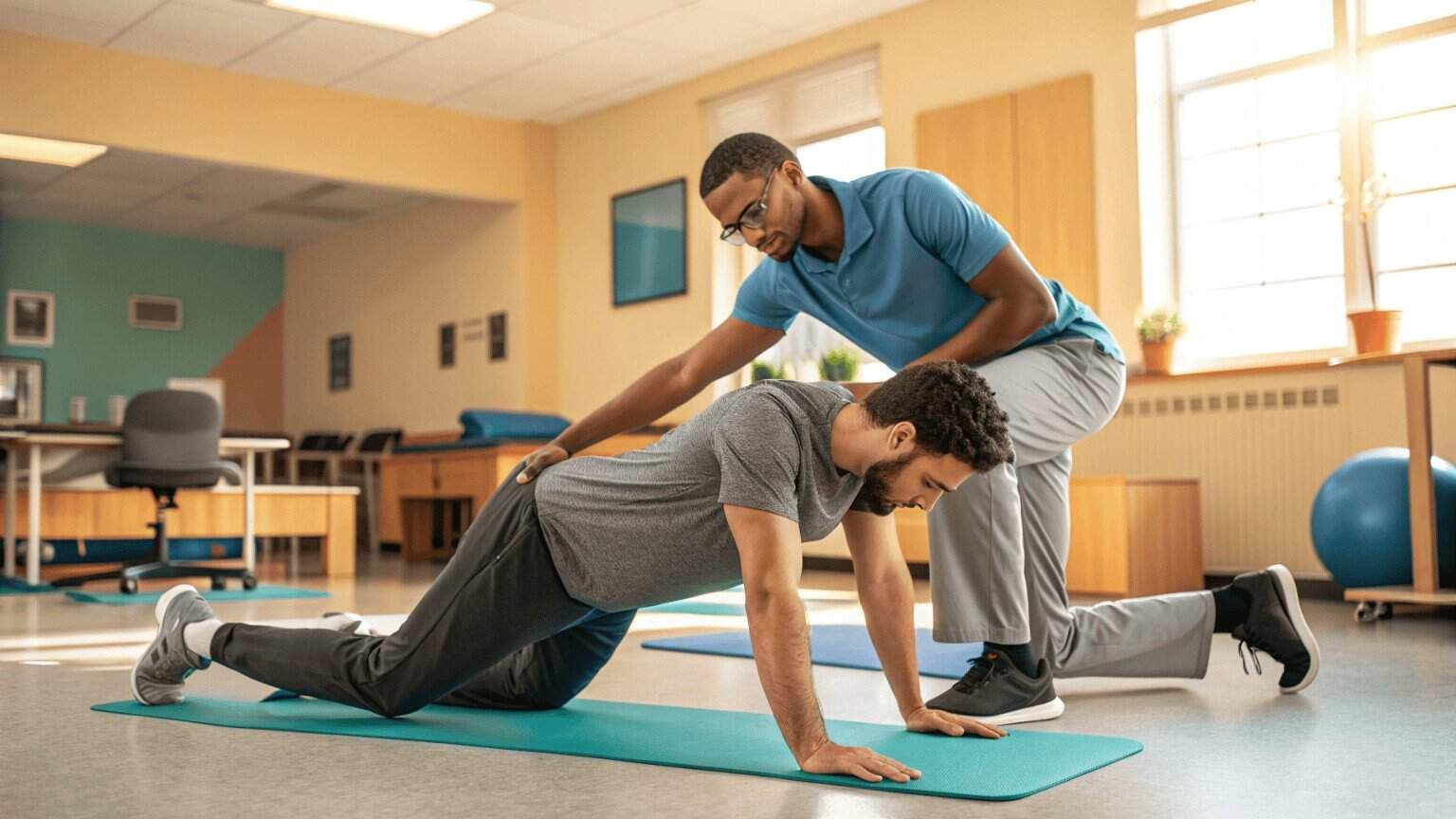
This approach focuses on empowering you to manage your health actively.
What is the best exercise equipment for bad knees?
When dealing with bad knees, the right equipment makes all the difference in your recovery journey.
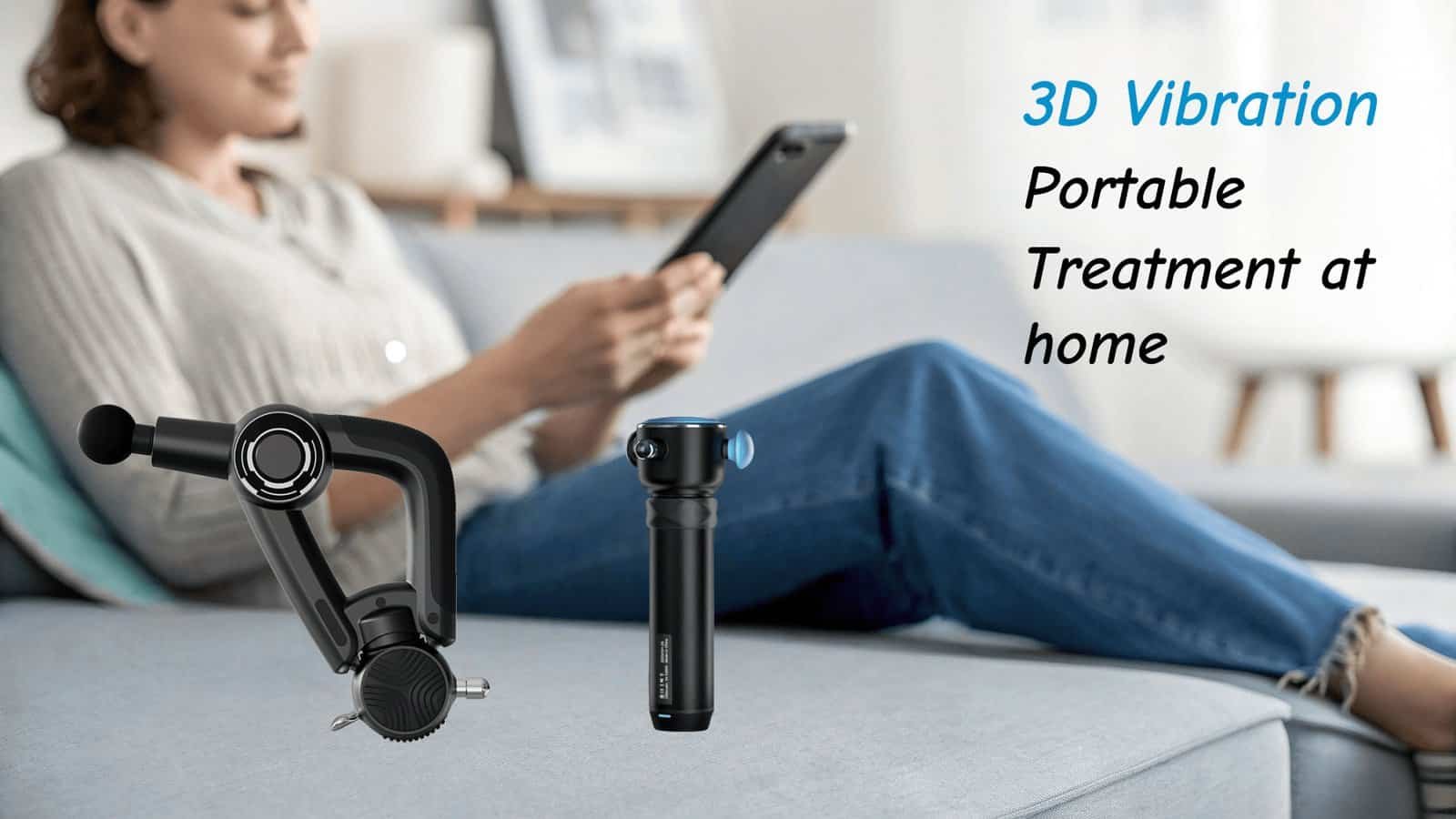
The best equipment for bad knees isn’t just about simple tools; it’s about scientific principles and ease of use at home. Products with features like dual-frequency technology and 3D vibration3 can offer deep, targeted relief and promote better joint health.

Finding the right tool can feel overwhelming, but it’s crucial for effective recovery.
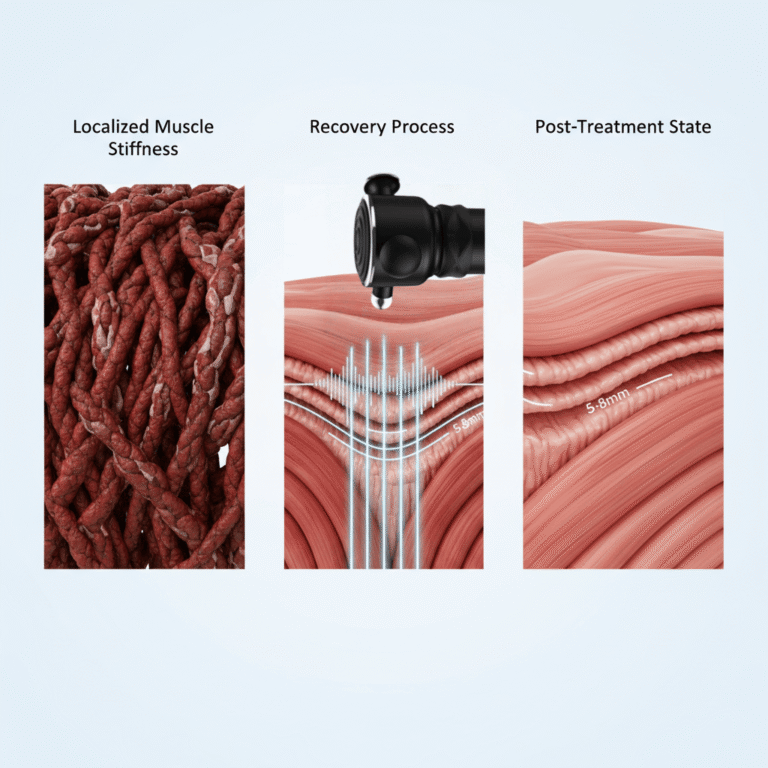
The core issues with knee problems often go beyond just pain. It’s about addressing underlying causes like fascial adhesions4, muscle imbalances5, and reduced joint lubrication6. My experience, especially when I was designing products for sports rehabilitation equipment, showed me that to truly help, you need to go deeper than just surface-level relief. The goal is to restore not just comfort, but also range of motion and the natural "oiling" of the joint. This involves understanding the biomechanics and anatomy of the knee. For example, a tool that can provide both horizontal and vertical forces, simulating a "kneading" and "pressing" action along with deep penetration, can make a significant impact. It’s about rebuilding healthy movement patterns from the ground up. This is where innovative technologies, like the dual-frequency and 3D vibration I’ve seen in some of our products, really shine. They offer a scientifically backed approach to alleviate discomfort and improve function. They are not just about relaxation; they are about rebuilding the fundamental mechanics of how your knee works.
Why is there so few at home physical therapy options?
The landscape of at-home physical therapy can seem surprisingly limited, leaving many searching for effective solutions.
At-home physical therapy options are scarce because effective recovery requires more than just basic tools; it demands scientific understanding and practical application. Many home-based solutions lack professional guidance or are too complex to use consistently, hindering real progress.
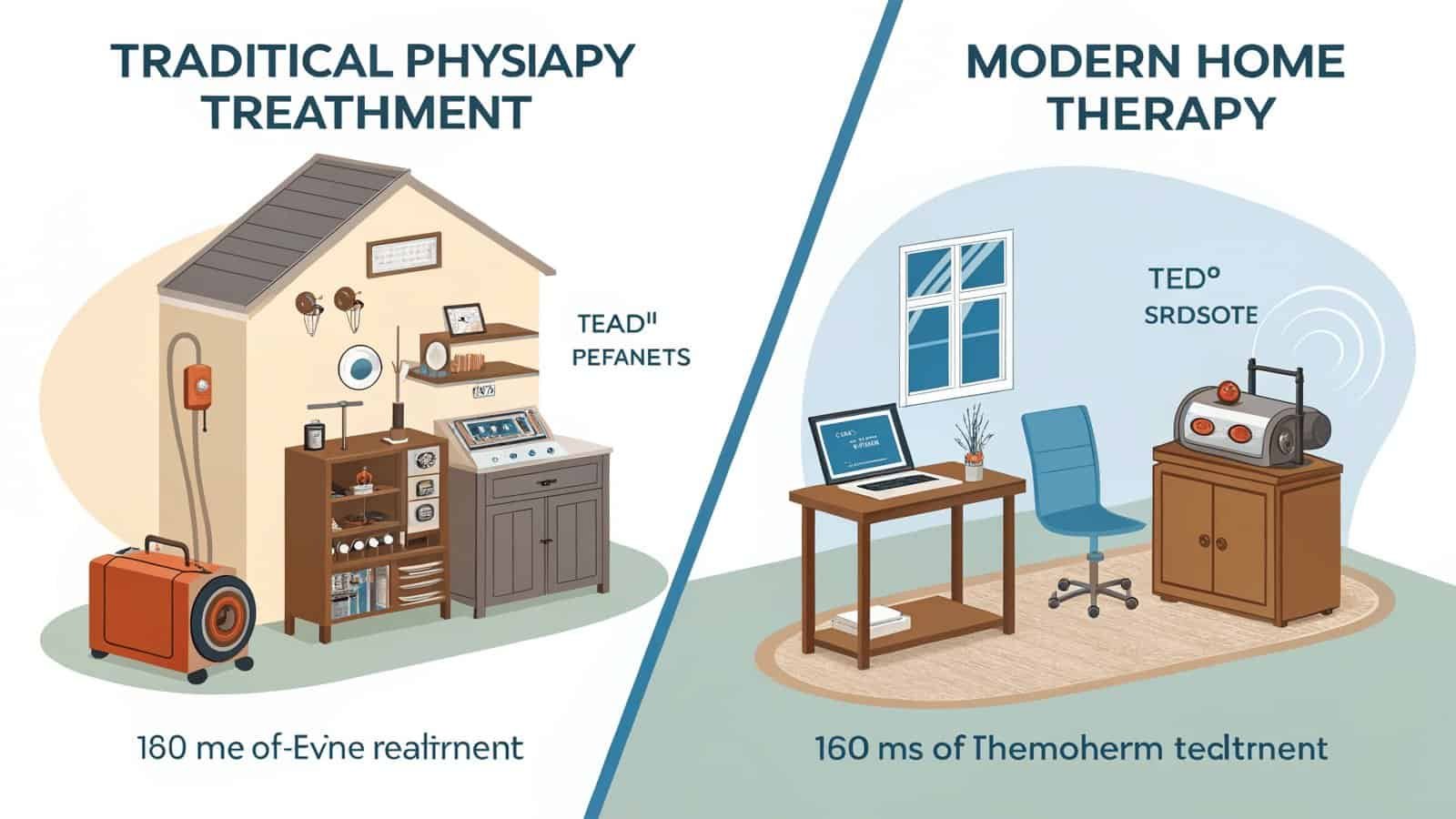
It’s easy to feel like you’re on your own when it comes to rehabilitating at home.
The challenge with at-home physical therapy often lies in translating clinical expertise into a user-friendly format. My work in the sports rehabilitation equipment industry has shown me that people need solutions that are both scientifically sound and genuinely easy to implement in their daily lives. Traditional methods at home often fall short because they either require constant supervision that isn’t available, or the tools themselves are too complicated. The "magic" happens when a product is designed with a clear understanding of both the therapy principles and the user’s environment. For instance, products that offer seamless switching between different modes or have ergonomic designs that fit comfortably in the hand make a huge difference. When users can easily adjust settings or switch attachments to suit their changing needs, they are much more likely to stick with the program. This adaptability, combined with a solid scientific basis for its function—like specific vibration frequencies or depths of penetration—transforms a generic tool into a personalized rehabilitation aid.
Is there a way to get physical therapy at home?
Yes, there are absolutely ways to bring effective physical therapy into the comfort of your own home.
You can get physical therapy at home by using smart, user-friendly equipment that is designed with scientific principles7 in mind. These tools empower you to actively manage your recovery, offering a convenient and effective alternative or supplement to traditional clinic visits.
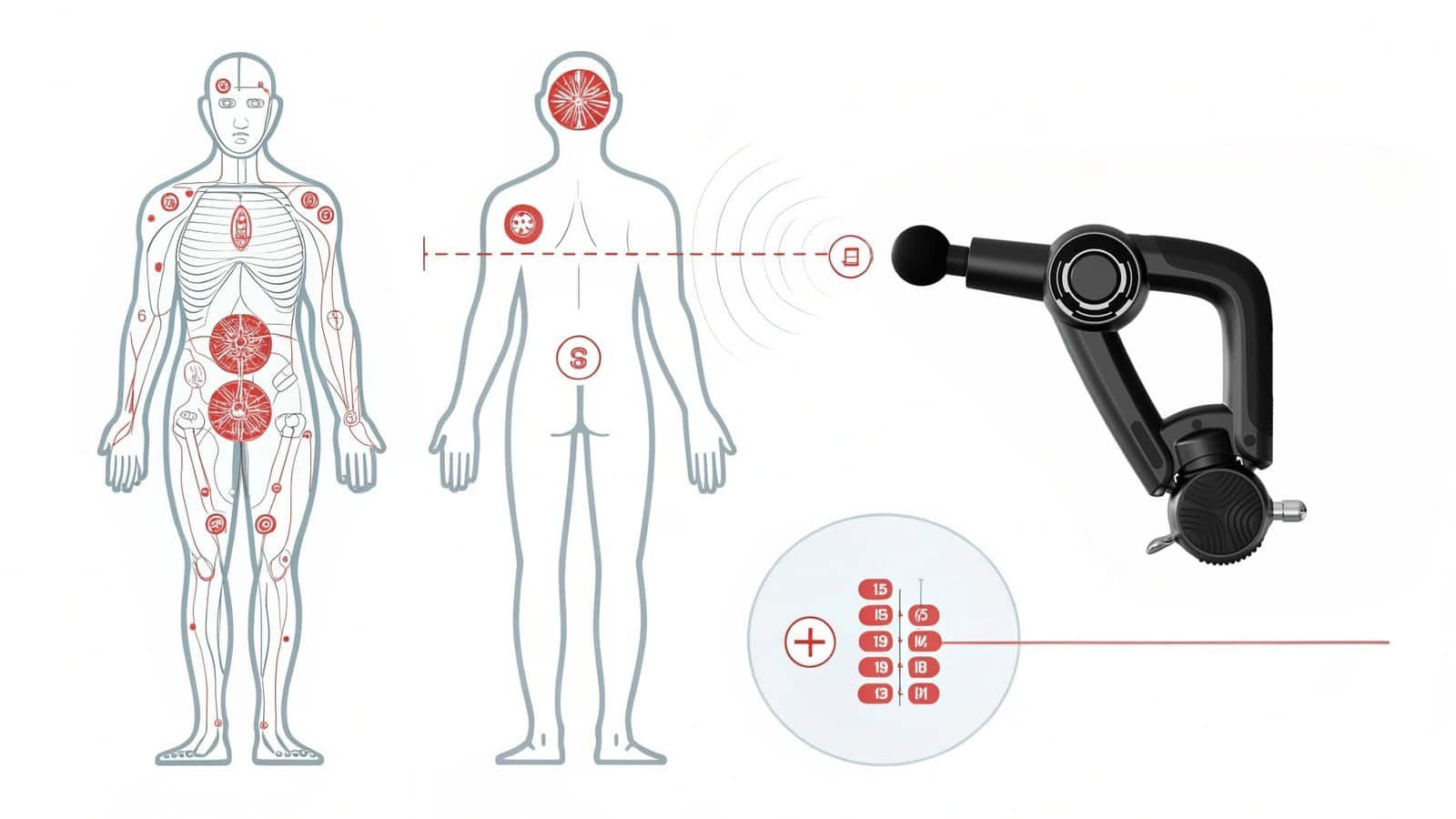
Bringing expert-level care into your home is more accessible than ever before.
When I reflect on my journey, from working within a sports rehabilitation equipment company to establishing my own trading business, I’ve seen firsthand how crucial accessible and effective tools are for individuals managing injuries or pain. The recovery process for knee discomfort, for example, often requires a delicate balance. It needs to be gradual, with the ability to adjust intensity as your body heals and adapts. It also needs to be both gentle and highly effective. This is where technologies like dual-mode systems, which combine low and high frequencies, really prove their worth. Think of it this way: low frequency can be used to "wake up" muscles and provide initial, soothing relief. Then, as your knee feels ready, you can switch to a higher frequency for deeper relaxation and more precise treatment. This kind of staged approach, where different frequencies work together, makes the whole recovery process more strategic. It also means that the treatment can be perfectly matched to what your knee needs at any given moment, whether you’re just starting or are further along in your healing journey.
The usability and thoughtful design of any rehabilitation tool are paramount for ensuring people actually use it consistently. My experience in product design, particularly with items like fascia guns, has taught me that if a device isn’t easy to pick up and use, even the most advanced technology won’t be effective. If it’s clunky, heavy, or confusing to operate, people will simply stop using it. This is why features like integrated designs, where everything is in one place, or effortless switching of massage heads, are so important. Even differences in size and weight between models, like those offered by Myyuedong with models such as the YD017 and YD017PRO, allow users to find what feels best for them. When a tool is intuitive and comfortable to handle, it significantly lowers the barrier to entry for at-home therapy. It makes the complex science behind rehabilitation feel much simpler and more manageable. This focus on user experience ensures that the rehabilitation process is not only effective but also a positive and sustainable part of a person’s routine.
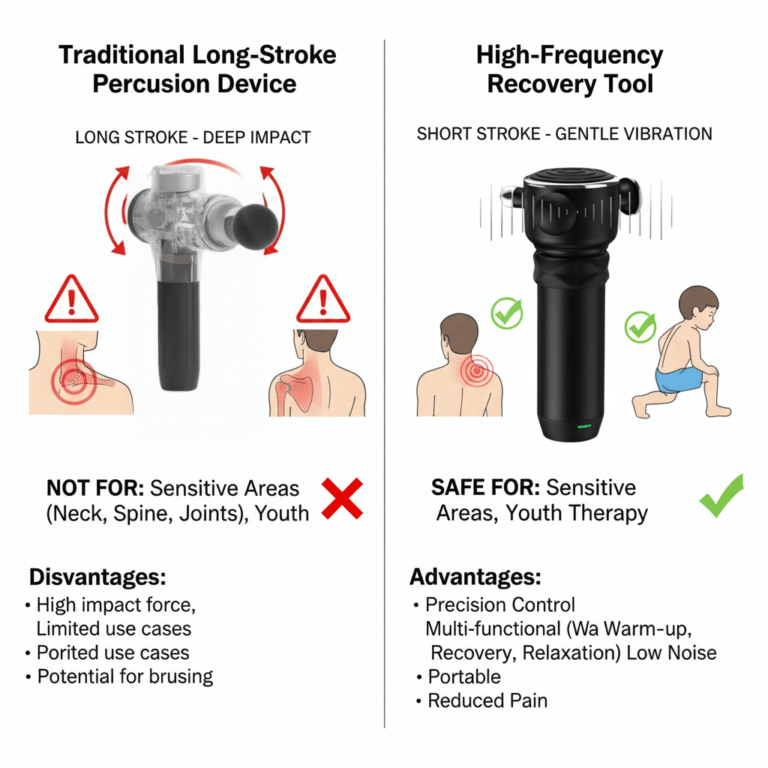
When comparing different types of beneficial tools, it’s important to see them as more than just simple machines. My own passion for sports rehabilitation has led me to view these devices, like our fascia guns, as precise instruments designed for communication with the body, not just as noisy gadgets. Unlike basic "hammering" devices that can be quite rough, our tools are engineered to provide what we call "3D vibration." This means they can deliver a more nuanced and gentle massage. They offer a precise range of motion, around 2mm, and can even mimic the skilled hands of a therapist. This allows for treatment that is detailed, gentle, and highly targeted. Instead of just creating noise, these devices send effective signals to your body, prompting it to make adjustments and improvements. This careful, targeted approach is key to achieving meaningful rehabilitation outcomes and restoring proper function.
The future of at-home recovery is undoubtedly personalized, and our product range is built to offer exactly that. We understand that everyone’s body is unique, and what works for one person might not be the perfect fit for another. That’s why we offer choices that cater to different needs and preferences. This includes selecting between different models, like the YD017 or the YD017PRO, which might differ in size, weight, or power. Furthermore, with innovations like the dual-frequency technology in the YD023, users can combine frequencies in various ways. This allows for a truly customized approach to addressing specific issues, rather than a one-size-fits-all solution. By providing these multi-faceted options, we empower individuals to find the equipment that best aligns with their personal health conditions and comfort levels, making their recovery journey more effective and satisfying.
Conclusion
Physical therapy empowers you with self-management for recovery. Smart tools and understanding your body are key for effective at-home rehabilitation.
-
Explore the transformative benefits of physical therapy for recovery and self-management. ↩
-
Discover various treatments and strategies to alleviate knee pain and improve mobility. ↩
-
Explore the advantages of 3D vibration therapy for muscle recovery and pain relief. ↩
-
Gain insights into how fascial adhesions impact recovery and how to address them. ↩
-
Learn about the significance of addressing muscle imbalances in rehabilitation. ↩
-
Discover the importance of joint lubrication for maintaining joint health and function. ↩
-
Learn how scientific principles enhance the effectiveness of physical therapy treatments. ↩